Diabetes is a growing health concern worldwide and often develops gradually. Many people ignore the early warning signs, assuming they are minor health issues. However, recognizing the early signs of diabetes is crucial for timely diagnosis and treatment. When detected early, diabetes can be effectively managed, helping individuals maintain healthy blood sugar levels and prevent serious complications.
Regular health checkups and monitoring with a blood sugar monitor can help detect abnormal glucose levels before the condition becomes severe. For individuals seeking specialized care, Nimbus Hospital Solan provides comprehensive diabetes diagnosis, treatmen, and long term management.
What is Diabetes?
Diabetes is a chronic condition that affects how the body processes glucose, which is the main source of energy for cells. Normally, the hormone insulin helps move glucose from the bloodstream into the cells. In diabetes, either the body does not produce enough insulin or cannot use it effectively.
As a result, glucose builds up in the blood, leading to high blood sugar levels. Over time, uncontrolled diabetes can affect various organs including the heart, kidneys, nerves and eyes.
Common Early Signs of Diabetes
Many early symptoms of diabetes are mild but should never be ignored. Identifying these warning signs early can help prevent complications.
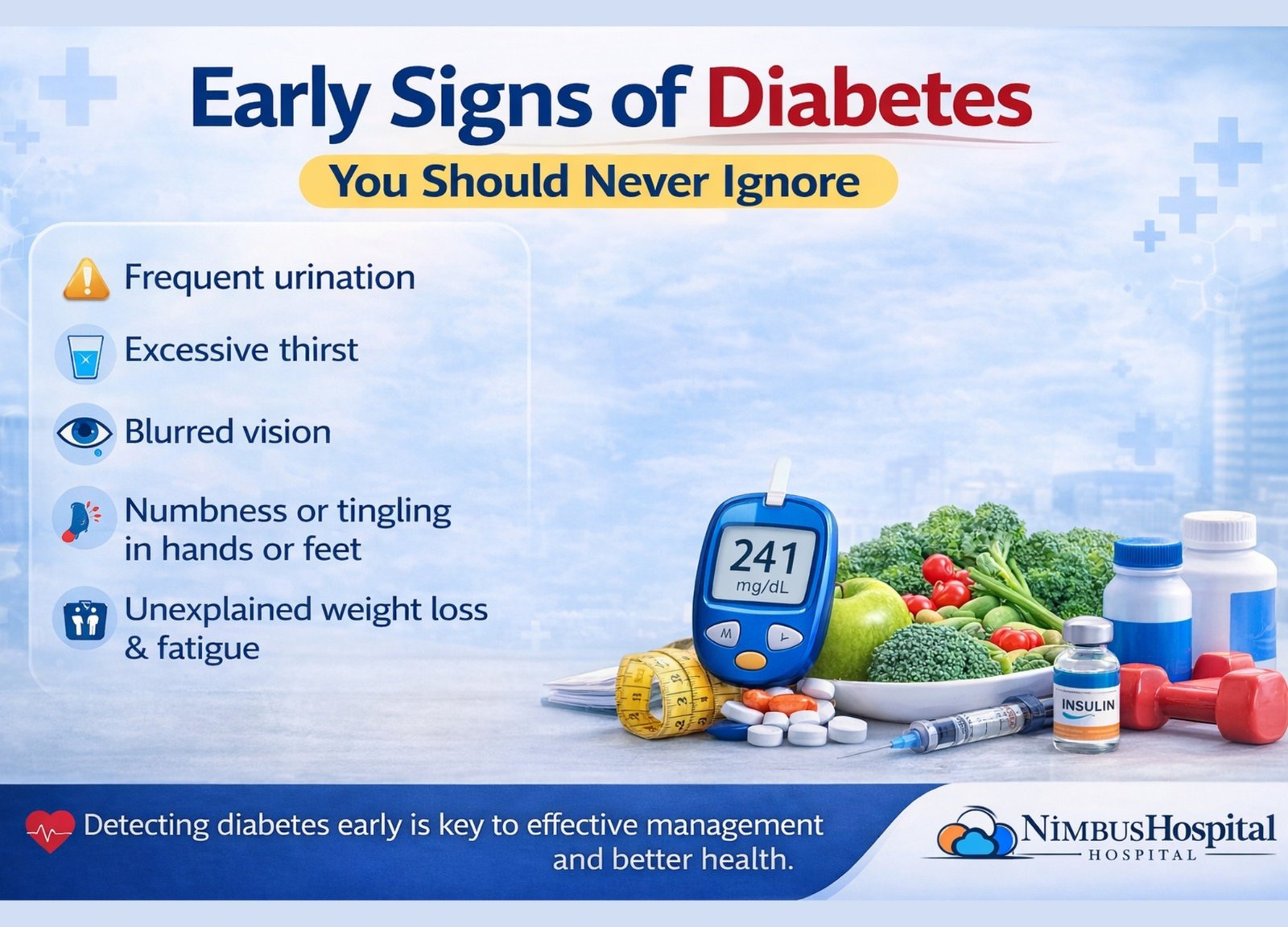
Frequent Urination
One of the earliest signs of diabetes is frequent urination. High glucose levels cause the kidneys to work harder to remove excess sugar from the body, leading to increased urination.
Increased Thirst
Frequent urination can lead to dehydration, causing persistent thirst. Even after drinking water, people may still feel thirsty.
Unusual Fatigue
When the body cannot properly use glucose for energy, it can lead to constant tiredness and weakness.
Blurred Vision
High blood sugar levels can affect the fluid balance in the eyes, leading to temporary blurred vision.
Slow Healing of Wounds
Cuts, bruises and infections may take longer to heal because diabetes affects blood circulation and immune function.
Unexplained Weight Loss
Sudden weight loss without changes in diet or physical activity may also indicate diabetes, especially in some cases of type 1 diabetes.
Monitoring glucose levels regularly with a blood sugar monitor helps identify these warning signs before they progress.
Risk Factors for Diabetes
Several lifestyle and genetic factors increase the risk of developing diabetes.
Family History
Individuals with a family history of diabetes are more likely to develop the condition.
Unhealthy Diet
Frequent consumption of sugary foods, processed meals, and high calorie diets can increase the risk of type 2 diabetes.
Lack of Physical Activity
Sedentary lifestyles reduce insulin sensitivity and contribute to higher blood sugar levels.
Excess Body Weight
Obesity is one of the major risk factors for developing type 2 diabetes.
Adopting a healthy diabetes diet and maintaining an active lifestyle can significantly reduce these risks.
Importance of Early Diagnosis
Early detection of diabetes plays a vital role in preventing long term complications. Regular screening tests and monitoring help maintain normal blood glucose levels and reduce health risks.
Doctors recommend routine testing for individuals who experience symptoms or have risk factors for diabetes. Early medical intervention allows better control through medication, lifestyle changes and a proper diabetic diet plan.
Managing Diabetes Effectively
Although diabetes cannot always be cured, it can be effectively controlled with proper care and lifestyle adjustments.
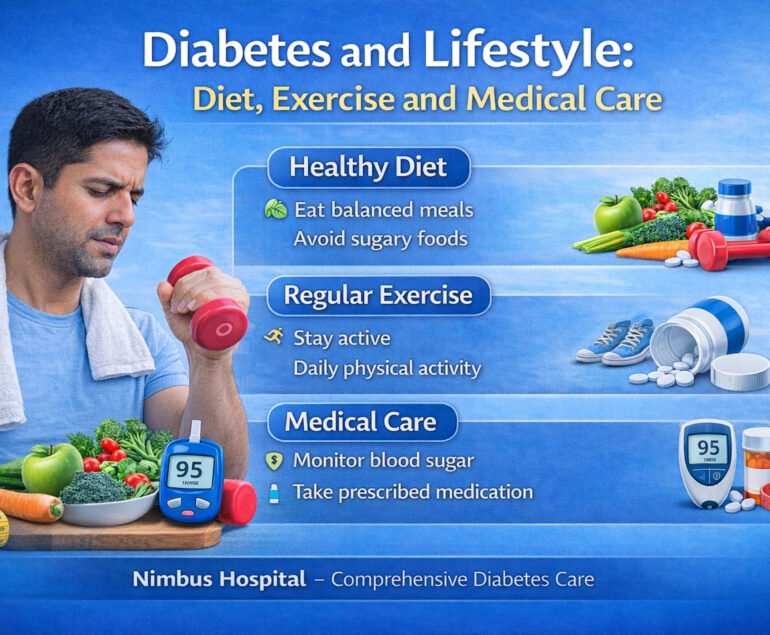
Healthy Diet
A balanced diet for diabetic patients includes high fiber foods, lean proteins and healthy fats while limiting refined sugar and processed foods.
Regular Exercise
Physical activity improves insulin sensitivity and helps regulate blood sugar levels.
Blood Sugar Monitoring
Regular monitoring using a blood sugar monitor allows patients to track their glucose levels and adjust their lifestyle or medications accordingly.
Medical Treatment
Doctors may recommend medications or insulin therapy depending on the type and severity of diabetes.
At Nimbus Hospital Solan, patients receive personalized treatment plans that combine medical care, nutritional guidance and continuous monitoring.
Why Choose Nimbus Hospital Solan?
Nimbus Hospital Solan is known for providing comprehensive care for diabetes patients. The hospital offers:
- Experienced diabetes specialists
- Advanced diagnostic and blood sugar monitoring facilities
- Personalized diabetic diet plan guidance
- Regular health checkups and follow up care
- Patient education for long term diabetes management
This integrated approach helps patients maintain stable blood sugar levels and improve their overall quality of life.
Conclusion
Ignoring the early signs of diabetes can lead to serious health complications over time. Symptoms such as frequent urination, excessive thirst, fatigue and blurred vision should never be overlooked. Early detection and proper management are essential for maintaining normal blood glucose levels and preventing long-term health risks.
With the right combination of a healthy diabetes diet, regular monitoring using a blood sugar monitor, and expert medical care, individuals can effectively manage diabetes and live healthy lives.
For professional diabetes care and consultation, visit Nimbus Hospital Solan.