Heart health is one of the most important aspects of overall well being. The heart is responsible for pumping blood throughout the body, supplying oxygen and nutrients to every organ. However, unhealthy lifestyle habits, stress, poor diet and lack of physical activity can increase the risk of developing various heart problems and other conditions related to cardiovascular disease.
Many heart conditions develop gradually and may not show noticeable symptoms in the early stages. Understanding different types of heart disease, recognizing heart disease symptoms, and seeking timely medical care can help prevent serious complications.
Understanding Common Heart Diseases
The term heart disease refers to several conditions that affect the heart’s structure and function. These diseases can impact blood circulation, heart rhythm or the ability of the heart to pump blood effectively.
Many forms of cardiovascular disease occur when blood vessels become narrowed or blocked due to plaque buildup. This condition restricts blood flow to the heart and may eventually lead to serious heart issues if not treated in time.
Understanding the causes and warning signs of common heart diseases can help individuals take preventive measures and maintain better heart health.
Common Types of Heart Disease
Several types of heart disease affect people worldwide. Each condition may have different causes and symptoms, but all require proper medical attention.
Coronary Artery Disease
Coronary artery disease is one of the most common forms of cardiovascular disease. It occurs when the arteries supplying blood to the heart become narrowed due to plaque buildup.
Reduced blood flow can lead to chest pain, fatigue, and other heart disease symptoms. If untreated, it may increase the risk of heart attack.
Hypertensive Heart Disease
Hypertensive heart disease develops when long-term high blood pressure puts extra strain on the heart. Over time, this pressure can cause the heart muscle to thicken and affect its ability to pump blood effectively.
Managing blood pressure is essential to prevent complications related to this condition.
Congestive Heart Disease
Congestive heart disease occurs when the heart becomes weak and cannot pump blood efficiently. As a result, fluid may build up in different parts of the body.
One common symptom of this condition is swelling in the legs or ankles, sometimes referred to as heart failure swollen feet. Individuals with this condition may also experience fatigue and breathing difficulties.
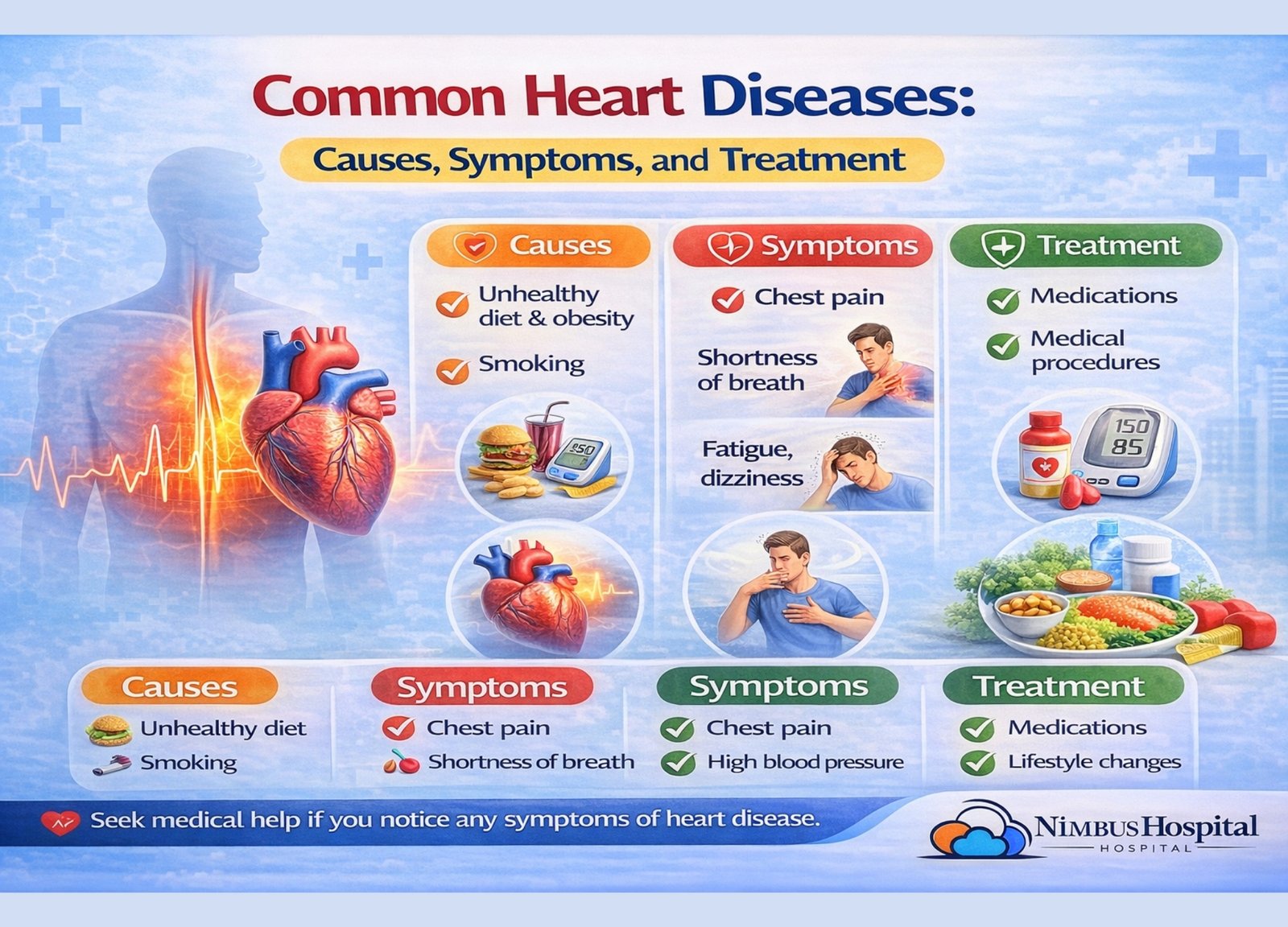
Causes of Heart Disease
Several factors can contribute to the development of heart problems. Some causes are related to lifestyle choices, while others may be influenced by genetics or existing health conditions.
Common causes include:
- High blood pressure
- High cholesterol levels
- Smoking
- Diabetes
- Obesity
- Lack of physical activity
- Unhealthy diet
- Chronic stress
These factors significantly increase the risk of developing cardiovascular disease, which is why maintaining a healthy lifestyle is important.
Symptoms of Heart Disease
Many heart disease symptoms may appear gradually and should not be ignored. Recognizing these signs early can help individuals seek medical care before the condition becomes severe.
Common symptoms include:
- Chest pain or discomfort
- Shortness of breath
- Unusual fatigue
- Dizziness or lightheadedness
- Irregular heartbeat
- Pain in the arm, neck or jaw
Some individuals may also notice signs of minor heart blockage, such as chest tightness during physical activity or shortness of breath when climbing stairs.
Heart Disease Treatment Options
Early diagnosis plays a major role in effective heart disease treatment. The treatment approach depends on the type and severity of the condition.
Doctors may recommend several treatment options, including:
Lifestyle Changes
Adopting healthier habits such as eating a balanced diet, exercising regularly and avoiding smoking can significantly reduce heart issues.
Medications
Doctors may prescribe medications to control blood pressure, cholesterol levels or irregular heart rhythms.
Medical Procedures
In more serious cases, medical procedures such as angioplasty or surgery may be required to restore proper blood flow to the heart.
Proper medical care helps manage symptoms and prevents the progression of heart disease.
Prevention Tips for Better Heart Health
Preventing heart problems requires consistent healthy habits and regular health checkups.
Important preventive steps include:
- Maintaining a balanced diet
- Exercising regularly
- Managing blood pressure and cholesterol
- Avoiding smoking and excessive alcohol consumption
- Maintaining a healthy weight
- Managing stress effectively
These lifestyle changes can significantly reduce the risk of developing cardiovascular disease and other serious heart conditions.
Conclusion
Understanding common types of heart disease is important for protecting long-term health. Many heart problems develop gradually, but recognizing early heart disease symptoms can help individuals seek timely medical care.
By maintaining healthy lifestyle habits, managing risk factors, and following appropriate heart disease treatment, people can reduce the chances of developing serious cardiovascular disease and maintain better heart health.
🌐 For consultations and appointments, visit:
https://nimbushospital.in/