
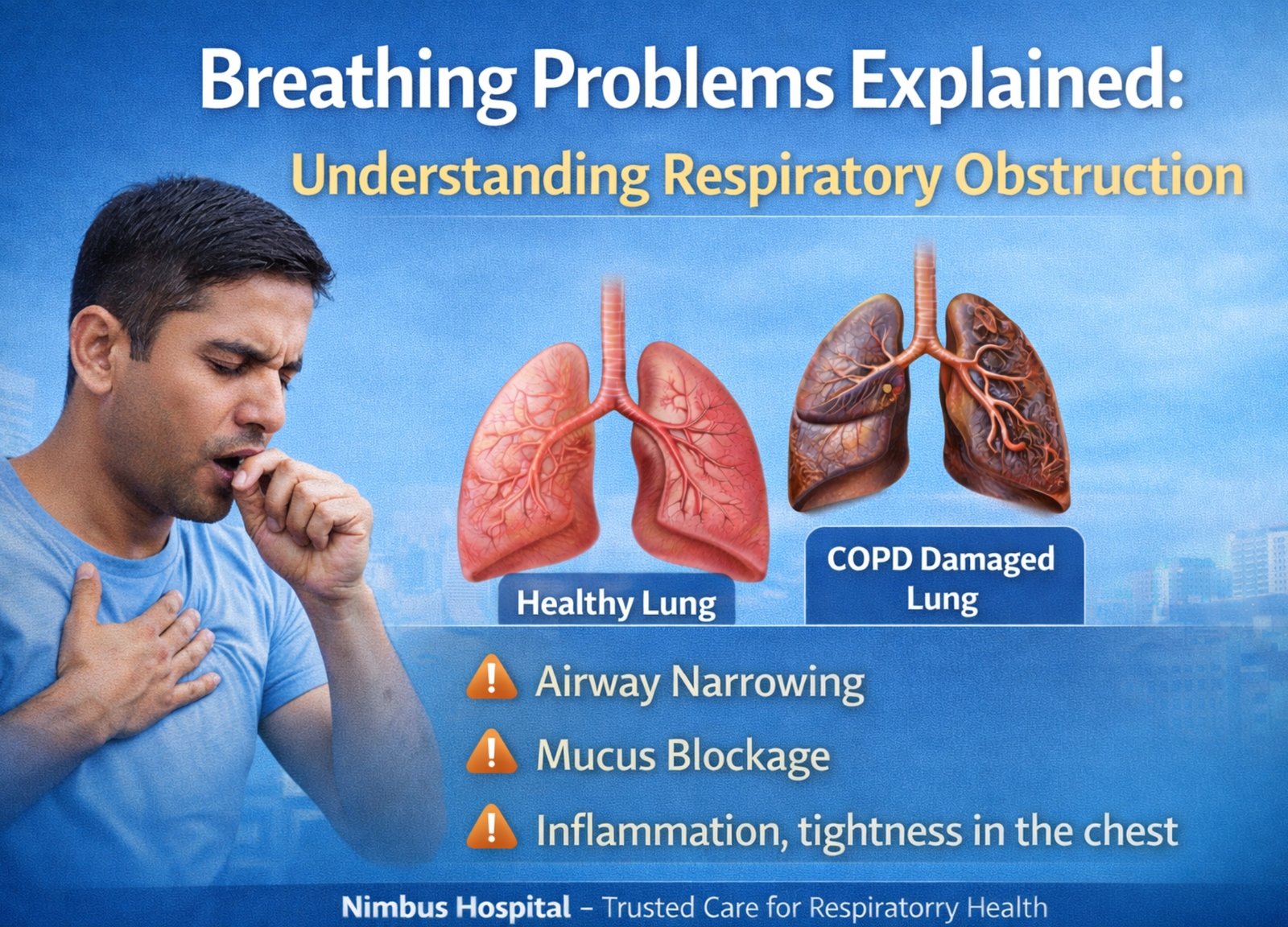
Breathing problems are a common health concern that can affect people of all age groups. From occasional breathlessness to chronic conditions involving airway blockage, these issues can significantly impact daily activities and overall well being. Understanding respiratory obstruction, its causes, symptoms, and treatment options is essential for early diagnosis and long term lung health.
This article explains breathing problems and treatment in a clear and practical way, helping individuals recognize warning signs and seek timely medical care.
What Is Respiratory Obstruction?
Respiratory obstruction refers to a condition in which airflow through the respiratory tract becomes partially or completely blocked. This blockage may occur in the upper or lower airways and can be temporary or long term, depending on the underlying cause.
Common conditions associated with respiratory obstruction include chronic lung diseases, allergic reactions, infections, and structural airway narrowing. If left untreated, respiratory blockage can lead to reduced oxygen supply, increased strain on the heart, and progressive lung damage.
Early identification of airway related issues plays a crucial role in preventing complications.
Common Causes of Breathing Problems
Understanding the underlying causes is the first step toward effective management. The most frequent causes of breathing problems include:
1. Smoking
Long term smoking damages lung tissue and narrows airways, leading to chronic airway obstruction. The harmful chemicals in tobacco smoke weaken the lungs natural defense system, making breathing increasingly difficult over time.
2. Allergies
Exposure to allergens such as dust, pollen, mold, or pet dander can cause airway swelling and mucus production, resulting in breathing discomfort and respiratory blockage.
3. Respiratory Infections
Infections like pneumonia or bronchitis can inflame the airways and temporarily restrict airflow. In some cases, repeated infections may cause lasting respiratory obstruction.
4. Chronic Lung Conditions
Long standing lung diseases are a major cause of obstructed airflow. These conditions often require long term monitoring and medical care.
5. Environmental and Occupational Exposure
Air pollution, chemical fumes, and dust exposure in certain work environments can irritate the airways and contribute to chronic breathing problems.
Identifying these triggers allows individuals to take preventive steps and reduce long term risks.
Obstructed Airway Symptoms to Watch For
Recognizing early warning signs is essential for timely treatment. Common obstructed airway symptoms include:
- Shortness of breath, especially during physical activity
- Wheezing or noisy breathing
- Persistent cough, with or without mucus
- Chest tightness or discomfort
- Fatigue caused by reduced oxygen intake
- Recurrent respiratory infections
If these symptoms persist or worsen, medical evaluation is strongly recommended.
Diagnosis of Breathing Problems
Accurate diagnosis is the foundation of effective care. Doctors use several methods to identify respiratory obstruction and determine its severity:
- Medical history and physical examination, including lifestyle factors
- Pulmonary Function Tests (PFTs) to measure lung capacity
- Spirometry to assess airflow limitation
- Chest imaging such as X-rays or CT scans
- Allergy testing when allergic triggers are suspected
A thorough diagnostic approach helps in designing a targeted treatment plan based on individual needs.
Treatment Options for Respiratory Obstruction
Treatment depends on the cause and severity of the condition. Common approaches include:
1. Medications
- Bronchodilators to relax airway muscles
- Inhaled medicines to reduce inflammation
- Appropriate medications for infections when required
2. Pulmonary Rehabilitation
A structured program that includes breathing techniques, guided physical activity, and education to improve lung efficiency and daily functioning.
3. Oxygen Support
In cases of severe respiratory blockage, oxygen therapy may be required to maintain adequate oxygen levels in the body.
4. Lifestyle Modifications
- Avoid smoking and second-hand smoke
- Reduce exposure to dust, pollution, and irritants
- Maintain a balanced diet and regular physical activity
- Follow prescribed treatment plans consistently
5. Advanced Medical Interventions
For severe cases, specialized procedures or advanced therapies may be advised by respiratory specialists.
Preventive Measures for Better Lung Health
Prevention plays a vital role in reducing breathing problems and long term airway damage. Key preventive steps include:
- Avoiding smoking and environmental pollutants
- Regular lung health check ups for early detection
- Staying updated with recommended vaccinations
- Maintaining clean indoor air quality
- Prompt treatment of respiratory infections
Awareness of breathing problems and treatment helps individuals take control of their respiratory health.
Why Seek Medical Care at Nimbus Hospital in Solan?
Seeking expert medical care ensures accurate diagnosis and effective management of respiratory conditions. At Nimbus Hospital in Solan, patients receive comprehensive evaluation and treatment for conditions related to respiratory blockage and airway disorders.
Specialist led care focuses on long term management, symptom control, and prevention of complications, helping patients maintain better lung function and quality of life.
Conclusion
Breathing problems should never be ignored, especially when they persist or worsen over time. Understanding respiratory obstruction, recognizing early symptoms, and seeking timely medical attention are essential for preventing long term complications.
By addressing breathing problems causes and treatment early, individuals can manage airway obstruction effectively and protect their lung health.
🌐 For expert consultation and advanced respiratory care, visit:
https://nimbushospital.in/