
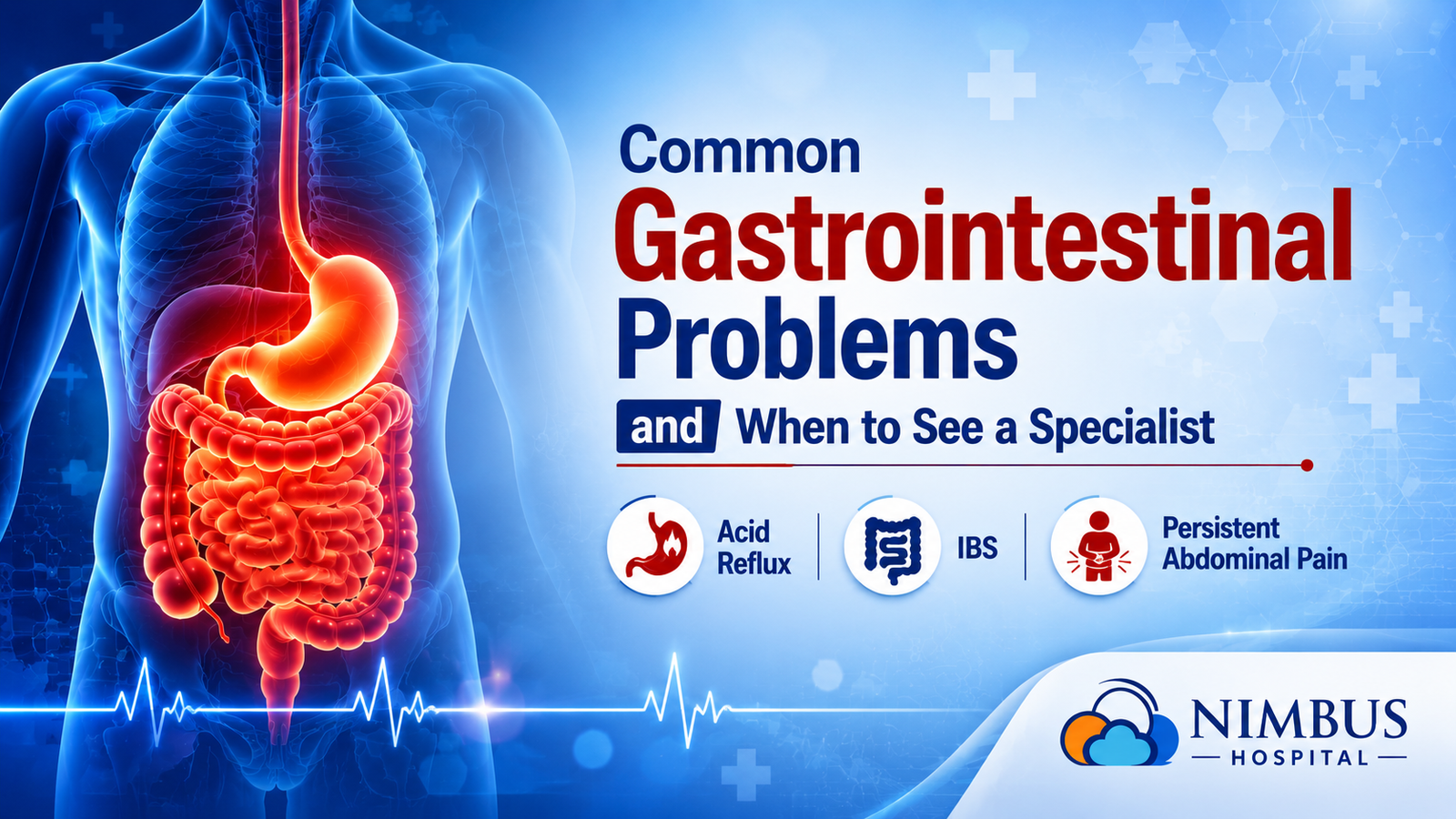
Digestive health plays a vital role in overall well being. The gastrointestinal system is responsible for breaking down food, absorbing nutrients and eliminating waste from the body. When this system does not function properly, it can lead to discomfort, nutritional deficiencies, and various health complications. While occasional digestive issues are common, persistent symptoms may indicate an underlying gastrointestinal disease that requires medical attention.
Many people ignore digestive symptoms, assuming they will resolve on their own. However, recognizing early warning signs and seeking timely care can help prevent complications and improve long term health outcomes. At Nimbus Hospital Solan, patients receive comprehensive evaluation and personalized care for a wide range of digestive disorders.
What Are Gastrointestinal Problems?
Gastrointestinal problems refer to conditions that affect the digestive tract, including the stomach, intestines, esophagus, liver, pancreas, and gallbladder. These conditions can range from mild digestive discomfort to chronic illnesses that require ongoing treatment.
Some digestive issues develop temporarily due to dietary habits or infections, while others may be linked to long term gastrointestinal disease that requires specialist care.
Common Gastrointestinal Problems
1. Acidity and GERD
Acidity is one of the most common digestive complaints. It occurs when stomach acid flows back into the esophagus, causing a burning sensation in the chest. Frequent acid reflux may develop into Gastroesophageal Reflux Disease (GERD).
Common symptoms include:
- Heartburn after meals
- Sour taste in the mouth
- Difficulty swallowing
- Frequent burping
Ignoring persistent acidity can lead to complications, making early diagnosis important.
2. Gas and Bloating
Occasional bloating is normal, but frequent bloating may indicate digestive imbalance, food intolerance or other gastrointestinal conditions.
Common causes include:
- Overeating
- Poor digestion
- Irritable Bowel Syndrome (IBS)
- Food sensitivities
Persistent bloating should not be ignored, especially when accompanied by abdominal discomfort.
3. Constipation
Constipation occurs when bowel movements become infrequent or difficult to pass. It can significantly affect quality of life and may be caused by:
- Low fiber intake
- Inadequate hydration
- Lack of physical activity
- Certain medications
Chronic constipation may require evaluation by a digestive specialist.
4. Diarrhea
Diarrhea is often caused by infections, food poisoning or digestive disorders. While short term episodes usually improve on their own, prolonged diarrhea can result in dehydration and nutritional deficiencies.
Medical attention is recommended if symptoms persist or are accompanied by fever or blood in the stool.
5. Irritable Bowel Syndrome (IBS)
IBS is a common condition affecting the large intestine. Symptoms often include:
- Abdominal pain
- Bloating
- Constipation
- Diarrhea
Although IBS is not life threatening, it can significantly impact daily life and often requires long term management.
6. Peptic Ulcers
Peptic ulcers are sores that develop in the lining of the stomach or small intestine. They may occur due to bacterial infections, long term use of painkillers, or excessive acid production.
Symptoms may include:
- Burning stomach pain
- Nausea
- Indigestion
- Loss of appetite
Timely diagnosis can help prevent serious complications.
Warning Signs You Should Not Ignore
While many digestive symptoms are mild, some signs require immediate medical evaluation. Consult a specialist if you experience:
- Persistent abdominal pain
- Frequent heartburn or acid reflux
- Unexplained weight loss
- Blood in stool or vomiting blood
- Chronic constipation or diarrhea
- Difficulty swallowing
- Persistent nausea or vomiting
- Yellowing of the skin or eyes (jaundice)
These symptoms may indicate a more serious gastrointestinal disease that requires expert assessment.
When Should You See a Specialist?
Many digestive issues improve with dietary changes and lifestyle modifications. However, if symptoms continue for several weeks or repeatedly return, professional evaluation is recommended.
You should consider consulting a top gastrologist in Solan if:
- Symptoms interfere with daily activities
- Over the counter medicines provide only temporary relief
- Digestive problems occur frequently
- You have a family history of digestive disorders
- You experience unexplained weight loss or bleeding symptoms
Early diagnosis often leads to more effective treatment and better outcomes.
Diagnosis of Gastrointestinal Conditions
Accurate diagnosis is essential for effective treatment. Depending on symptoms, doctors may recommend:
- Blood tests
- Stool examination
- Ultrasound of the abdomen
- Endoscopy
- Colonoscopy
- H. pylori testing
These investigations help identify the root cause of digestive symptoms and guide appropriate treatment.
Treatment Options for Gastrointestinal Problems
Treatment depends on the underlying cause and severity of symptoms. A personalized care plan may include:
Lifestyle and Dietary Changes
- Eating balanced meals
- Avoiding trigger foods
- Maintaining hydration
- Improving meal timing
- Managing stress levels
Medications
Doctors may prescribe medications to manage:
- Acidity and GERD
- Infections
- IBS symptoms
- Ulcers
- Constipation or diarrhea
Advanced Care
Certain conditions may require specialized procedures such as endoscopy or long term management plans.
Patients seeking Gastrointestinal treatment in Solan can benefit from individualized care designed to address both symptoms and underlying causes.
Why Choose Nimbus Hospital Solan?
Nimbus Hospital Solan offers comprehensive digestive care for patients experiencing a variety of gastrointestinal conditions. The hospital focuses on accurate diagnosis, effective treatment, and long term digestive wellness.
Patients choose the hospital because of:
- Experienced digestive health specialists
- Advanced diagnostic facilities
- Personalized treatment plans
- Patient centered approach
- Comprehensive digestive care services
For individuals looking for the best Gastrointestinal in Solan, timely consultation can help prevent complications and improve quality of life.
Conclusion
Digestive problems are common, but persistent symptoms should never be ignored. Conditions such as acidity, GERD, constipation, diarrhea, IBS and ulcers can significantly affect daily life if left untreated. Understanding the warning signs and seeking timely medical care can help prevent complications and support long term digestive health.
If you are experiencing ongoing digestive discomfort, consulting a specialist can provide clarity, relief and effective treatment.
Visit:https://nimbushospital.in/gastrointestinal-issues/
FAQs
1. What are the most common gastrointestinal problems?
Common gastrointestinal problems include acidity, GERD, constipation, diarrhea, IBS, bloating and peptic ulcers.
2. When should I consult a top gastrologist in Solan?
You should seek medical advice if digestive symptoms persist, worsen or interfere with your daily activities.
3. What causes gastrointestinal disease?
A gastrointestinal disease can develop due to infections, poor dietary habits, stress, genetic factors or chronic inflammation.
4. What treatments are available for digestive disorders?
Treatment may include dietary changes, medications, lifestyle modifications and specialized procedures depending on the condition.
5. Where can I get Gastrointestinal treatment in Solan?
Patients can consult specialists at Nimbus Hospital Solan for comprehensive diagnosis and treatment of digestive disorders.