
Frequent urination and excessive thirst are two common symptoms that can occur when blood sugar levels remain high. Many people initially ignore these changes, assuming they are caused by drinking more water, hot weather, or a busy routine. However, persistent thirst and repeated urination especially at night can sometimes indicate uncontrolled diabetes. Understanding why these symptoms happen can help you seek medical advice at the right time. If you are experiencing these symptoms regularly, proper evaluation and Diabetes Treatment in Solan can help identify the underlying cause and manage blood sugar effectively.
Why Does Diabetes Make You Urinate Frequently?
When blood glucose becomes too high, the kidneys try to remove the excess glucose from the blood. Normally, the kidneys filter glucose and return it to the bloodstream. But when there is more glucose than the kidneys can handle, some glucose passes into the urine.
Glucose attracts water with it. As a result, the body produces more urine to remove the excess glucose. This can lead to frequent urination, medically known as polyuria.
You may notice that you:
- Need to urinate more often than usual
- Wake up several times at night to urinate
- Produce larger amounts of urine
- Feel thirsty soon after urinating
If frequent urination continues without an obvious reason, checking your blood sugar can be an important first step.
Why Does Diabetes Cause Excessive Thirst?
Frequent urination causes the body to lose more fluid. As the body loses water, it can become dehydrated.
The brain responds to this fluid loss by creating a stronger sensation of thirst. This is why a person with high blood sugar may feel unusually thirsty and continue drinking water throughout the day.
A common pattern can therefore develop:
High blood sugar → excess glucose in urine → increased urination → fluid loss → increased thirst
This cycle can continue until the underlying high blood sugar is addressed.
Are Frequent Urination and Thirst Always Signs of Diabetes?
Not necessarily.
Frequent urination and increased thirst can also occur because of several other factors, including excessive fluid intake, certain medicines, urinary problems, infections and other medical conditions.
Therefore, it is not advisable to diagnose diabetes based on these symptoms alone.
A doctor may recommend blood glucose testing, HbA1c and other investigations depending on your symptoms and medical history. Nimbus Hospital provides diagnostic facilities and medical consultation to help evaluate conditions such as diabetes and other chronic health problems.
What Other Diabetes Symptoms Should You Watch For?
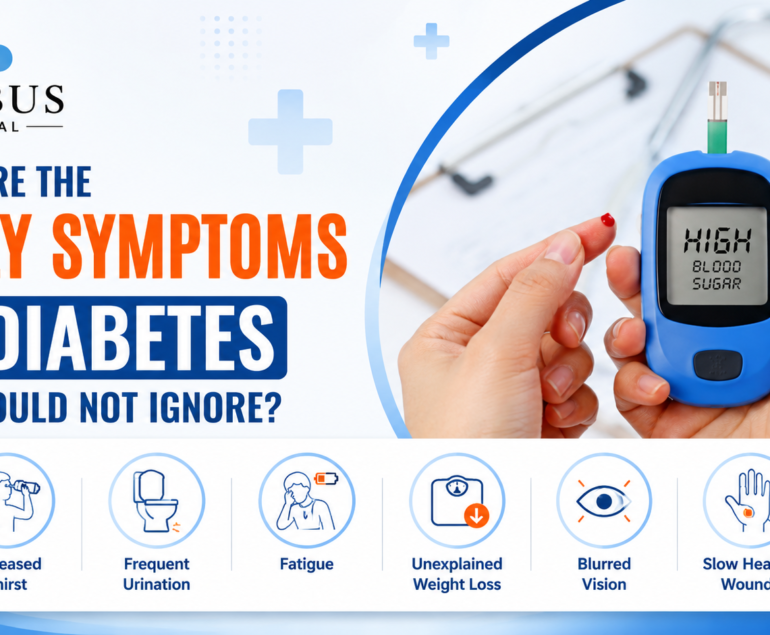
Along with excessive thirst and frequent urination, high blood sugar may sometimes cause:
- Increased hunger
- Unusual tiredness
- Blurred vision
- Slow-healing cuts or wounds
- Unexplained weight loss
- Recurrent infections
- Dry mouth or dry skin
Some people, particularly in the early stages of type 2 diabetes, may have few or no noticeable symptoms. This is one reason regular health checks can be useful for people who have diabetes risk factors.
What Causes Blood Sugar to Become High?
Diabetes can develop due to several factors rather than one specific cause.
Type 2 diabetes is commonly associated with insulin resistance, where the body’s cells do not respond properly to insulin. Family history, excess weight, physical inactivity, unhealthy eating patterns and increasing age can also increase the risk.
Other forms of diabetes have different causes. Therefore, treatment should be based on the type of diabetes and the individual’s overall health.
How Is Diabetes Diagnosed?
A doctor may use blood tests to determine whether blood sugar levels are within the normal range or indicate prediabetes or diabetes.
Common tests include:
Fasting blood glucose: Measures blood sugar after fasting.
Post-meal blood glucose: Measures glucose after eating.
HbA1c: Provides an indication of average blood sugar levels over the previous few months.
Your doctor may recommend one or more tests depending on your symptoms and medical history.
How Is Diabetes Treated?
Diabetes treatment is not the same for everyone. Depending on the patient’s condition, treatment may involve dietary changes, regular physical activity, weight management, oral medicines, injectable medicines or insulin.
Regular monitoring is also important. Treatment may need to be adjusted when blood sugar levels, lifestyle, weight or other health conditions change.
At Nimbus Hospital, diabetes care is provided through its medical services with diagnostic support and ongoing monitoring. The hospital focuses on personalised treatment according to the patient’s health needs rather than following the same approach for everyone.
Why Choose Nimbus Hospital for Diabetes Care?
Nimbus Hospital provides medical consultation, diagnostic facilities and ongoing care for chronic conditions such as diabetes. Its MD Medicine services include diabetes management along with conditions such as hypertension, thyroid disorders and obesity.
The hospital also has a computerized laboratory and diagnostic services, helping patients access relevant investigations as recommended by their doctor.
For people looking for diabetes care in Solan, having consultation, testing and follow-up support available in one healthcare setting can make ongoing management more convenient.
When Should You See a Doctor?
Do not ignore persistent excessive thirst or frequent urination, particularly when these symptoms occur together.
You should consider consulting a doctor if you:
- Urinate frequently without an obvious reason
- Wake repeatedly at night to urinate
- Feel unusually thirsty throughout the day
- Have unexplained weight loss
- Experience persistent tiredness or blurred vision
- Have a family history of diabetes
- Have previously been told that your blood sugar is high
Early evaluation can help determine whether diabetes, prediabetes or another condition is responsible.
Final Thoughts
Frequent urination and excessive thirst can be your body’s response to persistently high blood sugar. When glucose levels rise significantly, the kidneys work to remove excess glucose through urine, resulting in fluid loss and increased thirst.
These symptoms should not automatically be considered diabetes, but persistent or unexplained changes deserve medical evaluation. With appropriate testing, lifestyle management, medicines when required and regular follow-up, diabetes can often be managed effectively.
If you are experiencing these symptoms or have concerns about your blood sugar, consult a qualified doctor for proper evaluation and personalised Diabetes Treatment in Solan.
FAQs
1. Why does diabetes cause frequent urination?
High blood sugar makes the kidneys remove excess glucose through urine.
2. Why does diabetes make you thirsty?
Frequent urination causes fluid loss, which increases thirst.
3. Is excessive thirst always diabetes?
No. Several other conditions can also cause excessive thirst.
4. Can frequent urination indicate high sugar?
Yes, especially when it occurs with excessive thirst and other symptoms.
5. Which test checks for diabetes?
Blood glucose and HbA1c tests are commonly used to assess diabetes.