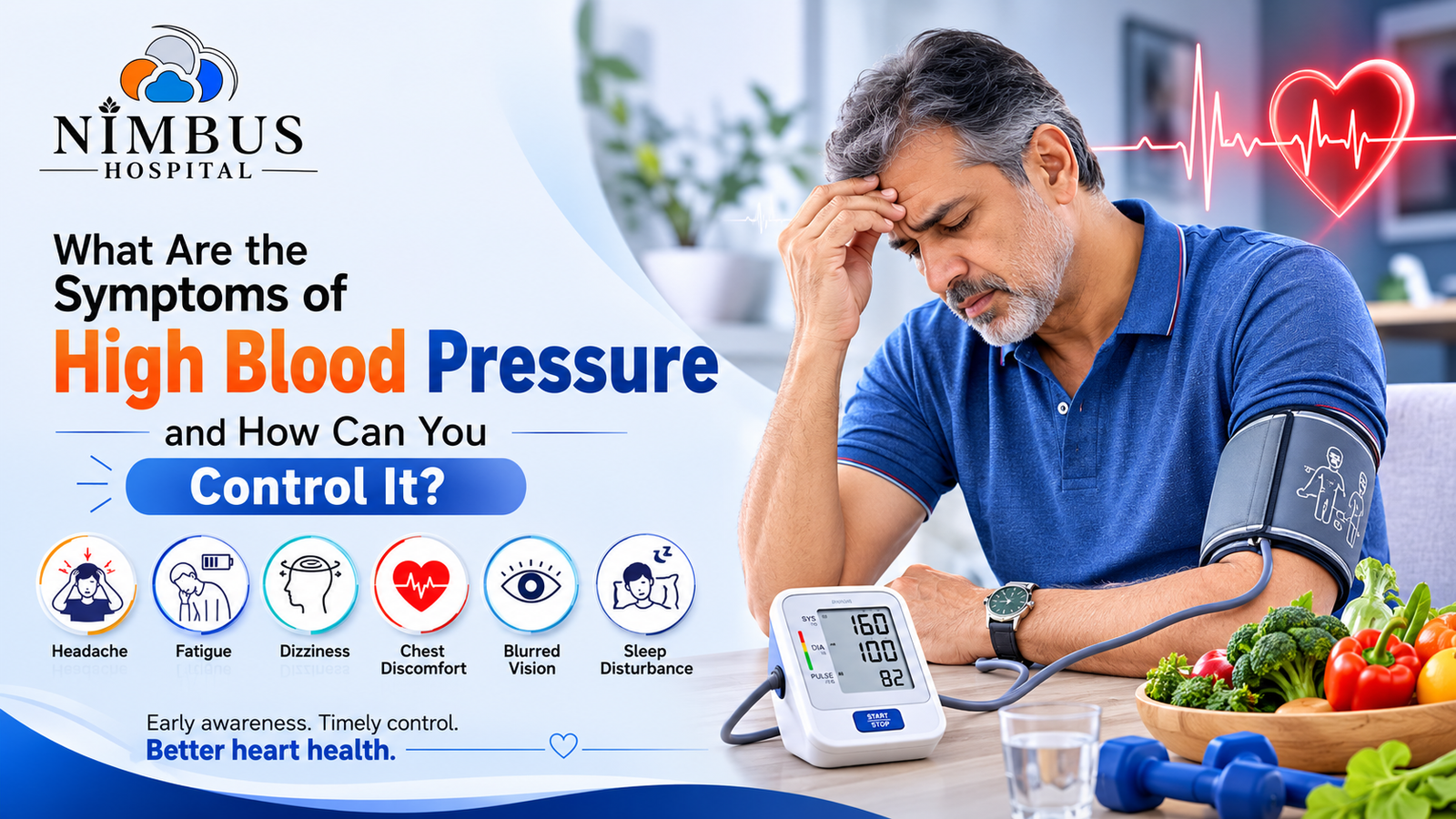
High blood pressure, also called hypertension, is often known as a “silent” condition because many people do not notice any clear symptoms. However, some people may experience headaches, dizziness, blurred vision, chest discomfort, palpitations, breathlessness or unusual fatigue. Regular BP monitoring is important, particularly if you have diabetes, kidney problems, excess weight, a family history of hypertension or an inactive lifestyle. For people looking for Blood Pressure Treatment in Solan, Nimbus Hospital provides BP evaluation, risk assessment, lifestyle guidance, prescribed medication and regular monitoring through its medical care services.
What Is High Blood Pressure?
Blood pressure is the force with which blood pushes against the walls of your arteries as the heart pumps blood around the body.
When blood pressure remains consistently high, it can place additional strain on the heart and blood vessels. Over time, uncontrolled hypertension can increase the risk of heart disease, stroke, kidney problems and other complications.
One important point is that a single high BP reading does not always mean you have hypertension. Doctors may recommend repeated readings, home monitoring or further assessment before confirming a diagnosis. Nimbus Hospital’s hypertension care focuses on accurate BP assessment, risk evaluation and a long-term control plan.
What Are the Symptoms of High Blood Pressure?
Many people with high blood pressure have no noticeable symptoms. That is why regular monitoring can be important even when you feel completely well.
When symptoms do occur, they may include:
1. Headache
Some people with elevated blood pressure may experience headaches. However, headaches have many possible causes, so having a headache alone does not mean that your BP is high.
If headaches are frequent, unusually severe or associated with other symptoms, it is better to have your blood pressure checked.
2. Dizziness
Feeling dizzy or light-headed can occur for many reasons, including dehydration, medication effects, low blood pressure and other health conditions.
If dizziness happens repeatedly or occurs alongside very high BP, chest discomfort, weakness or vision changes, medical evaluation is advisable.
3. Blurred Vision
Changes in blood pressure can sometimes be associated with vision problems. Persistent blurred vision should not be ignored because high blood pressure can affect the blood vessels supplying the eyes over time.
Sudden vision loss or major changes in vision require urgent medical attention.
4. Chest Discomfort or Palpitations
Some people with high BP may experience chest discomfort or a sensation of a fast or irregular heartbeat.
These symptoms should not automatically be attributed to blood pressure. They can also be related to heart conditions and therefore may require proper evaluation.
Nimbus Hospital provides cardiac and respiratory assessment for symptoms such as chest discomfort, palpitations and BP-related concerns, with ECG and Echo support when clinically required.
5. Breathlessness
Breathlessness can have several causes, including heart and lung conditions.
If you experience unusual breathlessness, particularly along with chest discomfort, dizziness or swelling in the feet, consult a doctor rather than assuming that it is simply due to high BP.
6. Fatigue
Persistent tiredness can be linked to many health conditions. When it occurs together with other symptoms or poorly controlled BP, it may be worth discussing with a doctor.
Nimbus Hospital’s MD Medicine department provides evaluation and long-term management for hypertension alongside other chronic conditions.
What Causes High Blood Pressure?
Hypertension usually develops from a combination of genetic, lifestyle and health-related factors.
Common risk factors include:
- Family history of high BP
- High-salt diet
- Being overweight
- Lack of physical activity
- Long-term stress
- Smoking
- Alcohol consumption
- Diabetes
- Kidney disease
- Increasing age
Nimbus Hospital’s hypertension information specifically highlights family history, high salt intake, excess weight, stress, low physical activity, smoking/alcohol, diabetes and kidney disease as factors that can increase risk.
How Can You Control High Blood Pressure?
Managing BP is usually a long-term process. The right approach depends on your BP readings, age, overall health, existing conditions and cardiovascular risk.
Reduce Salt Intake
Too much sodium can contribute to increased blood pressure in some people.
Try to reduce salty snacks, pickles, processed foods and foods with high amounts of added salt. Choose balanced meals with vegetables, fruits and other nutritious foods.
Nimbus Hospital recommends salt control and balanced eating as part of its BP management approach.
Stay Physically Active
Regular physical activity can support cardiovascular health and weight management.
For many people, daily walking can be a practical starting point. However, if you already have heart problems, severe hypertension or other medical conditions, discuss an appropriate exercise plan with your doctor first.
Maintain a Healthy Weight
If you are overweight, gradual weight management can support better blood pressure control.
A sustainable approach involving appropriate food choices and regular physical activity is generally more useful than extreme diets or quick-fix weight-loss plans.
Manage Stress
Long-term stress can make healthy routines more difficult and may affect blood pressure.
Simple habits such as regular sleep, physical activity, relaxation techniques and maintaining a consistent daily routine can support overall health.
Avoid Tobacco and Limit Alcohol
Smoking damages blood vessels and increases cardiovascular risk. Alcohol can also affect blood pressure, particularly when consumed excessively.
Avoiding tobacco and discussing alcohol intake with your doctor can be an important part of cardiovascular risk reduction.
Take Medicines as Prescribed
Some people can improve their BP significantly through lifestyle changes, while others require medication.
If your doctor prescribes BP medicine, take it according to the prescribed schedule. Do not stop or change your dose simply because your BP reading has become normal.
Nimbus Hospital specifically advises that BP medicines should only be stopped or adjusted under a doctor’s guidance because sudden discontinuation can cause a BP spike.
Why Regular BP Monitoring Matters
You can have high blood pressure without feeling sick.
This is why checking your BP periodically can be useful, especially if you have risk factors or have previously received a high reading.
Nimbus Hospital recommends repeat BP readings or home BP monitoring as part of hypertension evaluation and long-term management. Patients can also bring recent BP readings, medication details and previous reports to their consultation to help the doctor understand their condition.
How Is High Blood Pressure Evaluated at Nimbus Hospital?
The evaluation starts with understanding your BP readings, symptoms, medical history, medications and risk factors.
Depending on your condition, the doctor may recommend:
- Repeat BP measurements
- Home BP monitoring
- ECG
- Blood sugar testing
- Lipid profile
- Kidney function tests
- Urine analysis
- Eye examination
- Additional tests when required
Nimbus Hospital’s hypertension service lists these investigations as part of evaluating the cause of high BP and checking for possible complications.
Its diagnostic facilities also include a computerized laboratory, home sample collection, ECG and X-ray services.
Blood Pressure Treatment at Nimbus Hospital
Nimbus Hospital follows a personalised approach to hypertension management rather than treating every patient in exactly the same way.
The treatment plan may include lifestyle changes, dietary guidance, weight management, exercise advice, prescribed BP medicines and regular follow-up. Medication and dosage adjustments are based on BP readings and the doctor’s assessment.
The MD Medicine department manages hypertension as part of internal medicine care and provides detailed clinical evaluation, targeted investigations, personalised treatment and follow-up monitoring.
This approach is useful because high BP can occur alongside diabetes, obesity, kidney disease and other conditions that may also need attention.
Why Choose Nimbus Hospital for Blood Pressure Care?
Experienced Medical Care
Nimbus Hospital’s MD Medicine department provides care for adults and elderly patients and specifically manages hypertension, diabetes, thyroid disorders, obesity and other metabolic conditions.
Personalised Treatment
The hospital’s approach includes medication and lifestyle plans tailored to the patient’s condition, along with diet guidance and follow-up monitoring.
Diagnostic Facilities
Patients have access to a computerized laboratory, home sample collection, ECG, X-ray and other diagnostic services under the hospital’s broader healthcare setup.
Heart-Risk Evaluation
High BP is closely connected with cardiovascular risk. Nimbus Hospital’s cardiac and respiratory service provides heart-risk evaluation, including consideration of BP, cholesterol and diabetes-related risks.
24×7 Emergency Support
Nimbus Hospital provides emergency care around the clock, with immediate assessment, stabilisation, diagnostic support and ICU/HDU backup when required.
When Is High Blood Pressure an Emergency?
Very high BP accompanied by serious symptoms requires urgent medical attention.
Nimbus Hospital identifies symptoms such as:
- Severe headache with vomiting or confusion
- Chest pain
- Severe breathlessness
- Weakness or numbness
- Blurred vision or sudden vision loss
- Fainting
as warning signs requiring immediate care.
A BP reading around 180/120 mmHg or higher, particularly when accompanied by concerning symptoms, should not be managed casually at home. Seek urgent medical attention.
Final Thoughts
High blood pressure can remain unnoticed for years, which makes regular monitoring and early management important. Headaches, dizziness, blurred vision, chest discomfort, palpitations, breathlessness and fatigue can occur, but symptoms alone cannot confirm hypertension.
The best way to understand your BP is through proper measurement, medical evaluation and appropriate follow-up. Lifestyle habits such as reducing salt, staying active, maintaining a healthy weight, managing stress and avoiding tobacco can support BP control. Some patients may also need prescribed medicines.
For people searching for Blood Pressure Treatment in Solan, Nimbus Hospital provides hypertension evaluation, diagnostic support, personalised treatment, lifestyle guidance and regular monitoring through its MD Medicine and cardiac-care services.
If your BP is very high and you have chest pain, severe breathlessness, confusion, weakness, fainting or sudden vision problems, seek emergency medical care immediately. Nimbus Hospital provides 24×7 emergency support for serious medical situations.
FAQ’s
1. Can high BP have no symptoms?
Yes, many people have no noticeable symptoms.
2. What BP is considered very high?
A reading of 180/120 mmHg or higher needs urgent attention, especially with symptoms.
3. Can lifestyle changes lower BP?
Yes, healthy lifestyle changes can support better BP control.
4. Should I stop BP medicine when readings improve?
No. Change medicines only on your doctor’s advice.
5. How often should I check my BP?
Your doctor can recommend the right monitoring schedule for you.