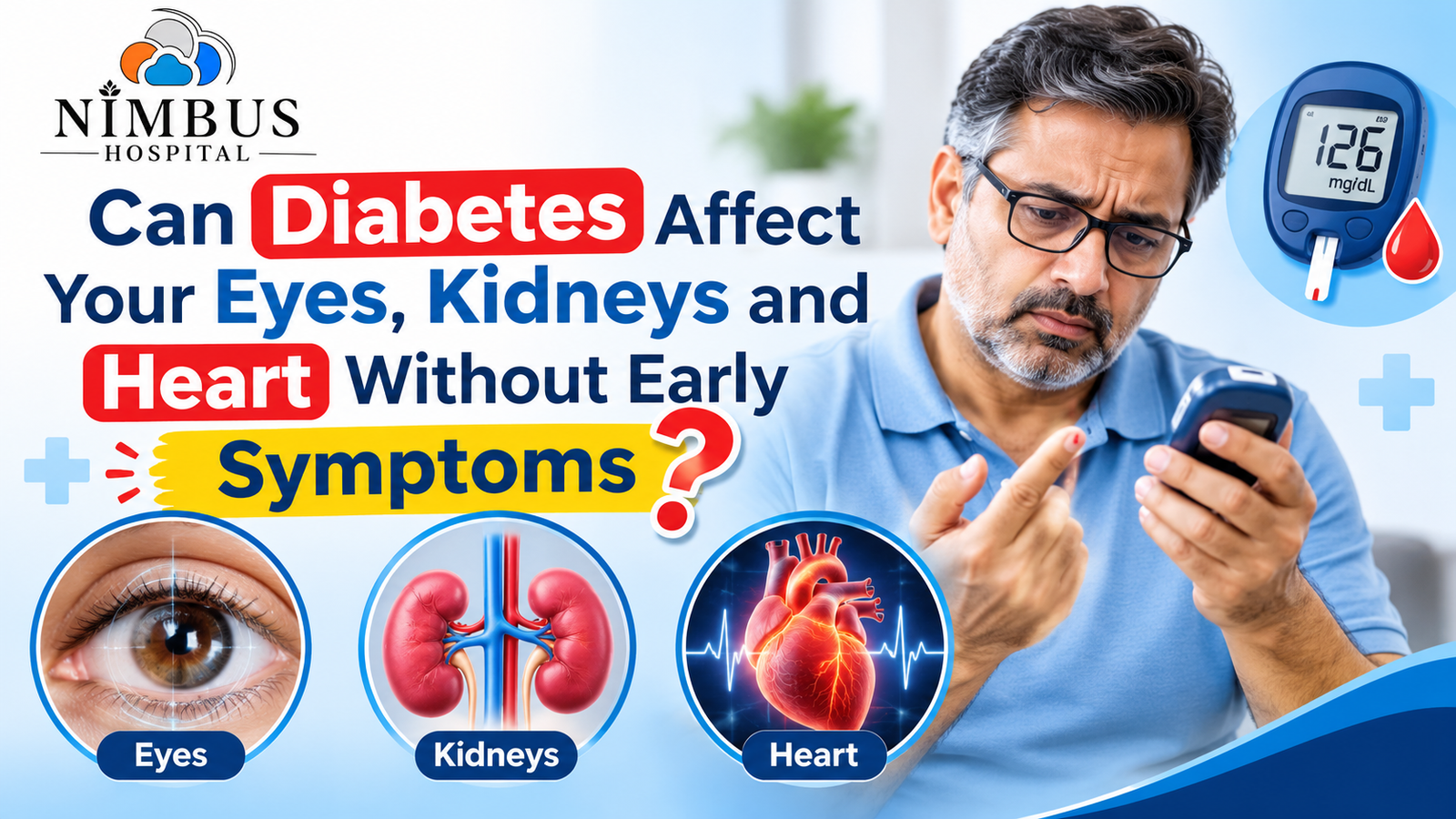
Have you ever wondered whether diabetes can damage your body even when you feel completely healthy? Many people believe that if they are not experiencing pain, blurred vision or unusual tiredness, their blood sugar must be under control. But is that really true? Unfortunately, diabetes can silently affect important organs such as the eyes, kidneys and heart, sometimes before you notice any warning signs. This is why early diagnosis and proper Diabetes Treatment in Solan are important for protecting your long-term health.
The biggest concern is that high blood sugar can gradually damage blood vessels and nerves. These changes may develop over several years without causing noticeable symptoms. By the time a person starts experiencing problems, some damage may already have occurred.
So, how does diabetes affect your eyes, kidneys and heart? Which tests can identify these complications early? And what can you do to protect yourself? Let’s understand.
1. Can Diabetes Damage Your Eyes Without Affecting Your Vision?
Yes! Diabetes can affect your eyes even when your vision seems perfectly normal.
When blood sugar remains high for a long time, it can damage the tiny blood vessels in the retina, which is the light-sensitive tissue at the back of your eye.
This condition is called diabetic retinopathy.
In its early stages, diabetic retinopathy may not cause pain or noticeable changes in eyesight. You might continue with your daily activities without realising that damage is developing inside your eyes.
As the condition progresses, you may experience:
- Blurred or distorted vision.
- Dark spots or floating shapes in your eyesight.
- Difficulty seeing clearly.
- Poor colour vision.
- Sudden changes in vision.
If left untreated, diabetic eye disease can lead to serious vision problems and even permanent vision loss.
What should you do?
If you have diabetes, do not wait until your eyesight becomes blurry before visiting an eye specialist. A comprehensive dilated eye examination can identify early changes that may not be visible through ordinary vision testing.
People with type 2 diabetes should generally have an eye examination at the time of diagnosis, followed by regular examinations as advised by their eye specialist.
2. Can Diabetes Affect Your Kidneys Without Causing Pain?
This is one of the most important complications people should understand.
Your kidneys work continuously to filter waste products and extra fluid from your blood. They contain millions of tiny filtering structures that help maintain the body’s fluid and chemical balance.
However, when blood sugar remains high for a long period, it can damage the small blood vessels inside these filtering structures.
This condition is known as diabetic kidney disease.
The worrying part? Early kidney damage often develops without noticeable symptoms. You may not experience pain, swelling or changes in urination during the initial stages.
As kidney function becomes worse, some people may experience:
- Swelling around the feet and ankles.
- Puffiness around the eyes.
- Changes in urination.
- Unusual tiredness.
- Loss of appetite.
- Nausea in more advanced disease.
However, these symptoms do not always appear, even when kidney damage is present.
Which tests help detect kidney problems?
Your doctor may recommend two important investigations:
Urine Albumin-to-Creatinine Ratio (UACR): This test checks whether small amounts of a protein called albumin are leaking into your urine. It can help identify early kidney damage.
Estimated Glomerular Filtration Rate (eGFR): This is calculated using a blood creatinine test and helps assess how effectively your kidneys are filtering waste.
People with type 2 diabetes should generally have kidney function checked at least once a year. For type 1 diabetes, annual screening usually starts after five years of diagnosis. Your doctor may recommend more frequent testing depending on your condition.
3. Can Diabetes Increase Your Risk of Heart Disease Without Warning Signs?
Yes! Diabetes can increase your risk of developing serious heart and blood vessel problems, even when you feel healthy.
When blood sugar remains elevated, it can damage blood vessels and contribute to the development of plaque inside arteries. Diabetes is also frequently associated with high blood pressure and unhealthy cholesterol levels, which further increase cardiovascular risk.
Over time, these changes can increase the chances of:
- Coronary artery disease.
- Heart attack.
- Heart failure.
- Stroke.
- Poor blood circulation.
One reason this complication is concerning is that some people with diabetes may not experience typical warning signs of heart disease.
Others may experience unusual symptoms such as breathlessness, nausea, sweating or unexplained fatigue rather than obvious chest pain.
However, never assume that these symptoms are caused by diabetes alone.
How can you protect your heart?
Regular medical checkups can help identify cardiovascular risk factors before serious complications develop.
Your doctor may recommend:
- Blood pressure monitoring.
- Cholesterol testing.
- HbA1c testing.
- ECG when clinically indicated.
- Weight and cardiovascular risk assessment.
If you experience chest pain, severe breathlessness, fainting or sudden weakness, seek emergency medical care immediately.
4. Why Does Diabetes Cause Problems in Multiple Organs?
Have you ever wondered why one condition can affect your eyes, kidneys and heart at the same time?
The answer lies in the way diabetes affects blood vessels and nerves.
When glucose levels remain higher than the recommended range over time, excess glucose can damage the inner lining of blood vessels. This can interfere with normal circulation and affect organs that depend on healthy blood supply.
There are several reasons why complications may develop:
Long-Term High Blood Sugar: Persistently elevated glucose levels can damage small and large blood vessels.
High Blood Pressure: Diabetes and hypertension often occur together. Both conditions can increase the risk of heart and kidney problems.
Abnormal Cholesterol: Unhealthy cholesterol levels can contribute to plaque buildup in arteries.
Insulin Resistance: When the body cannot use insulin effectively, managing blood glucose becomes more difficult.
Smoking and Physical Inactivity: These lifestyle factors can further increase cardiovascular and metabolic risks.
This is why diabetes management should not focus only on checking blood sugar. Your overall health, blood pressure, cholesterol, kidney function and eye health also matter.
5. What Tests Should People With Diabetes Get Regularly?
If you have diabetes, regular testing is one of the best ways to identify possible complications before they become serious.
But which tests should you actually discuss with your doctor?
Here are some important investigations:
HbA1c Test: This measures your average blood sugar over approximately the previous two to three months and helps assess long-term glucose control.
Fasting and Post-Meal Blood Sugar: These tests help monitor glucose levels at different times.
Kidney Function Test: Blood creatinine and eGFR help assess kidney function.
Urine Albumin Test: This checks for early signs of kidney damage.
Comprehensive Eye Examination: A dilated retinal examination helps detect diabetic retinopathy and other eye problems.
Lipid Profile: This measures cholesterol and triglyceride levels to help assess cardiovascular risk.
Blood Pressure Check: Regular BP monitoring is important because hypertension can increase the risk of diabetes-related complications.
Not everyone requires the same testing schedule. Your doctor will recommend investigations according to your age, diabetes type, medical history and existing health conditions.
6. How Can You Prevent Diabetes From Damaging Your Eyes, Kidneys and Heart?
The good news is that appropriate diabetes management can significantly reduce the risk of complications.
You do not need to make extreme lifestyle changes overnight. Consistent daily habits and regular medical follow-ups can make a meaningful difference.
Here are some practical steps:
1. Monitor Your Blood Sugar: Check your glucose levels as advised by your doctor and maintain a record of your readings.
2. Follow a Balanced Diet: Include vegetables, fibre-rich foods, suitable protein sources and controlled portions of carbohydrates.
3. Stay Physically Active: Regular walking and suitable exercise can improve insulin sensitivity and support cardiovascular health.
4. Control Blood Pressure: Monitor your BP regularly and follow prescribed treatment if you have hypertension.
5. Maintain Healthy Cholesterol: Follow dietary recommendations and take medication if prescribed.
6. Avoid Smoking: Smoking increases the risk of blood vessel damage and cardiovascular complications.
7. Attend Regular Checkups: Do not skip eye examinations, kidney tests and other recommended health screenings.
Most importantly, never stop diabetes medication because your blood sugar readings have improved without discussing it with your doctor.
Why Choose Nimbus Hospital for Diabetes Care?
Managing diabetes involves much more than reducing sugar in your diet. It requires regular monitoring, medical evaluation, lifestyle guidance and a treatment plan based on your individual health needs.
At Nimbus Hospital, Solan, diabetes management is supported through the MD Medicine department, diagnostic facilities and long-term chronic disease care.
Based on the hospital’s published services, patients can access:
1. MD Medicine Consultation: Medical evaluation and management of diabetes, hypertension, thyroid disorders and other metabolic conditions.
2. Diagnostic Facilities: A fully computerised pathology laboratory for blood sugar profiles and other investigations recommended by the doctor.
3. Personalised Treatment Plans: Treatment recommendations based on blood glucose readings, medical history and individual health requirements.
4. Diet and Lifestyle Guidance: Support with healthy eating habits, physical activity and daily diabetes management.
5. Regular Follow-Up: Ongoing monitoring to review treatment response and help maintain better blood sugar control.
6. Comprehensive Healthcare: Medical services for associated conditions, including hypertension and heart-related health concerns.
For people looking for Diabetes Treatment in Solan, Nimbus Hospital offers medical consultation, diagnostic support and ongoing diabetes management through its MD Medicine services.
If you have diabetes, do not wait for symptoms to appear before getting your eyes, kidneys and heart checked.
Final Thoughts
Can diabetes affect your eyes, kidneys and heart without early symptoms? Absolutely. High blood sugar can gradually damage blood vessels and affect important organs even when you feel completely normal.
This is why waiting for pain, vision changes or other warning signs is not a safe approach to diabetes management.
Regular HbA1c testing, kidney function assessments, eye examinations, blood pressure monitoring and cholesterol checks can help identify potential complications early.
Remember, managing diabetes is not just about controlling your sugar levels. It is also about protecting your heart, kidneys, eyes and overall health for the future.
FAQ’s
1. Can diabetes damage your eyes without symptoms?
Yes, diabetic retinopathy can develop without noticeable changes in vision.
2. How does diabetes affect kidney function?
Long-term high blood sugar can damage kidney filters and reduce their function.
3. Can diabetes cause heart problems without chest pain?
Yes, some people experience less typical or no obvious warning symptoms.
4. Which test detects early diabetic kidney damage?
A urine albumin-to-creatinine ratio (UACR) test helps detect early kidney damage.
5. How often should diabetics get an eye test?
Most people need a comprehensive eye examination at least once a year, as advised by their eye specialist.