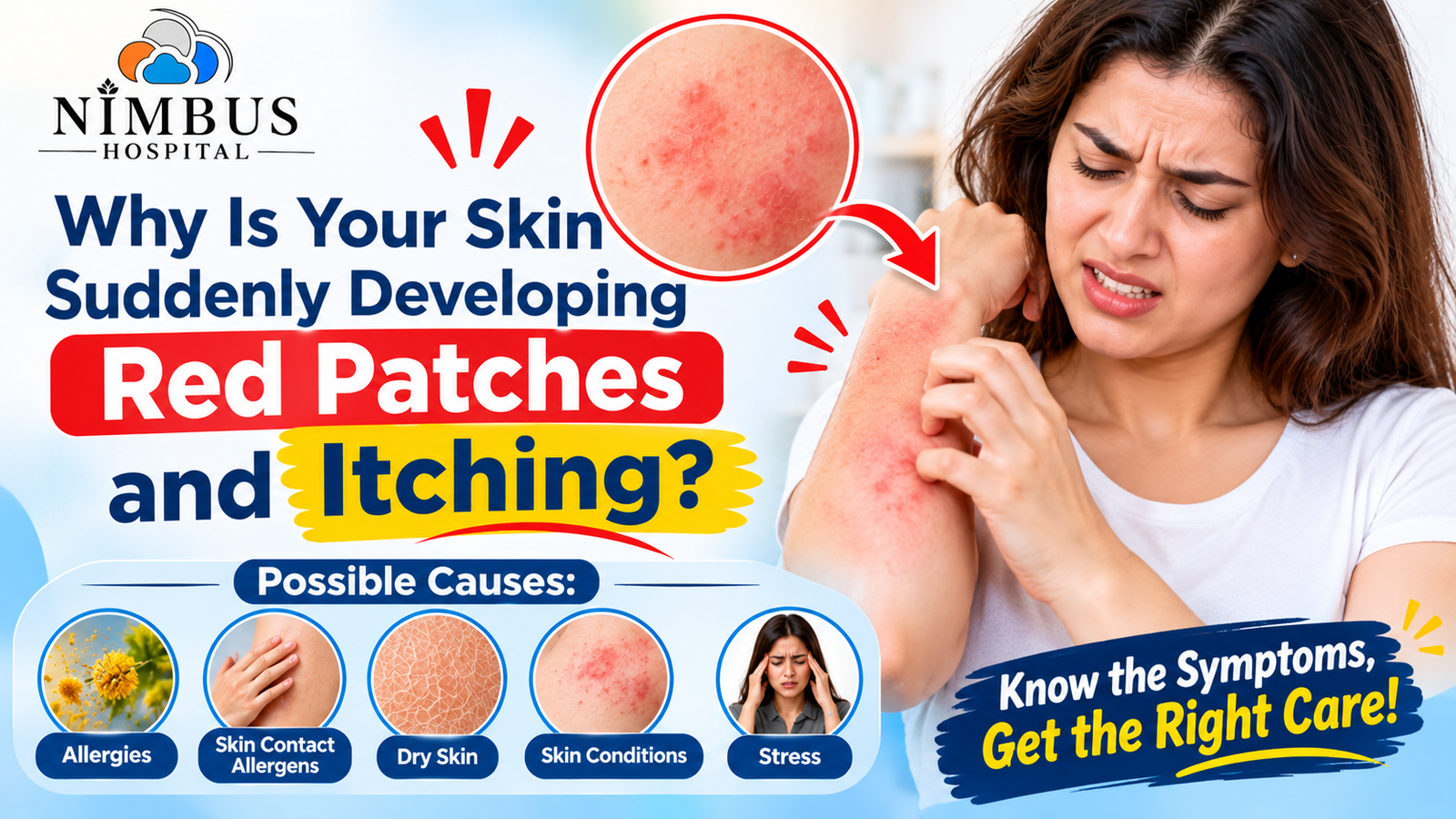
Have you suddenly noticed red patches on your skin along with itching, irritation or small bumps? A skin rash can appear on your face, neck, arms, hands, legs or other parts of the body. Sometimes it settles within a few hours, while in other cases it keeps returning or gradually spreads.
There can be several reasons behind these changes, including skin allergies, eczema, fungal infections, hives or contact with irritating products. Finding the actual cause is important because different skin conditions require different treatments. If the problem continues or keeps coming back, consulting a doctor for Skin Disease Treatment in Solan can help you understand what is affecting your skin.
What Causes Sudden Red Patches and Itching?
Red, itchy patches are a symptom rather than a specific disease. The appearance of the rash, where it develops and how long it lasts can help a doctor identify the possible cause.
Here are some common reasons:
1. Skin Allergy
A skin allergy can develop when your immune system reacts to a substance that does not usually cause a problem for most people. It may lead to redness, itching, swelling, small bumps or raised patches.
Common triggers include:
- Dust and pollen
- Certain foods or medicines
- Perfumes and scented products
- Cosmetics and skincare creams
- Some metals, including nickel
The reaction may appear shortly after exposure or take some time to develop. Avoiding the suspected trigger can help prevent further irritation, but the cause is not always easy to identify.
2. Contact Dermatitis
Have you recently changed your soap, detergent, shampoo or body lotion? These products may contain ingredients that irritate your skin or trigger an allergic reaction.
Contact dermatitis commonly causes redness, itching, dryness and sometimes small blisters. It usually develops in areas that come into contact with the irritating substance.
For example, a new wristwatch may cause irritation around the wrist, while a skincare product may lead to redness on the face. Stopping the suspected product and getting medical advice can help prevent the problem from worsening.
3. Eczema
Eczema is a skin condition that causes dryness, inflammation and persistent itching. The affected area may become rough, scaly, cracked or swollen. Some people experience flare-ups that improve and return over time.
Eczema can affect different parts of the body, including the hands, face, neck and skin folds. Dry weather, harsh soaps, sweating and certain irritants may make symptoms worse.
Regular moisturising and following a suitable treatment plan can help manage symptoms. Avoid scratching because it can damage the skin and increase the risk of infection.
4. Fungal Skin Infection
Fungal infections are another common reason for itchy red patches. They often develop in warm, moist areas of the body, such as the groin, feet, underarms and skin folds.
Some fungal infections cause circular or ring-shaped patches with a scaly edge. Others may appear as red, irritated areas with itching and peeling.
Sweating, tight clothing, shared towels and damp skin can increase the chances of fungal infections. Using the wrong cream may also delay proper treatment, so it is important to get the condition checked rather than assuming every itchy rash is an allergy.
5. Hives or Urticaria
Hives are raised, itchy patches or bumps that can appear suddenly. They may look red or similar to the surrounding skin, depending on your skin tone.
These patches can change shape, disappear and appear in another area. Some episodes settle within hours, although new patches may continue to develop.
Hives can be associated with allergies, infections, medicines and other triggers. If they occur with swelling of the lips or tongue, or difficulty breathing, seek emergency medical care immediately.
Why Does Skin Itching Become Worse at Night?
Many people notice that their skin starts itching more when they go to bed. This can happen because of dry skin, eczema, irritation from bedding or increased awareness of itching when there are fewer distractions.
Other possible reasons include:
- Dry room conditions or hot showers
- Sweating under heavy blankets
- Irritation from detergent used to wash bedsheets
- Existing eczema or other itchy skin conditions
- Certain skin infections or infestations
If night-time itching regularly disturbs your sleep, do not ignore it. A medical examination can help identify whether the problem is related to dryness, allergy, infection or another condition.
When Should You Be Concerned About Red Patches?
Not every skin rash is serious, but certain symptoms need medical attention. Pay attention if you notice:
- Red patches spreading quickly across your body
- Severe or continuous itching
- Pain, swelling or warmth around the affected skin
- Blisters, open sores or pus
- Yellow crusting or other signs of infection
- Fever along with a skin rash
- Itching that affects your sleep or daily activities
Seek emergency medical help if a sudden rash is accompanied by breathing difficulty, trouble swallowing, or swelling of the face, lips or tongue.
How Can You Take Care of Itchy and Irritated Skin?
A few simple habits may help reduce irritation while you arrange an appropriate medical evaluation.
Use gentle skincare products: Choose mild, fragrance-free cleansers and avoid harsh soaps or products that cause burning.
Keep your skin moisturised: Apply a suitable moisturiser, especially if your skin feels dry or tight.
Avoid scratching: Scratching can damage the skin and make irritation worse. A cool, damp cloth may provide temporary relief.
Wear comfortable clothing: Loose cotton clothes can reduce friction and help manage sweating.
Keep the affected area clean and dry: This is particularly important in areas where moisture and sweat collect.
Avoid self-medication: Do not apply random steroid, antibiotic or combination creams without medical advice. The wrong treatment may worsen or hide certain skin infections.
These steps may help with mild irritation, but they do not replace proper diagnosis and treatment.
How Are Red Patches and Itching Diagnosed?
A doctor usually starts by examining the affected area and asking questions about your symptoms. You may be asked when the rash started, whether it spreads, what makes the itching worse and whether you have recently changed any skincare or household products.
Depending on the symptoms, further evaluation may include:
- Examination of the rash’s appearance and location
- Reviewing recent medicines and possible allergy triggers
- Skin scraping or other tests if a fungal infection is suspected
- Allergy-related testing when clinically appropriate
- Blood tests or a skin biopsy in selected cases
The tests depend on the suspected condition. Not everyone with a rash needs the same investigations.
Why Choose Nimbus Hospital for Skin Disease Treatment in Solan?
Skin problems can affect your comfort, sleep and confidence. At Nimbus Hospital, the skin conditions care service focuses on evaluating common concerns such as itching, rashes, eczema, hives, fungal infections and pigmentation.
The approach includes clinical examination, checking for possible allergy or infection-related causes, and recommending treatment according to the condition. Additional tests may be advised when needed.
The aim is to identify the reason behind the symptoms and provide suitable guidance for Skin Disease Treatment in Solan and prevention. If you are experiencing repeated itching, unexplained red patches or a skin problem that is not improving, you can contact Nimbus Hospital to discuss an appropriate consultation.
Final Thoughts
Sudden red patches and itching can develop due to several reasons, from simple skin irritation to eczema, allergies, hives or fungal infections. The appearance of a rash alone may not be enough to identify its cause.
Avoid suspected irritants, follow gentle skincare habits and seek medical advice if symptoms persist, spread or become uncomfortable. Getting the right diagnosis early can help you manage the condition more effectively and reduce the chances of repeated flare-ups.
FAQ’s
1. Why do red itchy patches suddenly appear on the skin?
They may develop due to allergies, eczema, contact dermatitis, hives or infections.
2. Can stress cause red patches and itching?
Stress may worsen some existing skin conditions, including eczema and hives.
3. Are itchy red patches always a sign of an allergy?
No. Fungal infections, eczema and other skin conditions can cause similar symptoms.
4. When should I consult a doctor for skin itching?
Seek advice if itching persists, spreads, becomes severe or affects your sleep.
5. Can fungal infections cause red patches?
Yes. Some fungal infections cause itchy, red and scaly patches on the skin.