Fever is one of the body’s common responses to infection, but a very high fever or fever that keeps getting worse should not always be treated as a minor illness. Viral infections, throat or chest infections, urinary infections, stomach infections, and illnesses such as dengue, typhoid or malaria can cause fever. At Nimbus Hospital, patients looking for Best Fever Treatment in Solan can receive medical evaluation, appropriate diagnostic tests and a treatment plan based on the suspected cause.
What Is Considered a High Fever?
A fever means that the body’s temperature is higher than normal. The seriousness of a fever depends not only on the temperature but also on the person’s age, overall health, duration of fever and other symptoms.
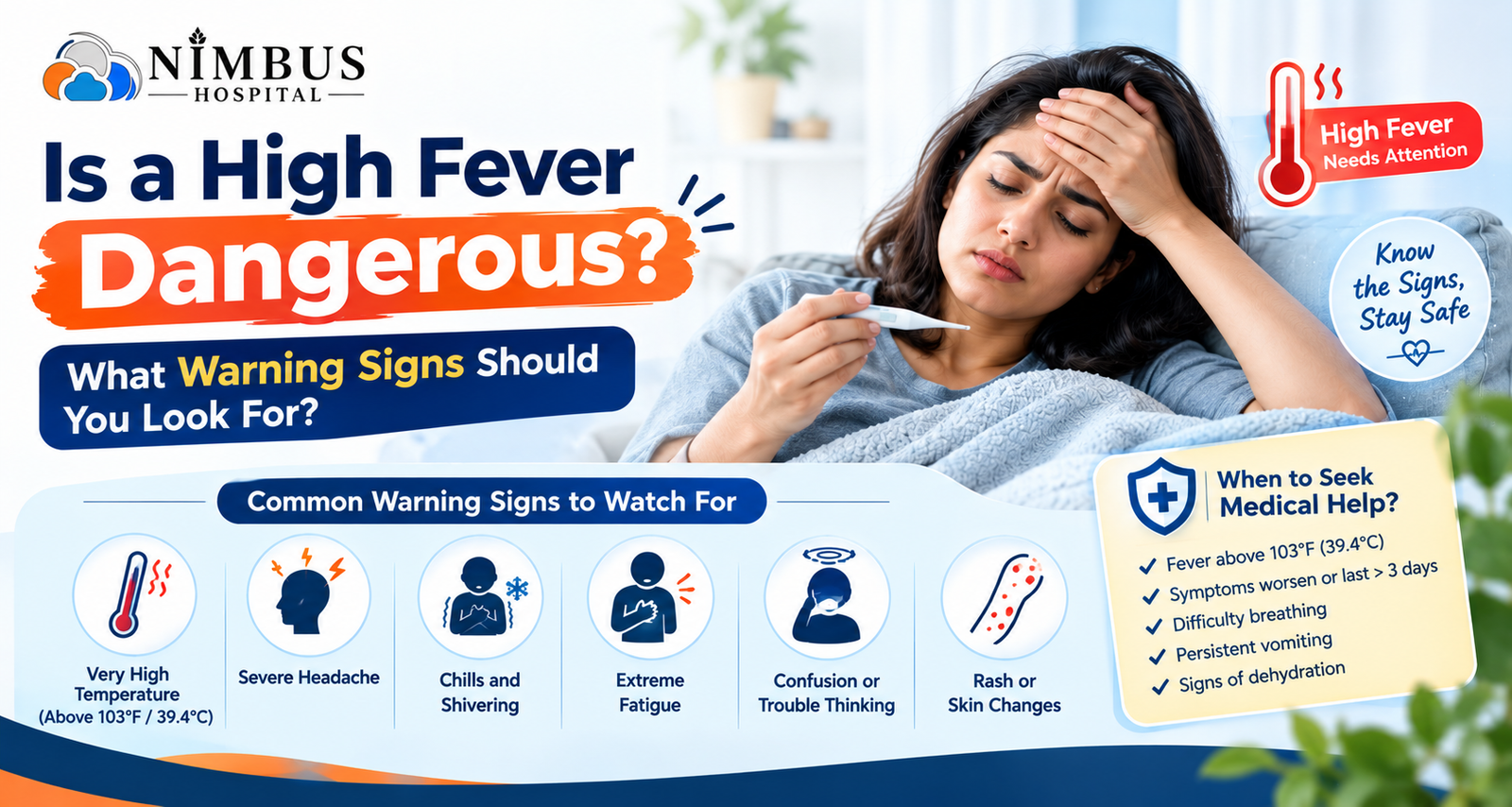
A high or persistent fever may be more concerning when it is accompanied by:
- Severe weakness
- Persistent vomiting
- Dehydration
- Breathing difficulty
- Confusion or unusual drowsiness
- Severe headache
- Skin rash or bleeding
- Severe abdominal pain
- Chest pain
Nimbus Hospital advises medical evaluation when fever is very high, lasts more than three days, or symptoms are getting worse.
What Can Cause a High Fever?
Fever is a symptom rather than a disease itself. Finding the underlying cause is important before deciding on treatment.
1. Viral Infections
Common viral illnesses such as flu and other seasonal infections can cause fever, chills, body aches, headache, tiredness, cough or sore throat.
2. Bacterial Infections
Some bacterial infections can cause persistent or high fever. Depending on symptoms, doctors may investigate conditions such as urinary tract infections, throat infections or bacterial chest infections.
3. Dengue, Typhoid or Malaria
In areas or seasons where these infections are suspected, appropriate testing may be recommended. Symptoms and medical history help the doctor decide which tests are appropriate.
4. Gastrointestinal Infections
Food- or water-borne infections can cause fever along with loose motions, vomiting, stomach pain or weakness.
Nimbus Hospital’s fever and infection service covers viral fever, throat/chest infections, UTI, gastrointestinal infections and suspected dengue, typhoid or malaria.
Warning Signs of Fever You Should Never Ignore
A fever needs urgent medical attention when it is accompanied by symptoms suggesting dehydration, breathing problems, neurological changes or serious infection.
Severe Breathing Difficulty
If fever is accompanied by severe breathlessness, breathing distress or bluish lips, seek urgent medical care.
Confusion or Fainting
Confusion, fainting or unusual changes in alertness can be serious warning signs and should not be ignored.
Persistent Vomiting or Dehydration
Repeated vomiting, very low urine output, extreme weakness or difficulty maintaining fluids may indicate significant dehydration.
Bleeding or Worsening Rash
Bleeding from the nose or gums, red spots on the skin or a rapidly worsening rash with fever requires prompt medical evaluation.
Severe Abdominal Pain
Severe abdominal pain along with fever may require urgent assessment, particularly when the pain is worsening or associated with vomiting.
Nimbus Hospital specifically lists severe breathlessness, chest pain with fever, confusion, fainting, severe dehydration, persistent vomiting, bleeding signs and severe abdominal pain among warning signs requiring urgent evaluation.
How Do Doctors Find the Cause of Fever?
The right treatment depends on identifying the likely source of infection. During consultation, the doctor may ask about the duration of fever, associated symptoms, recent travel, food or water exposure, medications and previous health conditions.
Depending on the symptoms, investigations may include:
- CBC and platelet count
- CRP or ESR
- Urine testing
- Dengue testing
- Malaria testing
- Typhoid testing
- Chest X-ray when required
- Culture tests when indicated
Nimbus Hospital recommends tests according to the patient’s symptoms and duration rather than using the same investigations for every fever case.
The hospital also has a computerized pathology laboratory, X-ray, ECG and other diagnostic facilities, supporting evaluation and treatment under one roof.
How Is Fever Treated?
There is no single treatment for every type of fever. Treatment depends on the underlying cause.
Fever Control and Symptom Relief
Doctors may recommend appropriate fever-control medication and supportive care based on the patient’s condition.
Hydration and Rest
Drinking adequate fluids, taking rest and maintaining nutrition can support recovery. ORS, water or other suitable fluids may be recommended depending on the symptoms.
Antibiotics Only When Appropriate
Antibiotics are not required for every fever. They should be used when a bacterial infection is suspected or confirmed and prescribed by a doctor.
Treatment of the Underlying Infection
If testing suggests a particular infection, treatment can be adjusted accordingly. For example, suspected dengue, typhoid or another infection may require specific medical management and monitoring.
Why Choose Nimbus Hospital for Fever Treatment?
Fever can have many causes, so simply reducing the temperature may not be enough. Nimbus Hospital follows a structured medical approach that includes clinical evaluation, targeted investigations when required, diagnosis, treatment and follow-up.
Patients can access:
- MD Medicine specialist consultation
- Fever and infection management
- Blood and urine testing
- Infection-related diagnostic support
- Personalised treatment plans
- Hydration guidance
- Monitoring when required
- 24×7 emergency support
- ICU/HDU backup for critical cases
The hospital’s MD Medicine department also manages viral fever, infections and seasonal illnesses as part of adult medical care.
What Can You Do at Home During Fever?
For mild fever without warning signs, supportive care may help while monitoring symptoms.
- Drink adequate fluids
- Take sufficient rest
- Keep track of your temperature
- Eat light, easily tolerated food
- Follow prescribed medicines
- Monitor for new or worsening symptoms
Avoid starting antibiotics on your own or taking multiple fever medicines randomly. Nimbus Hospital specifically advises against self-starting antibiotics and recommends consultation if fever lasts more than three days or is worsening.
When Should You Visit an Emergency Department?
Do not wait for a routine appointment if fever is accompanied by severe symptoms such as:
- Severe breathing difficulty
- Chest pain
- Bluish lips or low-oxygen signs
- Confusion or fainting
- Persistent vomiting
- Severe dehydration
- Heavy bleeding
- Seizures
- Severe abdominal pain
Nimbus Hospital provides 24×7 emergency services with rapid triage, stabilisation, diagnostic support and ICU/HDU backup when required.
Final Thoughts
A high fever does not always mean a dangerous illness, but the accompanying symptoms and duration matter. Viral infections may settle with supportive care, while bacterial or other infections may require specific treatment. Persistent or worsening fever should be evaluated rather than repeatedly managed with self-medication.
If you need Best Fever Treatment in Solan, Nimbus Hospital provides medical evaluation, diagnostic support, evidence-based treatment and follow-up care. Early assessment can help iddentify the cause of fever and ensure that warning signs are not overlooked.
FAQ’s
1. Is a high fever always dangerous?
No. Its seriousness depends on the cause, duration, temperature and accompanying symptoms.
2. When should I see a doctor for fever?
Consult a doctor if fever lasts more than three days or keeps getting worse.
3. Can dengue cause high fever?
Yes. Dengue can cause high fever and requires medical assessment when suspected.
4. Can fever cause dehydration?
Yes. Fever, vomiting or diarrhea can increase the risk of dehydration.
5. When is fever an emergency?
Fever with breathing difficulty, confusion, severe dehydration, bleeding or persistent vomiting needs urgent evaluation.