The condition of our heart is closely connected to the way we live every day. What we eat, how active we are, and how we deal with stress all influence heart health. When unhealthy habits continue for years, they may gradually increase the risk of heart disease and other conditions related to cardiovascular disease.
The good news is that small but consistent lifestyle changes can make a big difference. By improving daily habits, many people can lower their chances of developing serious heart problems and support better long term health.
Understanding Heart Disease
The heart works constantly to circulate blood throughout the body. If blood vessels become narrow or damaged, the heart has to work harder to maintain proper blood flow. Over time, this extra strain may lead to different forms of heart disease.
In many cases, early heart disease symptoms are mild and may not seem serious. People may notice fatigue, slight breathlessness, or discomfort in the chest during physical activity. Paying attention to these signs and improving lifestyle habits early can help protect heart health.
How Diet Influences Heart Health
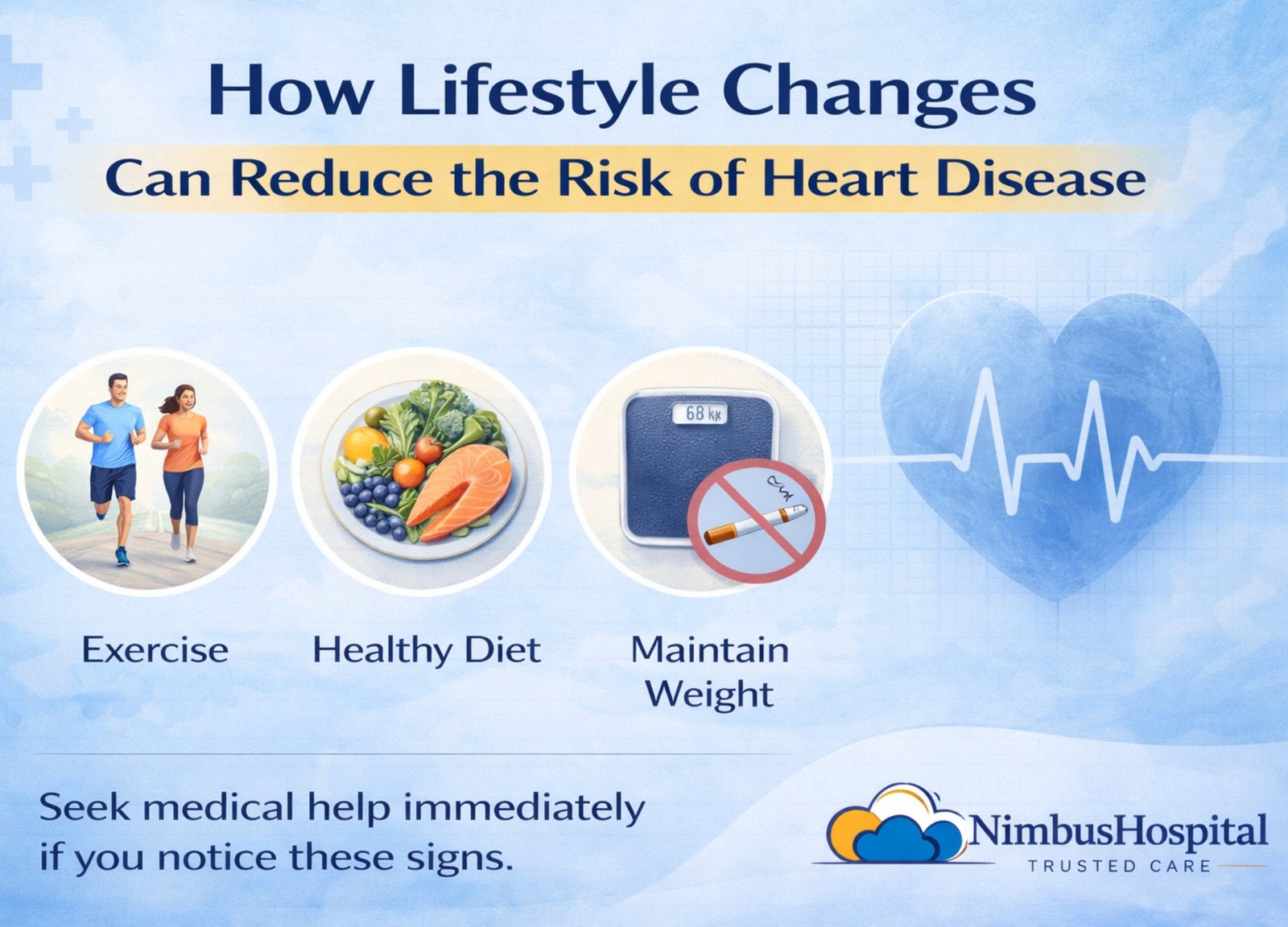
Food choices play a major role in maintaining a healthy heart. Eating balanced meals helps control cholesterol levels and supports healthy blood pressure.
Some healthy dietary habits include:
- Eating more fresh fruits and vegetables
- Choosing whole grains instead of refined foods
- Including lean proteins such as fish, beans, or legumes
- Reducing foods high in salt, sugar and unhealthy fats
Following these habits regularly may help lower the risk of developing conditions linked to cardiovascular disease.
Importance of Regular Physical Activity
Physical activity helps keep the heart strong and improves blood circulation. Exercise also supports healthy weight management and reduces stress levels.
Simple activities such as walking, cycling or light workouts can benefit heart health when practiced consistently. Staying active is one of the most effective ways to reduce the risk of future heart issues.
Managing Stress and Emotional Health
Stress is another factor that can affect the heart. When stress continues for a long time, it may contribute to higher blood pressure and place additional strain on the cardiovascular system.
Practices such as meditation, breathing exercises, and spending time relaxing can help reduce stress levels and support overall well being.
Avoiding Harmful Habits
Certain habits significantly increase the chances of developing heart problems. Smoking, for example, damages blood vessels and affects blood circulation.
Avoiding tobacco and limiting alcohol consumption can help protect the heart and reduce the likelihood of long-term heart disease.
Importance of Regular Health Checkups
Routine medical checkups play an important role in preventing serious heart conditions. Doctors can monitor blood pressure, cholesterol levels and other factors that influence heart health.
Early identification of possible heart disease symptoms allows individuals to take preventive steps and receive proper medical advice before complications develop.
Conclusion
Lifestyle habits have a powerful influence on heart health. Small changes such as eating balanced meals, staying physically active, managing stress and avoiding harmful habits can help reduce the risk of heart disease.
By adopting healthier routines and paying attention to early warning signs, individuals can protect themselves from serious complications related to cardiovascular disease and maintain better overall well-being.
🌐 For consultations and appointments, visit:
https://nimbushospital.in/