
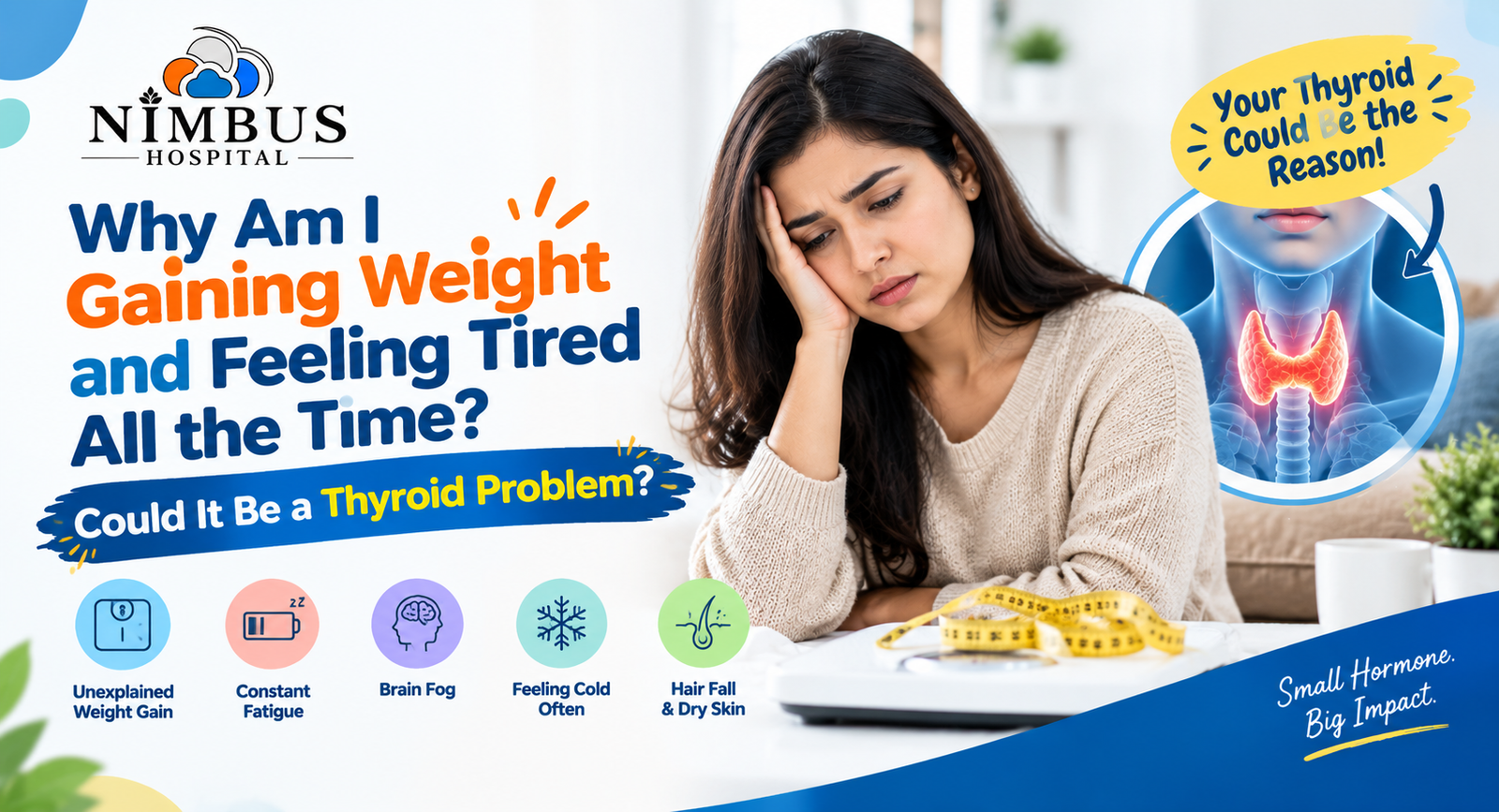
Gaining weight without making major changes to your diet or routine can be frustrating, especially when it happens along with constant tiredness. While weight gain and fatigue can have many causes, an underactive thyroid is one possibility that should not be overlooked.
The thyroid is a small, butterfly-shaped gland in the neck that produces hormones involved in metabolism, energy, temperature regulation, and several other body functions. When the thyroid does not produce enough hormones, a condition called hypothyroidism can develop. If these symptoms are persistent, timely Thyroid Treatment in Solan can help identify the cause and manage the condition appropriately.
How Can a Thyroid Problem Cause Weight Gain?
Thyroid hormones help regulate the body’s metabolism. When thyroid hormone levels are too low, the body’s processes can slow down.
This may result in:
- Gradual or unexplained weight gain
- Difficulty losing weight despite lifestyle changes
- Feeling sluggish or lacking energy
- Increased sensitivity to cold
- Constipation
- Dry skin
- Changes in hair texture or hair loss
Thyroid-related weight gain is often moderate and may also be influenced by fluid retention and other changes associated with hypothyroidism.
Why Does Hypothyroidism Make You Feel Tired?
Persistent fatigue is one of the common symptoms of an underactive thyroid.
When thyroid hormone levels are low, the body’s metabolism slows. You may feel tired even after getting enough sleep and may find normal activities more difficult than before.
Some people describe it as feeling unusually sluggish, lacking motivation, or having less physical and mental energy throughout the day.
However, tiredness does not always mean you have a thyroid disorder. Poor sleep, stress, anaemia, nutritional deficiencies, infections, diabetes, and other medical conditions can also cause fatigue.
Other Symptoms of an Underactive Thyroid
Weight gain and tiredness may occur together with several other symptoms.
Feeling Cold More Often
You may feel colder than people around you or have difficulty staying warm.
Constipation
Slower body processes can affect bowel movements and may lead to constipation.
Dry Skin
Some people develop dry, rough, or flaky skin.
Hair Changes
Hair may become dry or brittle, and increased hair fall can occur.
Mood Changes
Some people experience low mood, difficulty concentrating, or reduced mental alertness.
Changes in Menstrual Periods
Women with thyroid problems may experience changes in menstrual flow or cycle patterns.
Not everyone experiences the same combination of symptoms. Some people may have only mild symptoms, particularly during the early stages.
What Causes an Underactive Thyroid?
Several conditions can lead to hypothyroidism. One common cause is an autoimmune condition in which the body’s immune system attacks the thyroid gland.
Other possible causes include:
- Certain thyroid diseases
- Previous thyroid surgery
- Radiation treatment involving the neck
- Some medications
- Iodine imbalance in certain situations
- Problems involving the pituitary gland
A proper medical evaluation is needed to determine the underlying cause.
How Is a Thyroid Problem Diagnosed?
Symptoms alone cannot confirm hypothyroidism. Blood tests are generally needed to assess thyroid function.
A doctor may recommend tests such as:
- TSH (Thyroid-Stimulating Hormone)
- Free T4
- Thyroid antibody tests when an autoimmune cause is suspected
The doctor may also review your symptoms, medical history, medications, and other health conditions.
Testing is particularly important because symptoms such as fatigue, weight gain, constipation, and dry skin can occur in several different conditions.
Can Thyroid Problems Be Treated?
Yes. Hypothyroidism is commonly managed with thyroid hormone replacement medication.
The appropriate dose varies from person to person. Your doctor may monitor your thyroid blood tests and adjust the dose when necessary.
Treatment is usually long-term for many people, particularly when the thyroid is permanently underactive. Taking medication exactly as prescribed and attending follow-up appointments helps maintain appropriate hormone levels.
You should not start, stop, or change thyroid medication without medical advice.
Can Lifestyle Changes Help With Thyroid-Related Weight Gain?
Lifestyle habits can support overall health, but they do not replace thyroid treatment when medication is medically necessary.
Helpful habits may include:
- Eating a balanced diet
- Staying physically active
- Getting adequate sleep
- Managing stress
- Taking prescribed medication consistently
- Attending recommended follow-up tests
If thyroid hormone levels are not adequately controlled, losing weight may remain difficult even with healthy lifestyle changes. That is why identifying and treating the underlying thyroid problem is important.
When Should You See a Doctor?
Consider consulting a doctor if you have unexplained weight gain along with persistent tiredness, particularly if you also notice constipation, feeling unusually cold, dry skin, hair changes, or menstrual irregularities.
You should also seek medical advice if fatigue continues for several weeks or begins affecting your work, exercise, sleep, or daily activities.
A medical evaluation can determine whether your symptoms are related to the thyroid or another condition.
Thyroid Care at Nimbus Hospital
Nimbus Hospital provides medical care for thyroid disorders through clinical assessment, diagnostic testing, personalised treatment, medication management, and follow-up care. Its MD Medicine services also cover conditions such as diabetes, obesity, hypertension, and metabolic problems that may occur alongside thyroid concerns.
For people seeking Thyroid Treatment in Solan, consulting a qualified doctor can help identify the cause of weight gain and fatigue and determine whether thyroid testing or treatment is appropriate.
Final Thoughts
Unexplained weight gain and constant tiredness can sometimes be linked to an underactive thyroid, but these symptoms can also have many other causes. The only way to know whether your thyroid is involved is through proper medical evaluation and appropriate blood tests.
If you have noticed ongoing changes in your weight, energy levels, digestion, skin, hair, or sensitivity to cold, do not simply blame them on a busy routine. Speaking with a doctor can help identify the underlying cause and guide the right treatment.
FAQs
1. Can hypothyroidism cause weight gain?
Yes, an underactive thyroid can contribute to weight gain and difficulty losing weight.
2. Does thyroid disease cause constant tiredness?
Yes, fatigue and low energy are common symptoms of hypothyroidism.
3. Which test checks thyroid function?
TSH and Free T4 blood tests are commonly used to evaluate thyroid function.
4. Can thyroid problems cause constipation?
Yes, constipation can occur when thyroid hormone levels are too low.
5. Is hypothyroidism treatable?
Yes, it can usually be managed effectively with appropriate thyroid hormone replacement.