Wheezing and difficulty breathing can be uncomfortable and worrying, especially when they happen repeatedly. A whistling sound while breathing, chest tightness, or feeling unable to take a deep breath may sometimes indicate asthma. However, these symptoms can also occur with allergies, respiratory infections, COPD, or other lung conditions.
Asthma is a condition in which the airways become inflamed and narrowed, making it harder for air to move in and out of the lungs. If breathing symptoms keep returning, seeking Asthma Treatment in Solan can help identify the cause and provide appropriate treatment.
What Does Asthma Feel Like?
Asthma symptoms can vary from person to person. Some people experience mild symptoms occasionally, while others may have frequent or severe breathing problems.
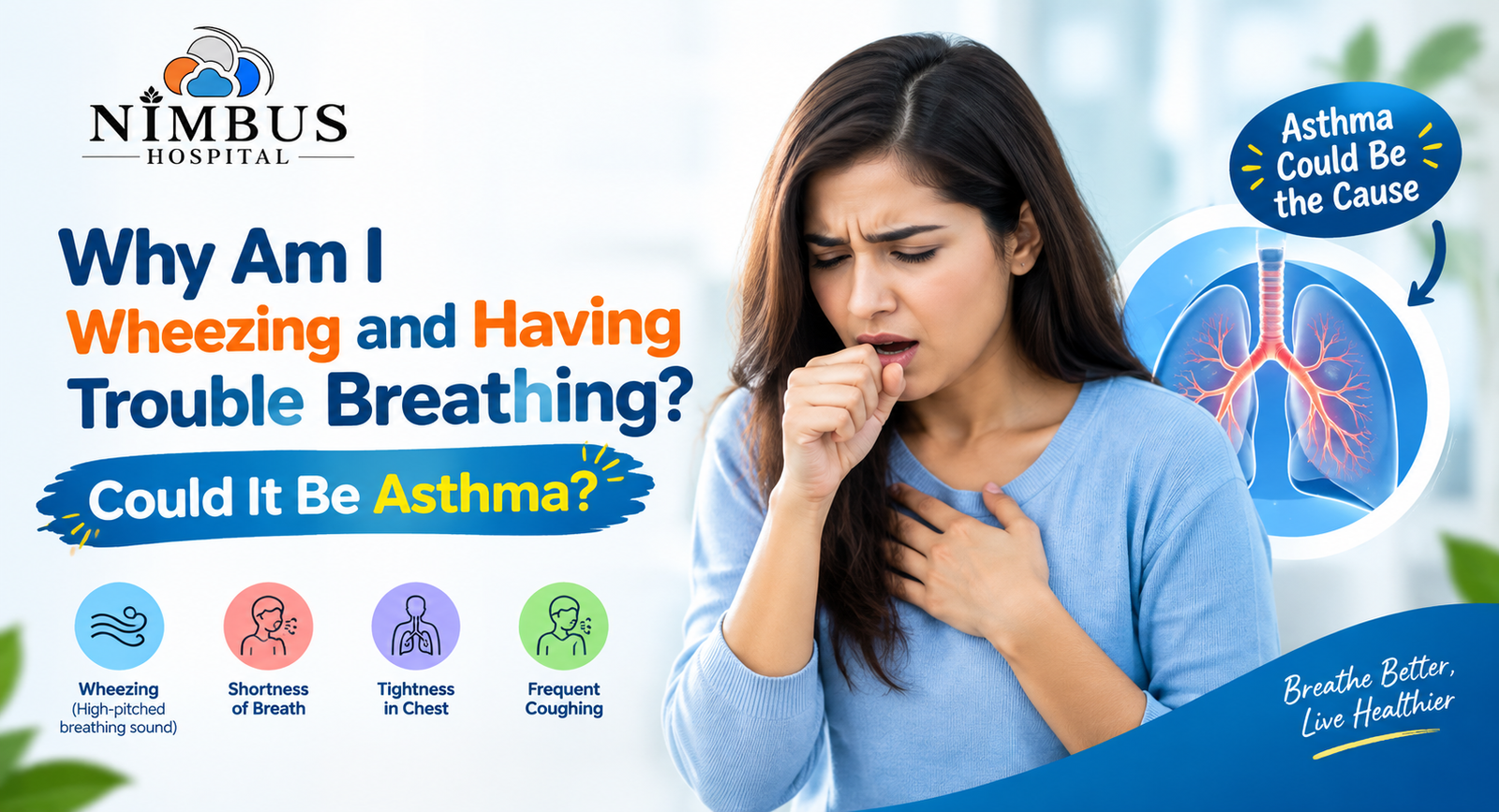
Common symptoms include:
- Wheezing or a whistling sound while breathing
- Shortness of breath
- Chest tightness
- Coughing, particularly at night or early morning
- Difficulty breathing during exercise
- Symptoms that become worse around certain triggers
Symptoms may come and go. You might feel completely normal between episodes, which is one reason asthma can sometimes go unnoticed.
Why Does Asthma Cause Wheezing?
Wheezing happens when air moves through narrowed airways. During an asthma episode, the airways can become inflamed and swollen. The muscles surrounding them may also tighten, while increased mucus can further restrict airflow.
This combination can produce the characteristic whistling sound, particularly when breathing out.
However, wheezing does not automatically mean you have asthma. Other respiratory conditions can cause similar symptoms, so proper evaluation is important.
Common Asthma Triggers
Asthma symptoms can be triggered by different factors. Common triggers include:
Dust and Pollution
Dust, smoke, and air pollution can irritate sensitive airways and trigger coughing or breathing difficulty.
Allergies
Pollen, pet dander, dust mites, and other allergens may cause symptoms in people with allergic asthma.
Cold Air and Weather Changes
Some people notice increased coughing, wheezing, or breathlessness when exposed to cold air or sudden weather changes.
Respiratory Infections
Colds and other respiratory infections can temporarily worsen airway inflammation and trigger asthma symptoms.
Physical Activity
Exercise can cause breathing symptoms in some people, particularly when asthma is not well controlled.
Knowing your triggers can help you reduce exposure and manage symptoms more effectively.
How Can You Tell If It Is Asthma?
Asthma cannot always be diagnosed from symptoms alone. A doctor will usually consider your symptoms, medical history, possible triggers, and physical examination.
Lung-function testing may be recommended when appropriate. Pulmonary function tests (PFTs) can help assess how well your lungs are working and whether airflow is restricted.
The doctor may also ask:
- When did your symptoms begin?
- How often do you wheeze?
- Are symptoms worse at night?
- Do dust, smoke, weather changes, or exercise trigger symptoms?
- Have you needed an inhaler before?
- Do you have a history of allergies or respiratory infections?
This information helps distinguish asthma from other causes of breathing difficulty.
How Is Asthma Treated?
Asthma treatment depends on the severity and frequency of symptoms. The goal is to control inflammation, prevent attacks, and help you maintain normal daily activities.
Inhaler Treatment
Inhaled medicines are commonly used for asthma. Depending on your condition, a doctor may prescribe a controller medicine, a reliever inhaler, or a combination.
Using an inhaler correctly is important. Your doctor or healthcare professional can demonstrate the correct technique.
Nebulization
Nebulization may be used under medical supervision when symptoms require it. It delivers medication in a mist that can be inhaled directly into the lungs.
Trigger Management
Reducing exposure to known triggers can help prevent symptoms. This may involve avoiding cigarette smoke, reducing dust exposure, managing allergies, or taking precautions during periods of high pollution.
Regular Monitoring
Asthma can change over time. Regular follow-up helps determine whether treatment is controlling symptoms adequately and whether adjustments are needed.
When Is Wheezing an Emergency?
Not every episode of wheezing is an emergency, but severe breathing difficulty should never be ignored.
Seek urgent medical attention if you experience:
- Severe breathlessness even while resting
- Difficulty speaking because of breathlessness
- Bluish lips or fingertips
- Rapidly worsening breathing
- Severe chest tightness
- Repeated asthma attacks that are not improving
A severe asthma attack can become dangerous quickly and may require emergency treatment.
Can Asthma Be Controlled?
Yes. With appropriate diagnosis, treatment, trigger management, and regular monitoring, many people with asthma can lead active and normal lives.
The important thing is not to ignore recurring symptoms. Frequent wheezing or increasing dependence on a reliever inhaler may indicate that your asthma is not adequately controlled.
Avoid changing or stopping prescribed asthma medication without discussing it with your doctor.
Asthma Care at Nimbus Hospital
Nimbus Hospital provides respiratory care that includes evaluation of asthma symptoms, clinical assessment, pulmonary function testing when required, inhaler-based treatment, nebulization under supervision, trigger management, and follow-up.
The hospital’s respiratory services are designed to assess symptoms such as wheezing, persistent cough, chest tightness, and breathlessness while helping identify whether asthma or another respiratory condition may be responsible.
For patients seeking Asthma Treatment in Solan, timely medical evaluation can help identify triggers, confirm the diagnosis, and develop an appropriate treatment plan.
Final Thoughts
Wheezing and trouble breathing can have several causes, and asthma is only one possibility. If your symptoms repeatedly occur after exposure to dust, smoke, allergens, cold air, exercise, or respiratory infections, it is worth discussing them with a doctor.
Early evaluation can help identify the underlying problem and ensure that breathing symptoms are managed appropriately. Do not ignore severe or rapidly worsening breathlessness seek emergency medical care when necessary.
FAQs
1. Is wheezing always caused by asthma?
No. Allergies, infections, COPD, and other respiratory conditions can also cause wheezing.
2. Can asthma cause breathing problems at night?
Yes. Coughing and breathing difficulty may become worse during the night or early morning.
3. What triggers asthma attacks?
Dust, smoke, pollution, allergies, cold air, infections, and exercise can trigger symptoms.
4. Can asthma be completely cured?
Asthma is usually managed rather than permanently cured, with symptoms controlled through appropriate care.
5. When should wheezing be treated as an emergency?
Severe breathlessness, difficulty speaking, bluish lips, or rapidly worsening symptoms require urgent care.