Asthma symptoms can appear suddenly or become worse after exposure to certain triggers. For some people, dust or pollution may cause wheezing, while others may notice symptoms after exercise, cold air, allergies, or a respiratory infection. Understanding what triggers your symptoms is one of the most useful steps toward better asthma control.
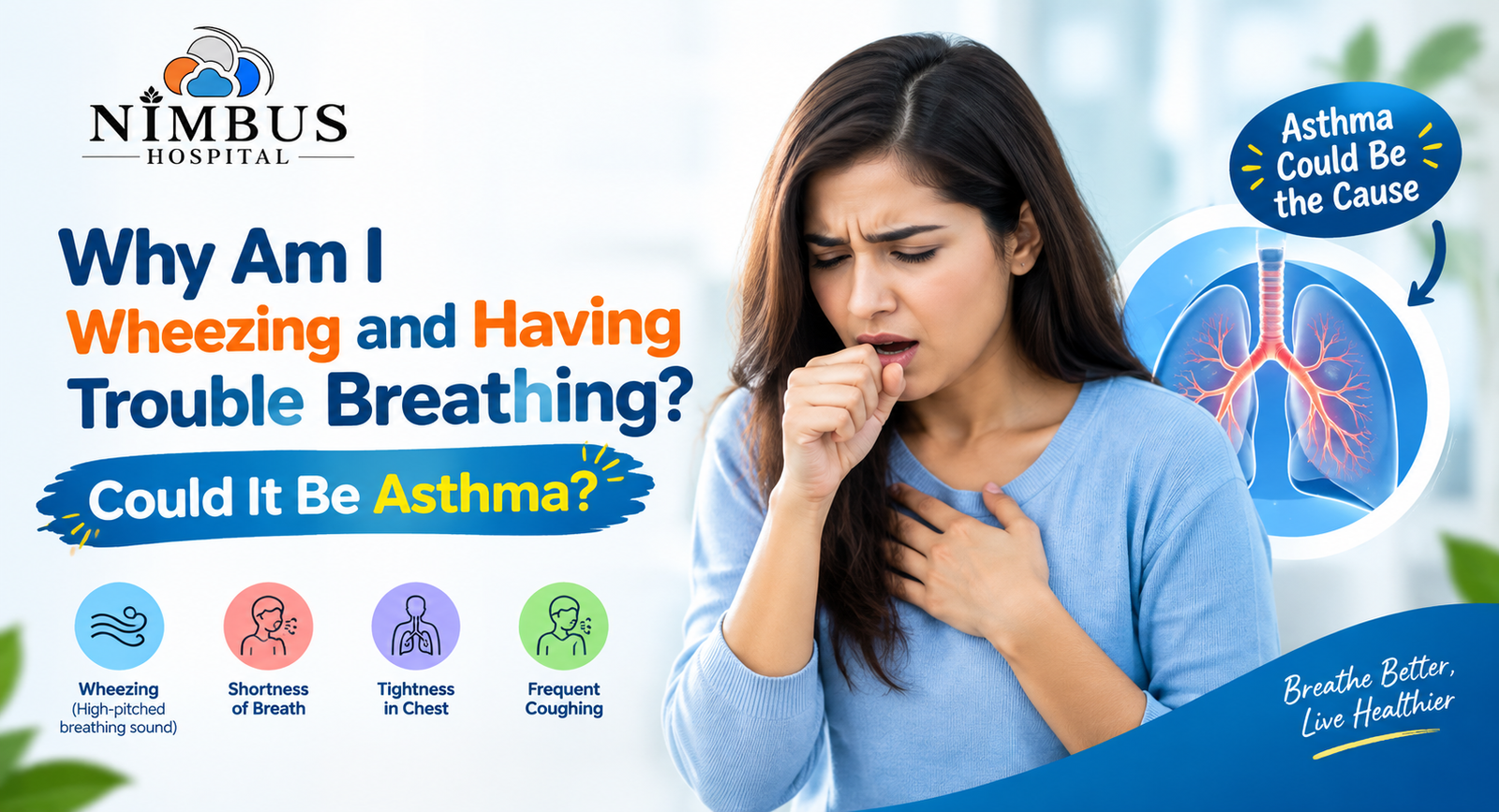
Asthma causes inflammation and narrowing of the airways, which can make breathing difficult. If you experience repeated coughing, wheezing, chest tightness, or breathlessness, proper Asthma Treatment in Solan can help identify your triggers and manage your symptoms effectively.
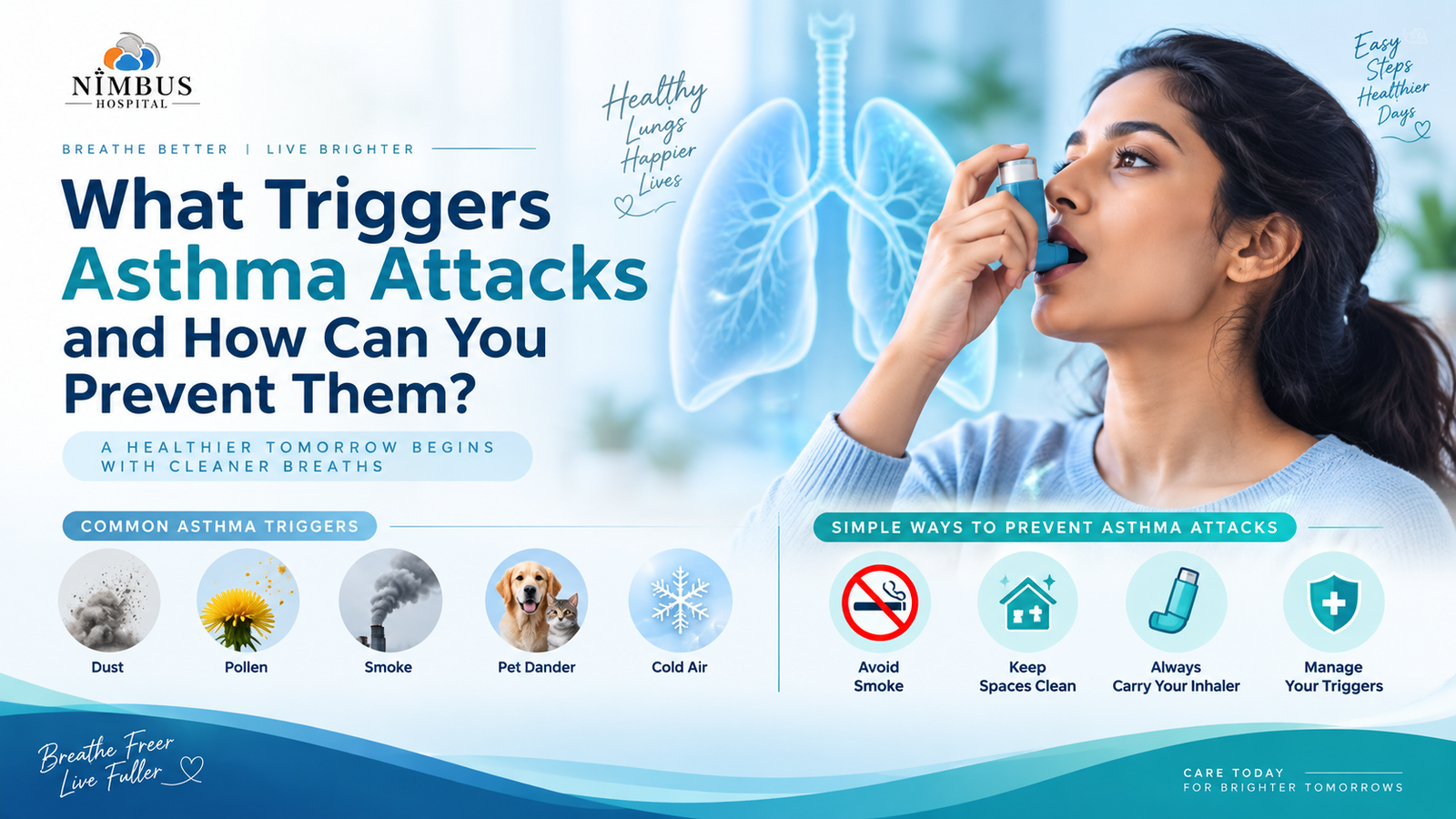
What Can Trigger an Asthma Attack?
Asthma triggers are not the same for everyone. Keeping track of when symptoms occur can help you recognise your personal triggers.
1. Dust and Dust Mites
Household dust and dust mites are common asthma triggers. Mattresses, carpets, curtains, cushions, and bedding can collect dust and allergens.
Regular cleaning, washing bedding, and reducing dust accumulation may help limit exposure.
2. Smoke and Air Pollution
Cigarette smoke, vehicle pollution, burning waste, and other forms of smoke can irritate the airways.
Avoiding smoking and staying away from second-hand smoke can help. During periods of poor air quality, reducing prolonged outdoor exposure may also be useful.
3. Pollen and Other Allergens
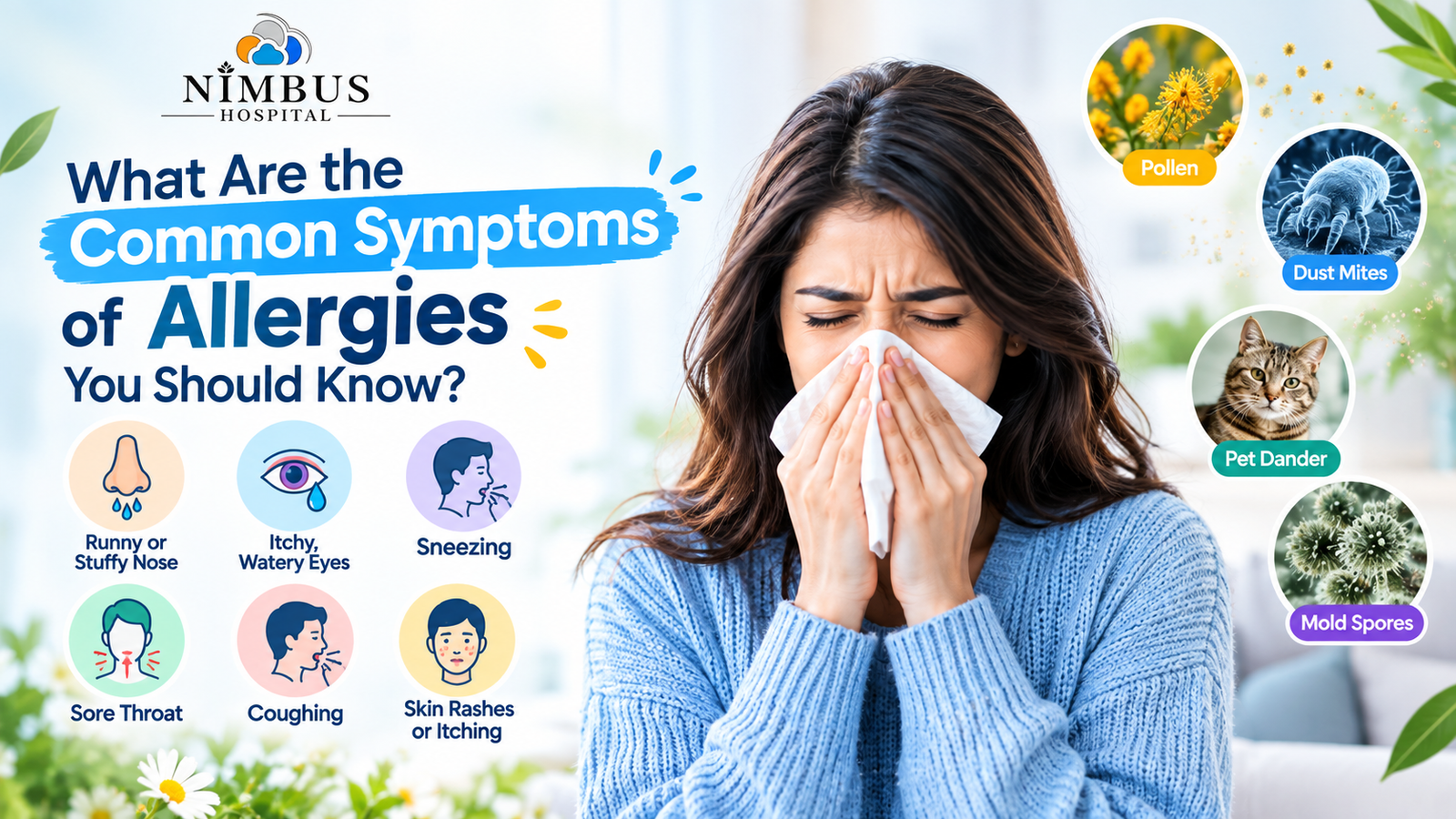
Pollen from trees, grass, and plants can trigger asthma symptoms in people with allergic asthma. Pet dander and mould may also cause problems.
If symptoms regularly become worse during particular seasons or after exposure to animals, discuss this pattern with your doctor.
4. Cold Air and Weather Changes
Breathing cold, dry air can irritate sensitive airways. Sudden weather changes may also worsen symptoms in some people.
Covering your nose and mouth in cold weather and avoiding sudden exposure to very cold air may help reduce irritation.
5. Respiratory Infections
Colds, flu, and other respiratory infections can trigger asthma flare-ups.
If you have asthma, pay attention to worsening cough, wheezing, chest tightness, or breathlessness during an infection and follow the treatment plan provided by your doctor.
6. Exercise
Physical activity can sometimes trigger asthma symptoms, particularly when asthma is not well controlled.
However, people with asthma should not automatically avoid exercise. With proper asthma management and appropriate guidance, many people can remain physically active.
7. Strong Smells and Chemical Fumes
Perfumes, cleaning products, paints, sprays, and workplace chemicals can irritate the airways in some people.
If you notice symptoms after exposure to a particular product, try to reduce exposure and discuss the pattern with a healthcare professional.
8. Stress and Strong Emotions
Stress, anxiety, laughing, or intense emotional situations can sometimes contribute to asthma symptoms. These factors may affect breathing patterns and can act as triggers for some individuals.
Managing stress and maintaining good asthma control can help reduce the impact of these triggers.
How Can You Prevent Asthma Attacks?
You cannot always avoid every asthma trigger, but several practical steps can reduce your risk.
Know Your Personal Triggers
Keep a simple record of when symptoms occur. Note activities, weather conditions, foods, environmental exposure, and infections that may have occurred before an attack.
Over time, this can help you identify patterns.
Keep Your Home Low in Dust
Clean surfaces regularly and wash bedding frequently. If dust is a known trigger, reducing carpets, heavy curtains, and other dust-collecting materials may help.
Avoid Smoke
Do not smoke, and avoid being around cigarette or other types of smoke. Smoke exposure can significantly irritate the airways.
Follow Your Prescribed Treatment
If your doctor has prescribed controller or reliever inhalers, use them according to the recommended instructions. Do not stop regular asthma medication simply because you feel better.
Correct inhaler technique is also important. If you are unsure whether you are using your inhaler correctly, ask a healthcare professional to demonstrate the technique.
Be Prepared for Flare-Ups
People with recurring asthma symptoms may benefit from an asthma action plan. This can explain which medicines to use, what symptoms indicate worsening asthma, and when medical help is needed.
When Should You See a Doctor?
You should seek medical advice if:
- Asthma symptoms are becoming more frequent
- You regularly wake up coughing or breathless
- You need your reliever inhaler more often than usual
- Exercise repeatedly causes breathing problems
- You experience frequent wheezing
- Symptoms interfere with work, sleep, or daily activities
Increasing symptoms may indicate that your asthma is not adequately controlled and that your treatment needs to be reviewed.
How Is Asthma Diagnosed?
A doctor may evaluate your symptoms, medical history, possible triggers, and breathing pattern. Depending on your symptoms, pulmonary function testing such as a PFT may be recommended.
Testing can help assess lung function and distinguish asthma from other conditions that may cause wheezing or breathlessness.
What Treatment Is Available for Asthma?
Asthma treatment depends on the severity and frequency of symptoms.
Treatment may include:
- Controller inhalers to reduce airway inflammation
- Reliever medicines for quick symptom relief
- Nebulization when medically required
- Trigger avoidance
- Breathing and respiratory exercises
- Regular monitoring and follow-up
The right treatment plan varies between individuals. Medicines should be used as prescribed rather than based on someone else’s asthma treatment.
When Is an Asthma Attack an Emergency?
Some asthma attacks can become severe and require immediate medical attention.
Seek emergency care if you experience:
- Severe breathlessness at rest
- Difficulty speaking because of breathing problems
- Bluish lips or fingertips
- Rapidly worsening symptoms
- Severe chest tightness
- Symptoms that are not improving with your prescribed reliever treatment
Do not wait for symptoms to become unbearable before seeking emergency help.
Asthma Care at Nimbus Hospital
Nimbus Hospital provides respiratory care for conditions such as asthma and COPD. Its approach includes clinical assessment, pulmonary function testing when required, inhaler-based treatment, supervised nebulization when needed, trigger management, and regular follow-up.
The hospital’s respiratory services can help evaluate symptoms such as wheezing, persistent cough, chest tightness, and breathlessness and determine an appropriate management plan.
For patients seeking Asthma Treatment in Solan, timely evaluation can help identify triggers and improve long-term symptom control.
Final Thoughts
Asthma attacks can be triggered by many different factors, including dust, smoke, pollution, allergens, cold air, infections, exercise, and strong smells. The key is to understand your personal triggers and follow a treatment plan designed for your condition.
Asthma does not have to prevent you from living an active life. With appropriate medical care, trigger management, correct inhaler use, and regular follow-up, symptoms can often be controlled effectively.
If your asthma symptoms are becoming more frequent or severe, speak with a doctor instead of increasing or changing medication on your own.
FAQs
1. What is the most common asthma trigger?
Dust, smoke, pollution, allergens, infections, and weather changes can trigger asthma.
2. Can cold air trigger asthma?
Yes, cold and dry air can irritate sensitive airways and worsen symptoms.
3. Can exercise cause asthma attacks?
Exercise can trigger symptoms in some people, especially when asthma is poorly controlled.
4. How can asthma attacks be prevented?
Identify triggers, avoid smoke, follow prescribed treatment, and maintain regular follow-up.
5. When is an asthma attack an emergency?
Severe breathlessness, blue lips, or difficulty speaking requires immediate medical attention.