
Breathing difficulty can be worrying, especially when it keeps coming back or becomes worse during physical activity. Asthma and COPD (chronic obstructive pulmonary disease) are two common conditions that can cause breathlessness, coughing and wheezing, but they are not the same. Their causes, symptom patterns and treatment approaches can differ. Understanding the differences can help you know when to seek medical advice. If you are experiencing repeated breathing problems, getting evaluated by a qualified doctor is important for the right diagnosis and appropriate Asthma Treatment in Solan.
What Is Asthma?
Asthma is a condition in which the airways become sensitive and can become inflamed or narrowed. This may make it harder for air to move in and out of the lungs.
Asthma symptoms can appear occasionally or frequently and may be triggered by factors such as:
- Dust and pollution
- Smoke
- Pollen
- Pet allergens
- Cold air
- Weather changes
- Respiratory infections
- Exercise
Common asthma symptoms include wheezing, chest tightness, coughing and shortness of breath. Symptoms may become worse at night or early in the morning in some people.
What Is COPD?
COPD is a long-term lung condition that causes persistent airflow limitation. It commonly includes conditions such as chronic bronchitis and emphysema.
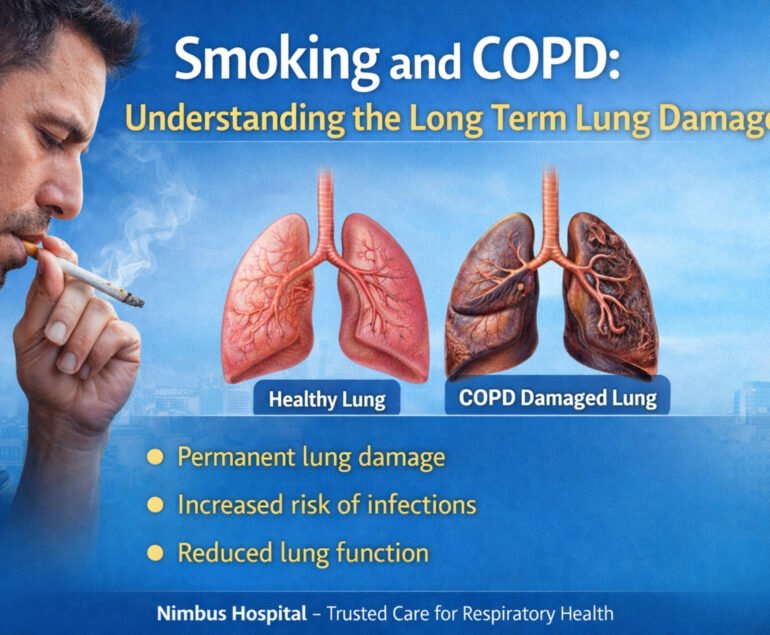
Smoking is an important risk factor for COPD, although long-term exposure to air pollution, workplace dust and certain other irritants can also contribute.
People with COPD may experience:
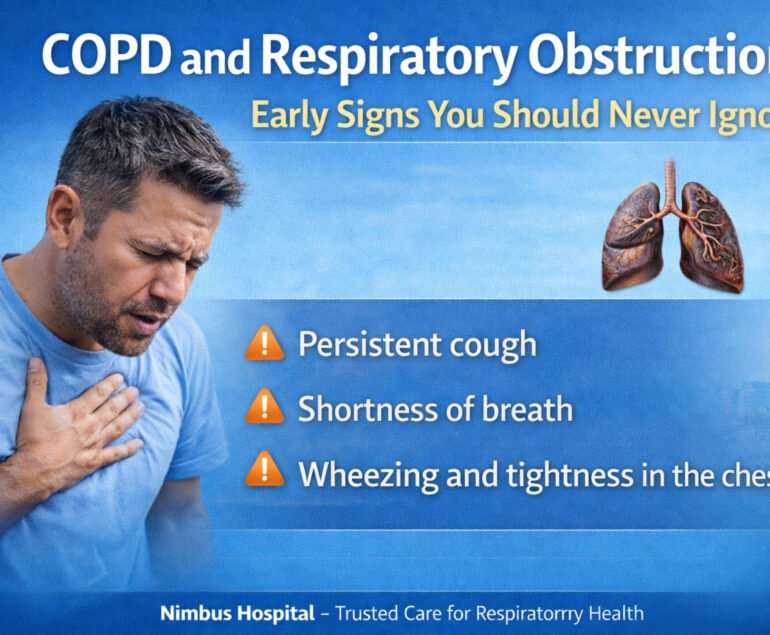
- Persistent cough
- Regular mucus production
- Breathlessness
- Wheezing
- Reduced exercise tolerance
- Increasing tiredness
Unlike asthma, COPD symptoms tend to be more persistent and may gradually worsen over time.
Asthma vs COPD: What Is the Difference?
Although both conditions can cause similar symptoms, there are some useful differences.
Asthma: Symptoms may come and go and can often be triggered by allergens, exercise, cold air or infections. Airflow obstruction can often improve significantly with appropriate treatment.
COPD: Symptoms are usually more persistent and may progressively affect breathing and exercise capacity. A history of smoking or long-term exposure to lung irritants is common.
However, symptoms alone cannot always distinguish asthma from COPD. Some people can also have features of both conditions.
Why Is Proper Diagnosis Important?
Treating every breathing problem as asthma can delay the diagnosis of another respiratory condition. Similarly, assuming that long-term breathlessness is simply due to ageing or smoking can prevent timely treatment.
A doctor may ask about:
- When your symptoms started
- How often they occur
- Whether symptoms vary throughout the day
- Smoking or tobacco exposure
- Workplace exposure to dust or chemicals
- Allergy history
- Previous respiratory infections
- Family and medical history
The doctor may then recommend appropriate tests based on your symptoms.
Can a PFT Help Diagnose Asthma or COPD?
Yes. Pulmonary function testing (PFT) can provide useful information about how well your lungs are working.
PFT can help doctors assess airflow and identify patterns that may support a diagnosis of asthma or COPD. Depending on the clinical situation, additional testing may also be required.
Nimbus Hospital provides PFT services as part of its respiratory care and diagnostic facilities. Its Cardiac & Respiratory Physician service evaluates conditions including asthma, COPD, chronic cough and breathlessness.
How Is Asthma Treated?
Asthma treatment depends on the severity and frequency of symptoms and the patient’s individual triggers.
Treatment may include prescribed inhalers to control airway inflammation and relieve symptoms. Some patients may also require nebulization during significant breathing difficulty under medical supervision.
Long-term asthma management also involves identifying triggers, using inhalers correctly, following an asthma action plan and attending regular follow-ups.
The aim is to control symptoms, reduce attacks and help patients maintain normal daily activities.
How Is COPD Treated?
COPD cannot usually be reversed, but appropriate treatment can help control symptoms and improve quality of life.
Treatment may include prescribed inhalers, pulmonary rehabilitation, lifestyle changes, smoking cessation and other medical measures depending on disease severity.
Stopping smoking is particularly important for people with COPD who smoke, as continued exposure can contribute to further lung damage.
Why Choose Nimbus Hospital for Respiratory Care?
Nimbus Hospital provides medical consultation, respiratory evaluation and diagnostic support under one healthcare setting. Its Cardiac & Respiratory Physician service covers respiratory conditions such as asthma, COPD, chronic cough and breathing difficulties.
The hospital also provides PFT, ECG, X-ray and computerized laboratory services, allowing doctors to recommend relevant investigations according to the patient’s condition.
Nimbus Hospital’s approach focuses on clinical assessment, appropriate testing, personalised treatment and follow-up rather than treating every breathing complaint in the same way.
For patients looking for Asthma Treatment in Solan, proper diagnosis is an important first step because asthma, COPD and other respiratory conditions can have overlapping symptoms.
When Should You See a Doctor?
Do not ignore breathing problems that are persistent or becoming more frequent.
You should consider medical evaluation if you:
- Frequently feel short of breath
- Have repeated wheezing
- Experience a persistent cough
- Produce mucus regularly
- Get breathless during normal activities
- Wake up because of coughing or breathing difficulty
- Need a reliever inhaler frequently
- Have a history of smoking or significant dust exposure
Severe breathlessness, difficulty speaking, bluish lips, confusion or rapidly worsening breathing requires urgent medical attention.
Final Thoughts
Asthma and COPD can both cause coughing, wheezing and breathlessness, but they have different characteristics and treatment approaches. Asthma often has variable symptoms and identifiable triggers, while COPD commonly causes more persistent breathing problems and is frequently associated with long-term exposure to tobacco smoke or other lung irritants.
Because symptoms can overlap, self-diagnosis is not reliable. A medical evaluation and, when appropriate, lung-function testing can help determine what is actually causing your breathing problem.
If you are experiencing recurring breathing difficulties, consult a qualified respiratory physician for proper diagnosis and personalised Asthma Treatment in Solan.
FAQs
1. Can asthma and COPD have similar symptoms?
Yes, both can cause coughing, wheezing and shortness of breath.
2. Is COPD the same as asthma?
No. They are different chronic respiratory conditions with different causes and treatment approaches.
3. Can PFT help diagnose asthma?
Yes, pulmonary function testing can help assess lung function and airflow.
4. Is smoking linked to COPD?
Yes, long-term smoking is a major risk factor for COPD.
5. When should breathing problems be checked?
Persistent, worsening or unexplained breathing problems should be medically evaluated.