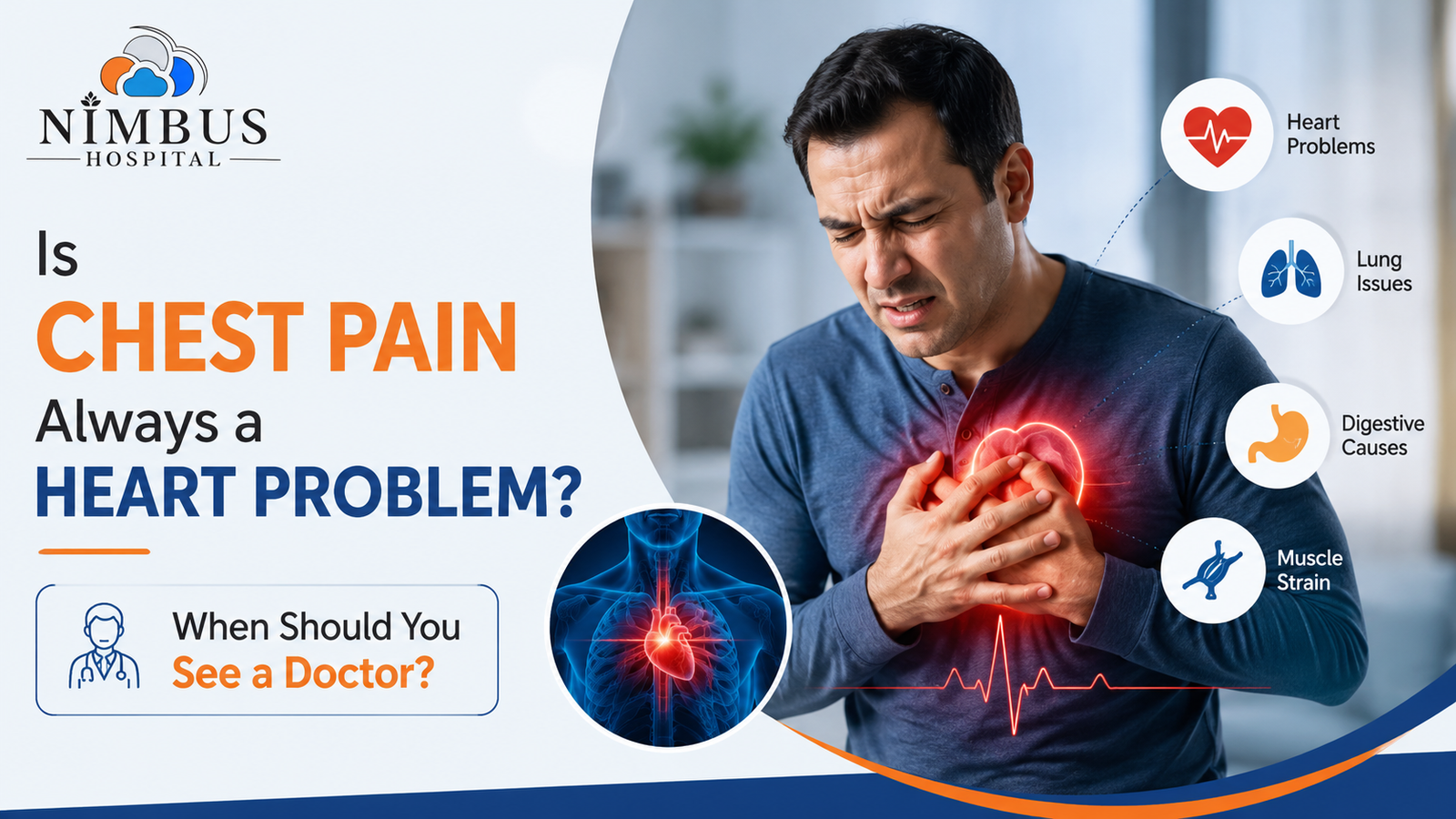
Chest pain can be frightening, but it does not always mean that you have a heart problem. Acidity, muscle strain, anxiety and respiratory conditions can also cause chest discomfort. However, new, severe, recurring or pressure-like chest pain should never be ignored because it can sometimes indicate a serious cardiac condition. If you are looking for a Heart Problems Hospital in Solan, Nimbus Hospital provides evaluation for chest discomfort, palpitations, breathlessness and heart-related risk factors, with ECG, Echo and other diagnostic support available when required.
What Can Cause Chest Pain?
Chest pain can originate from different parts of the body, not just the heart. The digestive system, muscles, lungs and even stress or anxiety can produce symptoms that feel similar to heart-related discomfort.
Common causes can include:
- Acidity or acid reflux
- Muscle strain
- Anxiety or panic
- Respiratory problems
- Heart-related conditions
Because these symptoms can overlap, it is not always possible to identify the cause based on how the pain feels alone. A medical assessment is especially important when the pain is new or accompanied by other warning signs.
When Could Chest Pain Be Heart-Related?
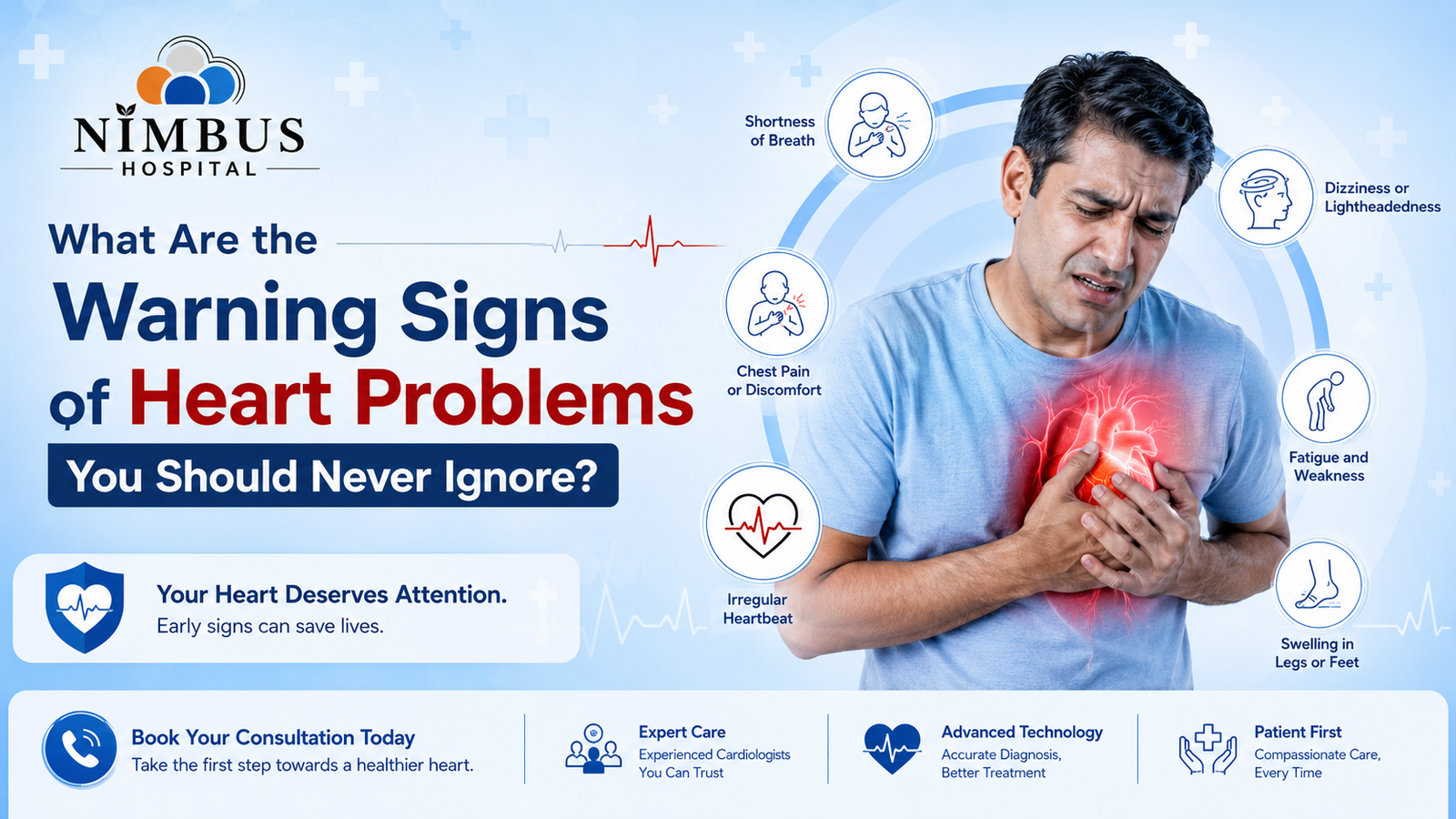
Heart-related chest discomfort may feel like pressure, heaviness, tightness or squeezing rather than a sharp pain. Some people may also experience discomfort that spreads towards the arm, jaw, shoulder or back.
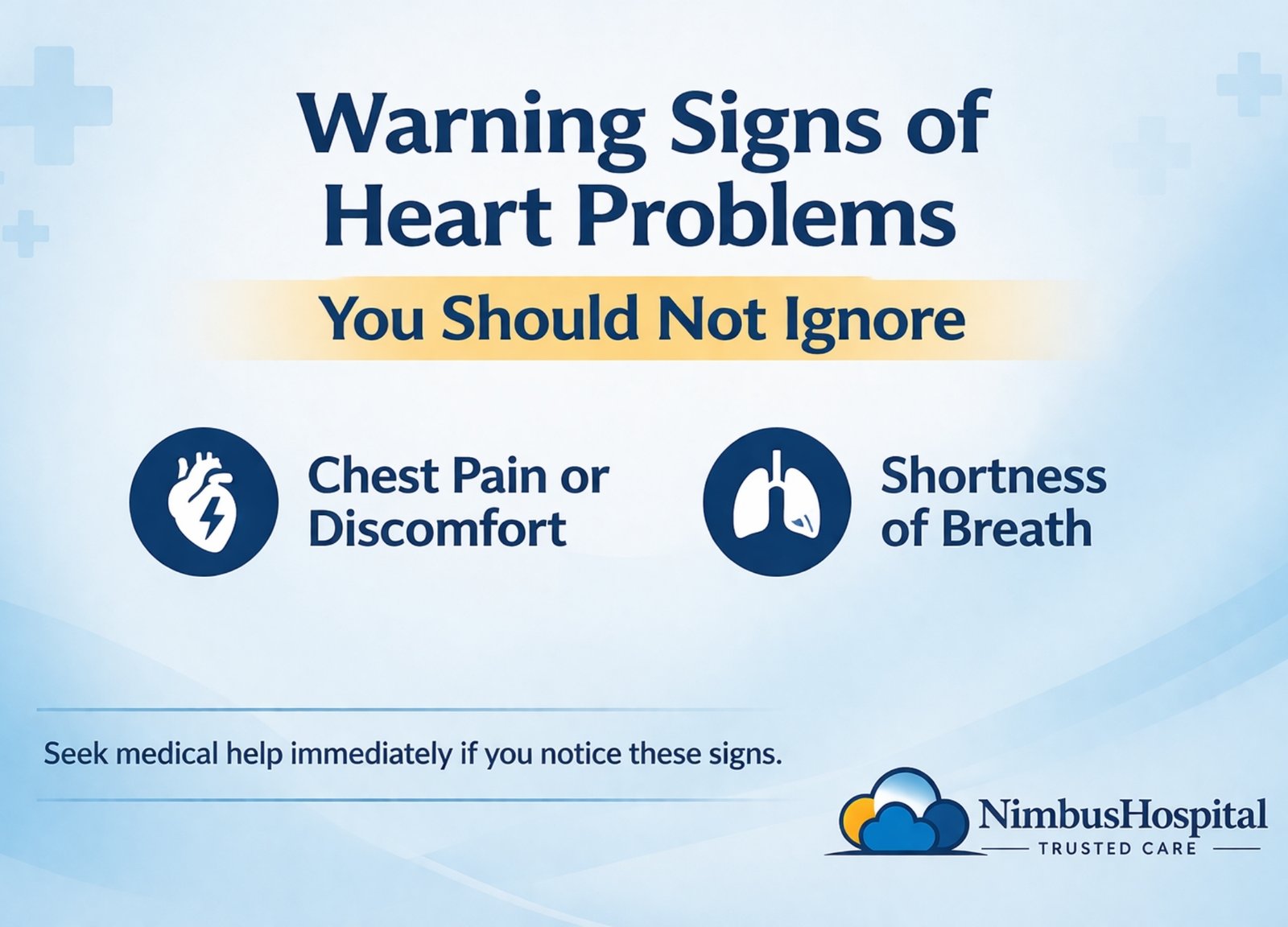
Nimbus Hospital’s heart-care information identifies chest pressure or pain lasting more than 10–15 minutes, particularly when accompanied by other symptoms, as a warning sign requiring urgent evaluation.
You should be particularly cautious if chest discomfort occurs together with:
- Sweating
- Nausea
- Extreme weakness
- Breathlessness
- Dizziness
- Fainting
- Pain spreading to the arm or jaw
These symptoms can require urgent medical attention.
Chest Pain From Acidity vs Heart-Related Chest Pain
Acidity and heart-related chest pain can sometimes feel similar, which is why self-diagnosis can be risky.
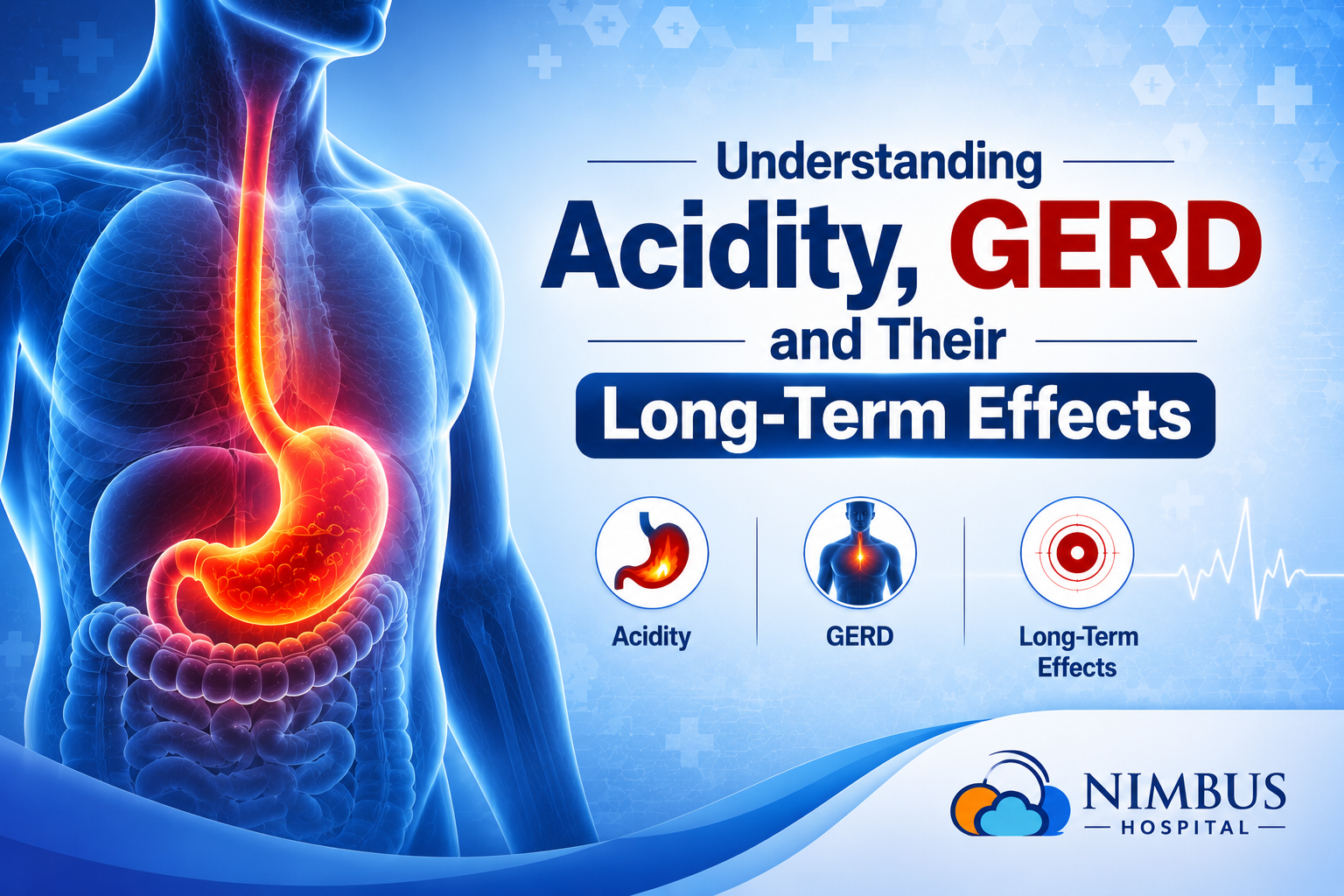
Acidity may cause burning behind the breastbone, particularly after eating or when lying down. Heart-related discomfort may feel like pressure, heaviness or tightness and can occur with physical activity or other symptoms.
However, there is no reliable rule that can safely distinguish the two at home. If the pain is severe, persistent, unusual for you or associated with breathlessness, sweating or fainting, medical evaluation should not be delayed.
What Other Symptoms Should You Watch For?
Chest pain is not the only warning sign of a possible heart problem.
Breathlessness
Unusual shortness of breath while walking, performing routine activities or even while resting should be assessed, particularly when it occurs with chest discomfort.
Nimbus Hospital’s Cardiac & Respiratory Physician service evaluates breathlessness, chest discomfort and heart-lung risk factors.
Palpitations
A racing, pounding or irregular heartbeat can sometimes occur because of stress or caffeine, but repeated palpitations deserve medical attention.
If palpitations occur with dizziness, fainting, chest discomfort or breathlessness, an ECG or further assessment may be recommended.
Dizziness or Fainting
Unexplained dizziness or fainting can have several causes, including blood-pressure or heart-rhythm problems. Repeated episodes should be evaluated instead of being ignored.
Unusual Fatigue
Persistent tiredness or weakness can have many causes. But when it occurs with breathlessness, chest discomfort or reduced exercise tolerance, a medical evaluation can help identify the underlying problem.
Swelling in the Feet
Persistent swelling in the feet or legs, particularly when accompanied by breathlessness or fatigue, should also be discussed with a doctor. Nimbus Hospital lists leg swelling among the symptoms evaluated through its cardiac and respiratory care service.
Who Should Be More Careful About Chest Pain?
Some people have a higher risk of cardiovascular problems. Important risk factors include:
- High blood pressure
- Diabetes
- High cholesterol
- Smoking
- Excessive alcohol use
- Obesity
- Physical inactivity
- Family history of heart disease
- Long-term stress
Nimbus Hospital’s heart-care information specifically highlights hypertension, diabetes, high cholesterol, smoking, alcohol, stress and family history as cardiovascular risk factors.
If you have one or more of these risk factors and develop new chest discomfort, it is better to seek medical advice rather than assuming it is acidity or muscle pain.
How Is Chest Pain Evaluated at Nimbus Hospital?
The first step is understanding the patient’s symptoms, medical history and risk factors. The doctor may then recommend appropriate investigations based on the clinical assessment.
Nimbus Hospital provides diagnostic support that can include:
ECG: Helps assess heart rhythm and identify certain cardiac changes.
2D Echo: Provides information about heart function and valves.
Blood Tests: Tests such as sugar, lipid profile and cardiac markers may be advised when clinically appropriate.
TMT/Stress Test: May be recommended in selected cases.
BP Monitoring or Holter: May be considered when blood pressure or heart-rhythm monitoring is needed.
The important point is that not every patient needs every test. The appropriate investigation depends on symptoms, examination findings and individual risk factors.
Heart Care at Nimbus Hospital
Nimbus Hospital provides cardiac and respiratory physician care for symptoms such as chest discomfort, heaviness, palpitations, breathlessness and high blood-pressure-related concerns. Its care process includes consultation, vital assessment, targeted tests when required, treatment planning and follow-up monitoring.
The hospital also provides broader internal medicine care. Its MD Medicine department includes chest discomfort evaluation, hypertension management and heart-risk screening, allowing cardiac symptoms to be assessed alongside other health conditions such as diabetes and metabolic disorders.
This is particularly useful because heart symptoms can sometimes occur alongside other conditions or risk factors.
Why Choose Nimbus Hospital for Chest Pain Evaluation?
1. Cardiac & Respiratory Physician Care
Nimbus Hospital provides dedicated evaluation for heart and lung symptoms, including chest discomfort, palpitations and breathlessness.
2. Diagnostic Facilities
The hospital provides ECG, Echo and other diagnostic investigations as recommended. Its facility also includes a computerized laboratory, X-ray and ECG services.
3. Risk-Factor Evaluation
Blood pressure, diabetes, cholesterol and other cardiovascular risk factors can be assessed as part of the overall evaluation.
4. Personalised Treatment
Treatment depends on the underlying diagnosis. Nimbus Hospital describes a care process involving medicines where required, lifestyle guidance, risk-factor control and follow-up.
5. 24×7 Emergency Support
Nimbus Hospital’s emergency department operates 24×7 and provides rapid triage, stabilisation, ECG and emergency diagnostic support, with ICU/HDU backup when required.
When Should You Go to Emergency?
Do not wait for a routine appointment if you experience:
- Severe or persistent chest pain or pressure
- Severe breathlessness
- Chest discomfort with cold sweating or nausea
- Fainting or collapse
- Bluish lips or signs of low oxygen
- Sudden facial or arm weakness
- Slurred speech or confusion
Nimbus Hospital specifically lists chest pain, severe breathing difficulty, unconsciousness and stroke symptoms among situations requiring urgent emergency care.
If symptoms are severe, seek emergency medical help immediately rather than waiting to see whether they disappear.
Final Thoughts
So, is chest pain always a heart problem? No. Chest pain can have several causes, including acidity, muscle problems, anxiety and respiratory conditions. But because some serious heart conditions can initially present with chest discomfort, it is safer to have unexplained or concerning pain evaluated by a medical professional.
For people searching for a Heart Problems Hospital in Solan, Nimbus Hospital offers cardiac and respiratory physician consultation, heart-risk assessment, ECG and Echo support, diagnostic services, personalised treatment and 24×7 emergency care.
The most important rule is simple: if chest pain is severe, persistent, pressure-like or accompanied by breathlessness, sweating, fainting or weakness, do not delay emergency medical attention.
FAQ’S
1. Is every chest pain a heart problem?
No. Acidity, muscles, lungs and anxiety can also cause chest pain.
2. When is chest pain an emergency?
Severe or persistent chest pain with other warning signs needs urgent care.
3. Can acidity cause chest pain?
Yes, acidity can cause burning or discomfort in the chest.
4. Which test checks the heart?
ECG and Echo are commonly used heart investigations.
5. Does Nimbus Hospital provide emergency care?
Yes, Nimbus Hospital provides 24×7 emergency support.