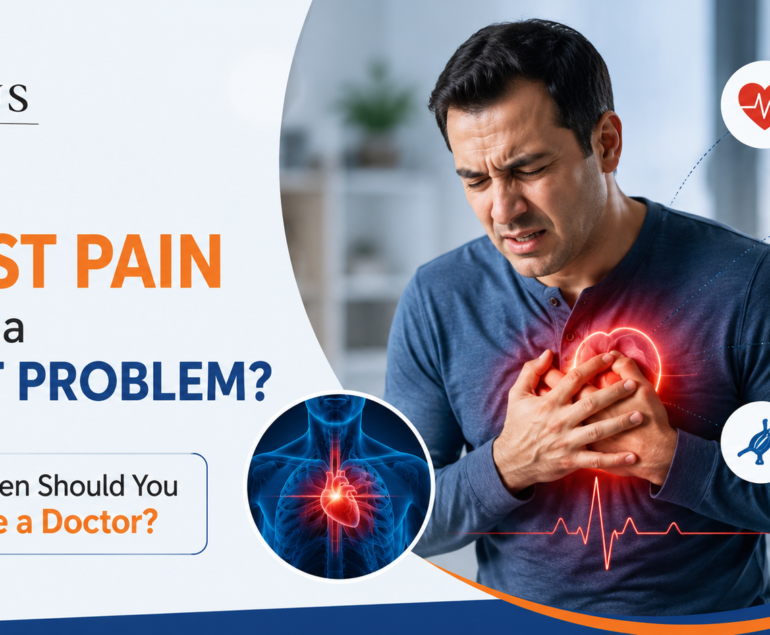
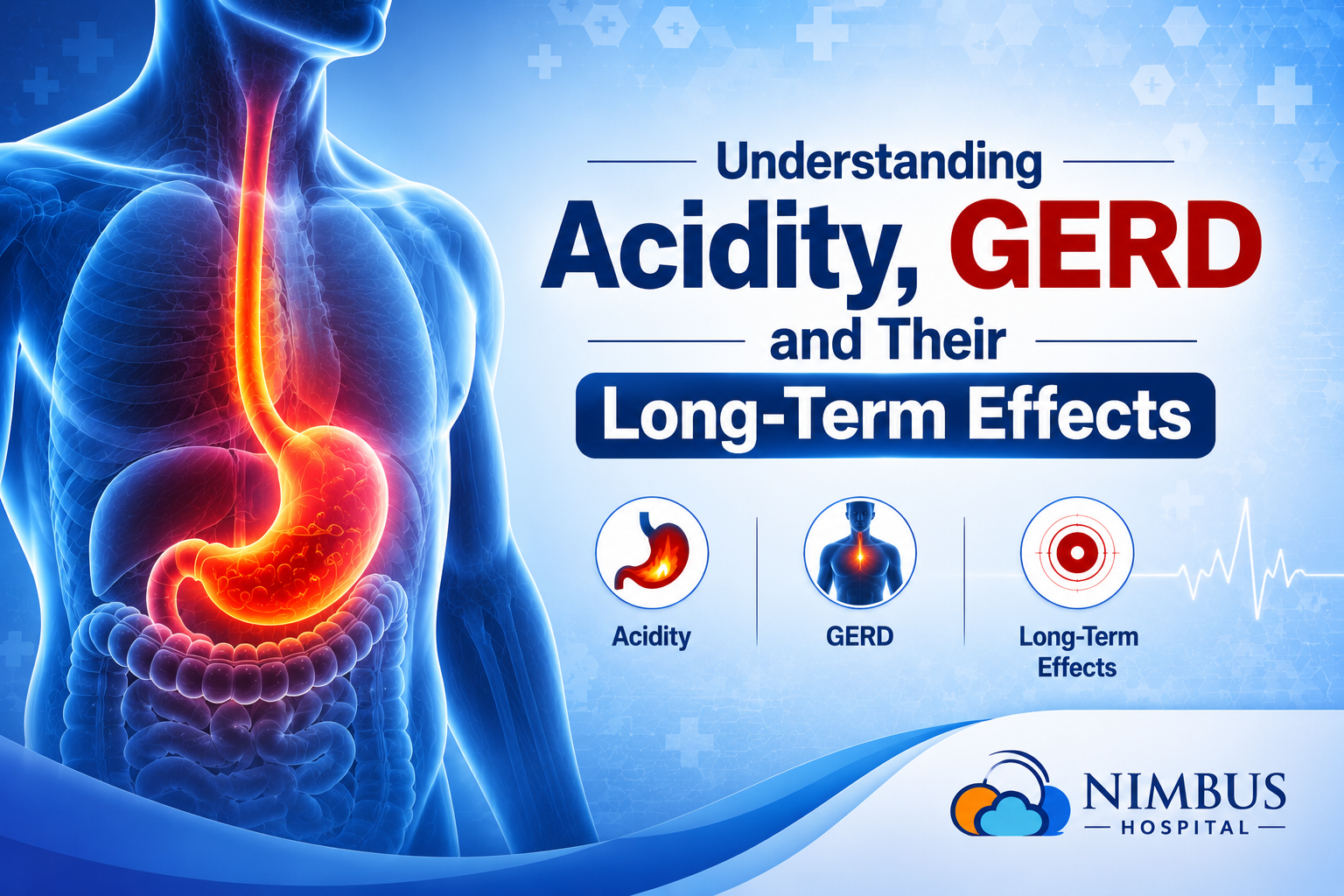
Digestive discomfort is something most people experience at some point in life. A heavy meal, irregular eating habits or certain foods can sometimes lead to a burning sensation in the chest or an unpleasant sour taste in the mouth. While occasional acidity may not be a cause for concern, frequent symptoms can indicate a more serious digestive condition that requires medical attention.
Many individuals ignore recurring acidity and continue relying on temporary remedies. However, persistent symptoms can affect daily life and may eventually lead to complications if left untreated. Understanding the difference between simple acidity and Gastroesophageal Reflux Disease (GERD) is essential for maintaining long term digestive health.
What Is Acidity?
Acidity occurs when excess stomach acid moves upward into the food pipe (esophagus). This often causes a burning sensation in the chest, commonly known as heartburn.
Common triggers include:
- Eating spicy or oily foods
- Consuming large meals
- Lying down immediately after eating
- Excessive caffeine intake
- Smoking and alcohol consumption
- Irregular meal timings
Occasional acidity is common, but symptoms that occur repeatedly may indicate an underlying digestive disorder.
Understanding GERD
GERD or Gastroesophageal Reflux Disease, is a chronic condition in which stomach acid frequently flows back into the esophagus. Unlike occasional acidity, GERD occurs regularly and can gradually damage the lining of the food pipe.
People with GERD often experience symptoms several times a week, which can interfere with sleep, eating habits and overall quality of life.
Common Symptoms of GERD
Recognizing symptoms early can help prevent complications. Common signs include:
- Frequent heartburn
- Sour or bitter taste in the mouth
- Difficulty swallowing
- Persistent cough
- Hoarseness of voice
- Chest discomfort after meals
- Feeling of food coming back into the throat
If these symptoms continue for several weeks, medical evaluation is recommended.
Why Do Acidity and GERD Occur?
Several factors can increase the likelihood of acid reflux and GERD.
Unhealthy Eating Habits
Frequent consumption of fried foods, processed meals and excessive caffeine can increase acid production and trigger reflux symptoms.
Excess Body Weight
Being overweight places additional pressure on the stomach, making acid reflux more likely.
Stress and Poor Sleep
Stress can affect digestive function and worsen reflux symptoms. Poor sleep habits may also contribute to recurring digestive discomfort.
Smoking and Alcohol
Both smoking and alcohol can weaken the valve between the stomach and esophagus, allowing acid to move upward more easily.
Long Term Effects of Untreated GERD
Many people assume that acidity is only a minor inconvenience. However, untreated GERD can lead to significant health problems over time.
Esophageal Inflammation
Repeated exposure to stomach acid can irritate and inflame the lining of the esophagus, causing pain and discomfort.
Difficulty Swallowing
Long term irritation may lead to narrowing of the esophagus, making swallowing increasingly difficult.
Chronic Cough and Throat Problems
Acid reflux can affect the throat and voice box, leading to persistent coughing, throat irritation, and hoarseness.
Sleep Disturbances
Nighttime reflux often disrupts sleep, causing fatigue and reduced productivity during the day.
Increased Risk of Serious Complications
In some cases, long standing acid reflux may increase the risk of more severe digestive conditions, making timely treatment important.
When Should You See a Specialist?
Many individuals manage occasional acidity with lifestyle changes. However, professional evaluation is important when:
- Symptoms occur multiple times each week
- Heartburn becomes severe
- Difficulty swallowing develops
- Symptoms disturb sleep regularly
- Over the counter medicines provide only temporary relief
- Unexplained weight loss occurs
Seeking timely care can help identify the root cause and prevent long term complications.
Diagnosis of GERD and Digestive Disorders
To determine the cause of symptoms, doctors may recommend:
- Detailed medical history review
- Physical examination
- Blood investigations
- Upper GI endoscopy
- Imaging studies when required
Accurate diagnosis allows doctors to create an effective treatment plan tailored to the patient’s condition.
Treatment Options
Treatment depends on the severity of symptoms and underlying causes.
Lifestyle Modifications
Simple lifestyle changes can significantly improve symptoms:
- Eating smaller meals
- Avoiding late night eating
- Maintaining a healthy weight
- Reducing caffeine intake
- Avoiding smoking and alcohol
Dietary Adjustments
Patients are often advised to identify and avoid foods that trigger reflux symptoms.
Medical Management
Doctors may prescribe medications to reduce acid production, protect the digestive tract and promote healing.
For patients seeking Gastrointestinal treatment in Solan, early diagnosis and proper management can help prevent complications and improve quality of life.
Why Choose Nimbus Hospital Solan?
Digestive disorders require proper evaluation and personalized care. Nimbus Hospital Solan provides comprehensive diagnostic and treatment services for a wide range of digestive conditions.
Patients benefit from:
- Experienced digestive health specialists
- Advanced diagnostic facilities
- Personalized treatment plans
- Modern treatment approaches
- Continuous patient support and follow up
Individuals looking for the best Gastrointestinal in Solan can receive expert care focused on both symptom relief and long term digestive wellness.
Conclusion
Acidity and GERD are common digestive conditions, but they should never be ignored when symptoms become frequent or severe. Early diagnosis, lifestyle improvements and appropriate treatment can help prevent long term complications and improve overall quality of life.
If recurring acidity, heartburn, or reflux symptoms are affecting your daily routine, consulting a top gastrologist in Solan can help you find the right treatment and protect your digestive health.
https://nimbushospital.in/gastrointestinal-issues/
FAQs
1. What is the difference between acidity and GERD?
Acidity is usually occasional, while GERD is a chronic condition involving frequent acid reflux that may require medical treatment.
2. Can GERD go away on its own?
Mild cases may improve with lifestyle changes, but persistent GERD often requires professional evaluation and treatment.
3. What foods commonly trigger acid reflux?
Spicy foods, fried foods, caffeine, carbonated beverages and large meals are common triggers.
4. When should I consult a doctor for acidity?
You should seek medical advice if symptoms occur frequently, disturb sleep or do not improve with basic lifestyle modifications.
5. Where can I get expert digestive care in Solan?
Patients experiencing persistent digestive symptoms can consult specialists at Nimbus Hospital Solan for comprehensive evaluation and treatment.