Digestive health has a significant impact on overall well being. When the digestive system is functioning properly, the body can efficiently absorb nutrients and eliminate waste. However, certain conditions can disrupt this process and lead to ongoing discomfort. One such condition is Irritable Bowel Syndrome (IBS), a common digestive disorder that affects millions of people worldwide.
Although IBS is not considered life-threatening, it can greatly affect a person’s daily routine, eating habits, work productivity and quality of life. Understanding its symptoms, identifying triggers and following the right management approach can help individuals live more comfortably and reduce flare ups.
What Is IBS?
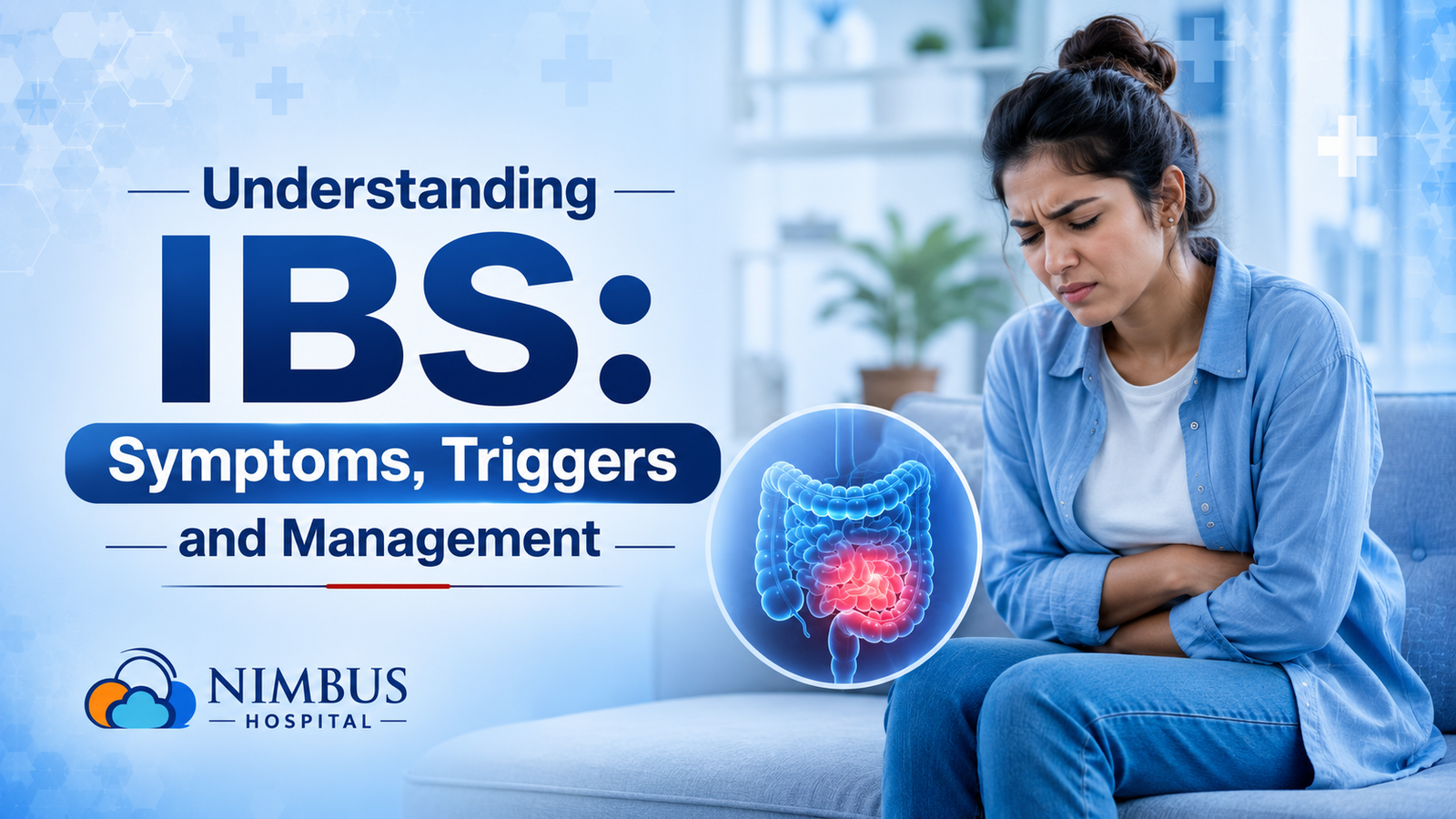
Irritable Bowel Syndrome (IBS) is a functional digestive disorder that affects the large intestine. Unlike some digestive conditions, IBS does not cause visible damage to the digestive tract. However, it can cause recurring digestive symptoms that often come and go over time.
The severity of IBS varies from person to person. Some individuals experience mild symptoms occasionally, while others deal with frequent digestive discomfort that affects everyday activities.
IBS is one of the most commonly diagnosed forms of gastrointestinal disease, making awareness and early management extremely important.
Common Symptoms of IBS
Symptoms can differ among individuals, but some of the most frequently reported signs include:
- Abdominal pain or cramping
- Bloating after meals
- Excessive gas
- Constipation
- Diarrhea
- Alternating constipation and diarrhea
- Feeling of incomplete bowel emptying
Symptoms often worsen during periods of stress or after consuming certain foods.
Because many digestive conditions share similar symptoms, proper medical evaluation is important to confirm the diagnosis.
What Triggers IBS?
The exact cause of IBS remains unclear, but several factors are known to trigger or worsen symptoms.
Food Related Triggers
Certain foods may contribute to digestive discomfort in individuals with IBS.
Common dietary triggers include:
- Spicy foods
- Fried or fatty meals
- Carbonated beverages
- Excess caffeine
- Processed foods
- Artificial sweeteners
Trigger foods vary from person to person, which is why identifying personal food sensitivities is often part of treatment.
Stress and Emotional Factors
The digestive system and brain are closely connected. Emotional stress, anxiety, and lack of sleep can influence bowel function and increase symptom frequency.
Many patients notice worsening symptoms during stressful periods, making stress management an important part of long term care.
Changes in Gut Function
Some individuals may develop IBS after a severe stomach infection or digestive illness. Changes in gut bacteria and intestinal sensitivity may also contribute to symptoms.
Types of IBS
Doctors often classify IBS based on bowel movement patterns.
IBS with Constipation (IBS-C)
This type mainly causes:
- Hard stools
- Infrequent bowel movements
- Abdominal discomfort
IBS with Diarrhea (IBS-D)
Individuals commonly experience:
- Frequent loose stools
- Urgency to use the restroom
- Digestive discomfort after meals
Mixed IBS (IBS-M)
This form involves alternating episodes of constipation and diarrhea.
Understanding the specific type helps doctors develop an appropriate treatment strategy.
How Is IBS Diagnosed?
There is no single test that confirms IBS. Diagnosis usually involves a detailed review of symptoms and medical history.
Depending on individual symptoms, doctors may recommend:
- Blood tests
- Stool examination
- Ultrasound abdomen
- Colonoscopy when required
- Additional investigations to rule out other digestive conditions
Accurate diagnosis helps distinguish IBS from more serious digestive disorders.
Managing IBS Effectively
Although IBS cannot always be completely cured, symptoms can often be managed successfully through lifestyle modifications and medical guidance.
Dietary Changes
Many patients benefit from improving their eating habits.
Helpful dietary practices include:
- Eating meals at regular times
- Avoiding overeating
- Increasing water intake
- Limiting trigger foods
- Maintaining a balanced diet rich in nutrients
Small dietary adjustments often lead to noticeable symptom improvement.
Stress Management
Since emotional stress can influence digestive function, relaxation techniques may help reduce symptom frequency.
Common approaches include:
- Meditation
- Deep breathing exercises
- Yoga
- Regular physical activity
Managing stress can support better digestive health and improve overall well being.
Physical Activity
Regular exercise helps stimulate healthy digestion and supports bowel function. Even simple activities such as walking can contribute to symptom management.
Medical Treatment
In some cases, medications may be recommended to help manage symptoms such as abdominal pain, diarrhea or constipation.
Patients seeking Gastrointestinal treatment in Solan should consult a specialist for an individualized treatment plan rather than relying solely on self medication.
When Should You See a Specialist?
Occasional digestive discomfort is common, but certain symptoms require professional evaluation.
You should consult a doctor if you experience:
- Persistent abdominal pain
- Unexplained weight loss
- Blood in stool
- Symptoms that interfere with daily activities
- Frequent digestive disturbances
- Ongoing bowel habit changes
Early medical attention helps rule out serious conditions and ensures appropriate management.
Why Choose Nimbus Hospital Solan?
Digestive disorders often require expert assessment and personalized care. Nimbus Hospital Solan offers comprehensive diagnostic and treatment services for patients experiencing a wide range of digestive concerns.
Patients benefit from:
- Experienced digestive health specialists
- Advanced diagnostic facilities
- Personalized treatment plans
- Patient focused care
- Comprehensive digestive health management
Individuals looking for the best Gastrointestinal in Solan can access specialized care designed to improve digestive health and quality of life.
Conclusion
IBS is a common digestive condition that can affect daily life through symptoms such as abdominal pain, bloating, constipation and diarrhea. While the condition can be frustrating, proper diagnosis, lifestyle adjustments, and medical guidance can help individuals manage symptoms effectively.
Understanding triggers and seeking timely medical care are important steps toward maintaining long-term digestive health. If digestive symptoms continue to interfere with your daily routine, consulting a top gastrologist in Solan can help you receive the right diagnosis and treatment.
https://nimbushospital.in/gastrointestinal-issues/
FAQs
1. What are the most common symptoms of IBS?
Common symptoms include abdominal pain, bloating, constipation, diarrhea and changes in bowel habits.
2. Is IBS considered a gastrointestinal disease?
Yes, IBS is a common functional gastrointestinal disease that affects the large intestine and causes recurring digestive symptoms.
3. Can stress make IBS worse?
Yes, stress and anxiety can trigger or worsen IBS symptoms in many individuals.
4. What foods should people with IBS avoid?
Trigger foods vary, but spicy foods, fatty meals, caffeine and carbonated drinks often worsen symptoms.
5. Where can I get expert care for IBS in Solan?
Patients experiencing IBS symptoms can seek evaluation and treatment at Nimbus Hospital Solan for comprehensive digestive care.