Sneezing repeatedly, having a blocked nose, itchy eyes, or developing a skin rash can be frustrating, especially when these symptoms keep returning. Sometimes, people treat them as a simple cold or temporary irritation. However, recurring symptoms may be caused by an allergy.
An allergy occurs when the immune system reacts strongly to a substance that is usually harmless, such as dust, pollen, certain foods, pet dander, or insect stings. Symptoms can affect the nose, eyes, skin, digestive system, or even breathing. If your symptoms are persistent or keep coming back, seeking Allergy Treatment in Solan can help identify the trigger and manage the condition properly.
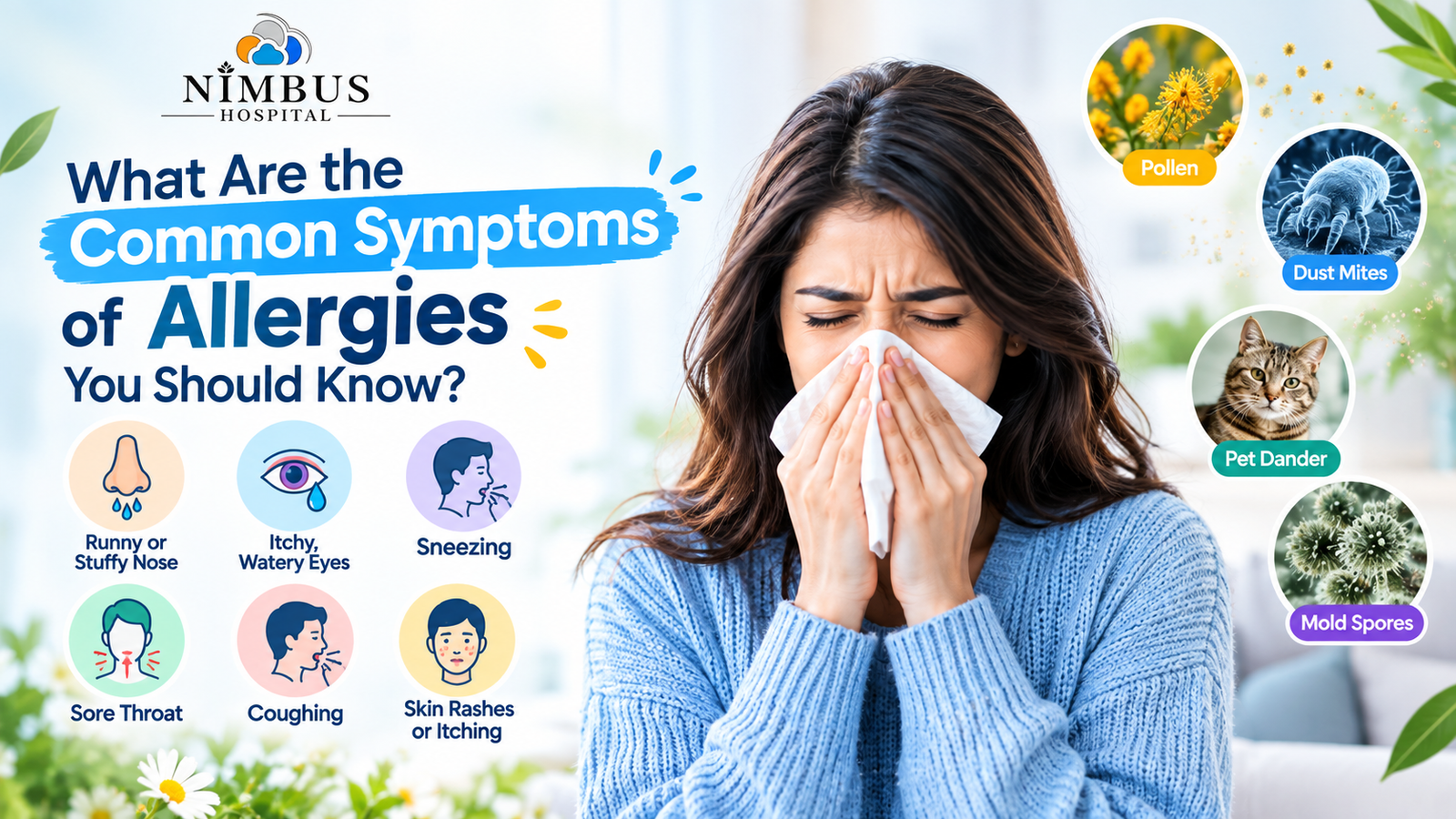
What Are the Common Symptoms of Allergies?
Allergy symptoms can vary depending on the allergen and how your body reacts. Some people experience mild symptoms, while others may develop more significant reactions.
1. Frequent Sneezing
Repeated sneezing is a common symptom, especially with airborne allergies. You may notice it after exposure to dust, pollen, smoke, or other environmental triggers.
2. Runny or Blocked Nose
Allergies can cause a clear, watery discharge from the nose. At the same time, swelling inside the nasal passages may make it difficult to breathe through your nose.
Unlike many infections, allergic nasal symptoms often occur without fever.
3. Itchy or Watery Eyes
Allergic reactions can affect the eyes, causing itching, redness, watering, or a burning sensation. Rubbing the eyes frequently can make the irritation worse.
4. Itchy Throat or Nose
An itchy feeling in the nose, throat, or roof of the mouth can occur with certain airborne allergies. This may happen together with sneezing and nasal congestion.
5. Skin Rashes and Itching
Some allergies cause skin reactions such as redness, itching, raised patches, or hives.
Hives can appear suddenly and may move from one area of the body to another. If a rash is recurring, identifying the possible trigger can help with management.
6. Coughing and Wheezing
Some allergic reactions can affect the respiratory system. You may develop coughing, wheezing, chest tightness, or shortness of breath, particularly if allergies are triggering asthma symptoms.
Breathing difficulty should not be ignored, especially if it becomes sudden or severe.
7. Swelling
Certain allergic reactions can cause swelling around the lips, face, eyes, tongue, or throat.
Swelling involving the tongue or throat can affect breathing and requires urgent medical attention.
What Commonly Triggers Allergies?
Allergy triggers are different for each person. Common allergens include:
- Dust and dust mites
- Pollen
- Pet dander
- Mould
- Certain foods
- Insect stings
- Some medicines
- Certain chemicals or fragrances
Environmental factors such as pollution and smoke can also irritate the airways and worsen symptoms in people with allergies or asthma.
Keeping track of when and where symptoms occur may help identify possible triggers.
Allergy Symptoms vs. Common Cold
Allergies and colds can look similar, particularly when symptoms involve the nose and throat.
There are some useful differences:
Allergies:
Sneezing, itchy eyes, clear runny nose, and recurring symptoms are common. Fever is generally not associated with allergies.
Common cold:
A sore throat, cough, body aches, tiredness, and sometimes fever may occur. Symptoms generally improve within several days.
Because symptoms can overlap, a doctor can help determine the likely cause when symptoms are persistent or recurrent.
When Should You See a Doctor?
You should consider medical evaluation if:
- Symptoms keep returning
- Allergies interfere with sleep or daily activities
- You frequently need allergy medicines
- Skin rashes or hives continue to occur
- You develop repeated coughing or wheezing
- You cannot identify what is triggering your symptoms
A doctor can review your symptoms and medical history and recommend appropriate testing or treatment when necessary.
How Are Allergies Diagnosed?
Diagnosis usually begins with understanding your symptoms and possible exposure to allergens.
Your doctor may ask about:
- When symptoms started
- How often they occur
- Foods or environmental exposures
- Seasonal changes
- Family or personal history of allergies
- Previous reactions to medicines or other substances
Depending on your symptoms, allergy testing or other investigations may be recommended.
Finding the trigger can be particularly helpful because avoiding or reducing exposure may prevent future reactions.
How Are Allergies Treated?
Treatment depends on the type and severity of the allergy.
Avoiding Triggers
The first step is often reducing exposure to the substances that cause your symptoms. This may involve controlling household dust, avoiding known foods, or taking precautions during high-pollen periods.
Medicines
Doctors may recommend antihistamines, nasal medicines, eye drops, or other treatments depending on the symptoms.
Medication should be used according to medical advice, particularly for children, pregnant women, or people taking other medicines.
Managing Respiratory Symptoms
If an allergy triggers asthma or significant breathing symptoms, additional respiratory treatment may be needed. Inhalers or nebulization may be recommended depending on the individual’s condition.
Regular Follow-Up
Recurring allergies may require ongoing management. Follow-up helps assess whether symptoms are controlled and whether treatment needs adjustment.
When Is an Allergic Reaction an Emergency?
Most allergies cause mild symptoms, but some reactions can become life-threatening.
Seek emergency medical care if you develop:
- Difficulty breathing
- Swelling of the tongue or throat
- Severe dizziness or fainting
- Rapidly worsening symptoms
- A widespread reaction involving multiple body systems
These can be signs of a severe allergic reaction and should be treated as an emergency.
Allergy Care at Nimbus Hospital
Nimbus Hospital provides medical evaluation and treatment for allergy-related conditions, with care focused on identifying symptoms, assessing possible triggers, providing appropriate treatment, and monitoring the patient’s response.
Its medical services also include respiratory care, which can be important when allergies are associated with coughing, wheezing, or breathing difficulties.
For people looking for Allergy Treatment in Solan, timely consultation can help determine whether recurring symptoms are caused by an allergy, respiratory condition, infection, or another underlying problem.
Final Thoughts
Allergies can cause much more than occasional sneezing. Repeated nasal congestion, itchy eyes, skin rashes, coughing, wheezing, and other recurring symptoms may indicate an allergic reaction.
Understanding your triggers and getting appropriate medical advice can make symptoms easier to manage. If your symptoms are persistent, worsening, or affecting your daily life, do not rely only on self-medication. A proper evaluation can help identify the cause and guide suitable treatment.
FAQs
1. What is the most common allergy symptom?
Sneezing, runny nose, itching, and watery eyes are common allergy symptoms.
2. Can allergies cause skin rashes?
Yes, allergies can cause itching, hives, redness, or other skin reactions.
3. Can allergies cause breathing problems?
Yes, allergies can sometimes trigger coughing, wheezing, or asthma symptoms.
4. How can allergy triggers be identified?
A doctor may review symptoms and recommend allergy testing when appropriate.
5. When is an allergy an emergency?
Severe breathing difficulty or throat and tongue swelling requires immediate medical attention.