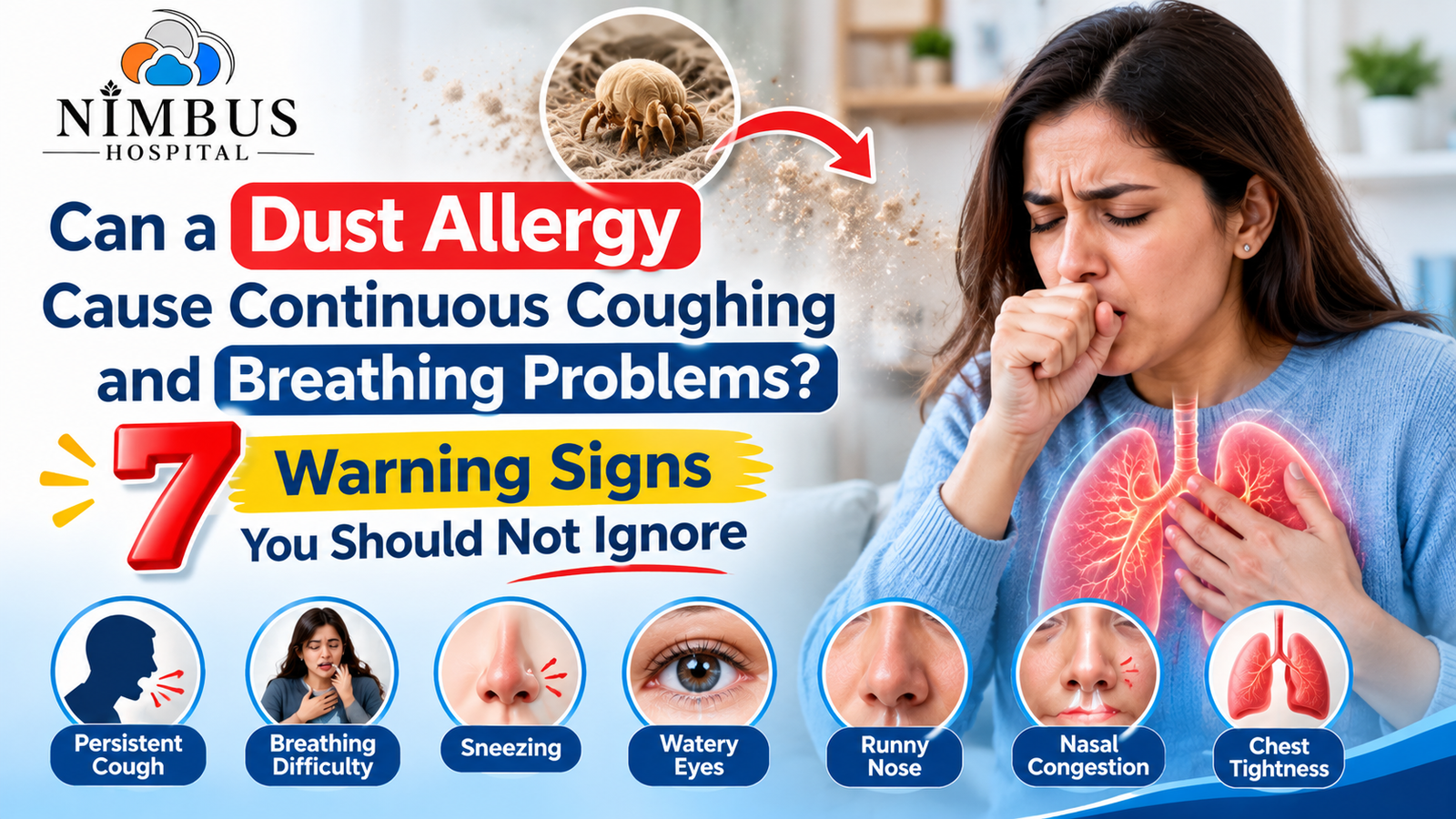
Do you start coughing whenever someone cleans the house? Does your nose become blocked when you enter a dusty room? Or do you experience breathing difficulties, especially at night or early in the morning? If these problems sound familiar, you may be dealing with a dust allergy.
Many people think dust allergies only cause sneezing, a runny nose or itchy eyes. But can dust really cause continuous coughing and breathing problems? Yes! In some people, exposure to dust mites and other indoor allergens can trigger persistent coughing, wheezing, chest tightness and even worsen asthma.
If these symptoms keep returning, finding the actual trigger is important. Seeking Allergy treatment Solan can help you understand what is causing your symptoms and how to manage them properly.
Let’s explore why dust allergies cause breathing problems, which symptoms you should watch for and when you should consult a doctor.
1. Can Dust Allergy Really Cause Continuous Coughing?
Yes! A dust allergy can cause repeated coughing, particularly when you are exposed to allergens inside your home or workplace.
One common trigger is the house dust mite. These are microscopic organisms found in mattresses, pillows, carpets, curtains and upholstered furniture. Their waste particles and body fragments can trigger an allergic reaction when inhaled by sensitive individuals.
When these allergens enter your respiratory system, your immune system reacts by releasing chemicals such as histamine. This can cause irritation and inflammation in the nose and airways.
You may experience:
- Repeated dry coughing.
- Throat irritation or itching.
- Sneezing several times a day.
- A blocked or runny nose.
- Coughing more frequently at night.
- Symptoms that become worse while cleaning.
If your cough continues for several weeks or keeps returning, do not assume it is just a seasonal problem. A medical evaluation can help identify whether allergies, asthma or another respiratory condition is responsible.
2. Why Do I Have More Coughing at Night or in the Morning?
Have you noticed that your coughing becomes worse when you lie down or immediately after waking up?
There could be a connection with dust mites in your bedroom.
Mattresses, pillows, blankets and bedsheets can collect dust mite allergens. When you spend several hours sleeping in this environment, you may repeatedly come into contact with these particles.
Another possible reason is postnasal drip. During an allergic reaction, excess mucus can develop in the nose and drain towards the back of the throat, triggering coughing.
You may notice:
- Coughing immediately after waking up.
- Sneezing when getting out of bed.
- An itchy throat during the night.
- A blocked nose while sleeping.
- Repeated coughing when lying down.
If these symptoms happen regularly, consider discussing dust allergy testing and possible respiratory causes with your doctor.
3. Can Dust Allergy Cause Breathing Problems and Chest Tightness?
Yes, and this is something you should take seriously.
For some people, dust exposure can trigger or worsen asthma. When this happens, the airways become inflamed and narrow, making it difficult for air to move in and out of the lungs.
This may lead to:
- Wheezing or a whistling sound while breathing.
- Chest tightness.
- Shortness of breath.
- Repeated coughing.
- Difficulty breathing during physical activity.
- Symptoms that become worse at night.
If you experience these symptoms repeatedly after dust exposure, your doctor may evaluate you for allergic asthma.
Important: Severe breathing difficulty, inability to speak comfortably because of breathlessness, blue or grey lips, or rapidly worsening symptoms require emergency medical attention. Do not wait for a routine appointment.
4. What Are the Other Symptoms of Dust Allergy?
Not everyone experiences the same allergic reaction. Some people mainly develop nasal symptoms, while others experience coughing, skin irritation or breathing difficulties.
Here are some additional signs to watch for.
Frequent Sneezing: Repeated sneezing, particularly when cleaning or handling dusty objects, may indicate allergic rhinitis.
Runny or Blocked Nose: Exposure to dust allergens can cause nasal inflammation, leading to congestion and a runny nose.
Itchy Eyes: Your eyes may become red, watery or irritated after exposure to indoor dust.
Itchy Throat: Some people experience throat irritation, especially when allergens trigger postnasal drip.
Skin Irritation: In sensitive individuals, dust exposure may aggravate certain existing skin allergies or eczema.
Wheezing: A whistling sound while breathing may indicate that the airways are narrowed, sometimes because of asthma.
Remember, these symptoms do not automatically confirm a dust allergy. Infections, asthma and other respiratory conditions can produce similar problems.
5. What Actually Triggers Dust Allergy Inside Your Home?
You might be surprised to know that household dust contains much more than ordinary dirt.
It can contain several substances that trigger allergic reactions in sensitive individuals.
Some common indoor allergens include:
- Dust Mites: Microscopic organisms commonly found in mattresses, pillows, carpets and soft furniture.
- Mould Spores: These can develop in damp areas, bathrooms and poorly ventilated spaces.
- Pet Dander: Tiny skin flakes and particles from animals can trigger allergies.
- Pollen: Pollen entering through windows, doors or clothing can contribute to indoor allergic symptoms.
- Cockroach Allergens: Particles from cockroaches can trigger allergic reactions and worsen asthma.
This explains why some people continue experiencing allergy symptoms even when their homes look clean.
Identifying the specific trigger is an important step towards managing recurring allergies.
6. How Can You Confirm Whether Your Cough Is Caused by Dust Allergy?
If you have continuous coughing, sneezing or breathing difficulties, your doctor may recommend an allergy evaluation.
The diagnosis usually begins with questions about your symptoms, medical history and exposure to possible allergens.
Depending on your condition, the following investigations may be recommended.
Skin Prick Test: Small amounts of suspected allergens are introduced into the skin to check for an allergic reaction.
Specific IgE Blood Test: This test checks whether your immune system has produced antibodies against particular allergens.
Pulmonary Function Test (PFT): If breathing problems or asthma are suspected, this test helps assess how well your lungs are working.
Clinical Examination: Your doctor may examine your nose, throat and chest and evaluate the pattern of your symptoms.
Not everyone requires all these tests. The right investigations depend on your symptoms and medical history.
7. How Can You Reduce Dust Allergy and Prevent Continuous Coughing?
The good news is that some simple changes in your home and daily routine can help reduce exposure to common dust allergens.
Try following these practical steps:
1. Wash Bedsheets Regularly: Wash bedsheets, pillow covers and blankets regularly using hot water when suitable for the fabric.
2. Clean Your Bedroom Carefully: Use a damp cloth instead of dry dusting, which can spread particles into the air.
3. Reduce Dust-Collecting Items: Limit unnecessary carpets, heavy curtains and soft furnishings in your bedroom.
4. Use Mattress Covers: Allergen-proof covers for mattresses and pillows may help reduce exposure to dust mites.
5. Wear a Mask While Cleaning: A suitable mask can reduce the amount of dust you inhale during cleaning.
6. Control Indoor Humidity: Keeping indoor humidity below 50% can help reduce dust mite growth.
7. Avoid Smoking and Irritants: Tobacco smoke, strong perfumes and pollution can further irritate sensitive airways.
If your symptoms continue despite these precautions, consult a doctor. You may need medical treatment to control the allergic reaction or associated asthma.
Why Choose Nimbus Hospital for Allergy Care?
Are you experiencing repeated sneezing, continuous coughing or breathing problems whenever you are exposed to dust?
Finding the actual cause is important because an allergy-related cough may require a different approach from an infection or another respiratory condition.
Nimbus Hospital, Solan, provides allergy evaluation and management through its ENT and respiratory care services. Its published services include allergy profiling, immunotherapy and medical support for respiratory conditions.
Here are some facilities and services patients can explore:
1. Allergy Evaluation: Medical assessment to identify suspected allergy triggers and understand recurring symptoms.
2. Allergy Profiling: Evaluation of possible triggers such as dust, pollen and other allergens.
3. Immunotherapy Services: Specialised allergy treatment options for selected patients, based on medical assessment.
4. Respiratory Care: Medical support for asthma, coughing, wheezing and other breathing-related concerns.
5. Pulmonary Function Testing: PFT support to assess lung function when recommended by the doctor.
6. Diagnostic Facilities: A computerised laboratory and other diagnostic services to support medical evaluation.
7. Emergency Services: Round-the-clock emergency support for patients requiring urgent medical attention.
For people looking for Allergy treatment Solan, Nimbus Hospital provides allergy evaluation and respiratory care to help patients understand their symptoms and explore suitable treatment options.
If dust exposure repeatedly causes coughing, sneezing or breathing difficulties, do not ignore the symptoms.
Final Thoughts
Can a dust allergy cause continuous coughing and breathing problems? Yes! Exposure to dust mites, mould, pet dander and other indoor allergens can trigger allergic reactions that affect your nose, throat and respiratory system.
In some people, these reactions can also worsen asthma, causing wheezing, chest tightness and shortness of breath.
The important thing is to identify the actual trigger rather than repeatedly treating the symptoms without understanding their cause.
If your cough keeps returning, you experience breathing difficulties or your symptoms become worse at night, consult a medical professional. Early evaluation, proper allergy management and reducing exposure to triggers can help you breathe more comfortably and manage your daily activities.
FAQs
1. Can dust allergy cause a cough every day?
Yes, repeated exposure to dust allergens can trigger persistent coughing.
2. Can dust allergy cause breathing difficulties?
Yes, it can trigger or worsen asthma, causing wheezing and breathlessness.
3. Why does dust allergy get worse at night?
Dust mites in mattresses, pillows and bedding can increase nighttime exposure.
4. How is dust allergy diagnosed?
Doctors may recommend skin prick testing or specific IgE blood tests.
5. Can dust allergy be treated permanently?
Symptoms can be managed, and immunotherapy may provide long-term relief for selected patients.