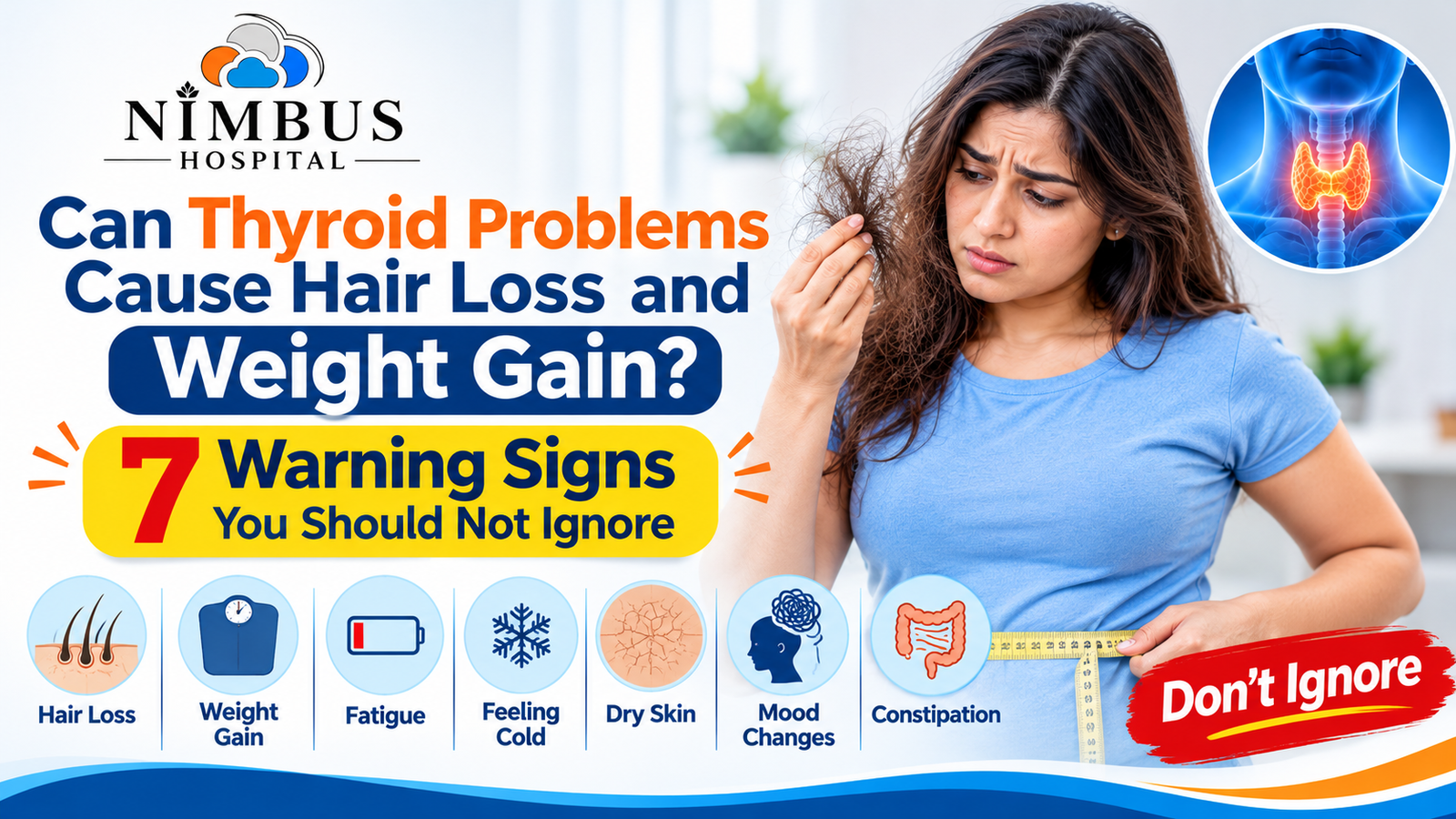
Have you noticed that your hair is falling more than usual, your weight is increasing even when you are eating less, or you feel tired throughout the day? What if these changes are connected to your thyroid gland? Many people ignore these symptoms, thinking they are caused by stress, ageing or an unhealthy lifestyle. However, an imbalance in thyroid hormones can affect your metabolism, hair growth, energy levels and overall health. If you are experiencing these problems, understanding the causes and seeking Thyroid Treatment in Solan at the right time can help you manage your condition.
But how does the thyroid affect your weight and hair? Can an underactive thyroid slow down your metabolism? And when should you get tested? Let’s understand these questions.
1. Can Thyroid Problems Really Cause Hair Loss?
Yes! Thyroid problems can affect your normal hair-growth cycle and lead to noticeable hair thinning.
Your thyroid gland produces hormones that help regulate several body functions, including hair follicle activity. When hormone levels become too low or too high, the normal growth cycle of your hair can get disturbed.
You may notice:
- Excessive hair fall while combing or washing.
- Gradual thinning across the scalp.
- Dry and brittle hair.
- Slower hair growth.
- Thinning of eyebrows.
Both hypothyroidism (underactive thyroid) and hyperthyroidism (overactive thyroid) can contribute to hair loss.
The good news is that thyroid-related hair loss may improve once the underlying condition is properly treated. However, hair recovery takes time and depends on the cause and individual response to treatment.
2. Why Am I Gaining Weight Even Though I Eat Less?
Have you reduced your food intake but still noticed an increase in your weight?
An underactive thyroid could be one possible reason.
When your thyroid gland does not produce enough hormones, your metabolism may slow down. Your body uses energy less efficiently, which can contribute to weight gain. Fluid retention can also contribute to changes in body weight.
Some common symptoms include:
- Gradual weight gain.
- Difficulty losing weight.
- Feeling tired throughout the day.
- Constipation.
- Dry skin.
- Feeling unusually cold.
However, thyroid problems are not the only reason for weight gain. Diet, physical activity, sleep, medications and other hormonal conditions can also play a role.
If your weight keeps increasing without an obvious explanation, consult a doctor to identify the underlying cause.
3. Can an Underactive Thyroid Cause Both Hair Loss and Weight Gain?
Absolutely! This is one of the common concerns associated with hypothyroidism.
An underactive thyroid affects metabolism and can interfere with normal hair growth. When thyroid hormone production decreases, several changes may occur together.
You might experience:
- Unexplained weight gain.
- Increased hair shedding.
- Constant tiredness.
- Dry skin.
- Puffy face.
- Slower digestion.
- Difficulty concentrating.
If you are experiencing multiple symptoms together, it is worth discussing thyroid testing with your doctor rather than treating each problem separately.
4. Can an Overactive Thyroid Also Cause Hair Loss?
Yes! Many people associate thyroid-related weight gain only with an underactive thyroid, but an overactive thyroid can also cause hair loss.
Hyperthyroidism occurs when the thyroid gland produces more hormones than the body needs. This can speed up metabolism and affect several body functions.
You may experience:
- Unexplained weight loss.
- Excessive sweating.
- Fast or irregular heartbeat.
- Increased appetite.
- Nervousness or anxiety.
- Hair thinning.
- Difficulty sleeping.
- Feeling unusually hot.
If your hair is thinning and your weight is decreasing without an obvious reason, do not ignore these changes. A thyroid evaluation can help determine whether hormone imbalance is responsible.
5. What Other Changes in Your Body Could Be Related to Thyroid Problems?
Hair loss and weight changes are not the only signs of thyroid imbalance. Have you noticed that you feel colder than everyone else, experience constipation or feel unusually tired even after sleeping?
These changes may also be connected to thyroid hormone levels.
Some additional symptoms to watch for include:
Constant Tiredness: Feeling exhausted even after getting enough sleep can sometimes indicate an underactive thyroid.
Dry Skin: Low thyroid hormone levels may affect skin moisture, making your skin feel rough and dry.
Frequent Sweating: Excessive sweating and heat intolerance can occur when the thyroid is overactive.
Digestive Changes: Hypothyroidism can slow digestion and cause constipation, while hyperthyroidism may increase bowel movements.
Irregular Periods: Thyroid hormone imbalance can affect menstrual cycles and reproductive health.
Heartbeat Changes: An overactive thyroid can cause a racing heartbeat or palpitations.
Neck Swelling: An enlarged thyroid gland or thyroid nodule may cause visible swelling at the front of your neck.
These symptoms do not automatically confirm a thyroid disorder. Other health conditions can cause similar problems, so proper medical evaluation is important.
6. Which Thyroid Test Should You Get for Hair Loss and Weight Gain?
If you are experiencing unexplained hair loss, weight changes or constant tiredness, your doctor may recommend thyroid function tests.
Some commonly recommended tests include:
TSH Test: This is generally the first test used to evaluate thyroid function. It measures thyroid-stimulating hormone levels.
Free T4 Test: It measures the amount of free thyroxine available in your blood.
Free T3 Test: This may be recommended when an overactive thyroid is suspected.
Thyroid Antibody Test: It helps identify certain autoimmune thyroid conditions when required.
Thyroid Ultrasound: If a lump, nodule or enlargement is detected, an ultrasound may be recommended.
You do not necessarily need all these tests. Your doctor will decide which investigations are appropriate based on your symptoms and medical history.
7. Can Hair Loss and Weight Gain Improve After Thyroid Treatment?
Yes, thyroid-related hair loss and weight changes can improve with appropriate treatment. However, recovery does not happen overnight.
If you have hypothyroidism, your doctor may prescribe levothyroxine to replace the thyroid hormone your body is not producing sufficiently.
For hyperthyroidism, treatment may involve antithyroid medicines or other medical procedures, depending on the underlying cause.
You can also support your overall thyroid health by following these habits:
- Eat a balanced and nutritious diet.
- Include adequate protein in your meals.
- Maintain a healthy sleeping routine.
- Stay physically active.
- Avoid taking thyroid supplements without medical advice.
- Take prescribed medicines regularly.
- Get thyroid levels checked as recommended.
Hair growth may take several months to improve after thyroid hormone levels become stable. Weight management may also require attention to diet, exercise and other health factors.
Why Choose Nimbus Hospital for Thyroid Care?
Are you experiencing persistent hair fall, unexplained weight gain or unusual tiredness? Getting the right medical advice can help identify whether a thyroid problem is responsible.
At Nimbus Hospital, Solan, thyroid-related health concerns can be evaluated through the MD Medicine department. The hospital provides medical consultation, diagnostic support and follow-up care to help patients manage thyroid disorders.
Here is what patients can expect:
1. MD Medicine Consultation: Medical evaluation for thyroid disorders and related health concerns.
2. Diagnostic Facilities: Access to a computerised pathology laboratory for blood investigations recommended by the doctor.
3. Individualised Treatment: Medical recommendations based on thyroid reports, symptoms and personal medical history.
4. Follow-Up Monitoring: Regular assessment of thyroid hormone levels and treatment response.
5. Comprehensive Medical Services: Support for other health conditions, including diabetes, hypertension and general medical problems.
6. Emergency Support: 24/7 emergency services with ICU/HDU backup.
For patients looking for Thyroid Treatment in Solan, Nimbus Hospital provides medical consultation and diagnostic support to help identify and manage thyroid-related problems.
Final Thought
So, can thyroid problems cause hair loss and weight gain? Yes! Both underactive and overactive thyroid conditions can affect hair growth, metabolism and body weight.
The important thing is to understand why these changes are happening instead of relying only on hair products, weight-loss diets or home remedies.
If you are noticing multiple symptoms, consult a doctor and consider appropriate thyroid testing. Early diagnosis, prescribed treatment and regular monitoring can help you manage thyroid problems and improve your overall health.
FAQ’s
1. Can thyroid problems cause excessive hair fall?
Yes, abnormal thyroid hormone levels can disturb the normal hair-growth cycle.
2. Does hypothyroidism cause weight gain?
Yes, an underactive thyroid can slow metabolism and contribute to weight gain.
3. Can thyroid hair loss grow back?
Yes, hair growth may improve after thyroid levels are properly managed.
4. Which thyroid test checks hormone levels?
TSH and Free T4 are commonly used to evaluate thyroid function.
5. Can thyroid problems cause weight loss too?
Yes, an overactive thyroid can cause unexplained weight loss.