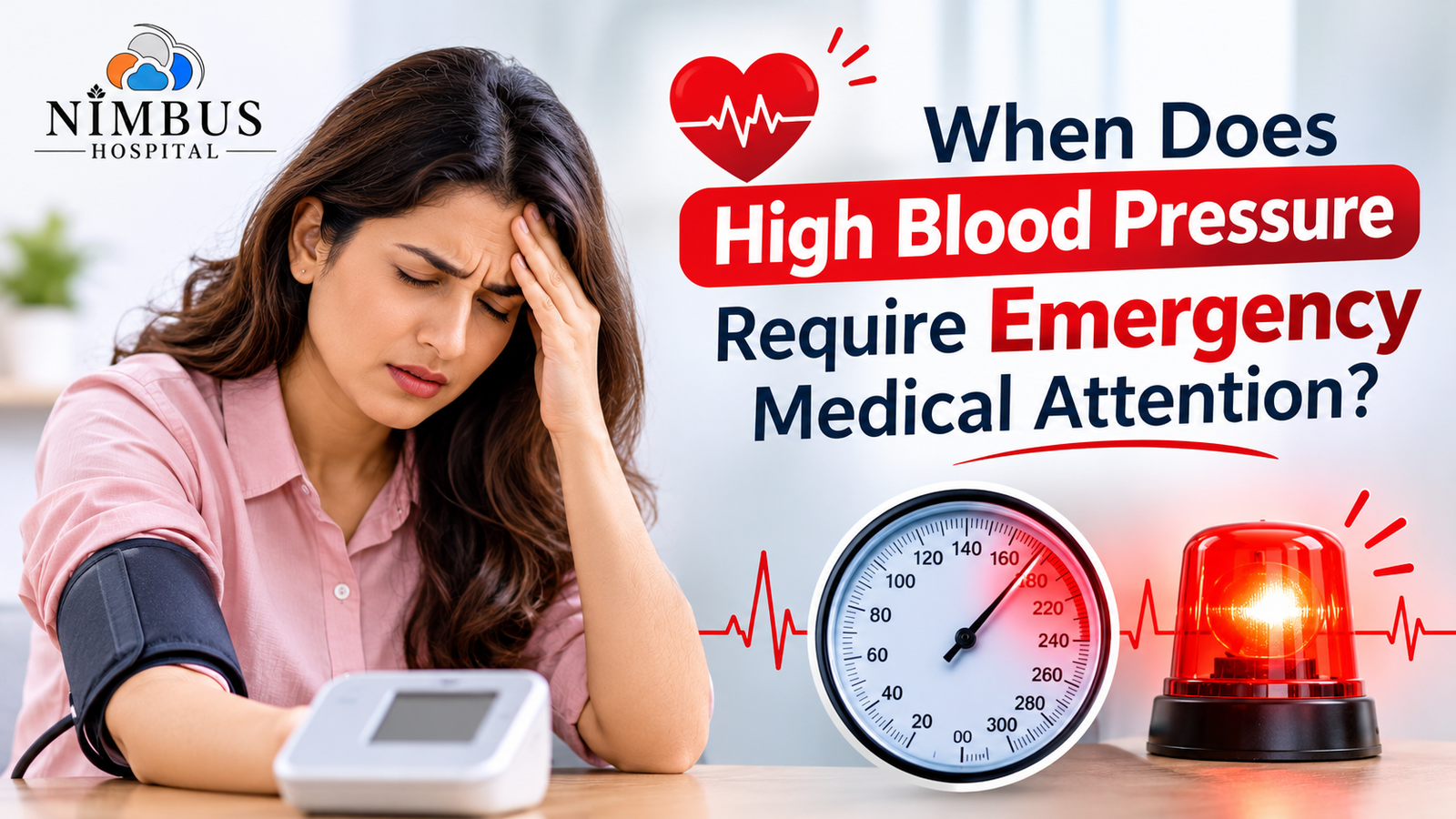
High blood pressure is often called a silent condition because many people do not notice any symptoms until it starts affecting their health. However, when blood pressure rises to a dangerously high level, it can become a medical emergency. Knowing the warning signs can help you take action at the right time and reduce the risk of serious complications.
A reading of 180 mmHg or higher (top number) and/or 120 mmHg or higher (bottom number) is considered severely elevated. If it is accompanied by symptoms such as chest pain, breathing difficulty, weakness or changes in vision, immediate medical attention is necessary. Understanding when to seek help is an important part of managing hypertension and finding appropriate Blood Pressure Treatment in Solan.
What Blood Pressure Reading Is Considered an Emergency?
Blood pressure is measured using two numbers:
- Systolic pressure: The upper number, which measures pressure when your heart beats.
- Diastolic pressure: The lower number, which measures pressure when your heart rests between beats.
A reading around or above 180/120 mmHg needs prompt attention. However, the number alone does not always mean that hospital admission is required.
Doctors distinguish between severely elevated blood pressure without signs of acute organ damage and a hypertensive emergency, where very high blood pressure is associated with possible damage to organs such as the heart, brain, kidneys or eyes.
If your reading is 180/120 mmHg or higher, wait at least one minute and measure it again. If it remains this high, check for warning symptoms and contact a healthcare professional immediately. If concerning symptoms are present, seek emergency care without delay.
7 Warning Signs That High Blood Pressure May Be an Emergency
Very high blood pressure can affect important organs. Watch for these symptoms, particularly when they appear suddenly.
1. Severe Chest Pain
Chest pain, pressure or tightness should never be ignored. It may indicate a heart-related emergency, including a heart attack or another serious cardiovascular problem.
If chest discomfort occurs with a very high blood pressure reading, seek emergency medical help immediately.
2. Difficulty Breathing
Sudden breathlessness or a feeling that you cannot get enough air can be a warning sign of a serious heart or lung complication.
Do not assume that breathing difficulty is caused by tiredness, anxiety or a minor respiratory problem. It needs urgent assessment.
3. Sudden Severe Headache
A severe or unusual headache, especially when it starts suddenly, may indicate a serious problem. If it occurs with confusion, vomiting, weakness or vision changes, emergency evaluation is important.
Not every headache is caused by high blood pressure, so the associated symptoms and clinical examination matter.
4. Blurred Vision or Sudden Vision Changes
Very high blood pressure can affect the blood vessels in the eyes and may be associated with vision problems.
Seek urgent medical attention if you suddenly experience blurred vision, double vision, or loss of vision, particularly alongside other warning signs.
5. Weakness or Numbness
Sudden weakness or numbness in the face, arm or leg, especially on one side of the body, can be a warning sign of a stroke.
Other stroke symptoms include facial drooping, difficulty speaking and loss of coordination. Do not wait for these symptoms to improve on their own. Call emergency services immediately.
6. Confusion or Difficulty Speaking
If a person suddenly becomes confused, has trouble understanding others or cannot speak clearly, it may indicate a serious neurological problem.
These symptoms require immediate medical assessment, whether or not the person has a known history of hypertension.
7. Severe Back Pain
Sudden, intense chest or back pain can sometimes be associated with a serious blood vessel condition, such as an aortic dissection.
When this type of pain occurs with a very high blood pressure reading, do not delay emergency care.
What Should You Do If Your Blood Pressure Is 180/120 or Higher?
Knowing what to do can prevent unnecessary delays and help medical professionals assess the situation.
If you have emergency symptoms:
- Call emergency services immediately. In India, you can call 112.
- Do not wait for another reading before seeking help if you have symptoms such as chest pain, breathlessness or stroke-like signs.
- Do not drive yourself to the hospital.
- Note when the symptoms started, if possible.
- Keep your current medication details and previous blood pressure readings available.
If you have no emergency symptoms:
- Sit quietly and rest for a short time.
- Wait at least one minute and repeat the measurement.
- If the reading remains around or above 180/120 mmHg, contact your doctor immediately for advice.
- Do not change your medicine dose or take an extra tablet unless a healthcare professional tells you to.
A very high reading still requires prompt medical attention, even when you feel normal.
Can High Blood Pressure Damage Your Organs?
Yes. If blood pressure remains uncontrolled over time, it can gradually damage blood vessels and important organs.
Some possible complications include:
- Heart: Increased risk of heart attack, heart failure and other cardiovascular problems.
- Brain: Increased risk of stroke and problems affecting memory or thinking.
- Kidneys: Damage to the blood vessels that help filter waste from the blood.
- Eyes: Damage to the small blood vessels in the retina, which can affect vision.
- Blood vessels: Increased strain and damage to artery walls.
This is why regular monitoring and following a doctor’s treatment plan are important, even when you do not experience symptoms.
How Can You Reduce the Risk of a Blood Pressure Emergency?
Managing hypertension requires consistent attention rather than relying only on occasional readings.
Here are some helpful habits:
- Reduce salt intake: Avoid adding too much salt to meals and limit packaged or highly processed foods.
- Take prescribed medicines regularly: Do not stop or change your medication without medical advice.
- Stay physically active: Choose regular activities such as walking, according to your doctor’s advice.
- Maintain a healthy weight: Weight management can support better blood pressure control.
- Avoid smoking: Tobacco can harm blood vessels and increase cardiovascular risk.
- Manage stress: Relaxation, adequate sleep and a balanced routine may support overall health.
- Monitor your readings: Keep a record of your blood pressure measurements and share it during consultations.
These habits support long-term control, but they are not a substitute for emergency treatment when warning signs appear.
Why Choose Nimbus Hospital for Blood Pressure Treatment in Solan?
Managing high blood pressure involves more than checking a single reading. It requires proper assessment, understanding individual risk factors and following a suitable treatment plan.
Nimbus Hospital in Solan provides medical care through its MD Medicine specialist and cardiac and respiratory physician services. The hospital also offers diagnostic support, including ECG and laboratory investigations, which may be recommended as part of a patient’s evaluation.
Its hypertension care approach includes blood pressure assessment, risk evaluation, medication guidance when needed and regular follow-up for long-term control.
Nimbus Hospital also provides 24×7 emergency support. If you are experiencing a possible hypertensive emergency, do not delay care to arrange a routine appointment. Seek immediate emergency medical assistance.
Final Thoughts
High blood pressure does not always cause noticeable symptoms, but a sudden and severe rise can be dangerous. A reading of 180/120 mmHg or higher needs prompt attention, and symptoms such as chest pain, breathlessness, sudden weakness, confusion or vision changes require emergency medical care.
Do not ignore repeated high readings or change your medication on your own. Blood Pressure Treatment in Solan Regular monitoring, timely medical advice and a consistent treatment plan can help reduce the risk of serious complications.
FAQ’s
1. What blood pressure reading is considered an emergency?
A reading around or above 180/120 mmHg needs urgent medical assessment.
2. Can high blood pressure cause a stroke?
Yes. Uncontrolled hypertension increases the risk of stroke.
3. Can a person have dangerously high BP without symptoms?
Yes. Severe hypertension may occur without noticeable symptoms.
4. Should I take an extra tablet if my BP is very high?
No. Take extra medication only if your doctor advises it.
5. When should I go to the hospital for high BP?
Seek emergency care if very high BP occurs with concerning symptoms.