The digestive system plays an essential role in maintaining overall health by processing food, absorbing nutrients, and removing waste from the body. When the gastrointestinal system does not function properly, it can lead to various health problems that affect daily life. Many people tend to ignore early digestive symptoms, but these signs may indicate an underlying gastrointestinal disease that requires medical attention.
Recognizing the warning signs early can help prevent serious complications and ensure timely treatment. Patients experiencing persistent digestive issues can seek expert diagnosis and care at Nimbus Hospital Solan, where specialists provide comprehensive treatment for a wide range of digestive disorders.
Understanding Gastrointestinal Health
The gastrointestinal system includes the esophagus, stomach, intestines, liver, pancreas and other organs responsible for digestion. This system works together to break down food, absorb nutrients, and eliminate waste.
When any part of the digestive system becomes inflamed, infected, or dysfunctional, it may lead to a gastrointestinal disease. Maintaining good digestive health is therefore essential for overall well being.
Warning Signs of Gastrointestinal Problems
Many digestive disorders begin with mild symptoms that people often overlook. However, ignoring these signs can allow a gastrointestinal disease to progress over time.
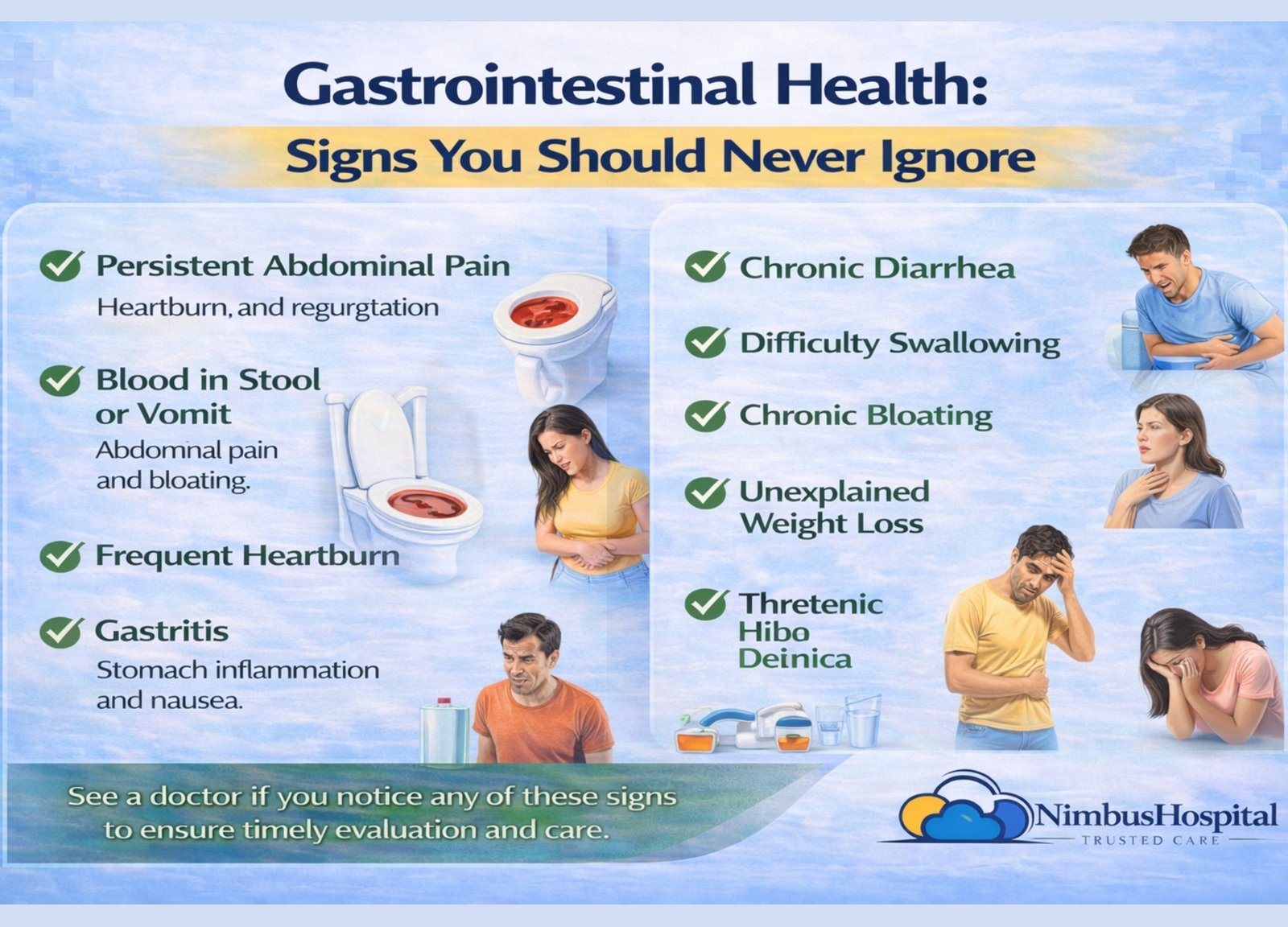
Persistent Abdominal Pain
Frequent stomach pain or discomfort may indicate inflammation or irritation in the gastrointestinal tract.
Frequent Heartburn or Acid Reflux
Occasional heartburn is common, but persistent acid reflux may be a sign of a chronic gastrointestinal disease such as gastroesophageal reflux disease (GERD).
Changes in Bowel Habits
Sudden changes in bowel movements, including persistent diarrhea or constipation, can signal digestive problems.
Bloating and Excessive Gas
Frequent bloating or gas may indicate poor digestion or an imbalance in the gastrointestinal system.
Difficulty Swallowing
Trouble swallowing food or liquids can be a sign of problems in the esophagus and should be evaluated by a medical professional.
Unexplained Weight Loss
Losing weight without changes in diet or physical activity may indicate a serious gastrointestinal disease affecting nutrient absorption.
Causes of Gastrointestinal Diseases
Several factors can contribute to digestive disorders affecting the gastrointestinal system.
Poor Dietary Habits
Frequent consumption of processed foods, spicy meals, and unhealthy diets can disrupt digestive function.
Stress and Anxiety
Chronic stress can negatively affect the gastrointestinal tract and trigger digestive symptoms.
Infections
Bacterial or viral infections may lead to inflammation and digestive disorders.
Lack of Physical Activity
Sedentary lifestyles can slow digestion and contribute to gastrointestinal disease.
Medication Side Effects
Long-term use of certain medications may irritate the digestive system and cause digestive issues.
Importance of Early Diagnosis
Early diagnosis plays an important role in preventing complications related to gastrointestinal disease. When symptoms persist, medical evaluation helps identify the underlying cause.
Doctors may recommend several diagnostic tests to evaluate gastrointestinal health, including:
- Blood tests
- Endoscopy
- Imaging scans
- Stool tests
At Nimbus Hospital Solan, advanced diagnostic facilities allow doctors to accurately detect and treat various digestive disorders.
Treatment Options for Gastrointestinal Disorders
Treatment for gastrointestinal conditions depends on the type and severity of the disorder.
Medications
Doctors may prescribe medications to reduce stomach acid, treat infections or relieve digestive symptoms.
Dietary Changes
A balanced diet rich in fiber and nutrients can support digestive health and reduce symptoms of gastrointestinal disease.
Lifestyle Modifications
Regular exercise, stress management and proper hydration help maintain a healthy gastrointestinal system.
Medical Procedures
In some cases, specialized medical procedures may be required to treat severe digestive conditions.
Patients receiving care at Nimbus Hospital Solan benefit from personalized treatment plans designed to effectively manage gastrointestinal disease.
Tips for Maintaining Gastrointestinal Health
Maintaining good digestive health can reduce the risk of developing gastrointestinal problems.
Helpful tips include:
- Eating a balanced and nutritious diet
- Drinking adequate water throughout the day
- Managing stress effectively
- Staying physically active
- Avoiding excessive alcohol consumption
- Seeking medical advice when symptoms persist
These simple habits support long-term gastrointestinal health and overall well being.
Why Choose Nimbus Hospital Solan?
Nimbus Hospital Solan provides comprehensive care for patients suffering from digestive disorders. The hospital offers:
- Experienced specialists in gastrointestinal health
- Advanced diagnostic and treatment facilities
- Personalized care plans for gastrointestinal disease
- Modern medical technology
- Patient focused healthcare services
With expert doctors and advanced facilities, Nimbus Hospital Solan ensures accurate diagnosis and effective treatment for digestive conditions.
Conclusion
Maintaining good gastrointestinal health is essential for overall well being. Ignoring early digestive symptoms can allow a gastrointestinal disease to develop and worsen over time. Recognizing warning signs and seeking timely medical care can help prevent serious complications.
With expert diagnosis and advanced treatment available at Nimbus Hospital Solan, patients can effectively manage digestive disorders and maintain a healthy gastrointestinal system.
🌐 For consultations and appointments, visit:
https://nimbushospital.in/