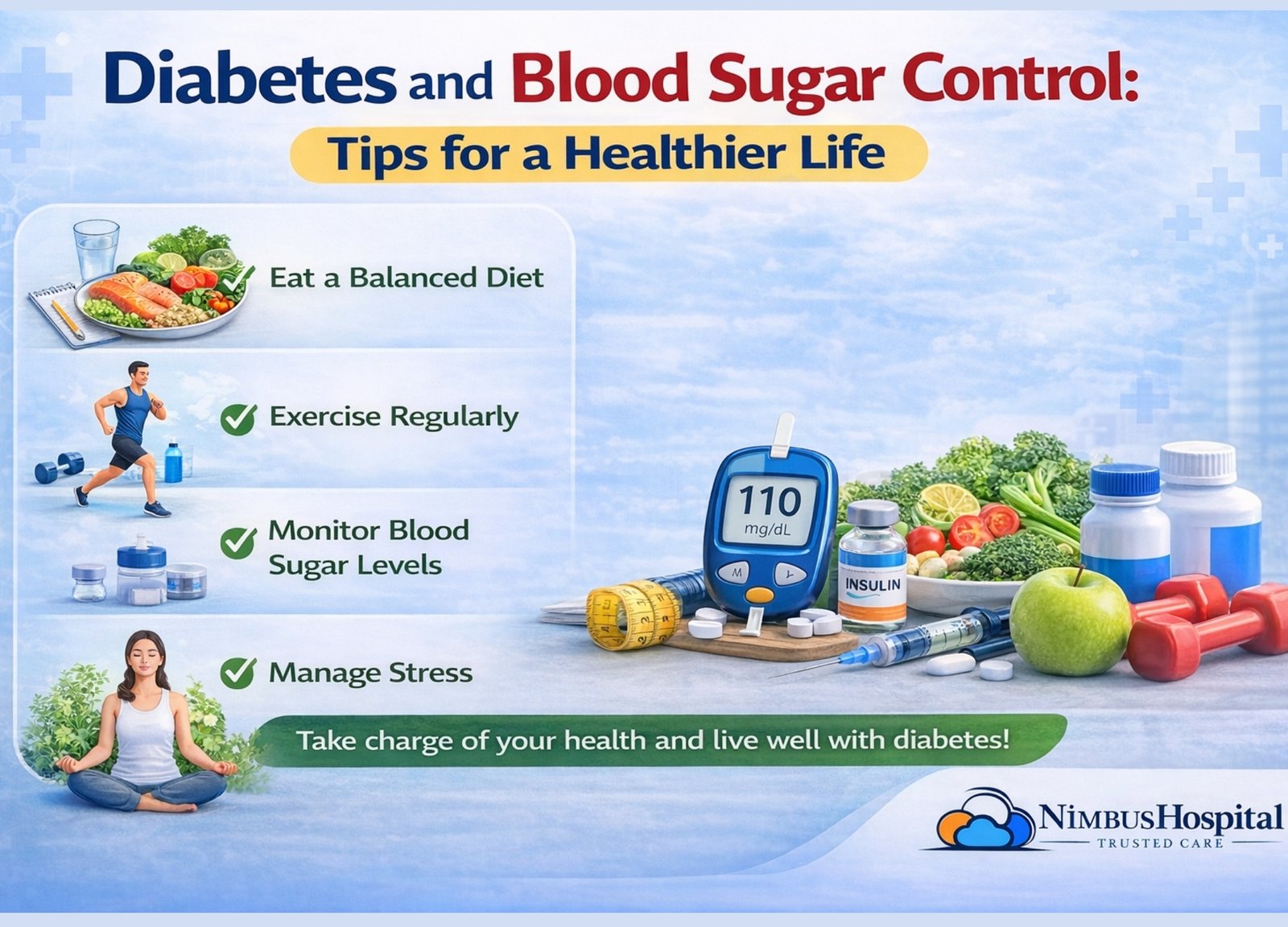
Diabetes and Blood Sugar Control: Tips for a Healthier Life

Diabetes is a chronic condition that affects how the body processes glucose. When the body cannot properly regulate glucose, it leads to high blood sugar levels, which can cause various health complications if left uncontrolled. Maintaining balanced blood sugar is essential for people living with diabetes to stay healthy and prevent long-term problems.

By adopting healthy habits, following a proper diabetes diet and regularly monitoring glucose using a blood sugar monitor, individuals can manage their condition effectively. With the right lifestyle choices and medical guidance from experts at Nimbus Hospital Solan, patients can maintain better health and improve their quality of life.

Understanding Diabetes and Blood Sugar Levels

Blood sugar, also known as blood glucose, is the primary source of energy for the body’s cells. Insulin, a hormone produced by the pancreas, helps move glucose from the bloodstream into the cells. In people with diabetes, the body either does not produce enough insulin or cannot use it effectively.

As a result, glucose accumulates in the blood, leading to high blood sugar levels. If not controlled properly, this condition can affect the heart, kidneys, eyes and nerves over time.

Maintaining normal blood glucose levels is therefore an essential part of diabetes management.

Importance of Monitoring Blood Sugar

Regular monitoring is one of the most important steps in controlling diabetes. Using a blood sugar monitor allows individuals to track their glucose levels and understand how their diet, exercise and medications affect their health.

Benefits of regular monitoring include:

  • Identifying abnormal blood sugar levels early
  • Adjusting food intake and physical activity
  • Preventing sudden spikes or drops in glucose levels
  • Improving overall diabetes management

Consistent monitoring helps maintain normal blood glucose levels and reduces the risk of complications.

Healthy Diet for Blood Sugar Control

A balanced diabetes diet plays a major role in maintaining stable glucose levels. The right food choices can prevent sudden increases in blood sugar and support long term health.

Key dietary recommendations include:

  • Consuming whole grains, vegetables and fiber rich foods
  • Including lean proteins such as fish, chicken and legumes
  • Limiting sugary beverages and processed foods
  • Eating smaller, balanced meals throughout the day

Following a structured diabetic diet plan helps regulate glucose levels and provides the nutrients needed for overall health. Nutrition specialists often design personalized diet for diabetic patients to support effective blood sugar control.

Role of Exercise in Managing Diabetes

Physical activity is another important factor in diabetes management. Exercise helps the body use insulin more effectively and improves overall metabolism.

Some beneficial forms of exercise include:

  • Walking or jogging
  • Swimming or cycling
  • Strength training exercises
  • Yoga and stretching

Regular exercise helps reduce blood sugar levels, supports weight management and improves heart health.

Lifestyle Habits for Better Diabetes Control

In addition to diet and exercise, other lifestyle habits also influence diabetes management.

Important tips include:

  • Maintaining a healthy body weight
  • Managing stress through relaxation techniques
  • Getting 7–8 hours of quality sleep
  • Staying hydrated throughout the day
  • Avoiding smoking and limiting alcohol consumption

These healthy habits help maintain normal blood glucose levels and improve overall well being.

Medical Care for Diabetes Management

While lifestyle changes are essential, medical care is also necessary for effective diabetes control. Doctors may recommend medications, insulin therapy or regular health checkups depending on the patient’s condition.

At Nimbus Hospital Solan, patients receive comprehensive diabetes care that includes advanced diagnosis, treatment, lifestyle counseling, and continuous monitoring. The hospital’s specialists focus on personalized treatment plans that combine medical care with practical lifestyle guidance.

Preventing Diabetes Complications

Uncontrolled diabetes can lead to serious health complications such as heart disease, kidney damage, nerve disorders and vision problems. However, these risks can be reduced with proper blood sugar control.

Steps that help prevent complications include:

  • Following a balanced diabetes diet
  • Monitoring glucose using a blood sugar monitor
  • Staying physically active
  • Attending regular medical checkups
  • Managing stress and maintaining healthy sleep habits

These preventive measures support long term health and improve quality of life.

Why Choose Nimbus Hospital Solan?

Nimbus Hospital Solan is known for providing advanced and patient-centered diabetes care. The hospital offers:

  • Experienced diabetes specialists
  • Advanced diagnostic and monitoring facilities
  • Personalized diabetic diet plan guidance
  • Lifestyle counseling for better blood sugar control
  • Continuous follow up care for long term management

This integrated approach helps patients effectively manage diabetes and maintain stable blood sugar levels.

Conclusion

Managing diabetes requires consistent effort and healthy lifestyle choices. Maintaining balanced blood sugar levels through proper diet, regular exercise and consistent monitoring with a blood sugar monitor can significantly improve overall health.

With expert medical guidance and personalized care from Nimbus Hospital Solan, individuals living with diabetes can successfully control their condition and lead healthier, more active lives.

🌐 For consultations and appointments, visit:
https://nimbushospital.in/
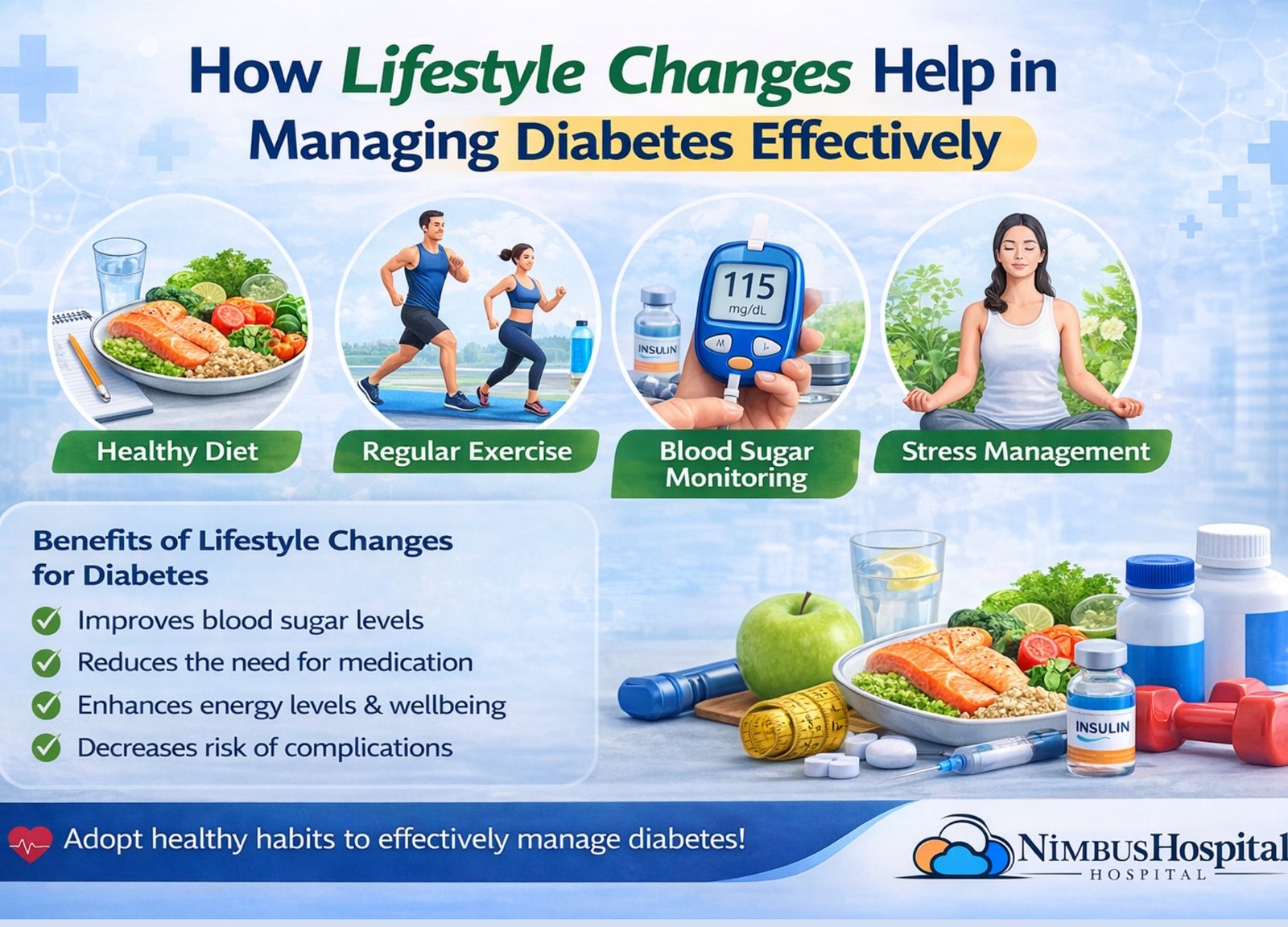
How Lifestyle Changes Help in Managing Diabetes Effectively

Diabetes is a long term health condition that affects how the body regulates glucose in the bloodstream. Managing diabetes effectively requires more than just medications. Lifestyle changes such as a balanced diet, regular physical activity, stress management and proper sleep play a crucial role in maintaining healthy blood sugar levels.

When individuals adopt healthy habits and regularly monitor their glucose using a blood sugar monitor, they can significantly improve their diabetes management and reduce the risk of complications. With the right medical support and guidance, patients can lead active and healthy lives despite having diabetes. For specialized care and comprehensive diabetes treatment, Nimbus Hospital Solan provides advanced medical services and personalized management plans.

Understanding the Importance of Lifestyle in Diabetes

Lifestyle habits directly influence how the body processes glucose and responds to insulin. Poor lifestyle choices such as unhealthy eating, lack of exercise, and chronic stress can worsen diabetes and lead to unstable blood sugar levels.

On the other hand, positive lifestyle modifications help improve insulin sensitivity and support better metabolic health. These changes are particularly important for individuals with type 2 diabetes but are also beneficial for those with type 1 diabetes alongside medical treatment.

Healthy Diet for Diabetes Management

A well-balanced diabetes diet is one of the most important aspects of managing diabetes effectively. The right food choices help control glucose levels and prevent sudden spikes.

Some important dietary habits include:

  • Eating whole grains, vegetables, fruits, and other high fiber foods
  • Choosing lean proteins such as fish, chicken and legumes
  • Limiting sugary drinks, processed foods and refined carbohydrates
  • Maintaining proper portion sizes during meals

Following a structured diabetic diet plan helps maintain stable blood sugar levels and supports long term diabetes management. Nutrition experts often recommend personalized meal plans based on a patient’s health condition and lifestyle.

Role of Physical Activity

Regular exercise is another essential lifestyle factor that helps control diabetes. Physical activity improves insulin sensitivity and allows the body to use glucose more efficiently.

Recommended forms of exercise include:

  • Walking or jogging
  • Cycling or swimming
  • Strength training exercises
  • Yoga and stretching

Even moderate daily activity can help regulate blood sugar levels and support overall health. Healthcare professionals often suggest exercise routines tailored to an individual’s fitness level and medical condition.

Importance of Regular Blood Sugar Monitoring

Monitoring glucose levels is essential for effective diabetes management. Using a blood sugar monitor allows individuals to track how their diet, physical activity and medications affect their glucose levels.

Regular monitoring helps patients:

  • Detect abnormal blood sugar levels early
  • Adjust diet and exercise routines accordingly
  • Prevent complications related to uncontrolled diabetes

Maintaining normal blood glucose levels through consistent monitoring and medical guidance can significantly improve long term health outcomes.

Managing Stress and Sleep

Stress and poor sleep habits can negatively impact diabetes control. Stress hormones can cause fluctuations in blood sugar levels, making it more difficult to manage the condition.

Adopting stress management techniques such as meditation, deep breathing exercises and mindfulness can help stabilize glucose levels. Additionally, getting 7–8 hours of quality sleep each night supports hormonal balance and improves overall metabolic health.

Medical Support for Diabetes Care

While lifestyle changes are important, medical care remains an essential component of diabetes management. Doctors may recommend medications, insulin therapy or routine health evaluations depending on the patient’s condition.

At Nimbus Hospital Solan, experienced doctors provide comprehensive diabetes care that includes diagnosis, treatment, lifestyle counseling, and continuous monitoring. The hospital focuses on personalized care plans that combine medical treatment with practical lifestyle guidance.

Preventing Diabetes Complications

Uncontrolled diabetes can lead to serious health problems such as heart disease, kidney damage, nerve disorders and vision issues. However, these complications can often be prevented with proper lifestyle management.

Simple steps that support diabetes control include:

  • Following a balanced diet for diabetic patients
  • Exercising regularly
  • Monitoring glucose with a blood sugar monitor
  • Attending routine medical checkups
  • Maintaining healthy sleep and stress levels

These healthy habits help maintain normal blood glucose levels and improve overall quality of life.

Why Choose Nimbus Hospital Solan?

Nimbus Hospital Solan offers advanced diabetes care with a patient-focused approach. The hospital provides:

  • Experienced diabetes specialists
  • Advanced diagnostic facilities for glucose monitoring
  • Personalized diabetic diet plan guidance
  • Comprehensive lifestyle counseling
  • Continuous follow up for long term diabetes management

This holistic approach ensures effective treatment and sustainable control of diabetes.

Conclusion

Lifestyle changes play a crucial role in managing diabetes effectively. A healthy diabetes diet, regular exercise, proper stress management and consistent monitoring of blood sugar levels help maintain overall health and prevent complications.

With expert medical care and personalized guidance from Nimbus Hospital Solan, individuals living with diabetes can successfully manage their condition and lead healthier, more active lives.

🌐 For consultations and appointments, visit:
https://nimbushospital.in/
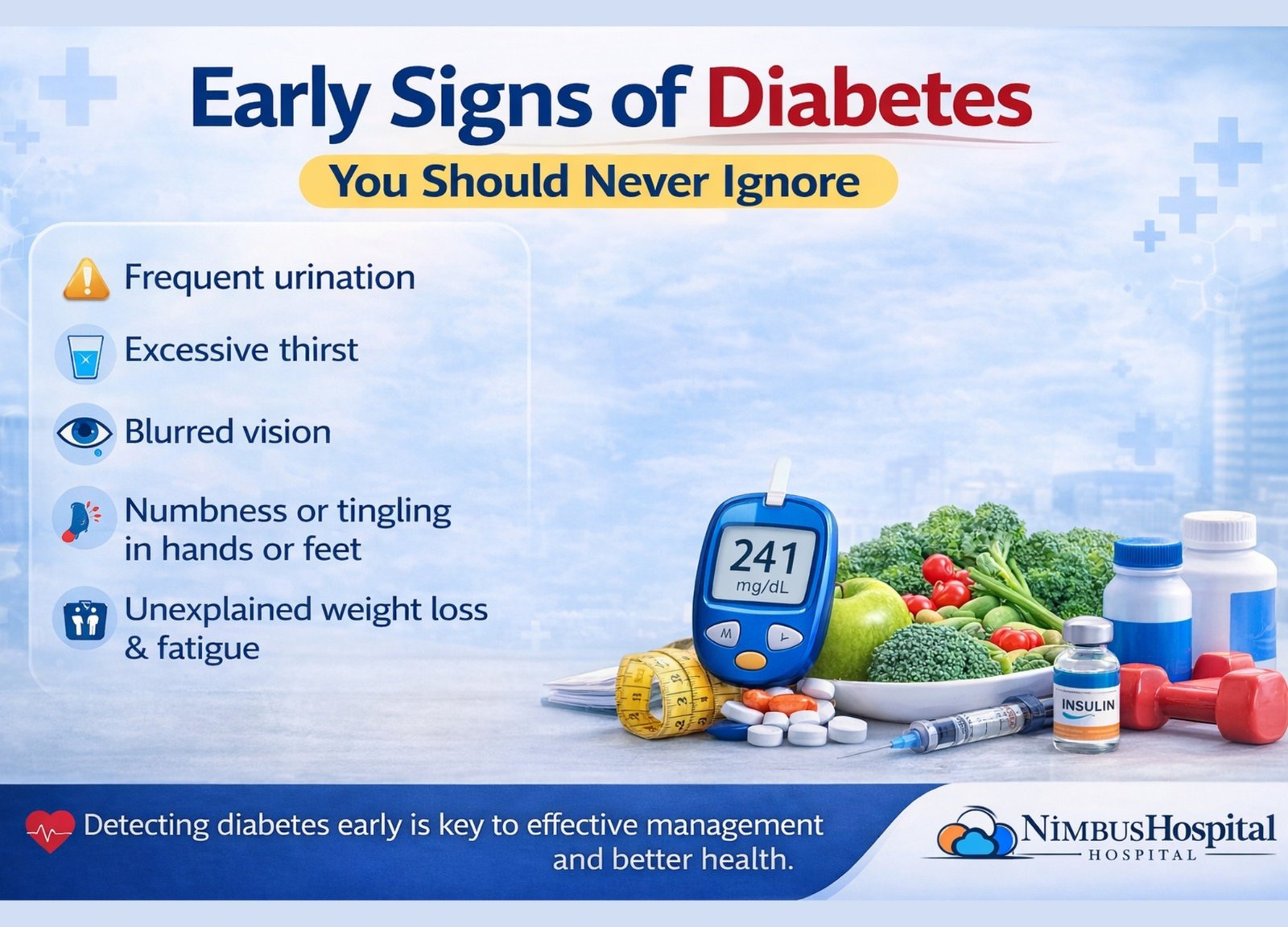
Early Signs of Diabetes You Should Never Ignore

Diabetes is a growing health concern worldwide and often develops gradually. Many people ignore the early warning signs, assuming they are minor health issues. However, recognizing the early signs of diabetes is crucial for timely diagnosis and treatment. When detected early, diabetes can be effectively managed, helping individuals maintain healthy blood sugar levels and prevent serious complications.

Regular health checkups and monitoring with a blood sugar monitor can help detect abnormal glucose levels before the condition becomes severe. For individuals seeking specialized care, Nimbus Hospital Solan provides comprehensive diabetes diagnosis, treatmen, and long term management.

What is Diabetes?

Diabetes is a chronic condition that affects how the body processes glucose, which is the main source of energy for cells. Normally, the hormone insulin helps move glucose from the bloodstream into the cells. In diabetes, either the body does not produce enough insulin or cannot use it effectively.

As a result, glucose builds up in the blood, leading to high blood sugar levels. Over time, uncontrolled diabetes can affect various organs including the heart, kidneys, nerves and eyes.

Common Early Signs of Diabetes

Many early symptoms of diabetes are mild but should never be ignored. Identifying these warning signs early can help prevent complications.

Frequent Urination

One of the earliest signs of diabetes is frequent urination. High glucose levels cause the kidneys to work harder to remove excess sugar from the body, leading to increased urination.

Increased Thirst

Frequent urination can lead to dehydration, causing persistent thirst. Even after drinking water, people may still feel thirsty.

Unusual Fatigue

When the body cannot properly use glucose for energy, it can lead to constant tiredness and weakness.

Blurred Vision

High blood sugar levels can affect the fluid balance in the eyes, leading to temporary blurred vision.

Slow Healing of Wounds

Cuts, bruises and infections may take longer to heal because diabetes affects blood circulation and immune function.

Unexplained Weight Loss

Sudden weight loss without changes in diet or physical activity may also indicate diabetes, especially in some cases of type 1 diabetes.

Monitoring glucose levels regularly with a blood sugar monitor helps identify these warning signs before they progress.

Risk Factors for Diabetes

Several lifestyle and genetic factors increase the risk of developing diabetes.

Family History

Individuals with a family history of diabetes are more likely to develop the condition.

Unhealthy Diet

Frequent consumption of sugary foods, processed meals, and high calorie diets can increase the risk of type 2 diabetes.

Lack of Physical Activity

Sedentary lifestyles reduce insulin sensitivity and contribute to higher blood sugar levels.

Excess Body Weight

Obesity is one of the major risk factors for developing type 2 diabetes.

Adopting a healthy diabetes diet and maintaining an active lifestyle can significantly reduce these risks.

Importance of Early Diagnosis

Early detection of diabetes plays a vital role in preventing long term complications. Regular screening tests and monitoring help maintain normal blood glucose levels and reduce health risks.

Doctors recommend routine testing for individuals who experience symptoms or have risk factors for diabetes. Early medical intervention allows better control through medication, lifestyle changes and a proper diabetic diet plan.

Managing Diabetes Effectively

Although diabetes cannot always be cured, it can be effectively controlled with proper care and lifestyle adjustments.

Healthy Diet

A balanced diet for diabetic patients includes high fiber foods, lean proteins and healthy fats while limiting refined sugar and processed foods.

Regular Exercise

Physical activity improves insulin sensitivity and helps regulate blood sugar levels.

Blood Sugar Monitoring

Regular monitoring using a blood sugar monitor allows patients to track their glucose levels and adjust their lifestyle or medications accordingly.

Medical Treatment

Doctors may recommend medications or insulin therapy depending on the type and severity of diabetes.

At Nimbus Hospital Solan, patients receive personalized treatment plans that combine medical care, nutritional guidance and continuous monitoring.

Why Choose Nimbus Hospital Solan?

Nimbus Hospital Solan is known for providing comprehensive care for diabetes patients. The hospital offers:

  • Experienced diabetes specialists
  • Advanced diagnostic and blood sugar monitoring facilities
  • Personalized diabetic diet plan guidance
  • Regular health checkups and follow up care
  • Patient education for long term diabetes management

This integrated approach helps patients maintain stable blood sugar levels and improve their overall quality of life.

Conclusion

Ignoring the early signs of diabetes can lead to serious health complications over time. Symptoms such as frequent urination, excessive thirst, fatigue and blurred vision should never be overlooked. Early detection and proper management are essential for maintaining normal blood glucose levels and preventing long-term health risks.

With the right combination of a healthy diabetes diet, regular monitoring using a blood sugar monitor, and expert medical care, individuals can effectively manage diabetes and live healthy lives.

For professional diabetes care and consultation, visit Nimbus Hospital Solan.

🌐 https://nimbushospital.in/

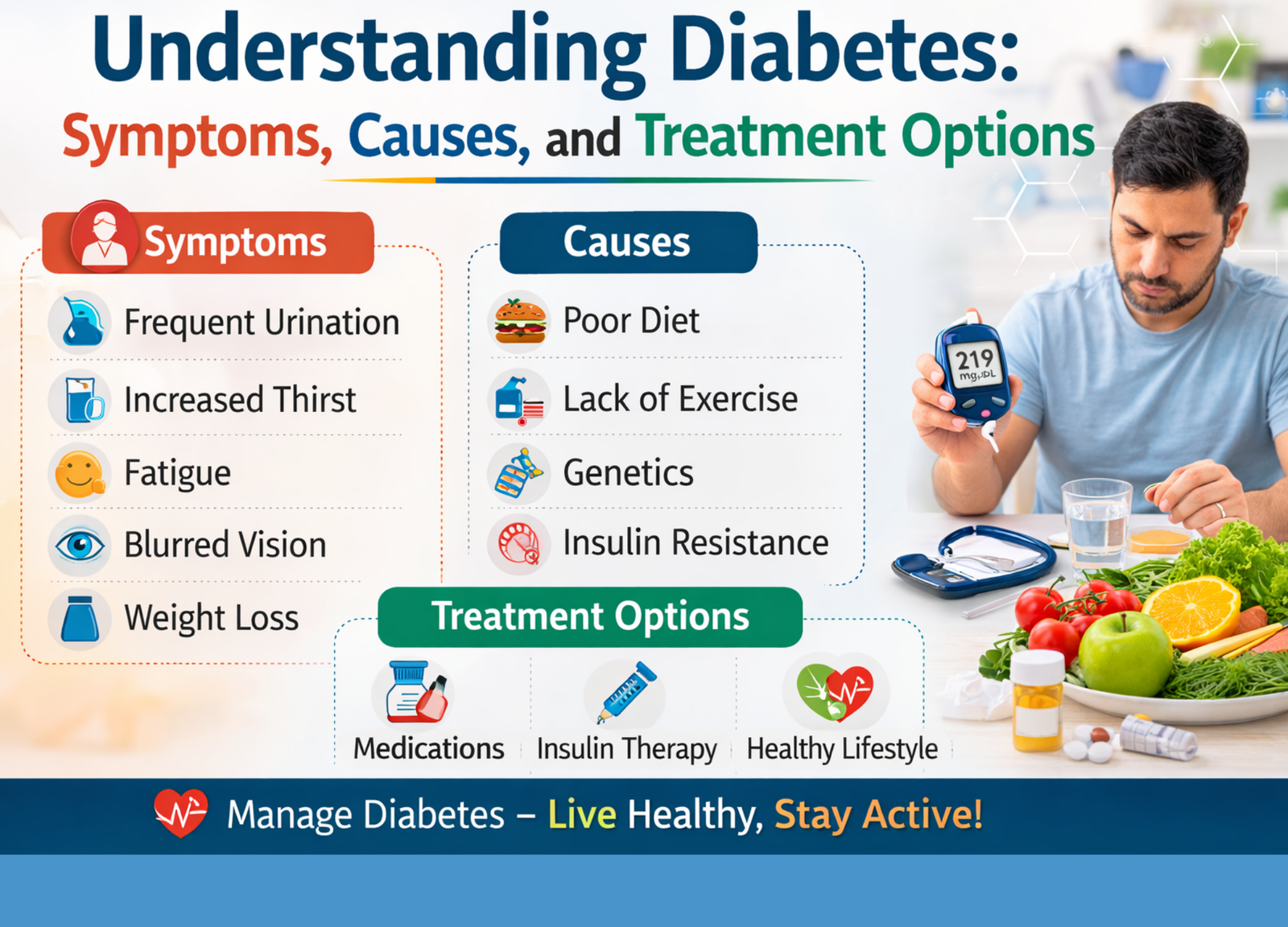
Understanding Diabetes: Symptoms, Causes, and Treatment Options

Diabetes is one of the most common chronic health conditions affecting millions of people worldwide. It occurs when the body is unable to properly regulate blood sugar levels, leading to long term health complications if not managed correctly. Early awareness of diabetes symptoms, causes, and treatment options can help individuals take timely action and maintain better health.

With proper lifestyle choices, regular monitoring using a blood sugar monitor, and expert medical care, people living with diabetes can effectively control the condition and lead active lives.

For individuals seeking specialized diabetes care, Nimbus Hospital Solan provides advanced diagnosis, treatment, and personalized guidance for long term diabetes management.

What is Diabetes?

Diabetes is a metabolic condition in which the body either does not produce enough insulin or cannot use insulin effectively. Insulin is a hormone that helps glucose enter the body’s cells to produce energy. When this process does not work properly, glucose accumulates in the bloodstream, resulting in high blood sugar levels.

If left unmanaged, diabetes can lead to serious health issues affecting the heart, kidneys, eyes, and nerves.

Common Symptoms of Diabetes

Recognizing the early signs of diabetes is essential for timely diagnosis and treatment. Some common symptoms include:

  • Frequent urination
  • Increased thirst and hunger
  • Unexplained weight loss
  • Constant fatigue
  • Blurred vision
  • Slow healing of wounds
  • Frequent infections

These symptoms occur because the body cannot properly use glucose for energy. Monitoring blood sugar levels regularly with a reliable blood sugar monitor helps detect abnormal glucose patterns early.

Causes and Risk Factors of Diabetes

Several factors contribute to the development of diabetes. Understanding these causes helps individuals take preventive steps.

1. Genetic Factors

Family history plays a significant role in increasing the risk of diabetes.

2. Unhealthy Lifestyle

Poor eating habits, lack of physical activity, and excessive consumption of sugary foods can contribute to the development of type 2 diabetes.

3. Obesity

Excess body weight affects insulin sensitivity, making it harder for the body to regulate glucose.

4. Age and Hormonal Changes

The risk of diabetes increases with age and certain hormonal conditions.

Adopting a balanced diabetes diet and maintaining a healthy weight can significantly reduce the risk of developing diabetes.

Importance of Diet in Diabetes Management

A proper diabetic diet plan is one of the most effective ways to manage diabetes. The right food choices help maintain stable glucose levels and prevent sudden spikes.

Important dietary recommendations include:

  • Eating high fiber foods such as whole grains, vegetables and legumes
  • Choosing lean proteins like fish, chicken, and plant based proteins
  • Limiting sugary beverages and processed foods
  • Maintaining portion control during meals

A personalized diet for diabetic patients, designed by healthcare professionals, helps improve overall metabolic health and maintain normal blood glucose levels.

Treatment Options for Diabetes

Although diabetes is a lifelong condition, it can be effectively managed with the right combination of medical care and lifestyle changes.

Medication and Insulin Therapy

Doctors may prescribe oral medications or insulin therapy depending on the type and severity of diabetes.

Blood Sugar Monitoring

Regular monitoring using a blood sugar monitor allows patients to track their glucose levels and make necessary lifestyle adjustments.

Lifestyle Modifications

Exercise, stress management, and proper sleep play a vital role in improving insulin sensitivity and maintaining stable blood sugar levels.

Regular Medical Checkups

Routine health evaluations help detect potential complications early and ensure effective treatment.

At Nimbus Hospital Solan, experienced doctors provide comprehensive diabetes management that includes diagnosis, medication, lifestyle counseling, and long term monitoring.

Preventing Diabetes Complications

Proper diabetes management is essential to prevent serious health problems such as heart disease, kidney damage, nerve disorders, and vision problems.

Simple preventive steps include:

  • Following a balanced diabetes diet
  • Exercising regularly
  • Monitoring blood sugar levels consistently
  • Attending regular medical checkups
  • Managing stress and maintaining healthy sleep patterns

These habits help maintain normal blood glucose levels and improve overall quality of life.

Why Choose Nimbus Hospital Solan for Diabetes Care?

Nimbus Hospital Solan is recognized for providing comprehensive diabetes care with a patient focused approach. The hospital offers:

  • Experienced diabetes specialists
  • Advanced facilities for blood sugar monitoring
  • Personalized treatment plans
  • Nutritional counseling and diabetic diet plan guidance
  • Continuous follow up for long-term disease management

This integrated approach ensures that patients receive both medical treatment and practical lifestyle guidance for effective diabetes control.

Conclusion

Understanding diabetes, its symptoms, causes and treatment options is essential for maintaining long term health. With the right combination of a healthy diabetes diet, regular monitoring using a blood sugar monitor, and expert medical care, individuals can successfully manage the condition.

For those seeking reliable and comprehensive diabetes treatment, Nimbus Hospital Solan provides expert support, modern medical facilities and personalized care to help patients live healthier and more active lives.

🌐 For consultations and appointments, visit:
https://nimbushospital.in/