
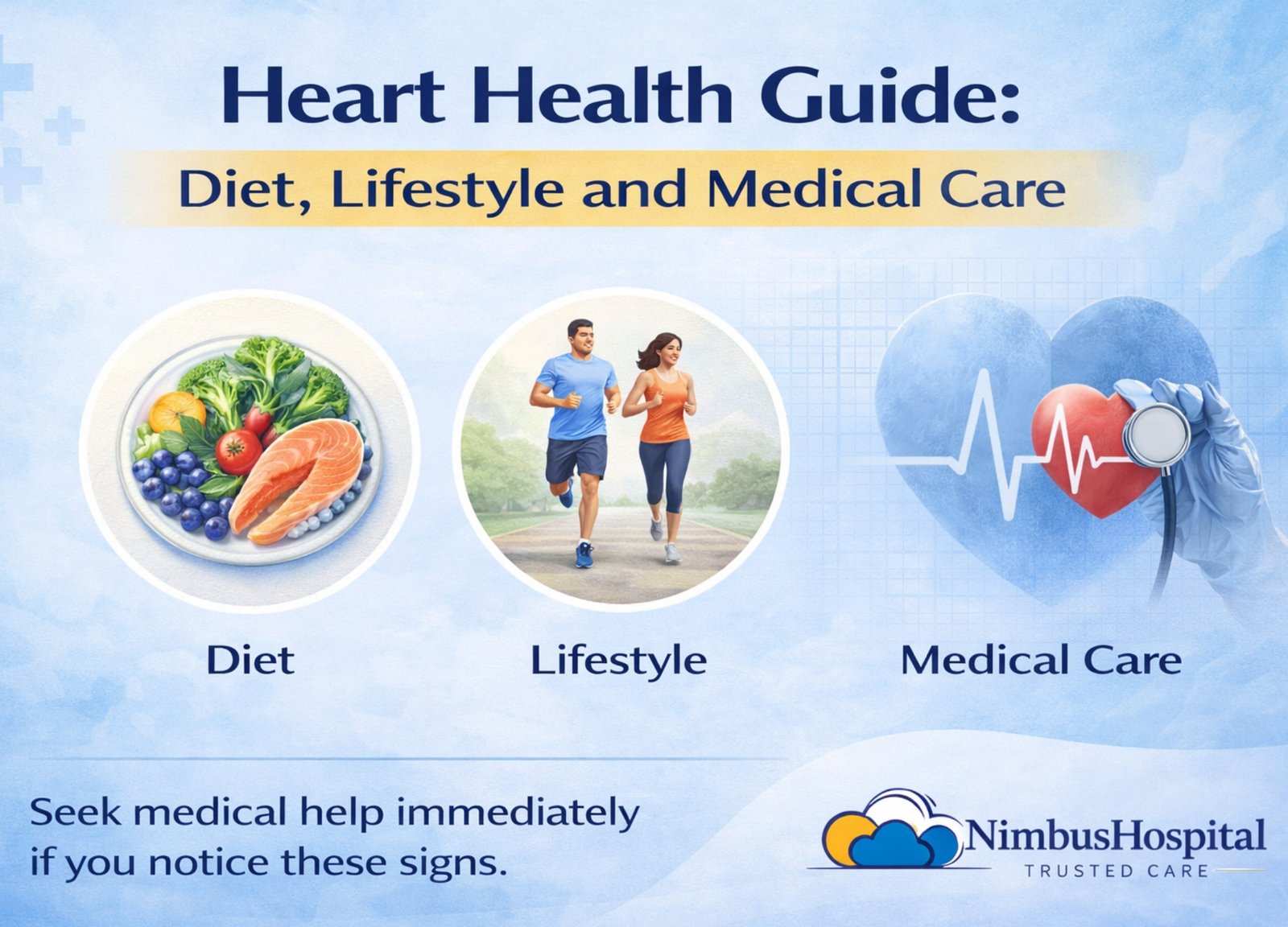
Heart Health Guide: Diet, Lifestyle and Medical Care

Maintaining good heart health is essential for living a long and active life. The heart works continuously to pump blood throughout the body, delivering oxygen and nutrients to vital organs. However, unhealthy eating habits, lack of physical activity, stress, and other lifestyle factors can increase the risk of developing heart problems.

Taking care of the heart involves a combination of healthy diet choices an active lifestyle and regular medical checkups. By understanding the factors that affect heart health, individuals can reduce the chances of developing serious conditions related to cardiovascular disease.

Understanding Heart Health

Heart health refers to how efficiently the heart and blood vessels function to maintain proper blood circulation. When the heart is healthy, it can pump blood effectively, ensuring that the body receives the oxygen and nutrients it needs.

However, poor lifestyle habits may gradually lead to conditions such as heart disease, which can affect the heart’s ability to function properly. Recognizing early heart disease symptoms and making healthy lifestyle choices are important steps in protecting overall health.

Importance of a Heart Healthy Diet

Diet plays a major role in maintaining a healthy heart. Eating nutritious foods helps control cholesterol levels, maintain healthy blood pressure, and reduce the risk of developing serious heart conditions.

A heart-friendly diet may include:

  • Fresh fruits and vegetables
  • Whole grains
  • Lean proteins such as fish and legumes
  • Healthy fats from nuts and seeds
  • Low sodium and low-sugar foods

Limiting processed foods, excessive salt and unhealthy fats can help support better heart function and reduce the chances of developing long-term heart issues.

Lifestyle Habits That Support Heart Health

In addition to a balanced diet, lifestyle habits have a strong impact on heart health. Simple daily practices can help improve heart function and overall well being.

Regular Physical Activity

Exercise strengthens the heart and improves blood circulation. Activities such as walking, cycling, or swimming can help maintain a healthy weight and lower the risk of cardiovascular disease.

Managing Stress

Long-term stress can negatively affect heart health. Practicing relaxation techniques such as meditation, yoga or deep breathing can help reduce stress levels and support overall heart wellness.

Avoiding Smoking

Smoking damages blood vessels and increases the risk of many serious health conditions. Avoiding tobacco products is an important step toward protecting heart health.

Maintaining a Healthy Weight

Excess body weight can place extra strain on the heart. Maintaining a healthy weight through proper diet and physical activity helps reduce the risk of developing heart problems.

Role of Medical Care in Heart Health

Regular medical checkups play an important role in preventing serious heart conditions. Doctors can monitor blood pressure, cholesterol levels, and other important indicators of heart health.

If early heart disease symptoms appear, timely medical evaluation allows doctors to recommend appropriate heart disease treatment and prevent complications. Early diagnosis and proper medical guidance help individuals manage their heart health more effectively.

When to Seek Medical Advice

While many heart conditions develop gradually, certain symptoms should not be ignored. Individuals should seek medical advice if they experience:

  • Chest discomfort
  • Shortness of breath
  • Persistent fatigue
  • Irregular heartbeat
  • Dizziness or lightheadedness

Early medical attention can help identify potential heart conditions before they become severe.

Conclusion

Taking care of heart health requires a balanced approach that includes healthy eating habits, regular physical activity, and proper medical care. By making positive lifestyle changes and staying aware of possible heart disease symptoms, individuals can reduce the risk of developing serious heart conditions.

A proactive approach to heart health can help prevent heart problems, improve overall well being and support a healthier future.

🌐 For consultations and appointments, visit:
https://nimbushospital.in/
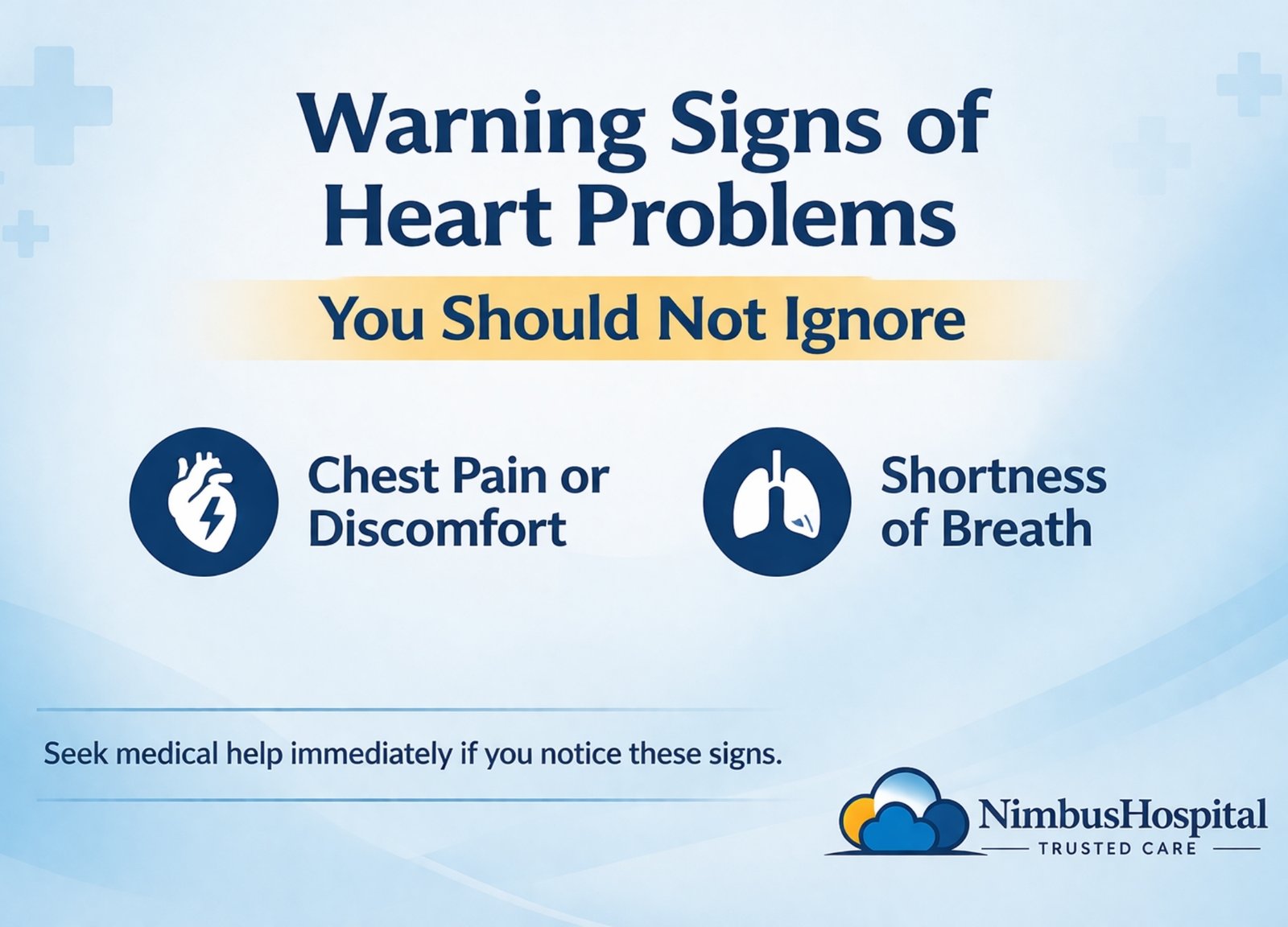
Warning Signs of Heart Problems You Should Not Ignore

Heart health plays a vital role in maintaining overall well being. The heart continuously pumps blood throughout the body, ensuring that organs receive oxygen and essential nutrients. However, unhealthy habits such as poor diet, lack of exercise, smoking, and chronic stress can increase the risk of developing heart problems and other conditions related to cardiovascular disease.

Many heart conditions develop slowly and may not show severe symptoms in the beginning. Because of this, people often ignore the early warning signs. Recognizing the early heart disease symptoms and seeking medical care at the right time can help prevent serious complications.

Understanding Heart Problems

Heart problems refer to a range of conditions that affect the structure or function of the heart. These conditions may involve blocked arteries, irregular heart rhythms or weakened heart muscles.

One of the most common causes of heart disease is reduced blood flow to the heart due to narrowed or blocked arteries. Over time, this can lead to serious complications if the condition is not diagnosed and treated early.

Understanding these conditions and paying attention to warning signs can help individuals take steps to protect their heart health.

Early Warning Signs of Heart Problems

The body often provides signals when something is not functioning properly. Recognizing early heart disease symptoms can help people seek timely medical attention.

Some warning signs that should not be ignored include:

  • Chest discomfort or pressure
  • Shortness of breath during normal activities
  • Unusual fatigue or weakness
  • Irregular heartbeat or palpitations
  • Dizziness or lightheadedness

These symptoms may appear mild at first but could indicate underlying heart issues that require medical evaluation.

Signs of Minor Heart Blockage

In the early stages of heart disease, arteries may begin to narrow due to plaque buildup. Identifying the signs of minor heart blockage can help prevent serious complications later.

Common signs may include:

  • Chest tightness during physical activity
  • Pain spreading to the arm, shoulder, or jaw
  • Shortness of breath when climbing stairs
  • Fatigue during routine tasks

Although these symptoms may seem minor, they can be early indicators of developing cardiovascular disease.

Swelling in Feet and Ankles

In some cases, swelling in the lower legs or ankles may occur when the heart is unable to pump blood effectively. This condition is sometimes described as heart failure swollen feet.

Fluid buildup in the body can cause noticeable swelling, discomfort and heaviness in the legs. If this symptom appears along with breathing difficulty or fatigue, medical evaluation is recommended.

Risk Factors That Increase Heart Problems

Several lifestyle and health factors can increase the risk of developing heart disease. Being aware of these factors helps individuals make healthier choices.

Common risk factors include:

  • High blood pressure
  • High cholesterol
  • Diabetes
  • Smoking
  • Obesity
  • Physical inactivity
  • Chronic stress

Long-term high blood pressure may also contribute to conditions such as hypertensive heart disease, which affects the structure and function of the heart.

Prevention Tips for Better Heart Health

Many heart problems can be prevented by adopting healthier lifestyle habits and maintaining regular health checkups.

Important preventive steps include:

Maintain a Healthy Diet

A balanced diet that includes fruits, vegetables, whole grains and lean proteins helps support heart health.

Exercise Regularly

Regular physical activity improves blood circulation and strengthens the heart, helping reduce the risk of cardiovascular disease.

Manage Stress

Long term stress can negatively affect heart health. Practicing relaxation techniques such as meditation or yoga can help maintain emotional balance.

Avoid Smoking

Smoking damages blood vessels and significantly increases the risk of serious heart issues.

When to Seek Medical Care

If symptoms such as chest pain, breathing difficulty, persistent fatigue or dizziness occur frequently, medical attention should not be delayed. Early diagnosis allows doctors to recommend appropriate heart disease treatment and prevent complications.

Regular health screenings are also important for individuals who have risk factors such as high blood pressure, diabetes, or a family history of heart disease.

Conclusion

Recognizing the warning signs of heart problems can help prevent serious health complications. Many cases of heart disease develop gradually, but early heart disease symptoms often appear before the condition becomes severe.

By paying attention to these warning signs, maintaining a healthy lifestyle, and seeking timely medical care, individuals can significantly reduce the risk of cardiovascular disease and protect their long-term heart health.

🌐 For consultations and appointments, visit:
https://nimbushospital.in/
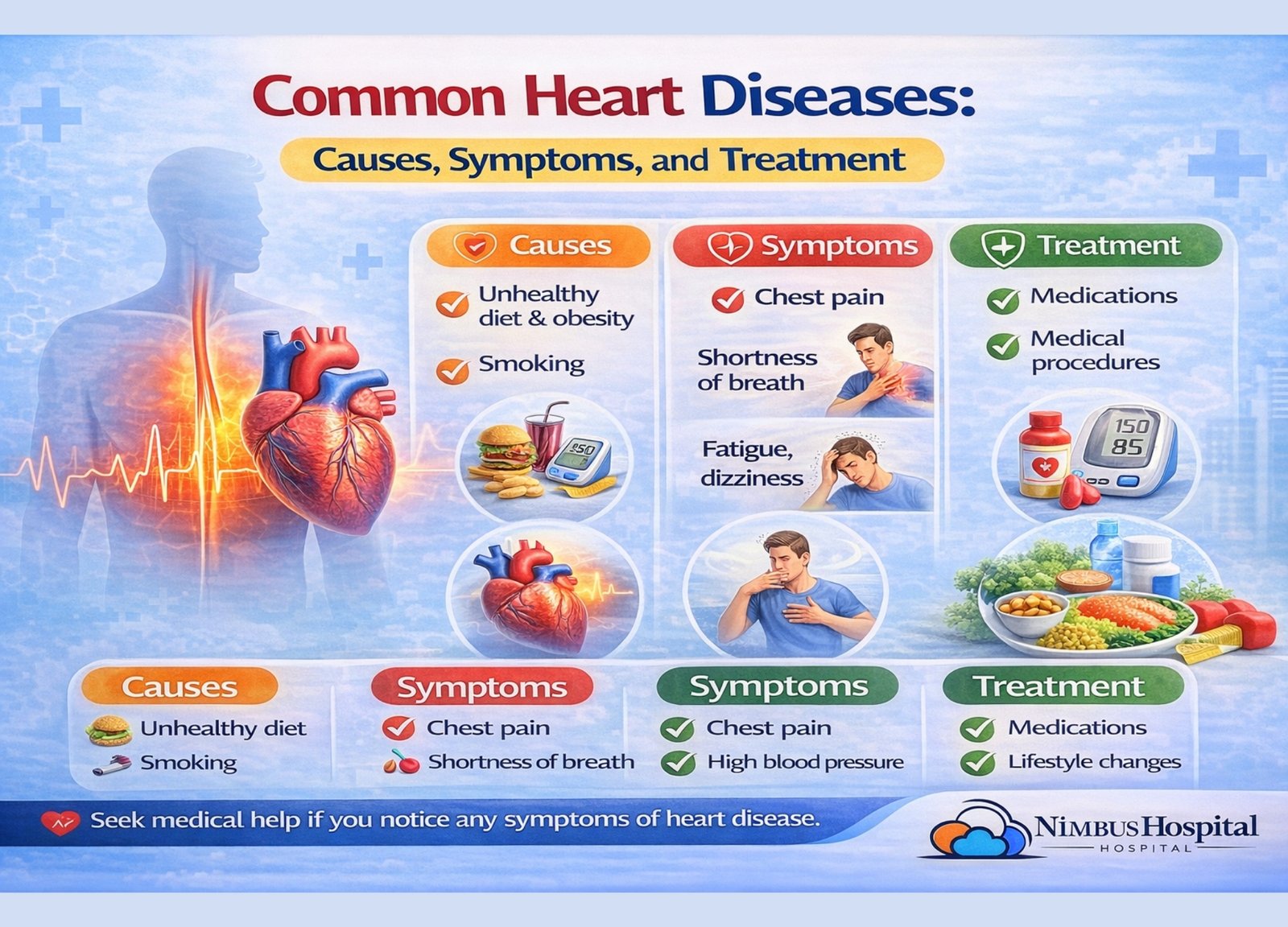
Common Heart Diseases: Causes, Symptoms, and Treatment

Heart health is one of the most important aspects of overall well being. The heart is responsible for pumping blood throughout the body, supplying oxygen and nutrients to every organ. However, unhealthy lifestyle habits, stress, poor diet and lack of physical activity can increase the risk of developing various heart problems and other conditions related to cardiovascular disease.

Many heart conditions develop gradually and may not show noticeable symptoms in the early stages. Understanding different types of heart disease, recognizing heart disease symptoms, and seeking timely medical care can help prevent serious complications.

Understanding Common Heart Diseases

The term heart disease refers to several conditions that affect the heart’s structure and function. These diseases can impact blood circulation, heart rhythm or the ability of the heart to pump blood effectively.

Many forms of cardiovascular disease occur when blood vessels become narrowed or blocked due to plaque buildup. This condition restricts blood flow to the heart and may eventually lead to serious heart issues if not treated in time.

Understanding the causes and warning signs of common heart diseases can help individuals take preventive measures and maintain better heart health.

Common Types of Heart Disease

Several types of heart disease affect people worldwide. Each condition may have different causes and symptoms, but all require proper medical attention.

Coronary Artery Disease

Coronary artery disease is one of the most common forms of cardiovascular disease. It occurs when the arteries supplying blood to the heart become narrowed due to plaque buildup.

Reduced blood flow can lead to chest pain, fatigue, and other heart disease symptoms. If untreated, it may increase the risk of heart attack.

Hypertensive Heart Disease

Hypertensive heart disease develops when long-term high blood pressure puts extra strain on the heart. Over time, this pressure can cause the heart muscle to thicken and affect its ability to pump blood effectively.

Managing blood pressure is essential to prevent complications related to this condition.

Congestive Heart Disease

Congestive heart disease occurs when the heart becomes weak and cannot pump blood efficiently. As a result, fluid may build up in different parts of the body.

One common symptom of this condition is swelling in the legs or ankles, sometimes referred to as heart failure swollen feet. Individuals with this condition may also experience fatigue and breathing difficulties.

Causes of Heart Disease

Several factors can contribute to the development of heart problems. Some causes are related to lifestyle choices, while others may be influenced by genetics or existing health conditions.

Common causes include:

  • High blood pressure
  • High cholesterol levels
  • Smoking
  • Diabetes
  • Obesity
  • Lack of physical activity
  • Unhealthy diet
  • Chronic stress

These factors significantly increase the risk of developing cardiovascular disease, which is why maintaining a healthy lifestyle is important.

Symptoms of Heart Disease

Many heart disease symptoms may appear gradually and should not be ignored. Recognizing these signs early can help individuals seek medical care before the condition becomes severe.

Common symptoms include:

  • Chest pain or discomfort
  • Shortness of breath
  • Unusual fatigue
  • Dizziness or lightheadedness
  • Irregular heartbeat
  • Pain in the arm, neck or jaw

Some individuals may also notice signs of minor heart blockage, such as chest tightness during physical activity or shortness of breath when climbing stairs.

Heart Disease Treatment Options

Early diagnosis plays a major role in effective heart disease treatment. The treatment approach depends on the type and severity of the condition.

Doctors may recommend several treatment options, including:

Lifestyle Changes

Adopting healthier habits such as eating a balanced diet, exercising regularly and avoiding smoking can significantly reduce heart issues.

Medications

Doctors may prescribe medications to control blood pressure, cholesterol levels or irregular heart rhythms.

Medical Procedures

In more serious cases, medical procedures such as angioplasty or surgery may be required to restore proper blood flow to the heart.

Proper medical care helps manage symptoms and prevents the progression of heart disease.

Prevention Tips for Better Heart Health

Preventing heart problems requires consistent healthy habits and regular health checkups.

Important preventive steps include:

  • Maintaining a balanced diet
  • Exercising regularly
  • Managing blood pressure and cholesterol
  • Avoiding smoking and excessive alcohol consumption
  • Maintaining a healthy weight
  • Managing stress effectively

These lifestyle changes can significantly reduce the risk of developing cardiovascular disease and other serious heart conditions.

Conclusion

Understanding common types of heart disease is important for protecting long-term health. Many heart problems develop gradually, but recognizing early heart disease symptoms can help individuals seek timely medical care.

By maintaining healthy lifestyle habits, managing risk factors, and following appropriate heart disease treatment, people can reduce the chances of developing serious cardiovascular disease and maintain better heart health.

🌐 For consultations and appointments, visit:
https://nimbushospital.in/
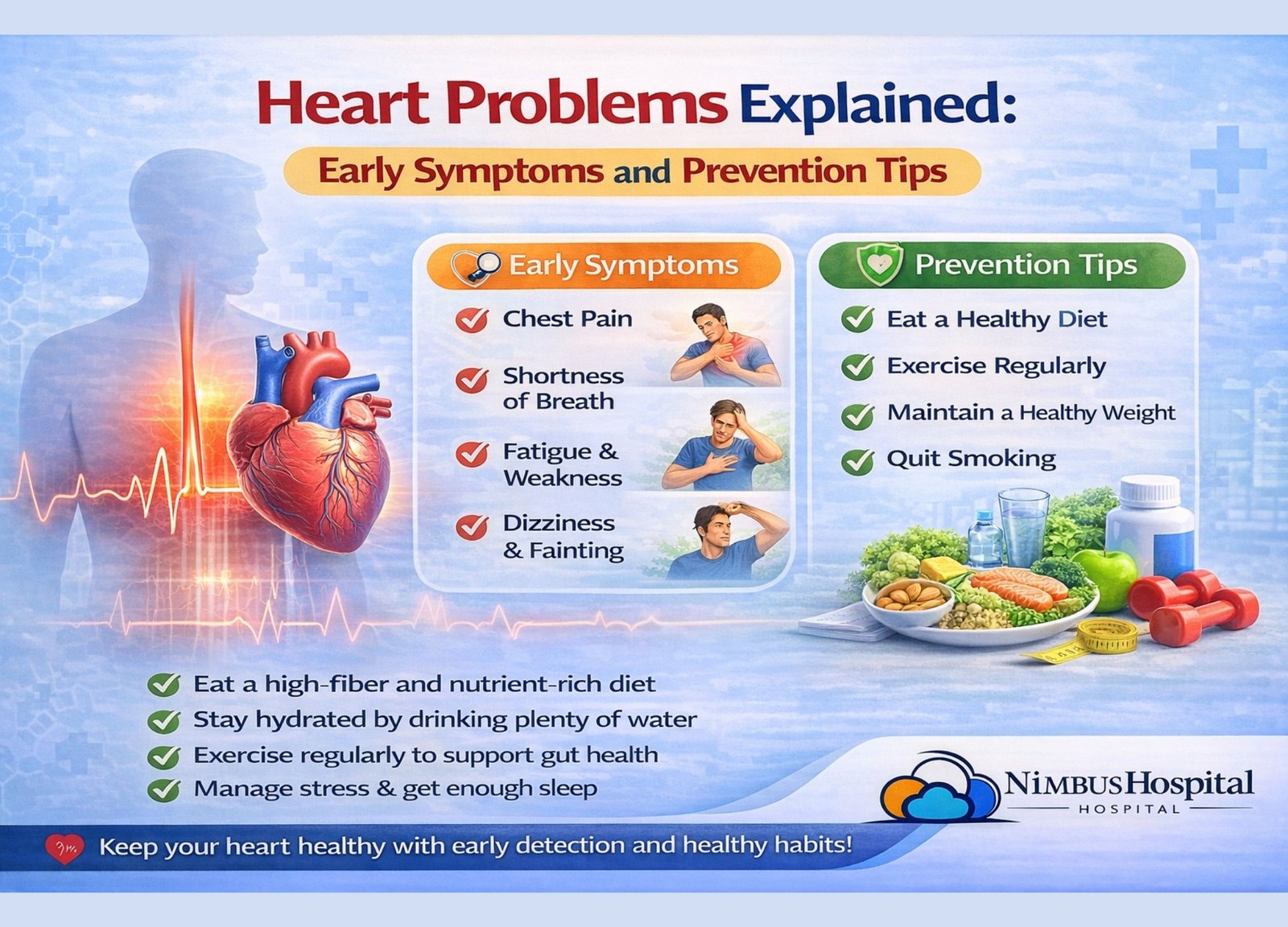
Heart Problems Explained: Early Symptoms and Prevention Tips

Maintaining good heart health is essential for overall well being. The heart continuously pumps blood throughout the body, delivering oxygen and nutrients to vital organs. However, unhealthy lifestyle habits, stress, lack of exercise and poor diet can increase the risk of developing heart problems and other conditions related to cardiovascular disease.

Many people overlook the early warning signs because they often appear mild at first. Understanding the early heart disease symptoms and taking preventive measures can help reduce the chances of developing serious heart disease. Awareness and timely medical attention play an important role in protecting heart health.

Understanding Heart Problems

The term heart problems refers to various conditions that affect how the heart functions. These may include blocked arteries, irregular heart rhythms, weakened heart muscles or complications related to high blood pressure.

One of the most common causes of cardiovascular disease is the buildup of plaque inside the arteries that supply blood to the heart. Over time, this buildup can narrow the arteries and reduce blood flow, leading to serious heart issues if not treated early.

Understanding how these conditions develop helps individuals recognize potential risks and take steps to maintain better heart health.

Early Heart Disease Symptoms

The body often shows warning signs when the heart is not functioning properly. These early heart disease symptoms may develop slowly and can sometimes be mistaken for minor health issues.

Common symptoms include:

  • Chest discomfort or pressure
  • Shortness of breath during physical activity
  • Unusual fatigue or weakness
  • Dizziness or lightheadedness
  • Irregular heartbeat or palpitations

In some cases, people may notice swelling in their feet or ankles due to fluid buildup. This condition, sometimes referred to as heart failure swollen feet, may indicate that the heart is not pumping blood effectively.

Recognizing these symptoms early can help individuals seek medical advice before the condition becomes more serious.

Signs of Minor Heart Blockage

In the early stages of heart disease, the arteries may begin to narrow due to plaque buildup. Identifying the signs of minor heart blockage can help prevent more severe heart complications.

Some common warning signs include:

  • Chest tightness during physical activity
  • Pain spreading to the arm, shoulder or jaw
  • Shortness of breath while climbing stairs
  • Fatigue during routine tasks

Although these symptoms may seem mild, they should not be ignored. Early diagnosis allows doctors to recommend proper heart disease treatment and prevent the condition from worsening.

Conditions Linked to Cardiovascular Disease

Several conditions fall under the broader category of cardiovascular disease. These disorders affect the heart’s ability to pump blood efficiently throughout the body.

One example is hypertensive heart disease, which develops when long-term high blood pressure places strain on the heart. Over time, this pressure can cause the heart muscle to thicken and affect its function.

Another serious condition is congestive heart disease, where the heart becomes weak and cannot pump blood effectively. This may lead to symptoms such as fatigue, breathing difficulty, and fluid buildup in different parts of the body.

Understanding these conditions helps individuals identify potential heart issues and seek medical attention early.

Prevention Tips for Better Heart Health

Many heart problems can be prevented by adopting healthy lifestyle habits. Making small changes in daily routines can significantly reduce the risk of developing serious heart disease.

Maintain a Healthy Diet

A balanced diet rich in fruits, vegetables, whole grains and healthy fats supports heart health and helps reduce the risk of cardiovascular disease.

Exercise Regularly

Regular physical activity strengthens the heart muscles and improves blood circulation. Activities such as walking, cycling or swimming can help lower the risk of heart problems.

Manage Blood Pressure

Controlling blood pressure is essential for preventing conditions such as hypertensive heart disease.

Avoid Smoking

Smoking damages blood vessels and significantly increases the risk of developing heart disease and other serious health problems.

Manage Stress

Long term stress can negatively affect heart health. Practicing relaxation techniques such as meditation, yoga or deep breathing can help reduce stress and support overall heart function.

When to Seek Medical Care

If someone experiences persistent heart disease symptoms such as chest pain, breathlessness, dizziness, or unusual fatigue, it is important to seek medical evaluation without delay. Early diagnosis allows doctors to recommend effective heart disease treatment and prevent serious complications.

Regular health checkups are also important for individuals who have risk factors such as high blood pressure, diabetes or a family history of cardiovascular disease.

Conclusion

Understanding the early signs of heart problems can help prevent serious health complications. Many cases of heart disease develop gradually, but the body often provides warning signals such as chest discomfort, fatigue or signs of minor heart blockage.

By recognizing early heart disease symptoms, maintaining a healthy lifestyle, and seeking timely medical care, individuals can significantly reduce the risk of cardiovascular disease and maintain better heart health.

🌐 For consultations and appointments, visit:
https://nimbushospital.in/