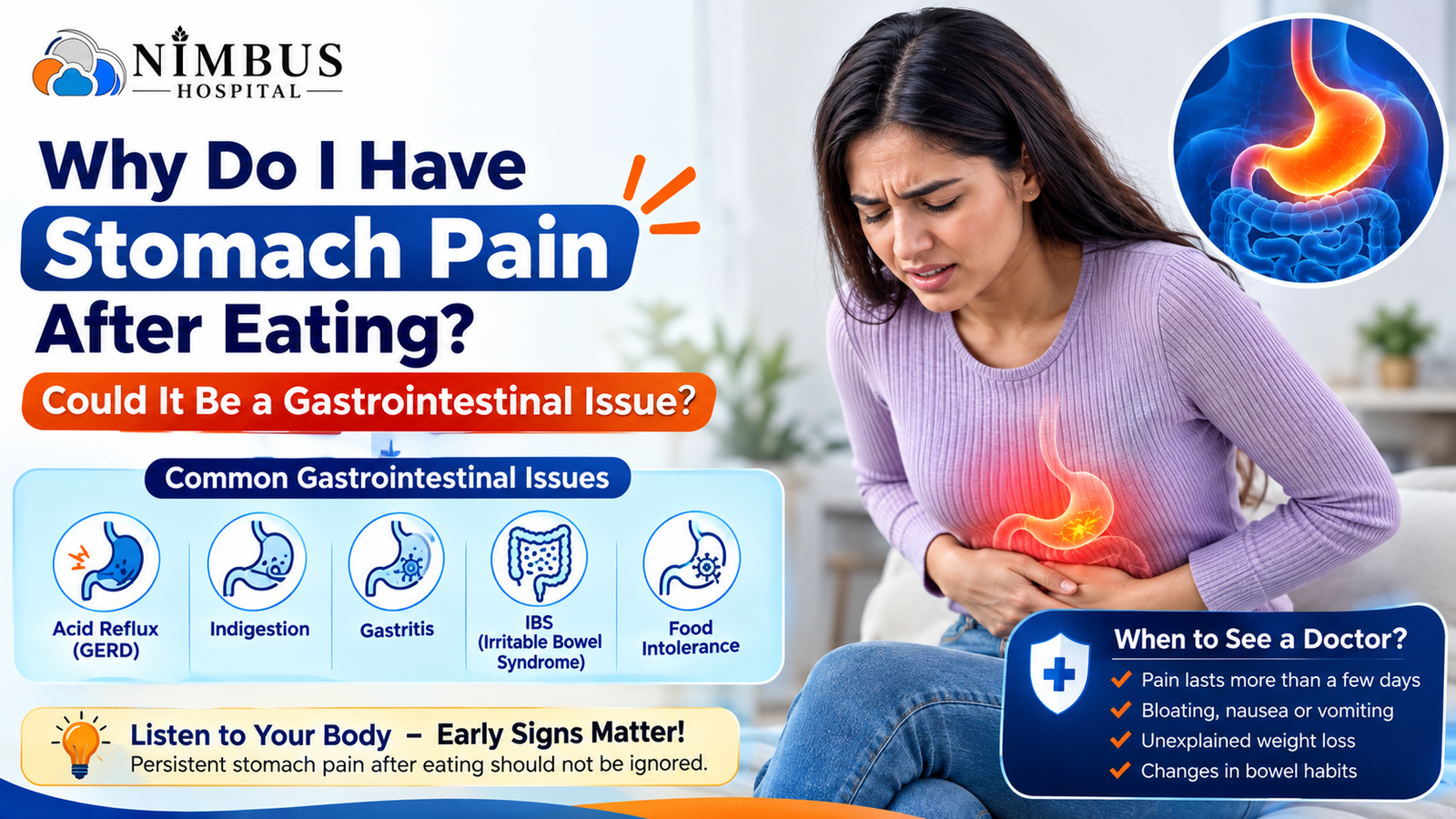
Why Do I Have Stomach Pain After Eating? Could It Be a Gastrointestinal Issue?

Stomach pain after eating is common, but when it happens frequently, becomes severe, or comes with other digestive symptoms, it should not be ignored. Acidity, gas, bloating, GERD, IBS, food intolerance, infections and other gastrointestinal problems can cause abdominal discomfort after meals. At Nimbus Hospital, patients looking for Best Gastrointestinal Treatment in Solan can receive proper evaluation, required diagnostic tests and a personalised treatment plan.

Why Does My Stomach Hurt After Eating?

The digestive system responds to every meal, but certain foods, eating habits and underlying health conditions can lead to pain or discomfort.

Some common reasons include:

1. Acidity or GERD

Acid reflux can cause burning or discomfort in the upper abdomen or chest, especially after heavy meals, late-night eating or trigger foods. Sour burps and heartburn may also occur.

2. Gas and Bloating

Eating too quickly, overeating, certain foods or digestive problems can lead to gas and bloating. You may feel heaviness, fullness or abdominal discomfort after meals.

3. Irritable Bowel Syndrome

IBS can cause recurring abdominal pain, bloating, constipation, diarrhea or changes in bowel habits. Symptoms may vary from person to person and can sometimes be influenced by particular foods or stress.

4. Food Intolerance

Some people develop digestive symptoms after consuming particular foods. Identifying the food pattern and discussing it with a doctor can help determine whether intolerance may be contributing to the problem.

5. Gastrointestinal Infection

Contaminated food or water can cause stomach infections. Abdominal pain may occur along with vomiting, loose motions, fever or weakness.

What Symptoms Should You Watch For?

Stomach pain after eating becomes more important to evaluate when it keeps returning or occurs along with other symptoms.

You may notice:

  • Acidity or heartburn
  • Sour burps
  • Gas and bloating
  • Abdominal cramps
  • Constipation or diarrhea
  • Nausea or vomiting
  • Loss of appetite
  • Feeling unusually full after meals

Nimbus Hospital’s gastrointestinal care information highlights abdominal pain, acidity, bloating, bowel changes, nausea and vomiting among common digestive symptoms that may require evaluation when they occur frequently.

Does the Food You Eat Make a Difference?

Yes. Certain eating habits can contribute to digestive discomfort.

Spicy or oily foods, large portions, irregular meals and late-night eating may worsen acidity or digestive symptoms in some people. Excess caffeine, smoking and alcohol can also contribute to digestive problems.

Instead of completely eliminating multiple foods on your own, it is better to identify patterns. Keep track of what you eat, when the pain starts and whether symptoms such as bloating, acidity or loose motions occur afterward.

When Should You See a Doctor?

Occasional mild stomach discomfort may settle on its own, but recurring pain deserves attention.

Consider consulting a doctor if:

  • Pain occurs frequently after meals
  • Symptoms are affecting your daily routine
  • You have recurring acidity or bloating
  • Constipation or diarrhea continues
  • You frequently feel nauseous
  • Your appetite has reduced
  • Symptoms are becoming more frequent or severe

An MD Medicine specialist can review your symptoms, medical history, lifestyle and previous reports before deciding whether investigations are necessary. Nimbus Hospital follows a structured approach of consultation, targeted investigations, diagnosis, treatment and follow-up.

What Tests May Be Needed?

Not every patient with stomach pain requires extensive testing. The appropriate investigation depends on symptoms and the doctor’s clinical assessment.

Depending on the situation, tests may include:

  • Blood tests
  • Stool tests
  • Ultrasound of the abdomen
  • Liver and kidney-related investigations
  • Endoscopy when required
  • H. pylori testing in appropriate cases

Nimbus Hospital’s gastrointestinal care information lists blood and stool tests, abdominal ultrasound, endoscopy and H. pylori testing among investigations that may be recommended according to the symptoms and suspected cause.

The hospital also has diagnostic facilities including a pathology lab and imaging services, supporting coordinated diagnosis under one roof.

How Is Stomach Pain Treated?

Treatment depends entirely on the underlying cause. There is no single medicine that is appropriate for every type of stomach pain.

Treatment may involve:

Diet and Meal Changes

Eating smaller portions, maintaining regular meal timings and avoiding identified trigger foods may help reduce digestive discomfort.

Medicines When Required

Doctors may prescribe medicines for acidity, GERD, infection or other gastrointestinal conditions when clinically appropriate.

Hydration

Adequate fluids are important for general digestive health. If diarrhea or vomiting is present, maintaining fluid and electrolyte balance becomes particularly important.

Lifestyle Management

Regular physical activity, adequate sleep and stress management can support better digestive health. For conditions such as IBS, lifestyle and dietary changes can form an important part of long-term symptom management.

Why Choose Nimbus Hospital for Gastrointestinal Care?

Digestive problems can have several possible causes, so treating only the immediate pain may not always address the underlying issue. Nimbus Hospital focuses on identifying the likely cause through clinical evaluation and appropriate investigations before developing a personalised treatment approach.

Patients can benefit from:

  • MD Medicine specialist consultation
  • Gastrointestinal and liver-related care
  • Pathology laboratory support
  • Imaging facilities
  • Personalised diet and lifestyle guidance
  • Medication when clinically required
  • Follow-up and monitoring
  • Emergency support when urgent symptoms occur

The hospital’s care model includes reviewing symptoms and medical history, ordering investigations only when needed, creating a treatment plan and monitoring the patient’s response over time.

Which Stomach Pain Symptoms Need Urgent Attention?

Some digestive symptoms should not be managed at home without medical evaluation.

Seek urgent medical attention if stomach pain is:

  • Sudden and severe
  • Getting rapidly worse
  • Associated with high fever
  • Accompanied by persistent vomiting
  • Associated with vomiting blood
  • Associated with black or tar-like stools
  • Accompanied by severe weakness or dizziness
  • Associated with yellowing of the eyes or skin

Severe abdominal pain, gastrointestinal bleeding, persistent vomiting, dehydration and jaundice are listed by Nimbus Hospital as warning signs requiring prompt evaluation.

What Can I Do to Reduce Stomach Discomfort?

A few simple habits may support better digestion:

  • Eat meals at regular times
  • Avoid overeating
  • Eat slowly and chew properly
  • Drink enough water
  • Limit foods that repeatedly trigger symptoms
  • Avoid unnecessary painkiller use
  • Maintain good food and water hygiene
  • Include fibre gradually when appropriate
  • Stay physically active

However, lifestyle changes should not replace medical evaluation when pain is persistent, recurrent or severe.

Final Thoughts

Stomach pain after eating can have a simple explanation such as overeating or acidity, but recurring pain may indicate GERD, IBS, food intolerance, infection or another gastrointestinal condition. The important step is to understand why the pain is occurring instead of repeatedly treating the symptom yourself.

If you are experiencing persistent digestive discomfort and looking for Best Gastrointestinal Treatment in Solan, proper consultation and timely diagnosis can help you receive treatment based on the actual cause. Nimbus Hospital provides gastrointestinal evaluation, diagnostic support, personalised treatment and follow-up care under one roof.

FAQ’s

1. Why does my stomach hurt after eating?

Acidity, gas, bloating, IBS, food intolerance and infections can cause pain after meals.

2. Can acidity cause stomach pain?

Yes. Acidity and GERD can cause burning, discomfort and other digestive symptoms.

3. When should stomach pain be checked?

Recurring, severe or worsening pain should be evaluated by a doctor.

4. Can IBS cause abdominal pain?

Yes. IBS commonly causes recurring abdominal pain along with bloating or bowel changes.

5. What tests may be used for stomach problems?

Depending on symptoms, doctors may recommend blood tests, stool tests, ultrasound or endoscopy.
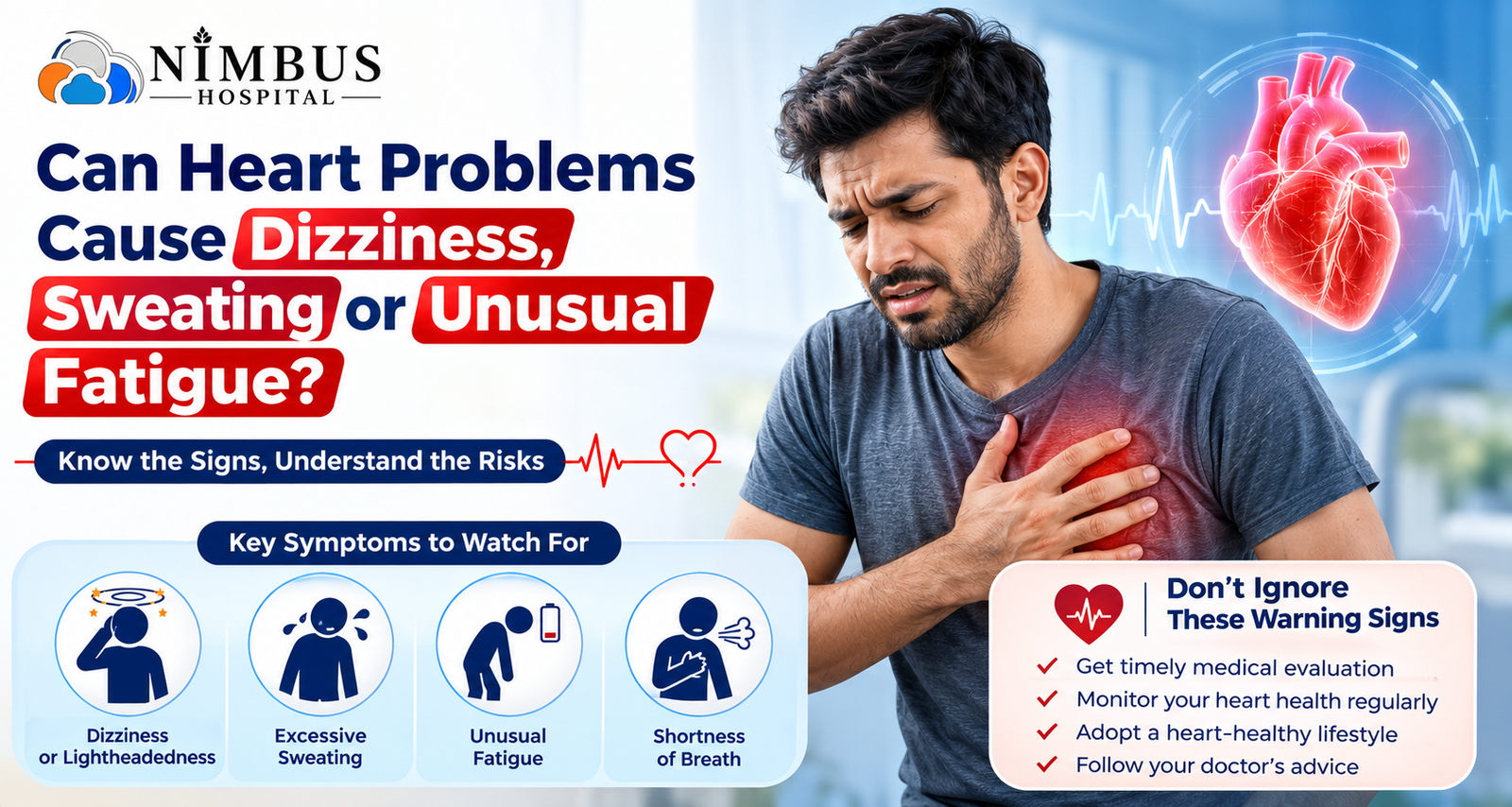
Can Heart Problems Cause Dizziness, Sweating or Unusual Fatigue?

Dizziness, sweating and unusual fatigue are symptoms that people often associate with stress, weakness, dehydration or lack of sleep. However, in some cases, these symptoms can also be linked to heart problems. The heart and circulatory system are responsible for delivering oxygen-rich blood throughout the body, so problems affecting the heart can sometimes cause symptoms beyond the chest. If dizziness, sudden sweating or unexplained tiredness occurs repeatedly particularly with chest discomfort, breathlessness or palpitations it is important to seek medical evaluation. Timely Heart Problems Treatment in Solan can help identify the underlying cause and determine appropriate care.

Can Heart Problems Cause Dizziness?

Yes, certain heart conditions can cause dizziness or a feeling of light-headedness.

Dizziness may occur when the brain does not receive enough blood flow or oxygen. Heart rhythm problems, low blood pressure and some cardiovascular conditions can affect how effectively the heart pumps blood.

Some people may describe the sensation as:

  • Feeling light-headed
  • Feeling unsteady
  • Feeling as though they may faint
  • Brief episodes of weakness
  • Dizziness after standing or during physical activity

Not every episode of dizziness is caused by the heart. Inner-ear problems, dehydration, low blood sugar, anaemia and certain medicines can also cause dizziness. This is why proper evaluation is important.

Why Can Heart Problems Cause Sweating?

Sudden or unexplained sweating can sometimes occur when the body is responding to physical stress.

During certain cardiac events, the body’s nervous system may become activated, causing sweating even when the person is not exercising or in a hot environment.

Cold sweating, particularly when accompanied by chest pressure, breathlessness, nausea, dizziness or unusual weakness, should not be ignored.

If these symptoms appear suddenly or are severe, emergency medical attention may be necessary.

Can Unusual Fatigue Be a Sign of a Heart Problem?

It can be, particularly when fatigue is new, persistent or significantly different from your normal energy levels.

When the heart cannot pump blood effectively, the body may not receive adequate oxygen and nutrients during activity. As a result, everyday tasks that previously felt easy may start causing unusual tiredness or weakness.

Some people may notice:

  • Getting tired while walking short distances
  • Reduced exercise tolerance
  • Breathlessness during routine activities
  • Feeling weak without an obvious reason
  • Needing more rest than usual

Fatigue alone does not confirm a heart problem, but persistent unexplained fatigue deserves medical assessment.

Which Symptoms Along With Dizziness Need Attention?

Dizziness becomes more concerning when it occurs together with other cardiovascular symptoms.

Seek prompt medical evaluation if dizziness occurs with:

  • Chest pain or pressure
  • Shortness of breath
  • Unusual sweating
  • Fast or irregular heartbeat
  • Fainting or near-fainting
  • Sudden weakness
  • Severe fatigue
  • Pain spreading to the arm, shoulder, back, neck or jaw

A combination of symptoms can provide important information to the doctor and should not simply be attributed to stress or tiredness.

What Heart Conditions Can Cause These Symptoms?

Several cardiovascular conditions can potentially cause dizziness, sweating or fatigue.

Heart Rhythm Problems

Abnormal heart rhythms can make the heart beat too quickly, too slowly or irregularly. This may reduce effective blood circulation and cause dizziness, weakness or palpitations.

Low Blood Pressure

A significant drop in blood pressure can cause light-headedness, particularly when standing up. It can have several causes, including medicines, dehydration and cardiovascular problems.

Heart Failure

Heart failure can cause symptoms such as persistent tiredness, reduced ability to exercise and breathlessness. Some people may also develop swelling in the legs or ankles.

Coronary Artery Disease

Reduced blood flow to the heart muscle can cause chest discomfort, breathlessness or reduced exercise tolerance. Symptoms can vary considerably between individuals.

How Are Heart Problems Diagnosed?

A doctor usually begins with a detailed medical history and physical examination. Depending on the symptoms and suspected condition, investigations may include blood pressure measurement, ECG, blood tests, chest imaging or other cardiac tests.

Nimbus Hospital provides cardiac and respiratory medical services along with diagnostic support. Its website lists ECG, X-ray, computerized laboratory facilities and medical consultation among its available services.

The appropriate tests depend on the individual’s symptoms, age, medical history and risk factors. Not every patient requires the same investigations.

What Is the Treatment for Heart Problems?

Treatment depends entirely on the underlying heart condition.

Depending on the diagnosis, management may include lifestyle changes, medicines, monitoring, treatment of associated conditions or specialist cardiac care.

Controlling risk factors such as high blood pressure, diabetes, high cholesterol, smoking, obesity and physical inactivity can also be an important part of cardiovascular health.

Medicines should be taken only as prescribed, and patients should not stop cardiac medicines without discussing it with their doctor.

Why Choose Nimbus Hospital for Heart Care?

Nimbus Hospital provides medical care for cardiovascular and respiratory concerns, supported by diagnostic facilities. Its Cardiac & Respiratory Physician service focuses on evaluating symptoms such as chest discomfort, breathlessness and other heart or respiratory complaints.

The hospital also provides ECG and other diagnostic services that may be recommended during evaluation.

Its patient-focused approach includes medical consultation, appropriate investigations, personalised treatment planning and follow-up care. Having consultation and diagnostic facilities available within the same healthcare setting can make evaluation more convenient for patients.

For people seeking Heart Problems Treatment in Solan, proper diagnosis is particularly important because symptoms such as dizziness, sweating and fatigue can have several possible causes.

When Is Dizziness or Sweating an Emergency?

Sudden dizziness or sweating should be treated seriously when accompanied by symptoms that may indicate an acute cardiac problem.

Seek emergency medical help immediately if you experience severe chest pain or pressure, difficulty breathing, fainting, sudden severe weakness, or other rapidly worsening symptoms.

Do not drive yourself if you are experiencing severe symptoms. Emergency assessment can help determine whether the problem is cardiac or caused by another serious condition.

Final Thoughts

Dizziness, sweating and unusual fatigue do not always mean that you have a heart problem. However, when these symptoms are new, unexplained, persistent or occur together with chest discomfort, breathlessness or palpitations, they should not be ignored.

A proper medical evaluation can help determine whether the symptoms are related to the heart, blood pressure, blood sugar, anaemia, medications or another condition. Early assessment is especially important for people with risk factors such as diabetes, high blood pressure, high cholesterol, smoking or a family history of heart disease.

FAQs

1. Can heart problems cause dizziness?
Yes, certain heart rhythm and circulation problems can cause dizziness or light-headedness.

2. Is sudden sweating a heart symptom?
Sudden cold sweating can sometimes occur with serious heart problems.

3. Can heart problems cause constant fatigue?
Yes, some cardiovascular conditions can cause unusual or persistent fatigue.

4. When is dizziness an emergency?
Dizziness with chest pain, severe breathlessness or fainting requires urgent medical attention.

5. Which test can detect heart problems?
An ECG is commonly used, while additional tests depend on the suspected condition.

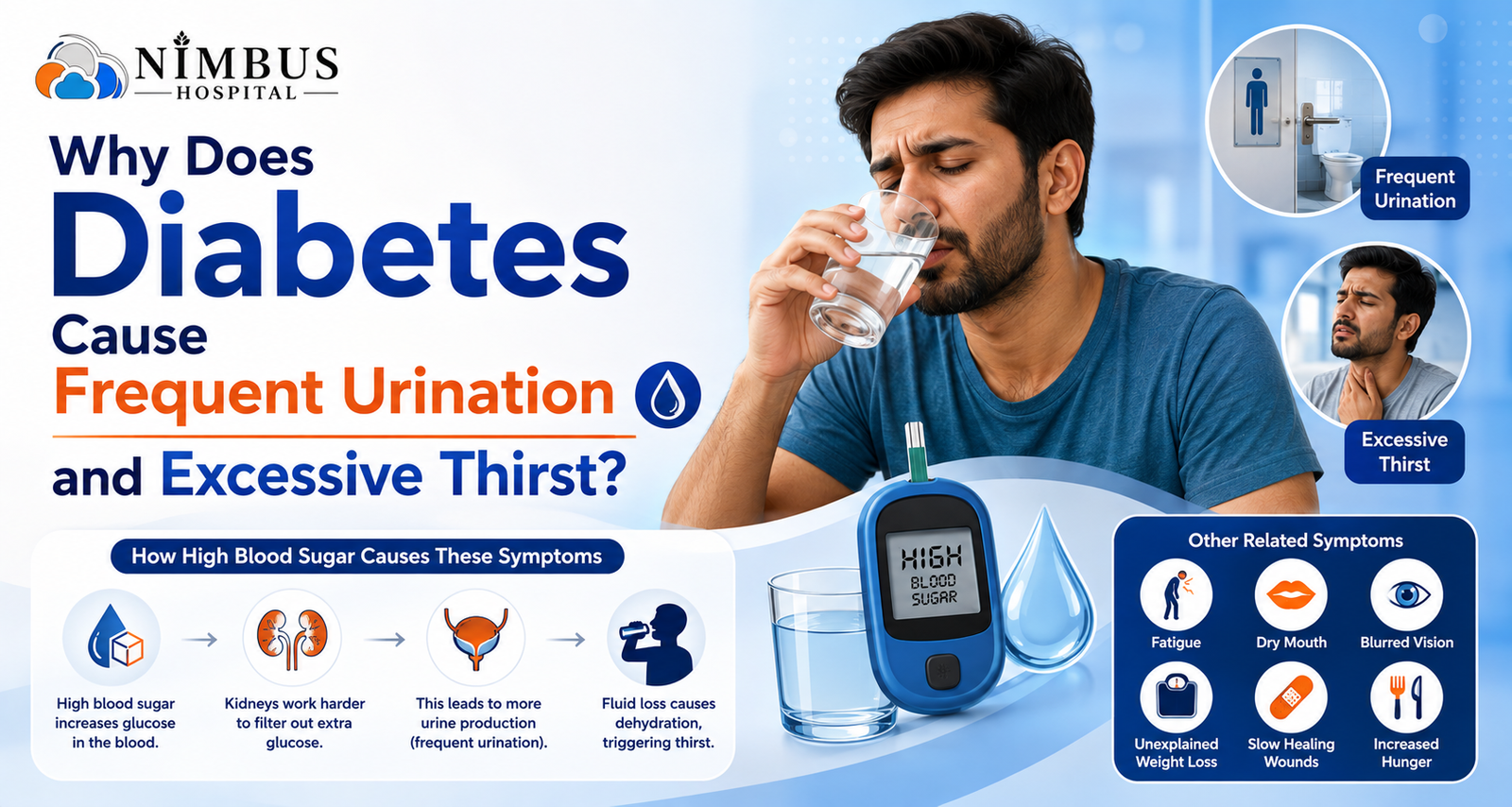
Why Does Diabetes Cause Frequent Urination and Excessive Thirst?

Frequent urination and excessive thirst are two common symptoms that can occur when blood sugar levels remain high. Many people initially ignore these changes, assuming they are caused by drinking more water, hot weather, or a busy routine. However, persistent thirst and repeated urination especially at night can sometimes indicate uncontrolled diabetes. Understanding why these symptoms happen can help you seek medical advice at the right time. If you are experiencing these symptoms regularly, proper evaluation and Diabetes Treatment in Solan can help identify the underlying cause and manage blood sugar effectively.

Why Does Diabetes Make You Urinate Frequently?

When blood glucose becomes too high, the kidneys try to remove the excess glucose from the blood. Normally, the kidneys filter glucose and return it to the bloodstream. But when there is more glucose than the kidneys can handle, some glucose passes into the urine.

Glucose attracts water with it. As a result, the body produces more urine to remove the excess glucose. This can lead to frequent urination, medically known as polyuria.

You may notice that you:

  • Need to urinate more often than usual
  • Wake up several times at night to urinate
  • Produce larger amounts of urine
  • Feel thirsty soon after urinating

If frequent urination continues without an obvious reason, checking your blood sugar can be an important first step.

Why Does Diabetes Cause Excessive Thirst?

Frequent urination causes the body to lose more fluid. As the body loses water, it can become dehydrated.

The brain responds to this fluid loss by creating a stronger sensation of thirst. This is why a person with high blood sugar may feel unusually thirsty and continue drinking water throughout the day.

A common pattern can therefore develop:

High blood sugar → excess glucose in urine → increased urination → fluid loss → increased thirst

This cycle can continue until the underlying high blood sugar is addressed.

Are Frequent Urination and Thirst Always Signs of Diabetes?

Not necessarily.

Frequent urination and increased thirst can also occur because of several other factors, including excessive fluid intake, certain medicines, urinary problems, infections and other medical conditions.

Therefore, it is not advisable to diagnose diabetes based on these symptoms alone.

A doctor may recommend blood glucose testing, HbA1c and other investigations depending on your symptoms and medical history. Nimbus Hospital provides diagnostic facilities and medical consultation to help evaluate conditions such as diabetes and other chronic health problems.

What Other Diabetes Symptoms Should You Watch For?

Along with excessive thirst and frequent urination, high blood sugar may sometimes cause:

  • Increased hunger
  • Unusual tiredness
  • Blurred vision
  • Slow-healing cuts or wounds
  • Unexplained weight loss
  • Recurrent infections
  • Dry mouth or dry skin

Some people, particularly in the early stages of type 2 diabetes, may have few or no noticeable symptoms. This is one reason regular health checks can be useful for people who have diabetes risk factors.

What Causes Blood Sugar to Become High?

Diabetes can develop due to several factors rather than one specific cause.

Type 2 diabetes is commonly associated with insulin resistance, where the body’s cells do not respond properly to insulin. Family history, excess weight, physical inactivity, unhealthy eating patterns and increasing age can also increase the risk.

Other forms of diabetes have different causes. Therefore, treatment should be based on the type of diabetes and the individual’s overall health.

How Is Diabetes Diagnosed?

A doctor may use blood tests to determine whether blood sugar levels are within the normal range or indicate prediabetes or diabetes.

Common tests include:

Fasting blood glucose: Measures blood sugar after fasting.

Post-meal blood glucose: Measures glucose after eating.

HbA1c: Provides an indication of average blood sugar levels over the previous few months.

Your doctor may recommend one or more tests depending on your symptoms and medical history.

How Is Diabetes Treated?

Diabetes treatment is not the same for everyone. Depending on the patient’s condition, treatment may involve dietary changes, regular physical activity, weight management, oral medicines, injectable medicines or insulin.

Regular monitoring is also important. Treatment may need to be adjusted when blood sugar levels, lifestyle, weight or other health conditions change.

At Nimbus Hospital, diabetes care is provided through its medical services with diagnostic support and ongoing monitoring. The hospital focuses on personalised treatment according to the patient’s health needs rather than following the same approach for everyone.

Why Choose Nimbus Hospital for Diabetes Care?

Nimbus Hospital provides medical consultation, diagnostic facilities and ongoing care for chronic conditions such as diabetes. Its MD Medicine services include diabetes management along with conditions such as hypertension, thyroid disorders and obesity.

The hospital also has a computerized laboratory and diagnostic services, helping patients access relevant investigations as recommended by their doctor.

For people looking for diabetes care in Solan, having consultation, testing and follow-up support available in one healthcare setting can make ongoing management more convenient.

When Should You See a Doctor?

Do not ignore persistent excessive thirst or frequent urination, particularly when these symptoms occur together.

You should consider consulting a doctor if you:

  • Urinate frequently without an obvious reason
  • Wake repeatedly at night to urinate
  • Feel unusually thirsty throughout the day
  • Have unexplained weight loss
  • Experience persistent tiredness or blurred vision
  • Have a family history of diabetes
  • Have previously been told that your blood sugar is high

Early evaluation can help determine whether diabetes, prediabetes or another condition is responsible.

Final Thoughts

Frequent urination and excessive thirst can be your body’s response to persistently high blood sugar. When glucose levels rise significantly, the kidneys work to remove excess glucose through urine, resulting in fluid loss and increased thirst.

These symptoms should not automatically be considered diabetes, but persistent or unexplained changes deserve medical evaluation. With appropriate testing, lifestyle management, medicines when required and regular follow-up, diabetes can often be managed effectively.

If you are experiencing these symptoms or have concerns about your blood sugar, consult a qualified doctor for proper evaluation and personalised Diabetes Treatment in Solan.

FAQs

1. Why does diabetes cause frequent urination?
High blood sugar makes the kidneys remove excess glucose through urine.

2. Why does diabetes make you thirsty?
Frequent urination causes fluid loss, which increases thirst.

3. Is excessive thirst always diabetes?
No. Several other conditions can also cause excessive thirst.

4. Can frequent urination indicate high sugar?
Yes, especially when it occurs with excessive thirst and other symptoms.

5. Which test checks for diabetes?
Blood glucose and HbA1c tests are commonly used to assess diabetes.

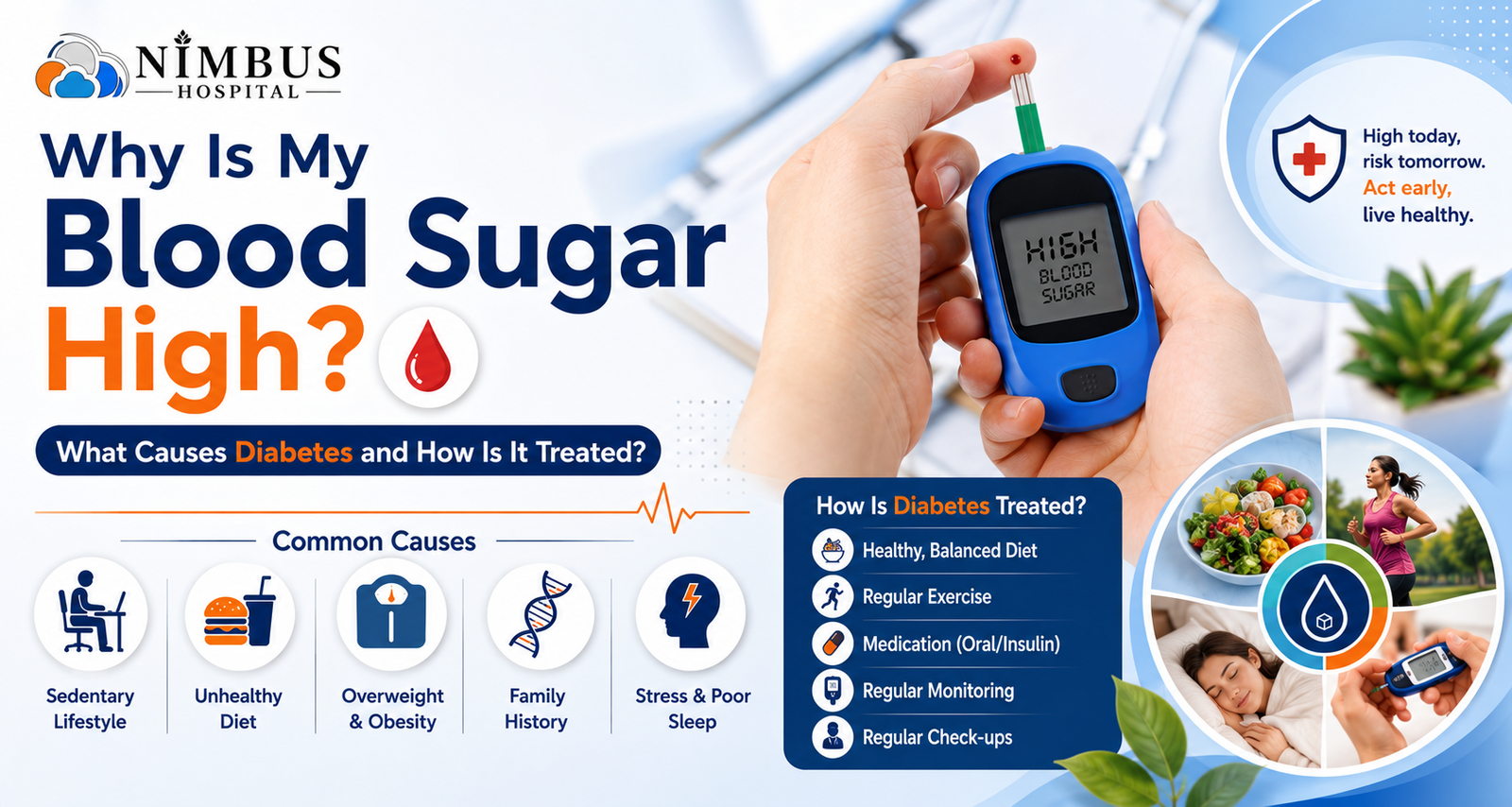
Why Is My Blood Sugar High? What Causes Diabetes and How Is It Treated?

High blood sugar is not always caused by eating too many sweets. Many people are surprised when their blood sugar report comes back higher than normal, especially when they feel completely healthy. Diabetes can develop because of a combination of genetics, insulin resistance, excess weight, lifestyle habits, age, certain medical conditions and other risk factors. If your blood sugar remains high or you are experiencing symptoms such as excessive thirst, frequent urination, unexplained weight changes or unusual tiredness, it is important to get evaluated by a qualified doctor. Consulting a Sugar specialist doctor Solan can help identify the reason behind high blood sugar and create a treatment plan based on your health, lifestyle and medical needs.

What Does High Blood Sugar Mean?

Blood sugar, also called blood glucose, is the main source of energy for the body’s cells. Insulin, a hormone produced by the pancreas, helps glucose move from the bloodstream into cells.

When the body does not produce enough insulin or cannot use insulin effectively, glucose starts building up in the blood. Over time, persistently high blood sugar can affect different organs and increase the risk of complications.

A single high reading does not necessarily mean that a person has diabetes. Doctors may recommend repeat testing and tests such as fasting blood glucose, post-meal blood glucose and HbA1c depending on the individual’s symptoms and medical history.

What Causes Blood Sugar to Become High?

There is no single reason why everyone’s blood sugar becomes high. Several factors can contribute.

Insulin resistance occurs when the body’s cells do not respond effectively to insulin. The pancreas may initially produce more insulin to compensate, but over time blood glucose can begin to rise.

1. Insulin Resistance

Insulin resistance is commonly associated with excess weight, physical inactivity and metabolic problems.

2. Family History

Having close family members with diabetes can increase your risk. However, having a family history does not mean that diabetes is unavoidable. Healthy eating, regular physical activity, maintaining a healthy weight and appropriate medical monitoring can help reduce risk.

3. Unhealthy Eating Habits

Regular consumption of highly processed foods, sugary beverages and excessive calories can contribute to weight gain and poor blood sugar control.

This does not mean that people with diabetes can never enjoy their favourite foods. Instead, portion control, balanced meals and appropriate dietary guidance are important parts of long-term management.

4. Lack of Physical Activity

Regular movement helps the body use glucose more efficiently. A sedentary lifestyle can contribute to insulin resistance and weight gain.

Even simple activities such as walking can be useful when included consistently and when appropriate for your health condition.

5. Stress and Poor Sleep

Long-term stress and inadequate sleep can affect hormones involved in metabolism and may make blood sugar management more difficult. These factors are particularly important for people who already have diabetes or are at increased risk.

6. Age and Other Health Conditions

The risk of type 2 diabetes generally increases with age. Conditions such as obesity, hypertension and other metabolic problems may also occur alongside diabetes.

For this reason, diabetes care should not focus only on the sugar reading. A complete assessment of blood pressure, weight, cholesterol, kidney health and other relevant factors may be necessary.

What Are the Symptoms of High Blood Sugar?

Some people with high blood sugar have no obvious symptoms, particularly during the early stages. Others may experience:

  • Increased thirst
  • Frequent urination
  • Increased hunger
  • Unusual tiredness
  • Blurred vision
  • Slow-healing wounds
  • Unexplained weight loss
  • Recurrent infections

If these symptoms continue, medical evaluation is advisable. Early identification can help with timely treatment and reduce the risk of complications.

How Is Diabetes Diagnosed?

Diabetes should be diagnosed through appropriate medical evaluation rather than symptoms alone.

Depending on the situation, a doctor may recommend blood glucose testing and HbA1c testing. Additional investigations may be advised based on the patient’s age, symptoms, existing health conditions and risk factors.

Nimbus Hospital provides a computerized laboratory and diagnostic support under one roof. Its MD Medicine department specifically lists diabetes management, blood sugar testing and long-term chronic disease monitoring among its services.

The goal is to understand the patient’s overall health rather than treating one abnormal report in isolation.

How Is Diabetes Treated?

Diabetes treatment depends on the type of diabetes, blood sugar levels, age, medical history, existing complications and individual lifestyle.

Treatment may include:

Lifestyle Changes

A balanced diet, regular physical activity, adequate sleep and weight management can play an important role in blood sugar control.

Patients should avoid making extreme dietary changes without professional guidance. A sustainable eating pattern that fits the person’s routine is usually more practical for long-term management.

Medicines

Some people can manage early-stage type 2 diabetes through lifestyle changes, while others require medicines. The choice of medicine depends on the individual’s medical condition and glucose levels.

Medicines should be taken exactly as prescribed. Patients should not stop or change diabetes medication simply because they feel better or because a single sugar reading has improved.

Regular Monitoring

Diabetes management requires ongoing monitoring. Doctors may review blood sugar readings, HbA1c, blood pressure, weight and other relevant health parameters during follow-ups.

Nimbus Hospital’s approach includes consultation, targeted investigations, personalised treatment, diet and routine guidance, followed by monitoring and adjustment of the treatment plan when required.

Can Diabetes Be Controlled Without Medicine?

This depends on the individual.

Some people with early type 2 diabetes may improve their blood sugar levels significantly through weight management, dietary changes and regular physical activity. However, others need medication from the beginning or may require medication later.

The important point is that treatment should be based on medical assessment rather than advice from social media, friends or unverified home remedies.

If you have persistent high sugar readings, speaking with a Sugar specialist doctor Solan can help determine whether lifestyle changes alone are appropriate or whether medication and closer monitoring are needed.

Why Choose Nimbus Hospital for Diabetes Care?

Nimbus Hospital provides comprehensive healthcare with a patient-first approach and supports the management of chronic conditions such as diabetes through its MD Medicine department. The hospital combines consultation, diagnostic services, personalised treatment and follow-up care.

Experienced Medical Care

Nimbus Hospital’s MD Medicine service focuses on adult healthcare, including diabetes, thyroid disorders, hypertension, obesity and other metabolic conditions.

Advanced Diagnostic Support

The hospital provides a computerized pathology laboratory along with other diagnostic facilities. Blood sugar and related investigations can be performed as recommended by the doctor.

Personalised Treatment

Diabetes does not affect every patient in the same way. Nimbus Hospital describes its care approach as personalised according to the patient’s medical condition, age, lifestyle and long-term health goals.

Long-Term Follow-Up

Managing diabetes is a continuous process. Regular follow-up allows doctors to assess treatment response, review reports and make changes when necessary. Nimbus Hospital specifically highlights chronic disease monitoring and long-term follow-up as part of its MD Medicine care.

Multi-Specialty Support

Diabetes can affect or occur alongside other health conditions such as high blood pressure, heart problems, kidney issues and obesity. Nimbus Hospital provides multiple medical services under one roof, allowing coordinated care when additional evaluation is needed.

24×7 Emergency Support

Nimbus Hospital provides 24×7 emergency support, which is important for patients who develop serious symptoms or require urgent medical attention.

When Should You See a Doctor for High Blood Sugar?

You should consider medical consultation if your blood sugar repeatedly remains above the recommended range, you develop symptoms of diabetes, you have a strong family history, or you have other risk factors such as obesity or high blood pressure.

Urgent medical attention may be required if very high blood sugar is accompanied by severe weakness, vomiting, confusion, difficulty breathing, dehydration or altered consciousness.

Do not rely on symptoms alone to judge whether your diabetes is controlled. A person can feel perfectly well while blood sugar remains elevated.

Final Thoughts

High blood sugar is a condition that deserves proper evaluation rather than guesswork. Diabetes can develop because of several factors, and the right treatment depends on the individual’s health, blood sugar levels, lifestyle and medical history.

The good news is that diabetes can often be managed effectively with appropriate medical care, healthy lifestyle habits, regular monitoring and medicines when required. Early diagnosis and consistent follow-up can make a significant difference in preventing complications and maintaining a better quality of life.

If you are experiencing repeated high sugar readings or symptoms associated with diabetes, consult a qualified doctor for an appropriate evaluation and personalised treatment plan.

FAQs

1. Why is my blood sugar high?
High sugar can result from insulin resistance, diet, stress, genetics, or lack of activity.

2. What are common diabetes symptoms?
Excessive thirst, frequent urination, tiredness, and blurred vision are common symptoms.

3. Can diabetes be controlled?
Yes, diabetes can often be controlled with diet, exercise, medicines, and regular monitoring.

4. When should I see a diabetes doctor?
See a doctor if your blood sugar remains high or symptoms keep occurring.

5. How can I manage high blood sugar?
Follow a balanced diet, stay active, take prescribed medicines, and monitor sugar regularly.

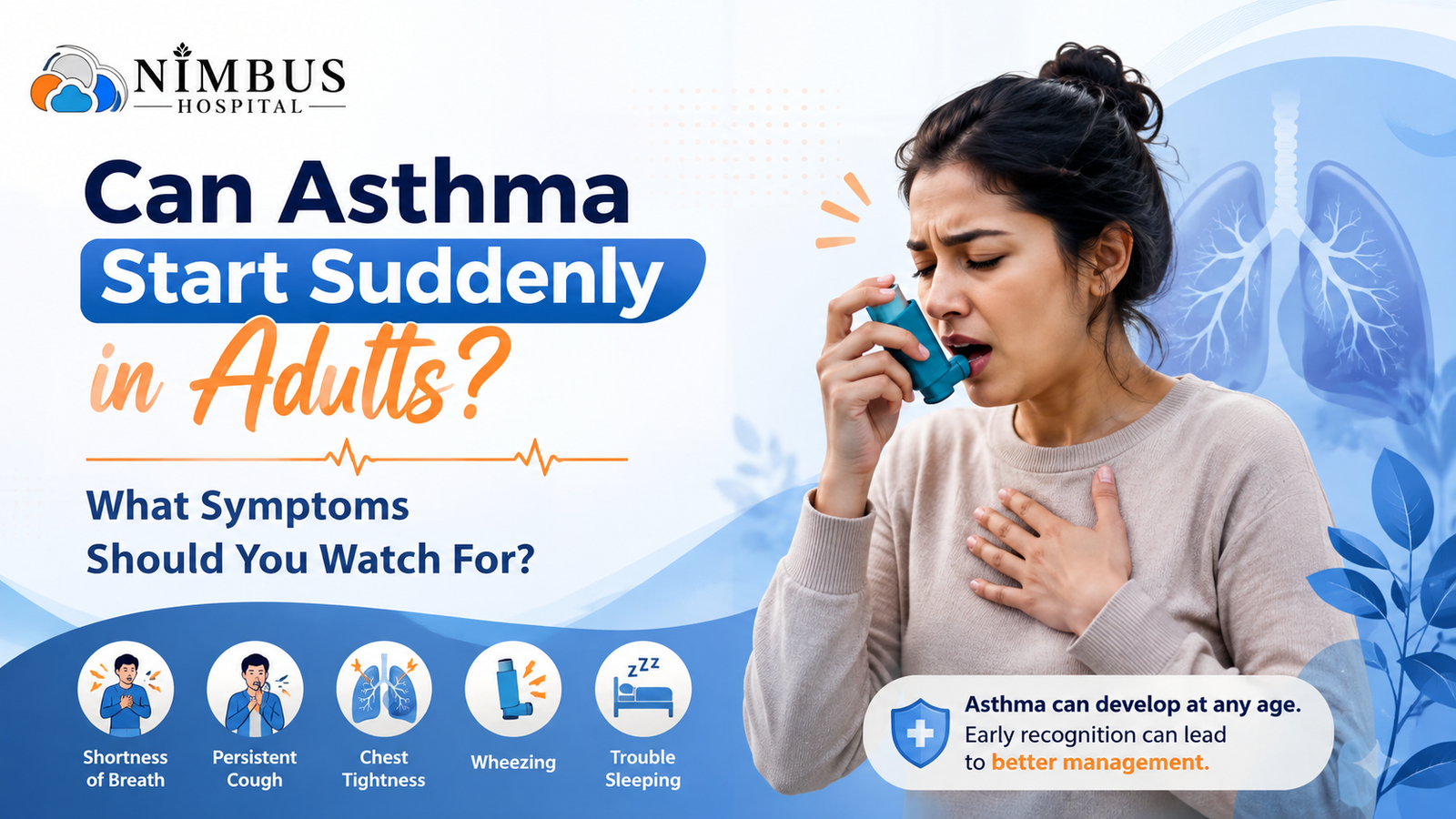
Can Asthma Start Suddenly in Adults? What Symptoms Should You Watch For?

Asthma is often associated with childhood, but adults can develop asthma suddenly, even if they have never experienced breathing problems before. Symptoms may appear after exposure to dust, smoke, pollution, pollen, cold air, respiratory infections, workplace irritants or other triggers. Some adults may notice occasional wheezing or coughing first, while others may experience sudden chest tightness and difficulty breathing. If breathing symptoms are recurring or becoming more frequent, proper medical evaluation is important rather than assuming they are simply due to weather, weakness or an infection. At Nimbus Hospital, respiratory symptoms are assessed through clinical evaluation, medical history and appropriate diagnostic support, including pulmonary function testing when required. The hospital provides Best Asthma Treatment in Solan with an approach focused on diagnosis, trigger control, personalised treatment and long-term monitoring.

Can Asthma Really Start Suddenly in Adults?

Yes, asthma can first become noticeable during adulthood. A person may not have had asthma as a child but can develop airway sensitivity later in life. Sometimes symptoms appear gradually, while in other cases the first noticeable episode can feel sudden.

Adult-onset asthma may be associated with allergies, environmental pollution, dust exposure, smoke, occupational irritants, respiratory infections or changes in the body’s airway response. However, not every episode of breathlessness is asthma. Heart conditions, COPD, respiratory infections, allergies and other conditions can produce similar symptoms.

This is why getting the correct diagnosis matters. Nimbus Hospital’s Cardiac & Respiratory Physician service evaluates symptoms such as breathlessness, wheezing, chronic cough and chest tightness, with ECG, PFT and imaging support when clinically required.

What Symptoms Should Adults Watch For?

Asthma symptoms can vary from person to person. Some people experience symptoms only during exercise or exposure to a particular trigger, while others may have symptoms at night or early in the morning.

Common symptoms include:

  • Wheezing or a whistling sound while breathing
  • Shortness of breath
  • Tightness or pressure in the chest
  • Repeated coughing, particularly at night or early morning
  • Breathlessness during mild physical activity
  • Symptoms that become worse around dust, smoke or pollution
  • Repeated episodes of breathing difficulty
  • Increasing dependence on a reliever inhaler

A persistent night cough should not be ignored, especially when it repeatedly disturbs sleep. Similarly, increasing inhaler use can indicate that asthma is not adequately controlled and needs medical review. Nimbus Hospital recommends evaluation when breathlessness occurs at rest or during mild activity, night cough keeps returning, inhaler requirements increase, or asthma attacks occur repeatedly.

What Can Trigger Asthma in Adults?

Asthma symptoms can be triggered by different environmental and physical factors. Identifying individual triggers is an important part of long-term asthma management.

Common triggers include dust, smoke, air pollution, pollen, pet dander, cold air, weather changes and respiratory infections.

For some adults, symptoms may become noticeable after spending time in a dusty workplace or around smoke. Others may experience breathing difficulty during seasonal changes or after a respiratory infection.

Keeping track of when symptoms occur can help a doctor identify possible patterns. Patients can note exposure to dust or smoke, changes in weather, physical activity, infections and the timing of coughing or wheezing episodes.

How Is Adult-Onset Asthma Diagnosed?

Diagnosis should not be based on symptoms alone because several respiratory and cardiac conditions can cause similar complaints.

A doctor generally begins by understanding the patient’s symptoms, medical history, possible triggers and previous episodes. Depending on the clinical situation, lung-function testing may be recommended to assess how well the lungs are working.

Nimbus Hospital provides PFT support for respiratory assessment and also has diagnostic facilities including a computerized laboratory, X-ray and ECG services. Its respiratory care process includes clinical assessment, confirmation of diagnosis when required, development of a treatment plan and regular monitoring.

This structured approach helps avoid simply treating breathlessness without understanding its underlying cause.

How Is Asthma Treated in Adults?

Asthma treatment depends on the severity of symptoms, frequency of attacks, triggers and individual medical requirements. Treatment should always be guided by a qualified doctor.

At Nimbus Hospital, asthma management may include controller inhalers for long-term control and reliever inhalers for quick symptom relief, depending on the doctor’s assessment. Nebulization may also be considered during acute episodes or severe symptoms under medical supervision. Inhaler technique training, trigger management, an asthma action plan and regular follow-ups are also part of the care approach.

The objective is not simply to provide temporary relief. Good asthma management focuses on reducing symptoms, preventing repeated attacks and helping patients maintain normal daily activities.

Patients should also avoid stopping prescribed asthma medicines suddenly without discussing it with their doctor. Correct inhaler technique is important because using an inhaler incorrectly can reduce the amount of medicine reaching the lungs.

Why Choose Nimbus Hospital for Asthma Care?

Nimbus Hospital provides respiratory and general medical care under one roof, making it convenient for patients who need evaluation, testing, treatment and follow-up. The hospital’s website highlights a patient-first approach, experienced doctors, advanced diagnostics and personalised treatment plans.

1. Respiratory-Focused Medical Care

Nimbus Hospital has a Cardiac & Respiratory Physician service that evaluates breathing-related symptoms including asthma, COPD, chronic cough, wheezing and breathlessness.

2. Pulmonary Function Testing

PFT is available for respiratory assessment, helping doctors evaluate lung function when clinically appropriate. The hospital also lists Free PFT testing every Monday as part of its free services.

3. Advanced Diagnostic Support

The hospital provides a computerized laboratory, PFT, ECG and X-ray services, allowing patients to access multiple diagnostic facilities in one location.

4. Personalised Treatment Plans

Asthma does not affect everyone in exactly the same way. Nimbus Hospital’s treatment approach considers symptoms, triggers and severity before creating a personalised plan, followed by monitoring and follow-up.

5. 24×7 Emergency Support

Severe breathing difficulty can become an emergency. Nimbus Hospital provides 24×7 emergency support, which is particularly important when a patient experiences serious breathlessness or other warning signs.

6. Convenient Patient Services

The hospital provides home sample collection, an in-house pharmacy, Sunday availability and free OPD hours from 8 AM to 11 AM. Its regular OPD hours are listed as 8 AM to 8 PM.

When Should You Seek Emergency Care?

Not every asthma episode requires emergency treatment, but certain symptoms should never be ignored. Severe breathlessness at rest, difficulty speaking because of breathing difficulty, bluish lips or repeated severe attacks require immediate medical attention.

If symptoms are worsening quickly, do not delay seeking emergency care or rely only on home remedies. A proper asthma action plan prepared with your doctor can help you understand what to do when symptoms move from mild warning signs to a serious episode.

Can Adult Asthma Be Controlled?

Asthma generally does not have a permanent cure, but appropriate treatment and trigger management can help control symptoms over the long term. The key is consistent management rather than waiting until an attack happens.

Regular follow-ups allow the doctor to review symptoms, inhaler technique, treatment response and changes in triggers. At Nimbus Hospital, the asthma care journey includes assessment, diagnosis, Best Asthma Treatment in Solan treatment planning and ongoing control and prevention.

If you have recently developed unexplained wheezing, repeated coughing, chest tightness or breathlessness, getting evaluated early can help identify whether asthma or another respiratory condition is responsible.

FAQ’s

1. Can adults develop asthma even without childhood asthma?
Yes, asthma can begin during adulthood and may be linked to allergies or environmental triggers.

2. What is the most common symptom of adult asthma?
Wheezing, breathlessness, chest tightness and recurring cough are common asthma symptoms.

3. Is PFT useful for diagnosing asthma?
PFT can help assess lung function and may be recommended during asthma evaluation.

4. Can dust and pollution trigger asthma symptoms?
Yes, dust, smoke and air pollution can trigger or worsen asthma symptoms in some people.

5. When is asthma considered an emergency?
Severe breathlessness at rest, difficulty speaking or bluish lips require immediate emergency medical care.

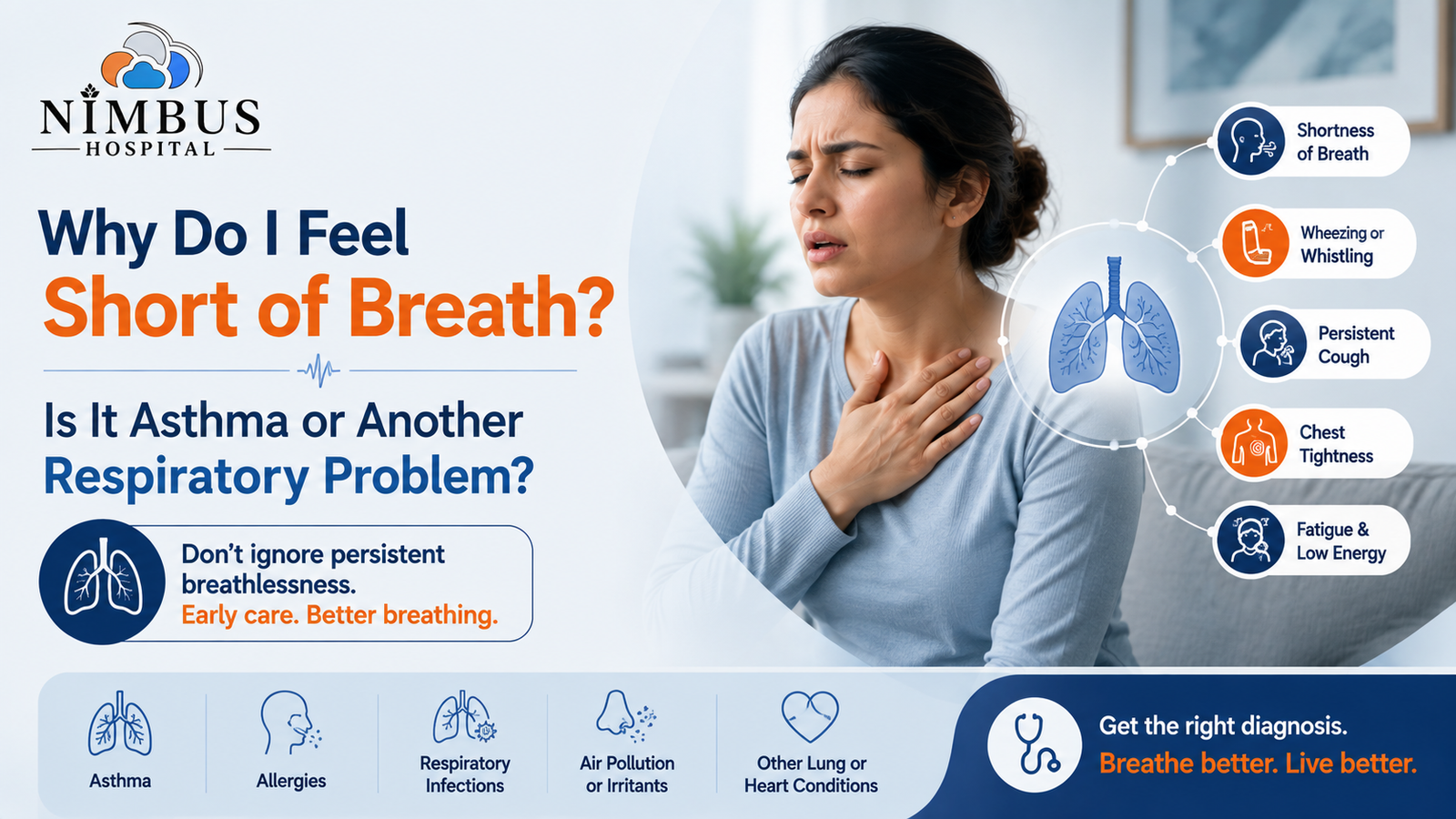
Why Do I Feel Short of Breath? Is It Asthma or Another Respiratory Problem?

Shortness of breath can be uncomfortable and sometimes frightening. While asthma is a common reason for breathing difficulty, it is not the only possible cause. Allergies, respiratory infections, COPD, heart-related conditions, and other health problems can also cause breathlessness. If breathing difficulty keeps coming back, getting the right diagnosis is important. At Nimbus Hospital, patients can receive Asthma Treatment in Solan along with evaluation for other respiratory and heart-lung conditions under one roof.

What Does Shortness of Breath Feel Like?

Breathlessness may feel different from person to person. Some people feel that they cannot take a deep breath, while others may experience chest tightness, wheezing or difficulty breathing during physical activity.

Common symptoms that may occur with breathing difficulty include:

  • Shortness of breath while walking or exercising
  • Wheezing or a whistling sound while breathing
  • Chest tightness
  • Persistent or recurring cough
  • Breathlessness at night
  • Reduced stamina or unusual tiredness
  • Breathlessness even during mild activity

Nimbus Hospital’s Cardiac & Respiratory Physician evaluates symptoms such as shortness of breath, wheezing, chronic cough and chest discomfort to identify whether the problem may be related to the lungs, heart or another condition.

Is Shortness of Breath Always Asthma?

No. Asthma is one possible cause, but breathlessness should not automatically be assumed to be asthma.

Asthma commonly involves symptoms such as wheezing, chest tightness, cough and breathlessness. Symptoms may become worse after exposure to triggers such as dust, smoke, pollution, pollen, cold air, weather changes or respiratory infections.

Other possible causes include:

1. COPD

COPD can cause long-term breathing difficulty, especially while walking or performing physical activity. Persistent cough, wheezing, chest tightness and frequent respiratory infections may also occur. Smoking, passive smoking, air pollution, dust and biomass smoke exposure are recognised risk factors.

2. Respiratory Infections

Chest or respiratory infections can cause coughing, fever and breathing difficulty. If breathlessness becomes severe or is associated with low oxygen signs, urgent medical assessment may be required.

Breathlessness can sometimes be associated with heart conditions, particularly when it occurs with chest discomfort, palpitations, dizziness or swelling in the feet. This is why persistent breathlessness may require both respiratory and cardiac evaluation.

4. Allergies

Allergies can trigger respiratory symptoms in some people. Dust, pollen and other environmental triggers may worsen breathing problems, particularly in people who are sensitive to them.

How Can You Know If It Is Asthma?

The symptoms alone cannot always confirm asthma. A doctor may review your symptoms, possible triggers, medical history and breathing pattern before deciding whether further testing is needed.

At Nimbus Hospital, the asthma care process includes symptom and trigger assessment, clinical review and lung function testing when required. Treatment can then be planned according to the patient’s symptoms and severity.

The tests depend on your symptoms and clinical assessment. Nimbus Hospital provides respiratory and heart-lung diagnostic support, including:

  • PFT (Pulmonary Function Test) for lung capacity and airway assessment
  • ECG for heart rhythm assessment
  • Echo when heart function needs evaluation
  • X-ray or imaging when recommended
  • Blood tests or other investigations when clinically required

The hospital also provides a computerized laboratory, ECG, X-ray and advanced pulmonary testing support. Selected tests may have same-day reports, and home sample collection is available.

How Is Asthma Treated?

Asthma treatment depends on the person’s symptoms, severity and response to treatment. The aim is not only to provide relief during symptoms but also to maintain long-term control.

Nimbus Hospital’s asthma care may include:

Inhaler Therapy

Doctors may recommend controller or reliever inhalers depending on the patient’s condition. Correct inhaler technique is important for effective treatment.

Nebulization When Required

Nebulization may be used during acute episodes or severe symptoms under medical supervision.

Trigger Management

Identifying and reducing exposure to triggers such as dust, smoke, pollution, pollen and cold air can help reduce asthma flare-ups.

Regular Monitoring

Follow-up helps doctors assess symptom control, review inhaler use and update the treatment plan when necessary.

Why Choose Nimbus Hospital for Respiratory Care?

Nimbus Hospital follows a structured approach that begins with consultation and clinical evaluation, followed by targeted investigations, personalised treatment and regular follow-up. This helps avoid treating breathlessness based only on symptoms without understanding its possible cause.

The hospital provides:

  • Cardiac and respiratory physician support
  • PFT and other diagnostic facilities
  • Asthma and COPD management
  • Inhaler and trigger-management guidance
  • Personalised treatment plans
  • Follow-up and long-term monitoring
  • 24×7 emergency support
  • ICU/HDU backup when required

Nimbus Hospital also offers a free PFT test every Monday, according to its current website information.

When Is Breathlessness an Emergency?

Not every episode of breathlessness is an emergency, but severe symptoms should never be ignored.

Seek immediate medical attention if you experience:

  • Severe breathlessness at rest
  • Difficulty speaking because of breathing difficulty
  • Bluish lips or signs of low oxygen
  • Severe chest pain or pressure
  • Fainting or loss of consciousness
  • Sudden severe breathing difficulty
  • Rapid worsening of symptoms

Nimbus Hospital provides 24×7 emergency care with rapid triage, stabilisation, diagnostic support and ICU/HDU backup when required.

When Should You See a Doctor?

You should consider a medical evaluation if breathlessness keeps returning, affects your daily activities, wakes you at night, occurs with wheezing or cough, or is becoming more frequent.

It is particularly important not to repeatedly use someone else’s inhaler or self-medicate without knowing the underlying cause. Proper assessment can help determine whether symptoms are related to asthma, COPD, infection, allergy, heart problems or another condition.

For people looking for Asthma Treatment in Solan, Nimbus Hospital provides respiratory evaluation, PFT support, personalised treatment and long-term follow-up under one roof.

Final Thoughts

Shortness of breath is a symptom, not a diagnosis. Asthma is a common cause, but COPD, infections, allergies and heart-related conditions can produce similar breathing problems. The right approach is to identify the underlying cause through proper clinical evaluation and appropriate testing.

If your breathing difficulty is recurring or getting worse, do not ignore it. Early evaluation can help with better symptom control and reduce the risk of complications.

FAQ’s

1. Can asthma cause shortness of breath?
Yes. Breathlessness is a common asthma symptom, often with wheezing or chest tightness.

2. Can COPD cause breathlessness?
Yes. COPD commonly causes progressive breathlessness, cough, wheezing and reduced stamina.

3. What test checks lung function?
A PFT helps assess lung capacity and airway function when recommended by a doctor.

4. When is breathlessness an emergency?
Severe breathlessness, blue lips, difficulty speaking or chest pain require immediate medical care.

5. Can heart problems cause breathing difficulty?
Yes. Some heart conditions can cause breathlessness, especially with chest discomfort or swelling.