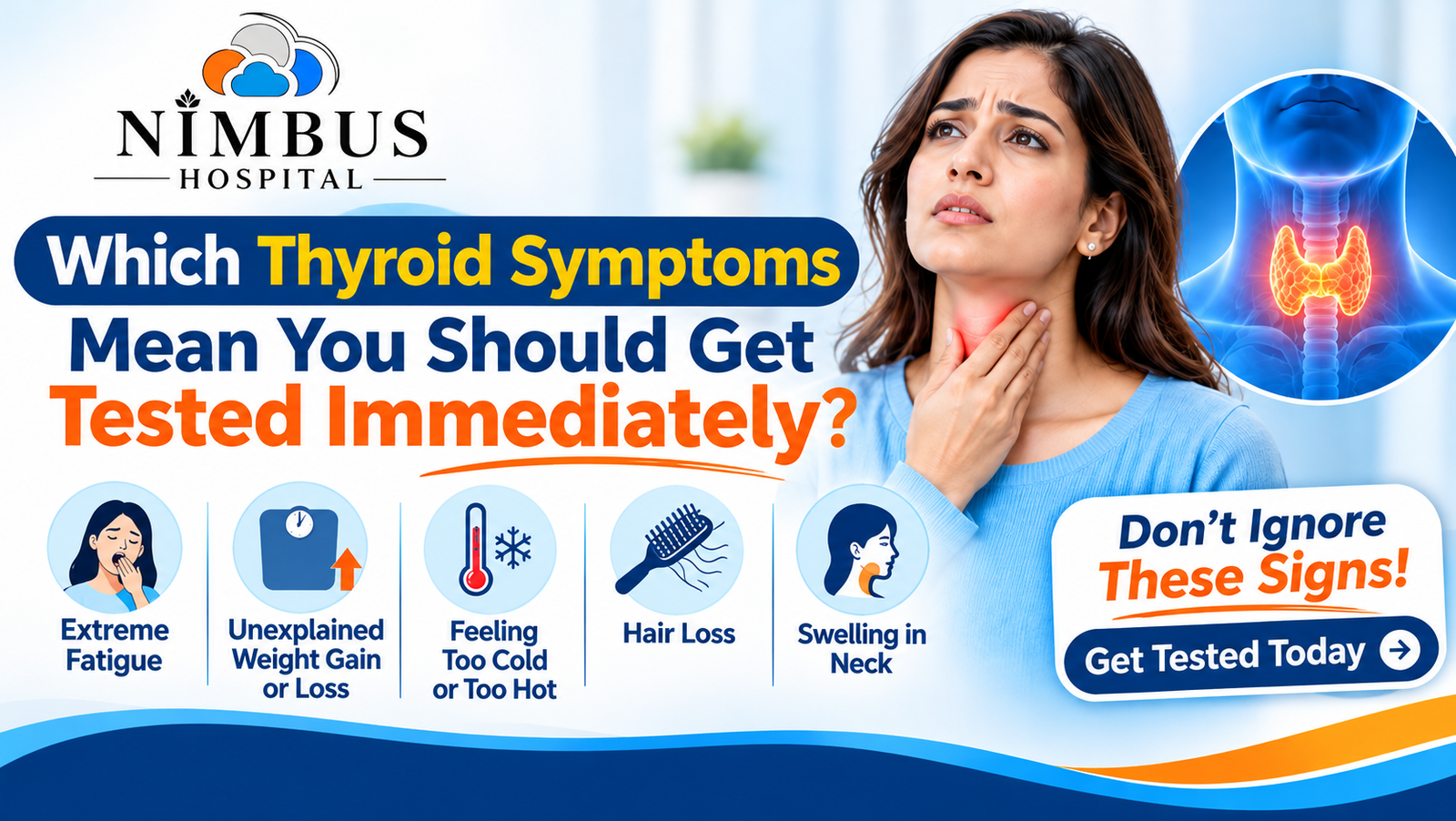
Have you been experiencing unexplained weight gain, constant tiredness, hair loss or changes in your heartbeat? These symptoms may seem like ordinary health problems, but sometimes they can indicate an underlying thyroid disorder.
The thyroid is a small, butterfly-shaped gland located in the front of your neck. It produces hormones that regulate metabolism, energy levels, body temperature, heart rate and several other important body functions. When the gland produces too little or too much hormone, Thyroid Treatment in Solan. it can affect different parts of your body.
The difficult part is that thyroid symptoms often develop gradually. Many people ignore early changes, assuming they are caused by stress, ageing or an unhealthy routine.
But when should you actually get your thyroid tested? Which symptoms should you never ignore? And what tests help identify thyroid problems?
Let’s understand the important warning signs and why timely medical evaluation matters.
1. Unexplained Weight Gain or Weight Loss
Have you noticed changes in your weight even though your eating habits and physical activity have remained the same?
Unexplained weight changes can sometimes be associated with thyroid problems.
An underactive thyroid (hypothyroidism) produces insufficient thyroid hormones, which can slow down metabolism and contribute to weight gain.
On the other hand, an overactive thyroid (hyperthyroidism) produces excess hormones, which can increase metabolism and cause unexpected weight loss.
You should consider medical evaluation if you experience:
- Weight gain without major lifestyle changes.
- Unexplained weight loss despite eating normally.
- Difficulty managing your weight.
- Weight changes accompanied by fatigue or appetite changes.
A thyroid blood test can help determine whether abnormal hormone levels are contributing to these changes.
2. Constant Tiredness Even After Sleeping
Do you wake up feeling tired even after getting enough sleep?
Persistent fatigue is one of the commonly reported symptoms of hypothyroidism. Low thyroid hormone levels can affect how your body uses energy, making you feel unusually tired or weak.
You may also experience difficulty concentrating, reduced stamina and a lack of motivation.
However, tiredness is not always caused by thyroid problems. Anaemia, diabetes, vitamin deficiencies, poor sleep and other medical conditions can produce similar symptoms.
If your tiredness continues for several weeks without an obvious explanation, consider consulting a doctor.
3. Excessive Hair Fall or Thinning Hair
Hair fall is another symptom that people sometimes overlook when considering thyroid health.
Both an underactive and overactive thyroid can affect the normal hair-growth cycle. This may result in increased hair shedding, thinning hair or changes in hair texture.
Pay attention if you notice:
- More hair falling while combing.
- Noticeable thinning across the scalp.
- Dry, brittle hair.
- Hair loss along with weight changes.
- Hair fall accompanied by unusual tiredness.
Hair loss can also result from nutritional deficiencies, stress, hormonal changes and scalp conditions. Therefore, thyroid testing should be considered based on your complete medical history and symptoms.
4. Irregular Heartbeat or Unusual Heart Palpitations
Have you ever felt your heart beating unusually fast even when you are resting?
An overactive thyroid can increase your heart rate and sometimes cause palpitations or an irregular heartbeat.
Some people may experience:
- Racing heartbeat.
- Unusual sweating.
- Shaking hands.
- Nervousness or restlessness.
- Difficulty sleeping.
An underactive thyroid may also affect heart function, sometimes causing a slower heart rate.
If you experience persistent palpitations, consult a doctor. Seek emergency care if they occur with chest pain, fainting or severe breathlessness.
5. Feeling Too Cold or Too Hot
Your thyroid hormones help regulate body temperature.
When thyroid hormone levels are low, you may feel unusually cold even when other people are comfortable.
In contrast, an overactive thyroid can make you feel excessively hot and cause increased sweating.
These symptoms may include:
- Feeling cold frequently.
- Increased sensitivity to heat.
- Excessive sweating.
- Unusual changes in body temperature.
- Discomfort in normal weather conditions.
If these changes continue, a medical evaluation can help identify whether thyroid dysfunction is responsible.
6. Constipation or Frequent Bowel Movements
Your digestive system can also be affected by thyroid hormone levels.
Hypothyroidism may slow down digestive activity, leading to constipation, bloating and difficulty passing stools.
Hyperthyroidism can speed up bowel movements and sometimes cause frequent stools or diarrhoea.
If you experience persistent digestive problems along with unexplained weight changes, fatigue or temperature sensitivity, discussing thyroid testing with your doctor may be helpful.
7. Changes in Menstrual Periods or Fertility Problems
Thyroid hormones play an important role in reproductive health.
Both hypothyroidism and hyperthyroidism can affect menstrual cycles and hormone balance.
Women may experience:
- Irregular menstrual periods.
- Heavier or lighter periods.
- Changes in cycle duration.
- Difficulty becoming pregnant.
- Changes in menstrual symptoms.
Thyroid problems can also be important during pregnancy because untreated thyroid dysfunction may affect maternal and baby health.
Women planning pregnancy or experiencing unexplained menstrual changes should discuss appropriate thyroid evaluation with their healthcare provider.
8. Swelling or a Lump in the Neck
Have you noticed swelling at the front of your neck or a lump that was not there before?
An enlarged thyroid gland, known as a goitre, can sometimes cause visible swelling in the neck.
Thyroid nodules may also develop and can be harmless, although some require further investigation.
Possible signs include:
- Swelling around the lower front of the neck.
- A noticeable lump.
- Difficulty swallowing.
- A feeling of pressure in the throat.
- Voice changes.
A doctor may recommend a physical examination, thyroid blood tests or an ultrasound depending on the findings.
If you experience difficulty breathing or rapidly increasing neck swelling, seek urgent medical attention.
Which Thyroid Tests Should You Get?
If you experience multiple thyroid-related symptoms, your doctor may recommend blood tests to understand how your thyroid gland is functioning.
Common investigations include:
1. TSH Test: Measures thyroid-stimulating hormone and is commonly used as an initial test to assess thyroid function.
2. Free T4 Test: Measures the level of free thyroxine hormone circulating in your blood.
3. Free T3 Test: May be recommended when hyperthyroidism is suspected or further assessment is required.
4. Thyroid Antibody Test: Helps identify certain autoimmune thyroid conditions when clinically indicated.
5. Thyroid Ultrasound: May be recommended if a thyroid lump, nodule or enlargement is detected.
Not everyone needs all these tests. Your doctor will decide which investigations are appropriate based on your symptoms and medical history.
When Should You Get Your Thyroid Tested Immediately?
You should arrange a medical consultation if you experience persistent or unexplained symptoms such as:
- Sudden or unexplained weight changes.
- Continuous tiredness and weakness.
- Significant hair thinning.
- Persistent heart palpitations.
- Unusual sensitivity to heat or cold.
- Irregular menstrual cycles.
- Swelling or a lump in your neck.
Some thyroid-related symptoms require urgent medical attention. Severe chest pain, fainting, severe breathlessness, confusion or a very rapid heartbeat should not be ignored.
Remember, having these symptoms does not automatically mean you have a thyroid disorder. Proper medical evaluation and blood testing are necessary for diagnosis.
Why Choose Nimbus Hospital for Thyroid Care?
Identifying thyroid problems early can help prevent symptoms from affecting your everyday routine and overall health.
At Nimbus Hospital, Solan, thyroid disorders are managed through the MD Medicine department, which provides medical consultation, diagnostic support, personalised treatment and follow-up care.
The hospital’s published services include:
1. MD Medicine Specialist: Medical consultation for thyroid disorders, diabetes, hypertension and other internal medicine conditions.
2. Thyroid Diagnostic Testing: Access to a computerised pathology laboratory for blood investigations recommended by the doctor.
3. Personalised Treatment Plans: Treatment recommendations based on thyroid reports, symptoms and individual medical history.
4. Follow-Up Monitoring: Regular review of thyroid hormone levels and treatment response when required.
5. Multiple Healthcare Services: Medical support for other conditions that may occur alongside thyroid disorders.
6. Emergency Support: 24/7 emergency services with ICU/HDU backup for patients requiring urgent care.
For people looking for Thyroid Treatment in Solan, Nimbus Hospital offers medical evaluation, thyroid investigations and ongoing management through its MD Medicine services.
If you have been experiencing unexplained weight changes, fatigue, hair loss or other thyroid-related symptoms, consider scheduling a medical consultation.
Final Thoughts
Thyroid problems can affect much more than your weight. They can influence your energy levels, hair growth, digestion, heart rate, body temperature and reproductive health.
If you notice several unexplained changes in your body, do not simply assume they are caused by stress or your daily routine.
A timely medical consultation and appropriate thyroid tests can help identify the underlying problem. With the right diagnosis, prescribed treatment and regular monitoring, most thyroid conditions can be managed effectively.
Taking your symptoms seriously today can help you make better decisions about your long-term health.
FAQs
1. What are the early signs of thyroid problems?
Weight gain, tiredness, hair loss and mood changes are common signs.
2. When should I get a thyroid test?
If you experience persistent unexplained symptoms, consult a doctor.
3. Which blood test detects thyroid problems?
TSH and Free T4 tests are commonly used to check thyroid function.
4. Can thyroid problems cause hair loss?
Yes, both underactive and overactive thyroid conditions can cause hair loss.
5. Can thyroid problems affect heart rate?
Yes, thyroid disorders may cause a fast, slow or irregular heartbeat.