
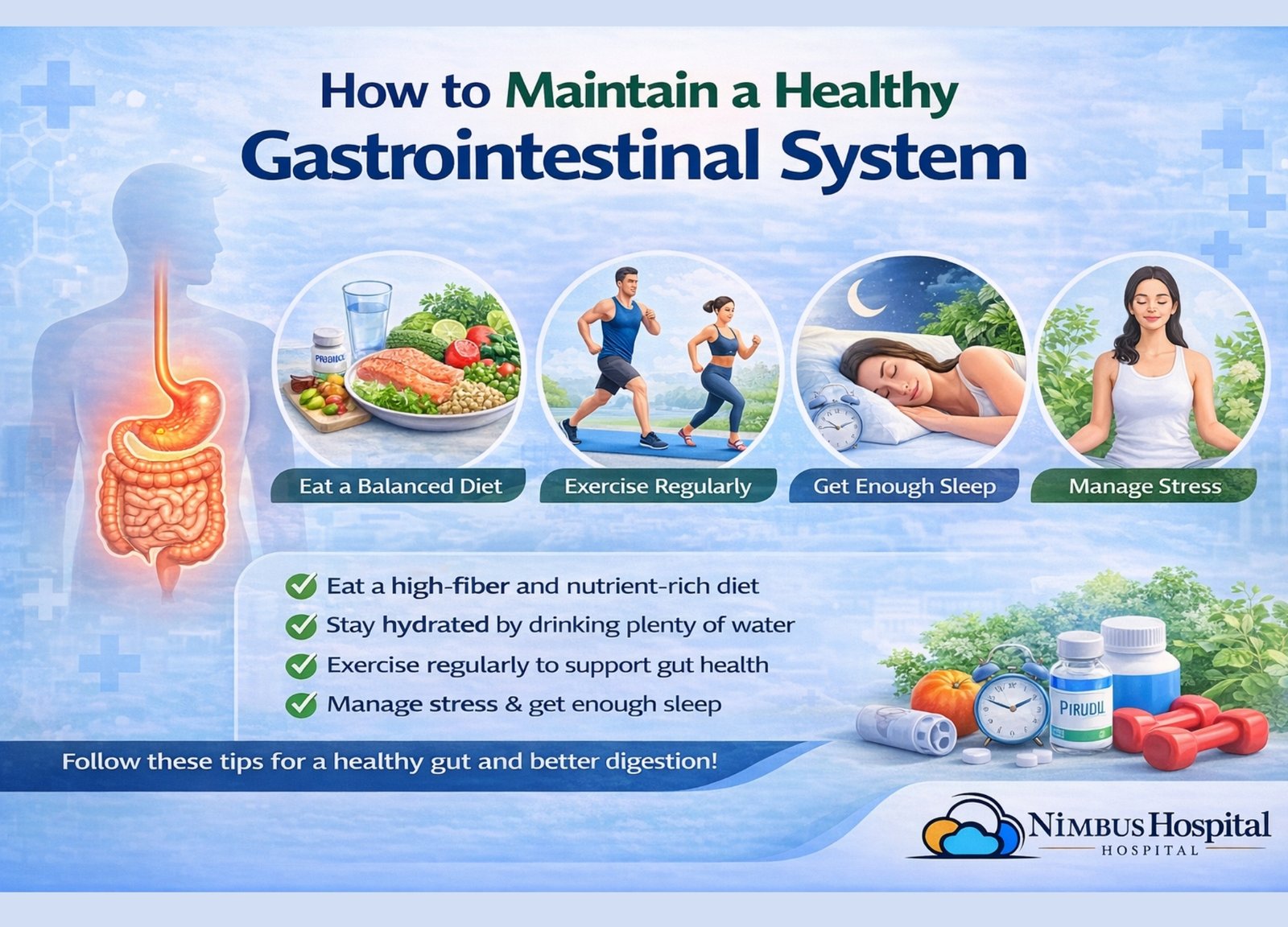
How to Maintain a Healthy Gastrointestinal System

Maintaining a healthy digestive system is essential for overall well being. The gastrointestinal system plays a crucial role in breaking down food, absorbing nutrients, and eliminating waste from the body. When the digestive system functions properly, it supports energy levels, immune health, and overall body functions. However, poor lifestyle habits and unhealthy diets can lead to various digestive issues and even serious gastrointestinal disease.

Taking simple preventive steps can help protect digestive health and reduce the risk of digestive disorders. For individuals experiencing persistent digestive symptoms, expert medical care is available at Nimbus Hospital Solan, where specialists provide comprehensive treatment for different gastrointestinal conditions.

Understanding the Gastrointestinal System

The gastrointestinal system includes several organs such as the esophagus, stomach, small intestine, large intestine, liver and pancreas. These organs work together to digest food, absorb nutrients and remove waste products from the body.

When any part of this system becomes inflamed or dysfunctional, it may result in a gastrointestinal disease. Maintaining proper digestive health helps prevent these disorders and supports overall physical health.

Importance of Gastrointestinal Health

A well-functioning gastrointestinal system ensures that the body receives essential nutrients from food. Good digestive health also helps maintain a strong immune system and supports metabolic functions.

Poor digestive health, on the other hand, can lead to problems such as indigestion, acid reflux, bloating, constipation and other symptoms associated with gastrointestinal disease. Therefore, adopting healthy habits is essential for maintaining digestive balance.

Healthy Diet for Digestive Health

Diet plays a significant role in maintaining a healthy gastrointestinal system. Consuming the right foods helps improve digestion and prevents many digestive disorders.

Important dietary habits include:

  • Eating fiber rich foods such as whole grains, fruits, and vegetables
  • Including probiotic foods like yogurt to support gut health
  • Drinking sufficient water throughout the day
  • Limiting processed and high fat foods
  • Avoiding excessive spicy or acidic foods

A balanced diet helps support proper digestion and reduces the risk of developing gastrointestinal disease.

Importance of Regular Physical Activity

Physical activity helps improve digestion and supports overall gastrointestinal function. Exercise stimulates intestinal movement and helps prevent issues such as constipation and bloating.

Simple activities that promote digestive health include:

  • Walking regularly
  • Practicing yoga
  • Engaging in light stretching exercises
  • Maintaining an active lifestyle

Regular exercise not only improves digestion but also reduces the risk of several gastrointestinal disorders.

Managing Stress for Better Digestive Health

Stress can significantly affect the gastrointestinal system. Emotional stress may disrupt normal digestive processes and lead to symptoms such as stomach discomfort, bloating or acid reflux.

Practicing stress management techniques such as meditation, deep breathing exercises and mindfulness can help maintain a healthy gastrointestinal system and reduce the risk of gastrointestinal disease.

Importance of Hydration

Drinking adequate amounts of water is essential for proper digestion. Hydration helps break down food, supports nutrient absorption, and prevents constipation.

Proper hydration ensures smooth functioning of the gastrointestinal tract and promotes overall digestive health.

When to Seek Medical Care

While many digestive issues can be managed with lifestyle changes, persistent symptoms may indicate an underlying gastrointestinal disease. Medical evaluation is recommended if symptoms such as severe abdominal pain, frequent heartburn, unexplained weight loss or changes in bowel habits occur.

At Nimbus Hospital Solan, experienced specialists provide advanced diagnostic and treatment services for various gastrointestinal conditions, ensuring patients receive accurate diagnosis and effective care.

Why Choose Nimbus Hospital Solan?

Nimbus Hospital Solan offers specialized treatment for digestive disorders and focuses on maintaining optimal gastrointestinal health. The hospital provides:

  • Experienced doctors specializing in digestive care
  • Advanced diagnostic technology for gastrointestinal disease
  • Personalized treatment plans
  • Comprehensive digestive health services
  • Modern medical facilities and patient centered care

With expert doctors and advanced facilities, Nimbus Hospital Solan ensures high quality treatment for patients experiencing digestive problems.

Conclusion

Maintaining a healthy gastrointestinal system is essential for overall health and well-being. Healthy eating habits, regular physical activity, proper hydration, and stress management all play an important role in preventing gastrointestinal disease.

By adopting these lifestyle practices and seeking timely medical care when needed, individuals can maintain good digestive health and avoid long-term complications. For expert guidance and advanced treatment for gastrointestinal conditions, patients can rely on the specialized care available at Nimbus Hospital Solan.

🌐 For consultations and appointments, visit:
https://nimbushospital.in/
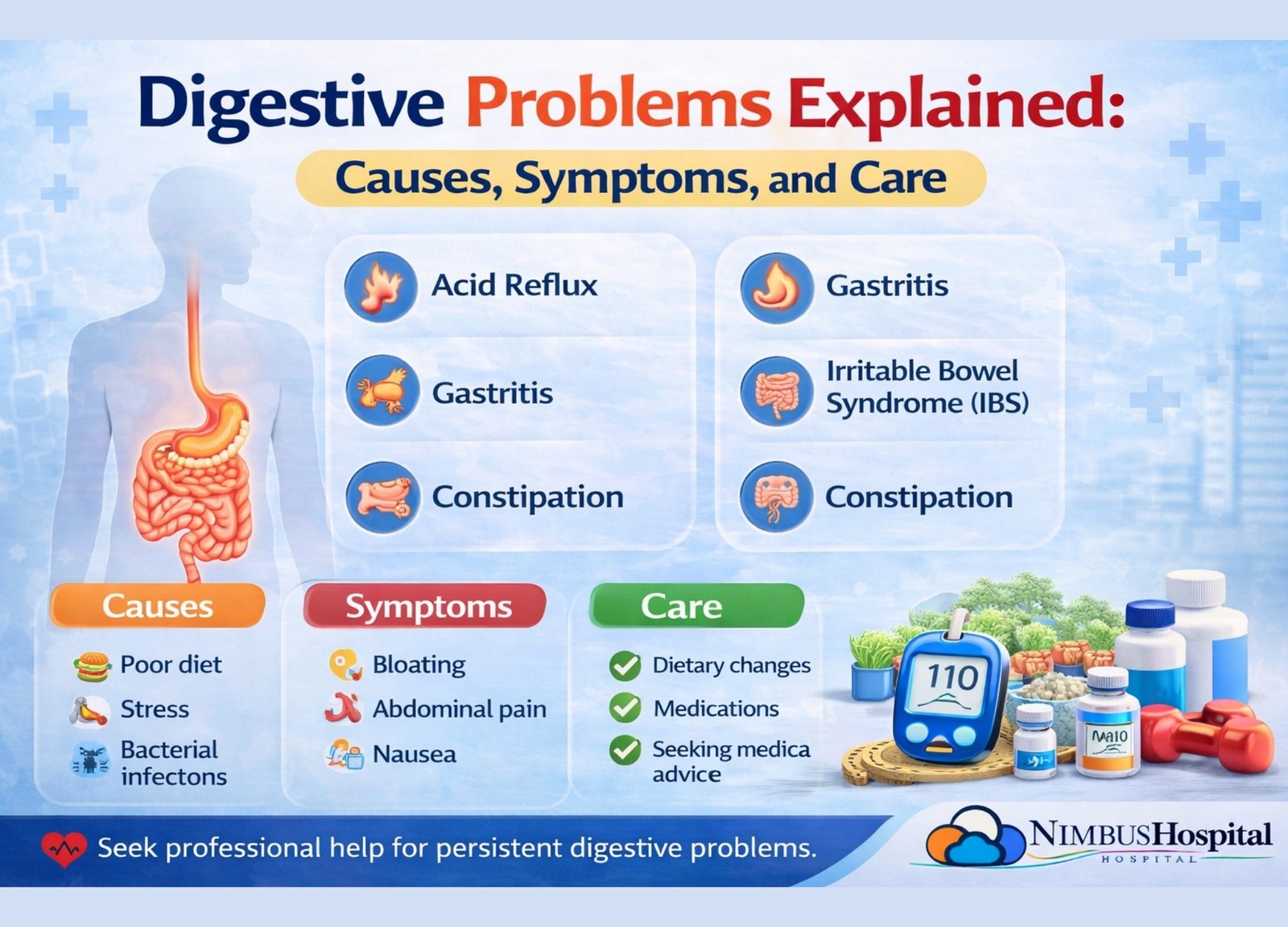
Digestive Problems Explained: Causes, Symptoms, and Care

Digestive health is essential for maintaining overall well being. The digestive system is responsible for breaking down food, absorbing nutrients and eliminating waste from the body. However, many people experience problems related to the gastrointestinal system that can disrupt daily life and affect long term health.

Digestive disorders, commonly known as gastrointestinal disease, can occur due to infections, poor dietary habits, stress or underlying medical conditions. Understanding the causes and symptoms of these problems helps individuals seek timely medical care and maintain better digestive health. For patients seeking specialized treatment, Nimbus Hospital Solan provides expert care for various digestive conditions.

What Are Digestive Problems?

Digestive problems refer to disorders affecting the gastrointestinal tract, which includes the esophagus, stomach, intestines, liver and pancreas. These organs work together to digest food and absorb essential nutrients.

When this system does not function properly, it may lead to a gastrointestinal disease that interferes with normal digestion. Some digestive issues may be temporary, while others may require medical treatment and long-term management.

Common Causes of Digestive Disorders

Several factors can contribute to problems in the gastrointestinal system.

Poor Dietary Habits

Frequent consumption of processed foods, spicy meals, and low fiber diets can disrupt digestion and increase the risk of gastrointestinal disease.

Stress and Anxiety

Emotional stress can affect the functioning of the gastrointestinal tract and lead to symptoms such as stomach pain, indigestion or bloating.

Infections

Bacterial or viral infections may cause inflammation in the digestive system and lead to digestive disorders.

Lack of Physical Activity

A sedentary lifestyle can slow digestion and increase the risk of digestive problems.

Medication Side Effects

Certain medications, especially when used for long periods, may irritate the digestive tract and contribute to gastrointestinal disease.

Common Symptoms of Digestive Problems

Symptoms of digestive disorders can vary depending on the type of gastrointestinal disease, but some common warning signs include:

  • Persistent abdominal pain or discomfort
  • Bloating and excessive gas
  • Nausea or vomiting
  • Heartburn or acid reflux
  • Changes in bowel habits
  • Constipation or diarrhea
  • Unexplained weight loss

If these symptoms occur frequently or persist for a long time, it may indicate an underlying gastrointestinal condition that requires medical evaluation.

Importance of Early Diagnosis

Early diagnosis is important for identifying the cause of digestive disorders and preventing complications related to gastrointestinal disease. Doctors may recommend several diagnostic tests to evaluate digestive health.

Common diagnostic methods include:

  • Blood tests
  • Endoscopy
  • Imaging tests such as ultrasound or CT scans
  • Stool analysis

At Nimbus Hospital Solan, advanced diagnostic facilities help doctors accurately detect and treat various gastrointestinal conditions.

Treatment and Care for Digestive Disorders

Treatment for digestive problems depends on the specific gastrointestinal disease and its severity.

Medications

Doctors may prescribe medications to reduce stomach acid, treat infections or relieve digestive symptoms.

Dietary Adjustments

A balanced diet rich in fiber, fruits and vegetables helps support digestive health and reduce symptoms of gastrointestinal problems.

Lifestyle Changes

Regular physical activity, stress management and proper hydration can improve digestive function.

Medical Procedures

In severe cases, specialized medical procedures may be necessary to treat certain gastrointestinal diseases.

Patients receiving treatment at Nimbus Hospital Solan benefit from personalized care plans designed to address the root cause of their digestive problems.

Tips for Maintaining Digestive Health

Maintaining a healthy digestive system can help prevent many gastrointestinal disorders.

Helpful tips include:

  • Eating a balanced and nutritious diet
  • Drinking enough water daily
  • Exercising regularly
  • Managing stress effectively
  • Avoiding excessive alcohol consumption
  • Seeking medical advice if symptoms persist

These healthy habits support long-term digestive wellness and reduce the risk of gastrointestinal disease.

Why Choose Nimbus Hospital Solan?

Nimbus Hospital Solan offers specialized treatment for patients suffering from digestive disorders. The hospital provides:

  • Experienced doctors specializing in gastrointestinal health
  • Advanced diagnostic technology
  • Personalized treatment plans for gastrointestinal disease
  • Comprehensive digestive care services
  • Modern medical facilities and patient focused care

With expert medical professionals and advanced technology, Nimbus Hospital Solan ensures effective diagnosis and treatment for digestive conditions.

Conclusion

Digestive problems can significantly affect quality of life if left untreated. Understanding the causes and symptoms of gastrointestinal disorders allows individuals to seek timely treatment and prevent complications related to gastrointestinal disease.

With expert medical care available at Nimbus Hospital Solan, patients can receive accurate diagnosis, effective treatment and guidance for maintaining a healthy gastrointestinal system.

🌐 For consultations and appointments, visit:
https://nimbushospital.in/
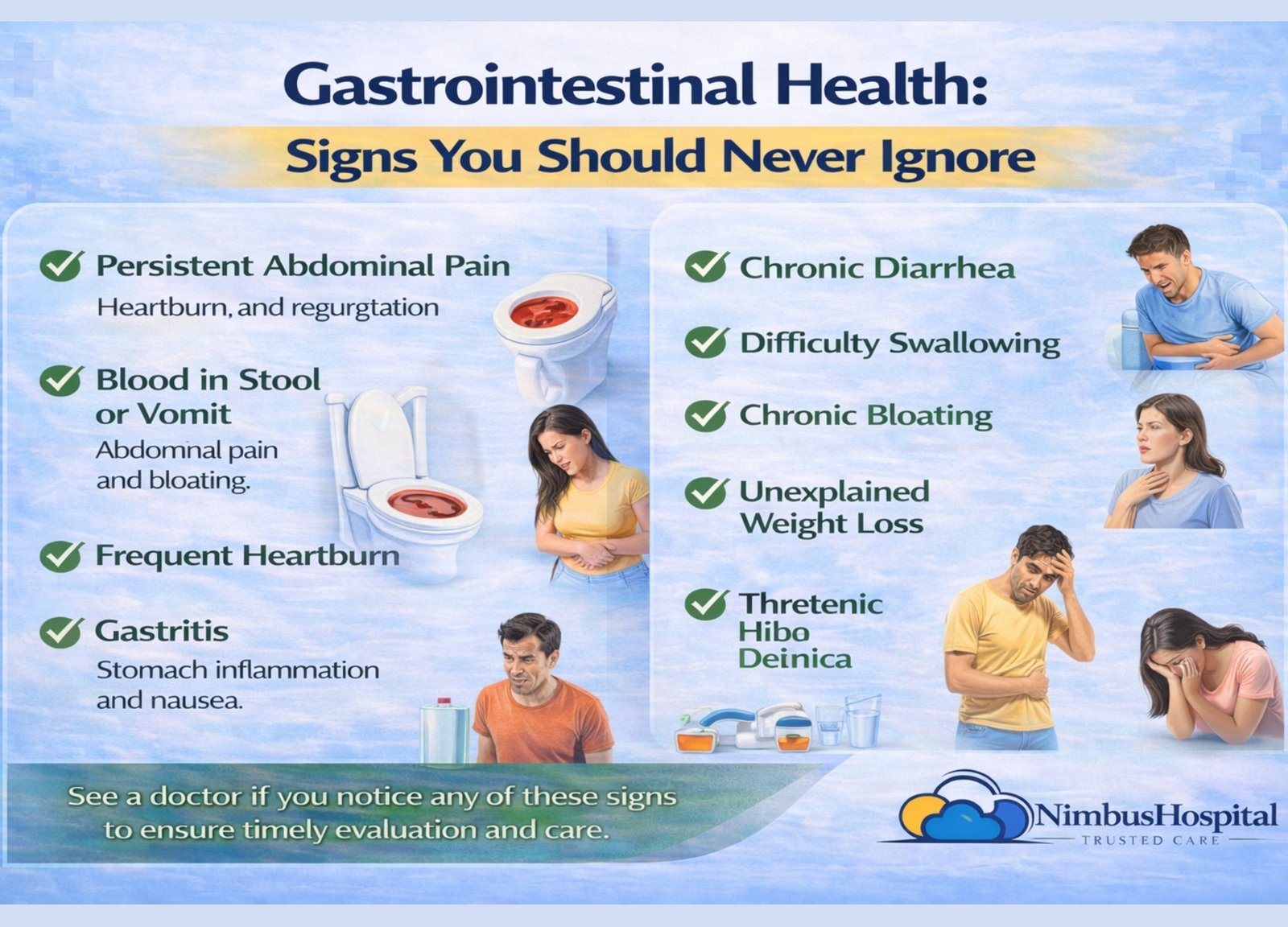
Gastrointestinal Health: Signs You Should Never Ignore

The digestive system plays an essential role in maintaining overall health by processing food, absorbing nutrients, and removing waste from the body. When the gastrointestinal system does not function properly, it can lead to various health problems that affect daily life. Many people tend to ignore early digestive symptoms, but these signs may indicate an underlying gastrointestinal disease that requires medical attention.

Recognizing the warning signs early can help prevent serious complications and ensure timely treatment. Patients experiencing persistent digestive issues can seek expert diagnosis and care at Nimbus Hospital Solan, where specialists provide comprehensive treatment for a wide range of digestive disorders.

Understanding Gastrointestinal Health

The gastrointestinal system includes the esophagus, stomach, intestines, liver, pancreas and other organs responsible for digestion. This system works together to break down food, absorb nutrients, and eliminate waste.

When any part of the digestive system becomes inflamed, infected, or dysfunctional, it may lead to a gastrointestinal disease. Maintaining good digestive health is therefore essential for overall well being.

Warning Signs of Gastrointestinal Problems

Many digestive disorders begin with mild symptoms that people often overlook. However, ignoring these signs can allow a gastrointestinal disease to progress over time.

Persistent Abdominal Pain

Frequent stomach pain or discomfort may indicate inflammation or irritation in the gastrointestinal tract.

Frequent Heartburn or Acid Reflux

Occasional heartburn is common, but persistent acid reflux may be a sign of a chronic gastrointestinal disease such as gastroesophageal reflux disease (GERD).

Changes in Bowel Habits

Sudden changes in bowel movements, including persistent diarrhea or constipation, can signal digestive problems.

Bloating and Excessive Gas

Frequent bloating or gas may indicate poor digestion or an imbalance in the gastrointestinal system.

Difficulty Swallowing

Trouble swallowing food or liquids can be a sign of problems in the esophagus and should be evaluated by a medical professional.

Unexplained Weight Loss

Losing weight without changes in diet or physical activity may indicate a serious gastrointestinal disease affecting nutrient absorption.

Causes of Gastrointestinal Diseases

Several factors can contribute to digestive disorders affecting the gastrointestinal system.

Poor Dietary Habits

Frequent consumption of processed foods, spicy meals, and unhealthy diets can disrupt digestive function.

Stress and Anxiety

Chronic stress can negatively affect the gastrointestinal tract and trigger digestive symptoms.

Infections

Bacterial or viral infections may lead to inflammation and digestive disorders.

Lack of Physical Activity

Sedentary lifestyles can slow digestion and contribute to gastrointestinal disease.

Medication Side Effects

Long-term use of certain medications may irritate the digestive system and cause digestive issues.

Importance of Early Diagnosis

Early diagnosis plays an important role in preventing complications related to gastrointestinal disease. When symptoms persist, medical evaluation helps identify the underlying cause.

Doctors may recommend several diagnostic tests to evaluate gastrointestinal health, including:

  • Blood tests
  • Endoscopy
  • Imaging scans
  • Stool tests

At Nimbus Hospital Solan, advanced diagnostic facilities allow doctors to accurately detect and treat various digestive disorders.

Treatment Options for Gastrointestinal Disorders

Treatment for gastrointestinal conditions depends on the type and severity of the disorder.

Medications

Doctors may prescribe medications to reduce stomach acid, treat infections or relieve digestive symptoms.

Dietary Changes

A balanced diet rich in fiber and nutrients can support digestive health and reduce symptoms of gastrointestinal disease.

Lifestyle Modifications

Regular exercise, stress management and proper hydration help maintain a healthy gastrointestinal system.

Medical Procedures

In some cases, specialized medical procedures may be required to treat severe digestive conditions.

Patients receiving care at Nimbus Hospital Solan benefit from personalized treatment plans designed to effectively manage gastrointestinal disease.

Tips for Maintaining Gastrointestinal Health

Maintaining good digestive health can reduce the risk of developing gastrointestinal problems.

Helpful tips include:

  • Eating a balanced and nutritious diet
  • Drinking adequate water throughout the day
  • Managing stress effectively
  • Staying physically active
  • Avoiding excessive alcohol consumption
  • Seeking medical advice when symptoms persist

These simple habits support long-term gastrointestinal health and overall well being.

Why Choose Nimbus Hospital Solan?

Nimbus Hospital Solan provides comprehensive care for patients suffering from digestive disorders. The hospital offers:

  • Experienced specialists in gastrointestinal health
  • Advanced diagnostic and treatment facilities
  • Personalized care plans for gastrointestinal disease
  • Modern medical technology
  • Patient focused healthcare services

With expert doctors and advanced facilities, Nimbus Hospital Solan ensures accurate diagnosis and effective treatment for digestive conditions.

Conclusion

Maintaining good gastrointestinal health is essential for overall well being. Ignoring early digestive symptoms can allow a gastrointestinal disease to develop and worsen over time. Recognizing warning signs and seeking timely medical care can help prevent serious complications.

With expert diagnosis and advanced treatment available at Nimbus Hospital Solan, patients can effectively manage digestive disorders and maintain a healthy gastrointestinal system.

🌐 For consultations and appointments, visit:
https://nimbushospital.in/
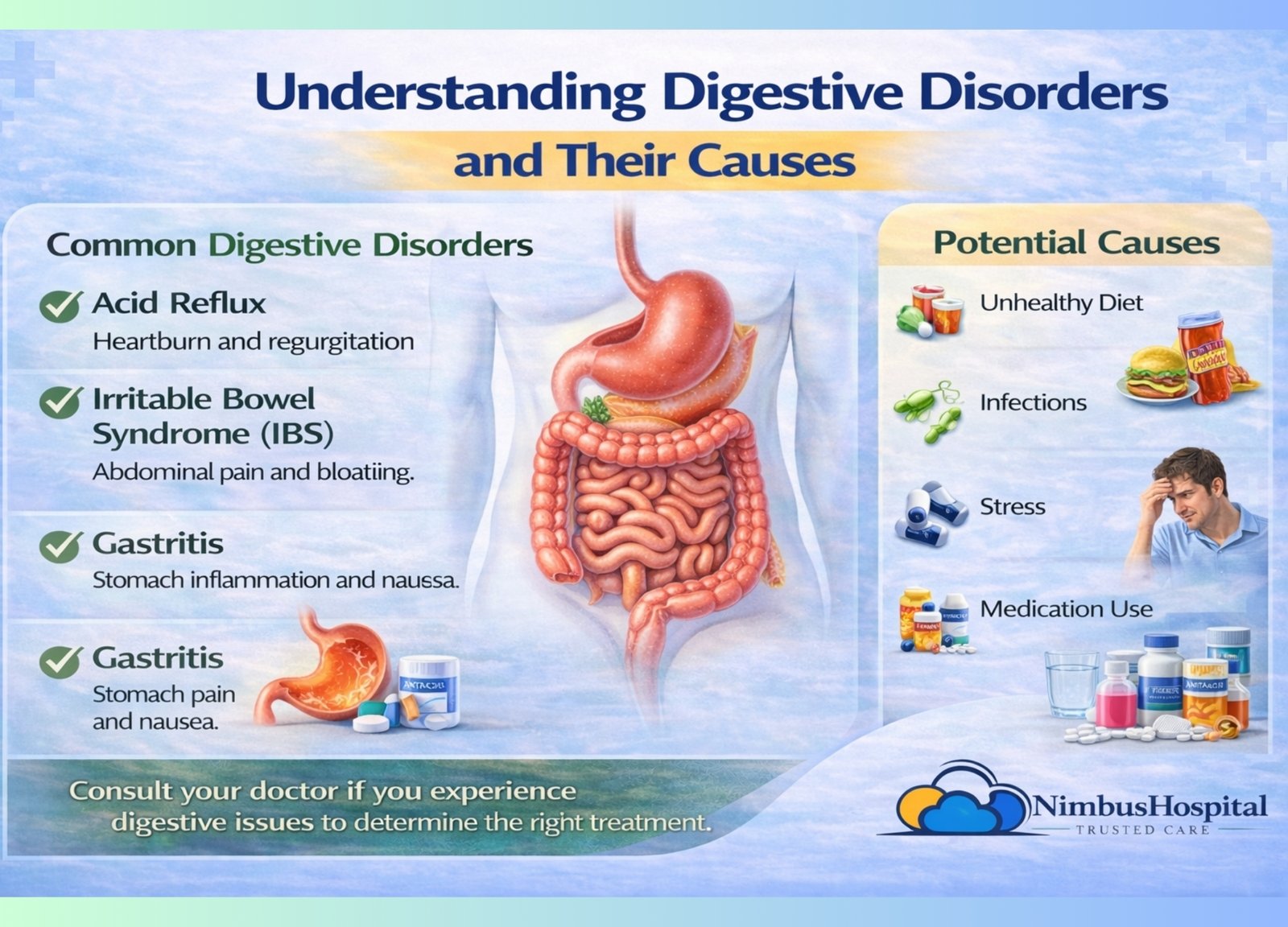
Understanding Digestive Disorders and Their Causes

Digestive health plays a crucial role in maintaining overall well being. The digestive system processes food, absorbs nutrients, and eliminates waste from the body. However, when the gastrointestinal system does not function properly, it can lead to various digestive disorders that affect daily life and long term health.

These conditions, commonly known as gastrointestinal disease, may cause symptoms such as abdominal pain, indigestion, bloating, or changes in bowel habits. Understanding the causes of digestive disorders helps individuals recognize early warning signs and seek timely medical care. For expert diagnosis and treatment, patients can rely on the specialized digestive care available at Nimbus Hospital Solan.

What Are Digestive Disorders?

Digestive disorders refer to conditions that affect the gastrointestinal tract, including the stomach, intestines, esophagus and other digestive organs. These disorders interfere with the normal digestion and absorption of nutrients.

A gastrointestinal disease may develop due to infections, inflammation, poor dietary habits, or underlying health conditions. While some digestive problems are temporary, others require medical treatment and long term management.

Common Types of Gastrointestinal Diseases

There are several types of gastrointestinal disorders that can affect digestive health.

Acid Reflux and GERD

Acid reflux occurs when stomach acid flows back into the esophagus, causing heartburn and irritation. When this condition becomes chronic, it is known as gastroesophageal reflux disease (GERD), a common gastrointestinal disease.

Irritable Bowel Syndrome (IBS)

IBS is a functional gastrointestinal disorder that affects the large intestine. It often causes symptoms such as abdominal pain, bloating, diarrhea or constipation.

Gastritis

Gastritis is the inflammation of the stomach lining and may occur due to infections, excessive alcohol consumption, stress or certain medications.

Peptic Ulcers

Peptic ulcers are sores that develop in the stomach or upper part of the small intestine. They are often caused by bacterial infections or prolonged use of pain relieving medications.

These conditions represent some of the most common forms of gastrointestinal disease that affect individuals worldwide.

Symptoms of Digestive Disorders

Symptoms of a gastrointestinal disorder may vary depending on the specific condition. However, some common warning signs include:

  • Persistent abdominal pain
  • Bloating and excessive gas
  • Heartburn or acid reflux
  • Nausea or vomiting
  • Changes in bowel habits
  • Constipation or diarrhea
  • Unexplained weight loss

If these symptoms occur frequently, it may indicate an underlying gastrointestinal disease that requires medical attention.

Causes of Gastrointestinal Disorders

Several factors can contribute to digestive problems and gastrointestinal disorders.

Poor Dietary Habits

Consuming excessive processed foods, fatty meals, and spicy foods may disrupt digestive health and contribute to gastrointestinal disease.

Stress and Anxiety

Emotional stress can affect the functioning of the gastrointestinal system and trigger digestive symptoms such as stomach pain or indigestion.

Infections

Certain bacterial or viral infections can lead to inflammation and digestive disorders.

Lack of Physical Activity

Sedentary lifestyles may slow digestion and increase the risk of digestive problems.

Medication Use

Long-term use of certain medications may irritate the digestive tract and lead to gastrointestinal disease.

Diagnosis of Gastrointestinal Diseases

Accurate diagnosis is important for identifying the cause of digestive disorders. Doctors may recommend various diagnostic tests to evaluate gastrointestinal health.

Common diagnostic methods include:

  • Blood tests
  • Endoscopy
  • Ultrasound or imaging tests
  • Stool examinations

At Nimbus Hospital Solan, advanced diagnostic facilities allow specialists to detect the underlying cause of gastrointestinal disease and provide appropriate treatment.

Treatment Options for Digestive Disorders

Treatment for gastrointestinal conditions depends on the type and severity of the disorder.

Medications

Doctors may prescribe medications to control stomach acid, treat infections, or relieve digestive symptoms.

Dietary Modifications

A balanced diet rich in fiber and nutrients helps support digestive health and reduce symptoms of gastrointestinal disease.

Lifestyle Changes

Regular physical activity, stress management, and proper hydration improve overall gastrointestinal function.

Medical Procedures

In severe cases, medical procedures or surgical treatments may be necessary.

Patients receiving treatment at Nimbus Hospital Solan benefit from personalized care plans designed to effectively manage gastrointestinal disease.

Preventing Digestive Disorders

Maintaining a healthy digestive system can reduce the risk of developing gastrointestinal problems.

Helpful prevention tips include:

  • Eating a balanced and nutritious diet
  • Drinking enough water throughout the day
  • Managing stress effectively
  • Exercising regularly
  • Avoiding excessive alcohol consumption
  • Seeking medical advice if symptoms persist

These healthy habits support proper gastrointestinal functioning and overall health.

Why Choose Nimbus Hospital Solan?

Nimbus Hospital Solan provides specialized care for patients suffering from digestive disorders. The hospital offers:

  • Experienced specialists in gastrointestinal health
  • Advanced diagnostic facilities
  • Personalized treatment plans for gastrointestinal disease
  • Comprehensive digestive health care
  • Patient-centered medical services

With expert doctors and modern medical technology, Nimbus Hospital Solan ensures accurate diagnosis and effective treatment for digestive conditions.

Conclusion

Digestive disorders can significantly affect a person’s quality of life if left untreated. Understanding the causes and symptoms of gastrointestinal conditions allows individuals to take early action and seek proper medical care.

With professional diagnosis and advanced treatment available at Nimbus Hospital Solan, patients can effectively manage gastrointestinal disease and maintain a healthy digestive system.
🌐 For consultations and appointments, visit:
https://nimbushospital.in/
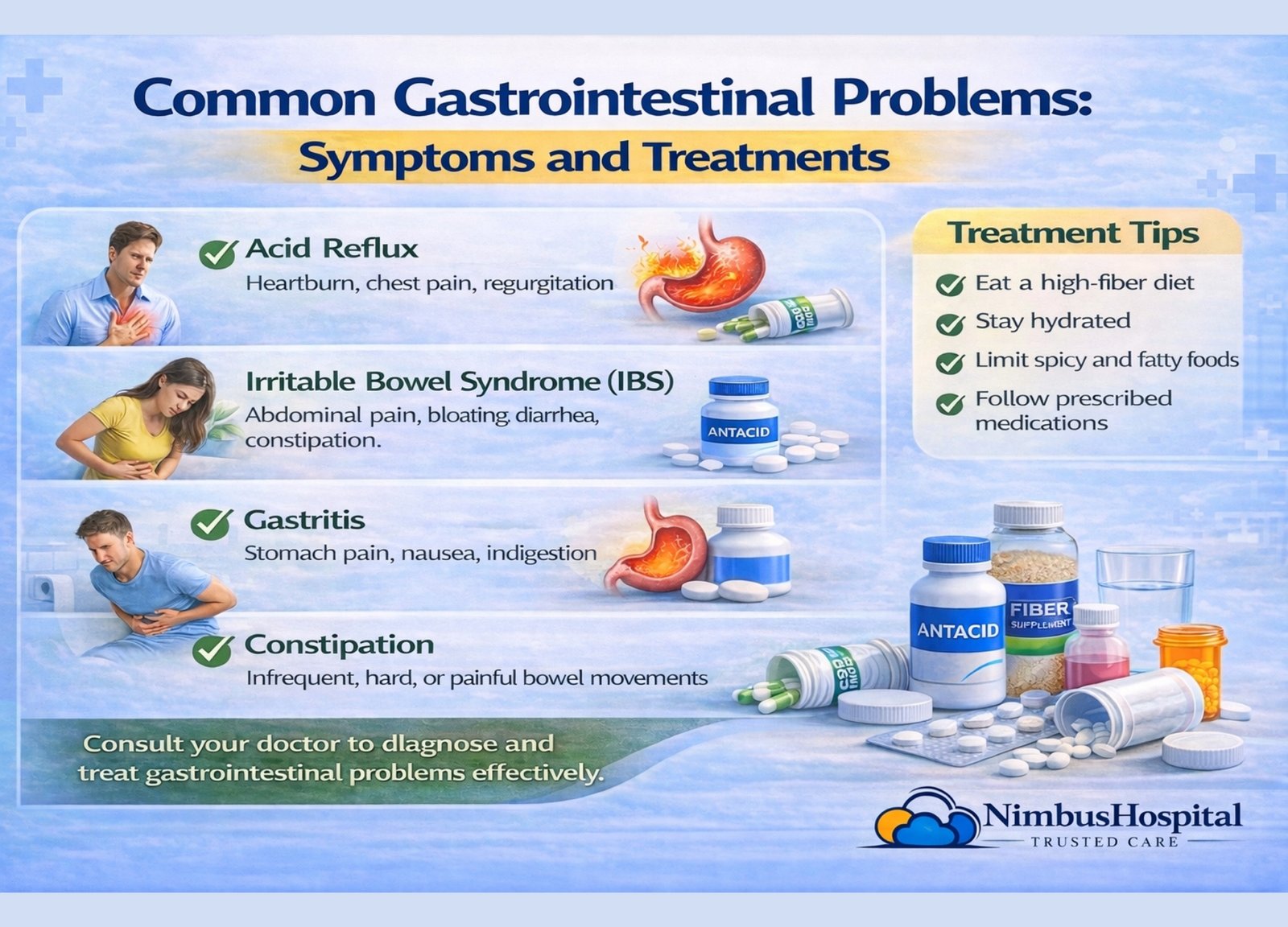
Common Gastrointestinal Problems: Symptoms and Treatment

The digestive system plays a vital role in maintaining overall health by breaking down food, absorbing nutrients and eliminating waste from the body. However, many people experience issues related to the gastrointestinal system that can affect daily life and long-term health. These conditions, often referred to as gastrointestinal disease, range from mild digestive discomfort to more serious medical disorders that require professional treatment.

Understanding the symptoms and causes of common gastrointestinal problems can help individuals seek timely medical care and prevent complications. For patients seeking expert diagnosis and treatment, Nimbus Hospital Solan provides comprehensive care for various digestive disorders.

What Are Gastrointestinal Problems?

Gastrointestinal problems refer to disorders that affect the digestive tract, including the stomach, intestines, esophagus, liver and pancreas. These conditions interfere with the normal digestion and absorption of food.

A gastrointestinal disease can occur due to infections, inflammation, poor dietary habits, stress, or underlying medical conditions. While some digestive issues are temporary, others may require medical attention and long-term management.

Common Gastrointestinal Problems

Several digestive conditions are commonly seen in patients experiencing gastrointestinal discomfort.

Acid Reflux and GERD

Acid reflux occurs when stomach acid flows back into the esophagus, causing heartburn and irritation. When this condition becomes frequent or severe, it may develop into gastroesophageal reflux disease (GERD), a chronic gastrointestinal disease that requires medical treatment.

Gastritis

Gastritis refers to inflammation of the stomach lining. It may be caused by infections, excessive alcohol consumption, certain medications, or stress. Symptoms often include stomach pain, nausea and indigestion.

Irritable Bowel Syndrome (IBS)

IBS is a common gastrointestinal disease that affects the large intestine. It may cause abdominal pain, bloating, diarrhea or constipation. Although IBS does not permanently damage the digestive tract, it can significantly impact daily life.

Peptic Ulcers

Peptic ulcers are sores that develop on the lining of the stomach or small intestine. They are often caused by bacterial infections or prolonged use of certain medications.

Constipation and Diarrhea

These are among the most common gastrointestinal complaints. Constipation occurs when bowel movements become difficult or infrequent, while diarrhea involves loose or watery stools. Both conditions may result from dietary issues, infections or digestive disorders.

Symptoms of Gastrointestinal Disorders

Symptoms of a gastrointestinal disease may vary depending on the underlying condition, but some common warning signs include:

  • Persistent abdominal pain or discomfort
  • Bloating and excessive gas
  • Nausea or vomiting
  • Heartburn or acid reflux
  • Changes in bowel habits
  • Difficulty swallowing
  • Unexplained weight loss

If these symptoms persist or worsen, medical evaluation is important to determine the cause of the gastrointestinal problem.

Causes and Risk Factors

Various factors may contribute to the development of gastrointestinal disease, including:

  • Poor dietary habits
  • High consumption of processed or spicy foods
  • Lack of fiber in the diet
  • Stress and anxiety
  • Bacterial or viral infections
  • Excessive alcohol consumption
  • Long-term use of certain medications

Lifestyle habits and underlying health conditions often influence the functioning of the gastrointestinal system.

Diagnosis of Gastrointestinal Problems

Accurate diagnosis is essential for identifying the cause of digestive disorders. Doctors may recommend several tests to evaluate gastrointestinal health, such as:

  • Blood tests
  • Endoscopy
  • Ultrasound or imaging tests
  • Stool analysis

At Nimbus Hospital Solan, advanced diagnostic facilities help specialists identify the underlying gastrointestinal disease and recommend appropriate treatment.

Treatment Options for Gastrointestinal Diseases

Treatment for gastrointestinal conditions depends on the specific disorder and its severity. Common treatment approaches include:

Medications

Doctors may prescribe medications to reduce stomach acid, control infections or improve digestive function.

Dietary Changes

A balanced diet rich in fiber, fruits, and vegetables can support digestive health and reduce symptoms of gastrointestinal disease.

Lifestyle Modifications

Healthy lifestyle habits such as regular exercise, proper hydration and stress management help improve gastrointestinal function.

Medical Procedures

In some cases, procedures such as endoscopy or surgery may be required to treat severe digestive disorders.

Patients receiving treatment at Nimbus Hospital Solan benefit from personalized care plans designed to address the specific causes of their gastrointestinal condition.

Preventing Gastrointestinal Problems

Maintaining a healthy digestive system can reduce the risk of developing gastrointestinal disease. Some helpful preventive measures include:

  • Eating a balanced and fiber rich diet
  • Drinking enough water throughout the day
  • Avoiding excessive alcohol and processed foods
  • Managing stress effectively
  • Maintaining regular physical activity
  • Seeking medical advice when symptoms persist

These simple habits can support long-term gastrointestinal health.

Why Choose Nimbus Hospital Solan?

Nimbus Hospital Solan provides comprehensive care for patients suffering from digestive disorders. The hospital offers:

  • Experienced specialists in gastrointestinal health
  • Advanced diagnostic technology
  • Personalized treatment plans for gastrointestinal disease
  • Patient-focused care and long-term follow up
  • Modern medical facilities for digestive health management

With a dedicated team of healthcare professionals, Nimbus Hospital Solan focuses on accurate diagnosis and effective treatment for a wide range of digestive conditions.

Conclusion

Digestive health is essential for overall well being, and ignoring symptoms of gastrointestinal problems can lead to serious complications. Recognizing early signs of gastrointestinal disease and seeking timely medical care can help prevent long term health issues.

With expert diagnosis, advanced treatment and personalized care available at Nimbus Hospital Solan, patients can receive effective support for managing digestive disorders and maintaining a healthy gastrointestinal system.

🌐 For consultations and appointments, visit:
https://nimbushospital.in/