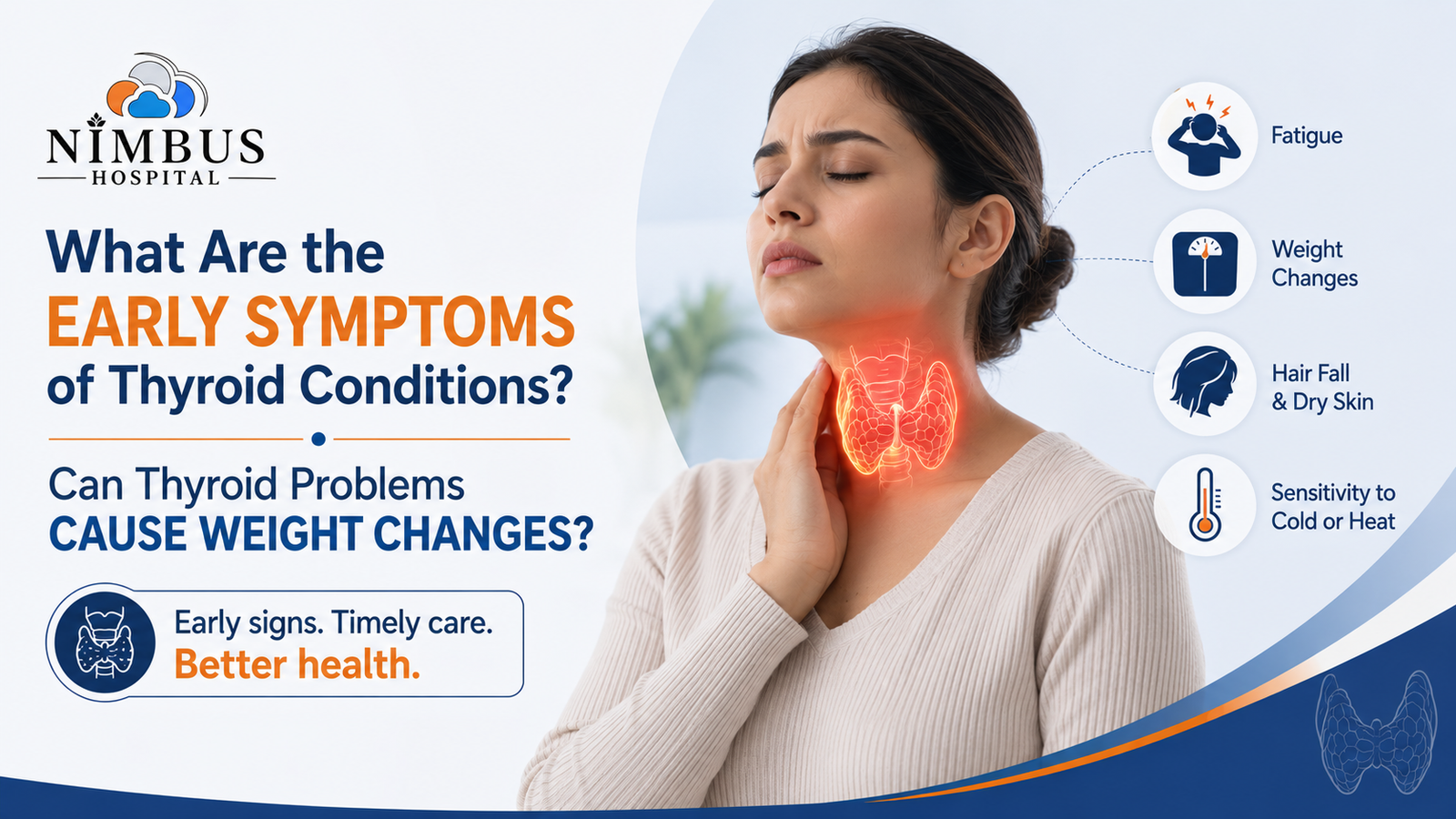
What Are the Early Symptoms of Thyroid Conditions? Can Thyroid Problems Cause Weight Changes?

Thyroid problems can affect the body’s metabolism, energy levels, mood, heart rate and weight. Some people notice unexplained weight gain, while others may lose weight without trying. Tiredness, changes in appetite, feeling unusually cold or hot, hair changes, constipation, anxiety or a faster heartbeat can also occur depending on the thyroid condition. If you are experiencing persistent symptoms, proper medical evaluation is important. For people looking for Thyroid Treatment in Solan, Nimbus Hospital provides thyroid evaluation and management through its MD Medicine services, supported by clinical assessment, laboratory investigations and personalised treatment planning.

What Does the Thyroid Gland Do?

The thyroid is a small, butterfly-shaped gland located in the front of the neck. It produces hormones that help regulate several important functions, including metabolism, energy use and body temperature.

When the thyroid produces too little hormone, the condition is generally called hypothyroidism. When it produces too much, it is called hyperthyroidism.

Both conditions can produce noticeable changes in the body, but their symptoms can be quite different. This is why it is important not to assume that every change in weight or energy is caused by the thyroid.

What Are the Early Symptoms of Thyroid Problems?

Thyroid conditions can develop gradually. Some symptoms may initially seem unrelated to the thyroid, particularly when they are mild.

1. Unexplained Weight Gain

Weight gain can occur with an underactive thyroid because reduced thyroid hormone levels can slow the body’s metabolism.

However, thyroid problems are not the only reason for weight gain. Changes in diet, physical activity, sleep, stress, certain medicines and other health conditions can also contribute.

If weight gain is unexplained and occurs with tiredness, constipation, dry skin or increased sensitivity to cold, thyroid evaluation may be appropriate.

2. Unexplained Weight Loss

An overactive thyroid can increase metabolic activity and may result in weight loss despite having a normal or increased appetite.

Unexpected weight loss should always be taken seriously because it can have many possible causes. If it occurs with a fast heartbeat, sweating, anxiety, shaking or heat intolerance, discuss the symptoms with a doctor.

3. Constant Tiredness

Persistent fatigue is one of the symptoms commonly reported with an underactive thyroid.

You may feel unusually tired, lack energy or find normal activities more difficult than before. Because fatigue is common in many conditions, a doctor may recommend thyroid testing along with other investigations depending on your symptoms.

4. Feeling Too Cold or Too Hot

People with hypothyroidism may feel unusually sensitive to cold, while those with hyperthyroidism may feel excessively warm or sweat more than usual.

If your tolerance to temperature changes noticeably without an obvious reason, it is worth discussing with a healthcare professional.

5. Changes in Heart Rate

Thyroid hormones can affect the cardiovascular system.

An overactive thyroid may cause a faster heartbeat or palpitations, while an underactive thyroid can sometimes be associated with a slower heart rate.

If you experience persistent palpitations, chest discomfort, severe breathlessness or fainting, seek medical attention promptly.

6. Hair and Skin Changes

Thyroid disorders can sometimes cause changes in the skin and hair.

An underactive thyroid may be associated with dry skin and hair changes, while excessive thyroid hormone can also affect hair health.

These symptoms alone cannot confirm a thyroid disorder, but they can be useful information for your doctor.

7. Constipation or Changes in Digestion

Slower body processes associated with hypothyroidism can contribute to constipation.

On the other hand, increased bowel movements can occur in some people with hyperthyroidism.

Persistent changes in bowel habits should be evaluated because digestive symptoms can have many different causes.

8. Mood and Concentration Changes

Thyroid hormone imbalance can affect mood and mental energy.

Some people with an underactive thyroid may experience low mood, reduced concentration or feeling mentally slow. Hyperthyroidism may be associated with anxiety, irritability or restlessness.

If these changes are persistent, medical evaluation can help determine whether the thyroid or another condition is responsible.

Can Thyroid Problems Really Cause Weight Changes?

Yes, thyroid problems can contribute to changes in body weight.

An underactive thyroid can reduce metabolic activity and may contribute to weight gain. An overactive thyroid can increase metabolic activity and may result in weight loss.

But the amount of weight change varies from person to person. Weight should therefore not be used on its own to diagnose a thyroid condition.

A person can have thyroid disease without major weight changes, and weight changes can occur even when the thyroid is functioning normally.

This is why proper blood testing and clinical evaluation are more reliable than trying to diagnose a thyroid problem based only on your weight.

How Are Thyroid Problems Diagnosed?

The diagnosis usually begins with a discussion about symptoms, medical history, medicines and other health conditions. The doctor may then recommend blood tests to assess thyroid function.

Depending on the findings, additional investigations may be required.

Nimbus Hospital’s MD Medicine department provides evaluation and management of thyroid disorders along with other metabolic and chronic conditions. Its care approach includes clinical evaluation, targeted investigations, personalised treatment and follow-up monitoring.

The hospital also has a computerized laboratory and provides blood testing facilities, which can support the investigation and monitoring of thyroid conditions.

Thyroid Care at Nimbus Hospital

Thyroid disorders often require ongoing monitoring rather than a single consultation. Treatment depends on the type of thyroid condition, test results, symptoms and the patient’s overall health.

Nimbus Hospital’s MD Medicine service specifically includes thyroid disorders among the conditions managed by its medical team. The department focuses on understanding the patient’s medical history, conducting appropriate investigations and developing a treatment plan according to individual requirements.

For patients undergoing long-term thyroid treatment, follow-up is important because medication requirements can change over time. Thyroid hormone levels and symptoms may need to be reviewed periodically by the treating doctor.

Why Choose Nimbus Hospital for Thyroid Care?

Experienced MD Medicine Care

Nimbus Hospital’s MD Medicine department provides care for adults and elderly patients and manages thyroid disorders alongside diabetes, hypertension, obesity and other metabolic conditions.

Diagnostic Support

The hospital has a computerized pathology laboratory and provides blood investigations that can help doctors evaluate and monitor health conditions.

Personalised Treatment

Thyroid treatment depends on the individual’s condition and test results. Nimbus Hospital follows a personalised approach rather than applying the same treatment plan to every patient.

Follow-Up Monitoring

Thyroid conditions can require regular monitoring. Follow-up allows the doctor to review symptoms, test results and treatment response and make changes when clinically required.

Comprehensive Medical Care

Thyroid disorders can occur alongside other conditions such as diabetes, obesity and hypertension. Nimbus Hospital’s internal medicine approach allows these health concerns to be evaluated together when necessary.

Patient-Focused Approach

Nimbus Hospital highlights clear diagnosis, personalised treatment and supportive follow-up as important parts of its patient-care approach.

What Can You Do to Support Thyroid Health?

If you have symptoms that may indicate a thyroid problem, the most useful step is to get properly evaluated rather than taking thyroid supplements or medicines without medical advice.

Some general habits can support overall health:

  • Follow a balanced diet.
  • Stay physically active.
  • Maintain a healthy weight.
  • Get adequate sleep.
  • Take prescribed medicines regularly.
  • Attend recommended follow-up appointments.
  • Complete thyroid tests when advised.
  • Avoid changing medication doses without speaking to your doctor.

There is no single diet or home remedy that can replace appropriate medical treatment for a diagnosed thyroid disorder.

When Should You See a Doctor?

Consider a medical consultation if you experience unexplained and persistent weight gain or weight loss along with symptoms such as:

  • Constant fatigue
  • Hair loss or noticeable hair changes
  • Feeling unusually cold or hot
  • Constipation or frequent bowel movements
  • Palpitations
  • Anxiety or mood changes
  • Difficulty concentrating
  • Changes in your menstrual cycle
  • Swelling around the neck

A doctor can determine whether thyroid testing is appropriate and whether another health condition may be causing the symptoms.

Severe chest pain, serious breathing difficulty, fainting or a very fast or irregular heartbeat requires prompt medical attention rather than waiting for a routine thyroid appointment.

Thyroid Treatment in Solan at Nimbus Hospital

For people searching for Thyroid Treatment in Solan, Nimbus Hospital offers thyroid evaluation and management through its MD Medicine department, with diagnostic laboratory support and personalised treatment planning.

The hospital’s approach focuses on understanding the patient’s symptoms and medical history, performing appropriate investigations and monitoring the response to treatment. This is particularly important for thyroid conditions because symptoms can overlap with many other medical problems.

Rather than treating weight gain or fatigue alone, proper medical evaluation can help identify whether thyroid dysfunction is actually contributing to the problem.

Final Thoughts

Thyroid conditions can affect much more than body weight. Changes in energy, mood, digestion, heart rate, temperature tolerance, skin and hair can all occur depending on whether the thyroid is underactive or overactive.

Yes, thyroid problems can cause weight changes, but weight gain or weight loss alone does not confirm a thyroid disorder. Blood tests and clinical assessment are important for reaching the right diagnosis.

If you have persistent symptoms or unexplained changes in weight, energy or heart rate, consider speaking with a qualified doctor. Early evaluation can help identify thyroid problems and other possible causes, allowing appropriate treatment and monitoring.

For patients seeking Thyroid Treatment in Solan, Nimbus Hospital provides MD Medicine consultation, thyroid evaluation, diagnostic support, personalised treatment and follow-up care.

FAQ’s

1. Can thyroid problems cause weight gain?

Yes, especially with an underactive thyroid.

2. Can thyroid problems cause weight loss?

Yes, an overactive thyroid may cause unexplained weight loss.

3. What test checks thyroid function?

Blood tests are commonly used to assess thyroid function.

4. Can thyroid problems cause tiredness?

Yes, particularly in hypothyroidism.

5. Can thyroid conditions be treated?

Yes, most thyroid conditions can be managed with appropriate treatment.
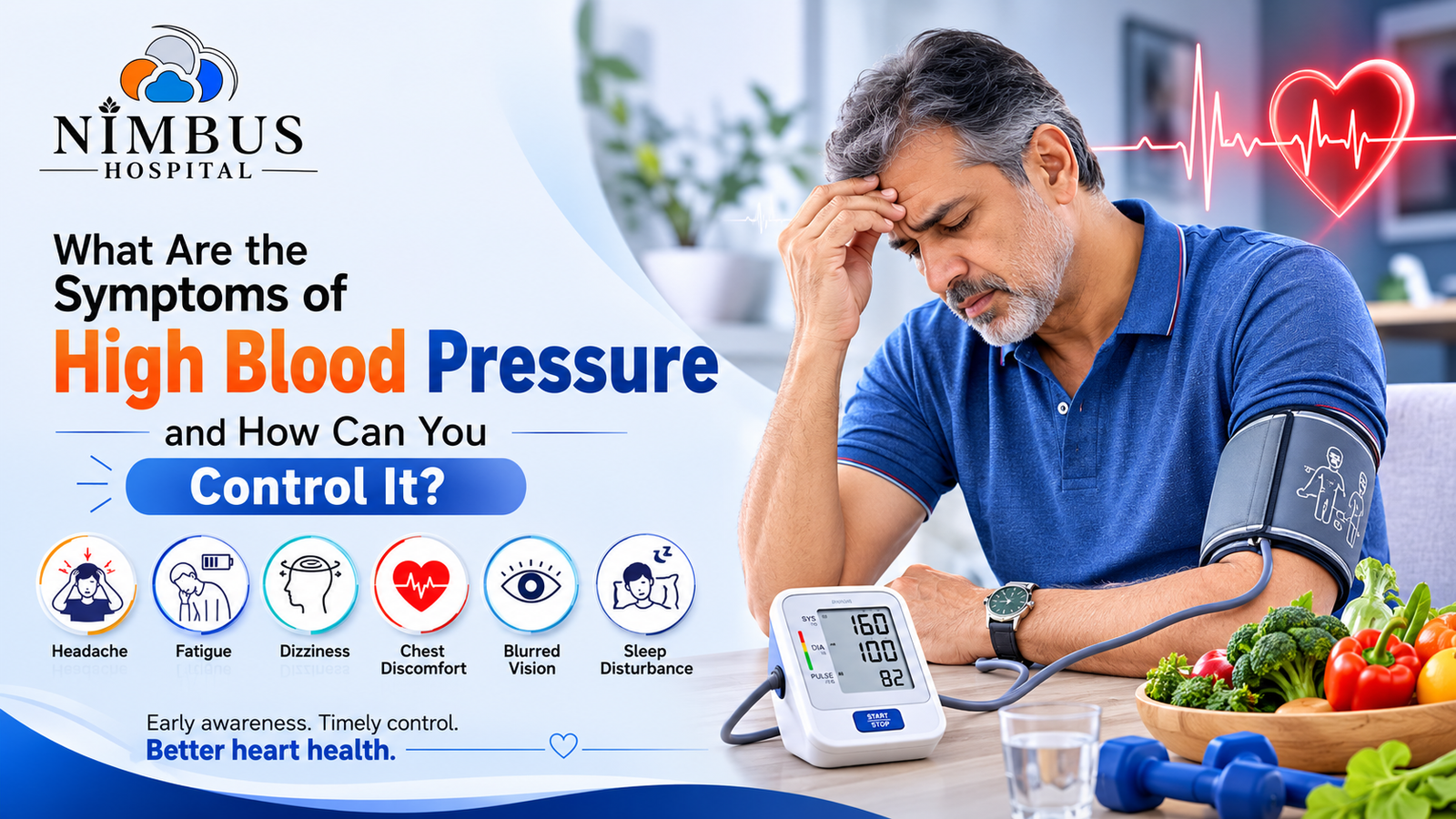
What Are the Symptoms of High Blood Pressure and How Can You Control It?

High blood pressure, also called hypertension, is often known as a “silent” condition because many people do not notice any clear symptoms. However, some people may experience headaches, dizziness, blurred vision, chest discomfort, palpitations, breathlessness or unusual fatigue. Regular BP monitoring is important, particularly if you have diabetes, kidney problems, excess weight, a family history of hypertension or an inactive lifestyle. For people looking for Blood Pressure Treatment in Solan, Nimbus Hospital provides BP evaluation, risk assessment, lifestyle guidance, prescribed medication and regular monitoring through its medical care services.

What Is High Blood Pressure?

Blood pressure is the force with which blood pushes against the walls of your arteries as the heart pumps blood around the body.

When blood pressure remains consistently high, it can place additional strain on the heart and blood vessels. Over time, uncontrolled hypertension can increase the risk of heart disease, stroke, kidney problems and other complications.

One important point is that a single high BP reading does not always mean you have hypertension. Doctors may recommend repeated readings, home monitoring or further assessment before confirming a diagnosis. Nimbus Hospital’s hypertension care focuses on accurate BP assessment, risk evaluation and a long-term control plan.

What Are the Symptoms of High Blood Pressure?

Many people with high blood pressure have no noticeable symptoms. That is why regular monitoring can be important even when you feel completely well.

When symptoms do occur, they may include:

1. Headache

Some people with elevated blood pressure may experience headaches. However, headaches have many possible causes, so having a headache alone does not mean that your BP is high.

If headaches are frequent, unusually severe or associated with other symptoms, it is better to have your blood pressure checked.

2. Dizziness

Feeling dizzy or light-headed can occur for many reasons, including dehydration, medication effects, low blood pressure and other health conditions.

If dizziness happens repeatedly or occurs alongside very high BP, chest discomfort, weakness or vision changes, medical evaluation is advisable.

3. Blurred Vision

Changes in blood pressure can sometimes be associated with vision problems. Persistent blurred vision should not be ignored because high blood pressure can affect the blood vessels supplying the eyes over time.

Sudden vision loss or major changes in vision require urgent medical attention.

4. Chest Discomfort or Palpitations

Some people with high BP may experience chest discomfort or a sensation of a fast or irregular heartbeat.

These symptoms should not automatically be attributed to blood pressure. They can also be related to heart conditions and therefore may require proper evaluation.

Nimbus Hospital provides cardiac and respiratory assessment for symptoms such as chest discomfort, palpitations and BP-related concerns, with ECG and Echo support when clinically required.

5. Breathlessness

Breathlessness can have several causes, including heart and lung conditions.

If you experience unusual breathlessness, particularly along with chest discomfort, dizziness or swelling in the feet, consult a doctor rather than assuming that it is simply due to high BP.

6. Fatigue

Persistent tiredness can be linked to many health conditions. When it occurs together with other symptoms or poorly controlled BP, it may be worth discussing with a doctor.

Nimbus Hospital’s MD Medicine department provides evaluation and long-term management for hypertension alongside other chronic conditions.

What Causes High Blood Pressure?

Hypertension usually develops from a combination of genetic, lifestyle and health-related factors.

Common risk factors include:

  • Family history of high BP
  • High-salt diet
  • Being overweight
  • Lack of physical activity
  • Long-term stress
  • Smoking
  • Alcohol consumption
  • Diabetes
  • Kidney disease
  • Increasing age

Nimbus Hospital’s hypertension information specifically highlights family history, high salt intake, excess weight, stress, low physical activity, smoking/alcohol, diabetes and kidney disease as factors that can increase risk.

How Can You Control High Blood Pressure?

Managing BP is usually a long-term process. The right approach depends on your BP readings, age, overall health, existing conditions and cardiovascular risk.

Reduce Salt Intake

Too much sodium can contribute to increased blood pressure in some people.

Try to reduce salty snacks, pickles, processed foods and foods with high amounts of added salt. Choose balanced meals with vegetables, fruits and other nutritious foods.

Nimbus Hospital recommends salt control and balanced eating as part of its BP management approach.

Stay Physically Active

Regular physical activity can support cardiovascular health and weight management.

For many people, daily walking can be a practical starting point. However, if you already have heart problems, severe hypertension or other medical conditions, discuss an appropriate exercise plan with your doctor first.

Maintain a Healthy Weight

If you are overweight, gradual weight management can support better blood pressure control.

A sustainable approach involving appropriate food choices and regular physical activity is generally more useful than extreme diets or quick-fix weight-loss plans.

Manage Stress

Long-term stress can make healthy routines more difficult and may affect blood pressure.

Simple habits such as regular sleep, physical activity, relaxation techniques and maintaining a consistent daily routine can support overall health.

Avoid Tobacco and Limit Alcohol

Smoking damages blood vessels and increases cardiovascular risk. Alcohol can also affect blood pressure, particularly when consumed excessively.

Avoiding tobacco and discussing alcohol intake with your doctor can be an important part of cardiovascular risk reduction.

Take Medicines as Prescribed

Some people can improve their BP significantly through lifestyle changes, while others require medication.

If your doctor prescribes BP medicine, take it according to the prescribed schedule. Do not stop or change your dose simply because your BP reading has become normal.

Nimbus Hospital specifically advises that BP medicines should only be stopped or adjusted under a doctor’s guidance because sudden discontinuation can cause a BP spike.

Why Regular BP Monitoring Matters

You can have high blood pressure without feeling sick.

This is why checking your BP periodically can be useful, especially if you have risk factors or have previously received a high reading.

Nimbus Hospital recommends repeat BP readings or home BP monitoring as part of hypertension evaluation and long-term management. Patients can also bring recent BP readings, medication details and previous reports to their consultation to help the doctor understand their condition.

How Is High Blood Pressure Evaluated at Nimbus Hospital?

The evaluation starts with understanding your BP readings, symptoms, medical history, medications and risk factors.

Depending on your condition, the doctor may recommend:

  • Repeat BP measurements
  • Home BP monitoring
  • ECG
  • Blood sugar testing
  • Lipid profile
  • Kidney function tests
  • Urine analysis
  • Eye examination
  • Additional tests when required

Nimbus Hospital’s hypertension service lists these investigations as part of evaluating the cause of high BP and checking for possible complications.

Its diagnostic facilities also include a computerized laboratory, home sample collection, ECG and X-ray services.

Blood Pressure Treatment at Nimbus Hospital

Nimbus Hospital follows a personalised approach to hypertension management rather than treating every patient in exactly the same way.

The treatment plan may include lifestyle changes, dietary guidance, weight management, exercise advice, prescribed BP medicines and regular follow-up. Medication and dosage adjustments are based on BP readings and the doctor’s assessment.

The MD Medicine department manages hypertension as part of internal medicine care and provides detailed clinical evaluation, targeted investigations, personalised treatment and follow-up monitoring.

This approach is useful because high BP can occur alongside diabetes, obesity, kidney disease and other conditions that may also need attention.

Why Choose Nimbus Hospital for Blood Pressure Care?

Experienced Medical Care

Nimbus Hospital’s MD Medicine department provides care for adults and elderly patients and specifically manages hypertension, diabetes, thyroid disorders, obesity and other metabolic conditions.

Personalised Treatment

The hospital’s approach includes medication and lifestyle plans tailored to the patient’s condition, along with diet guidance and follow-up monitoring.

Diagnostic Facilities

Patients have access to a computerized laboratory, home sample collection, ECG, X-ray and other diagnostic services under the hospital’s broader healthcare setup.

Heart-Risk Evaluation

High BP is closely connected with cardiovascular risk. Nimbus Hospital’s cardiac and respiratory service provides heart-risk evaluation, including consideration of BP, cholesterol and diabetes-related risks.

24×7 Emergency Support

Nimbus Hospital provides emergency care around the clock, with immediate assessment, stabilisation, diagnostic support and ICU/HDU backup when required.

When Is High Blood Pressure an Emergency?

Very high BP accompanied by serious symptoms requires urgent medical attention.

Nimbus Hospital identifies symptoms such as:

  • Severe headache with vomiting or confusion
  • Chest pain
  • Severe breathlessness
  • Weakness or numbness
  • Blurred vision or sudden vision loss
  • Fainting

as warning signs requiring immediate care.

A BP reading around 180/120 mmHg or higher, particularly when accompanied by concerning symptoms, should not be managed casually at home. Seek urgent medical attention.

Final Thoughts

High blood pressure can remain unnoticed for years, which makes regular monitoring and early management important. Headaches, dizziness, blurred vision, chest discomfort, palpitations, breathlessness and fatigue can occur, but symptoms alone cannot confirm hypertension.

The best way to understand your BP is through proper measurement, medical evaluation and appropriate follow-up. Lifestyle habits such as reducing salt, staying active, maintaining a healthy weight, managing stress and avoiding tobacco can support BP control. Some patients may also need prescribed medicines.

For people searching for Blood Pressure Treatment in Solan, Nimbus Hospital provides hypertension evaluation, diagnostic support, personalised treatment, lifestyle guidance and regular monitoring through its MD Medicine and cardiac-care services.

If your BP is very high and you have chest pain, severe breathlessness, confusion, weakness, fainting or sudden vision problems, seek emergency medical care immediately. Nimbus Hospital provides 24×7 emergency support for serious medical situations.

FAQ’s

1. Can high BP have no symptoms?

Yes, many people have no noticeable symptoms.

2. What BP is considered very high?

A reading of 180/120 mmHg or higher needs urgent attention, especially with symptoms.

3. Can lifestyle changes lower BP?

Yes, healthy lifestyle changes can support better BP control.

4. Should I stop BP medicine when readings improve?

No. Change medicines only on your doctor’s advice.

5. How often should I check my BP?

Your doctor can recommend the right monitoring schedule for you.

Is Chest Pain Always a Heart Problem? When Should You See a Doctor?

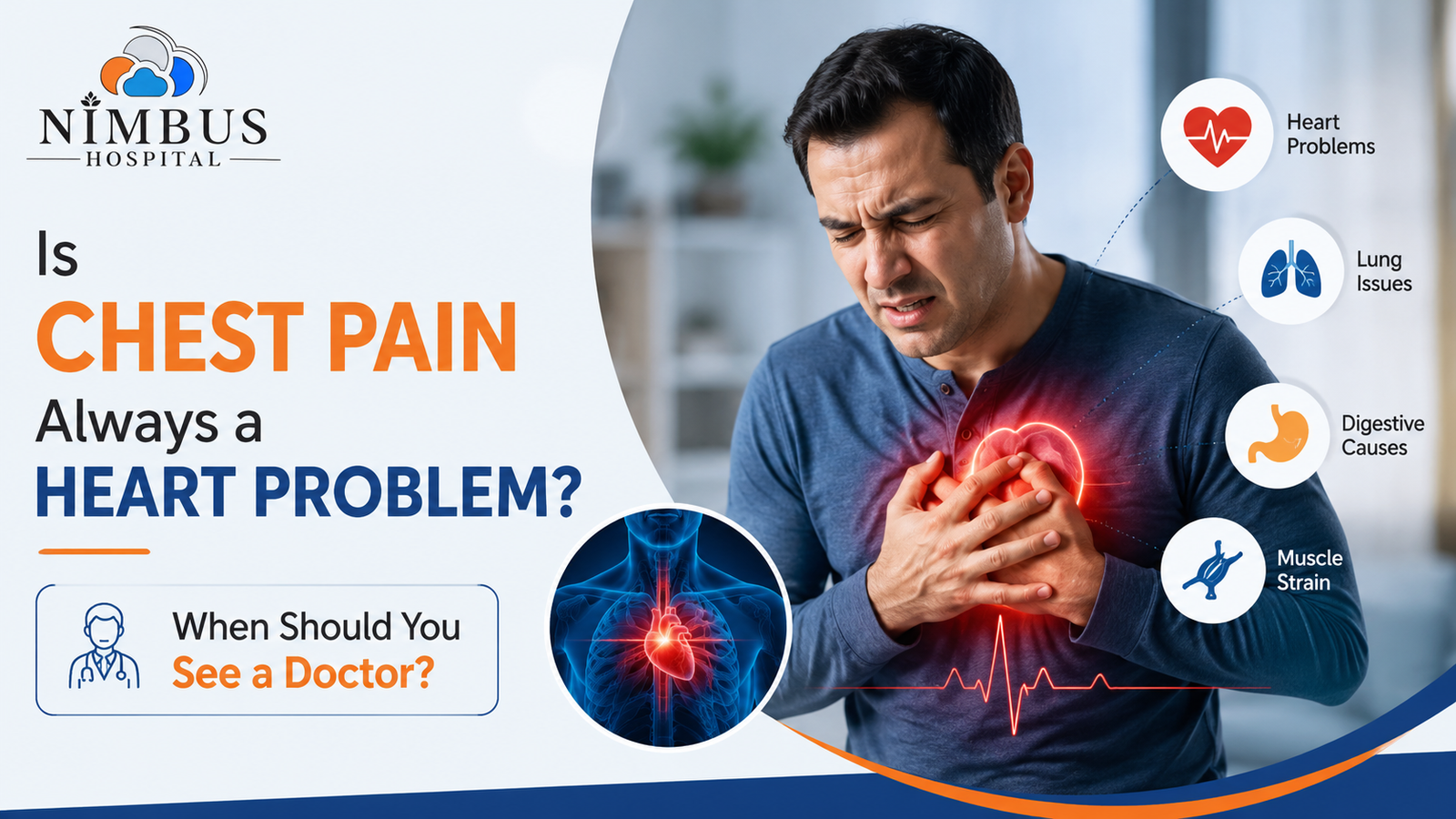
Chest pain can be frightening, but it does not always mean that you have a heart problem. Acidity, muscle strain, anxiety and respiratory conditions can also cause chest discomfort. However, new, severe, recurring or pressure-like chest pain should never be ignored because it can sometimes indicate a serious cardiac condition. If you are looking for a Heart Problems Hospital in Solan, Nimbus Hospital provides evaluation for chest discomfort, palpitations, breathlessness and heart-related risk factors, with ECG, Echo and other diagnostic support available when required.

What Can Cause Chest Pain?

Chest pain can originate from different parts of the body, not just the heart. The digestive system, muscles, lungs and even stress or anxiety can produce symptoms that feel similar to heart-related discomfort.

Common causes can include:

  • Acidity or acid reflux
  • Muscle strain
  • Anxiety or panic
  • Respiratory problems
  • Heart-related conditions

Because these symptoms can overlap, it is not always possible to identify the cause based on how the pain feels alone. A medical assessment is especially important when the pain is new or accompanied by other warning signs.

Heart-related chest discomfort may feel like pressure, heaviness, tightness or squeezing rather than a sharp pain. Some people may also experience discomfort that spreads towards the arm, jaw, shoulder or back.

Nimbus Hospital’s heart-care information identifies chest pressure or pain lasting more than 10–15 minutes, particularly when accompanied by other symptoms, as a warning sign requiring urgent evaluation.

You should be particularly cautious if chest discomfort occurs together with:

  • Sweating
  • Nausea
  • Extreme weakness
  • Breathlessness
  • Dizziness
  • Fainting
  • Pain spreading to the arm or jaw

These symptoms can require urgent medical attention.

Acidity and heart-related chest pain can sometimes feel similar, which is why self-diagnosis can be risky.

Acidity may cause burning behind the breastbone, particularly after eating or when lying down. Heart-related discomfort may feel like pressure, heaviness or tightness and can occur with physical activity or other symptoms.

However, there is no reliable rule that can safely distinguish the two at home. If the pain is severe, persistent, unusual for you or associated with breathlessness, sweating or fainting, medical evaluation should not be delayed.

What Other Symptoms Should You Watch For?

Chest pain is not the only warning sign of a possible heart problem.

Breathlessness

Unusual shortness of breath while walking, performing routine activities or even while resting should be assessed, particularly when it occurs with chest discomfort.

Nimbus Hospital’s Cardiac & Respiratory Physician service evaluates breathlessness, chest discomfort and heart-lung risk factors.

Palpitations

A racing, pounding or irregular heartbeat can sometimes occur because of stress or caffeine, but repeated palpitations deserve medical attention.

If palpitations occur with dizziness, fainting, chest discomfort or breathlessness, an ECG or further assessment may be recommended.

Dizziness or Fainting

Unexplained dizziness or fainting can have several causes, including blood-pressure or heart-rhythm problems. Repeated episodes should be evaluated instead of being ignored.

Unusual Fatigue

Persistent tiredness or weakness can have many causes. But when it occurs with breathlessness, chest discomfort or reduced exercise tolerance, a medical evaluation can help identify the underlying problem.

Swelling in the Feet

Persistent swelling in the feet or legs, particularly when accompanied by breathlessness or fatigue, should also be discussed with a doctor. Nimbus Hospital lists leg swelling among the symptoms evaluated through its cardiac and respiratory care service.

Who Should Be More Careful About Chest Pain?

Some people have a higher risk of cardiovascular problems. Important risk factors include:

  • High blood pressure
  • Diabetes
  • High cholesterol
  • Smoking
  • Excessive alcohol use
  • Obesity
  • Physical inactivity
  • Family history of heart disease
  • Long-term stress

Nimbus Hospital’s heart-care information specifically highlights hypertension, diabetes, high cholesterol, smoking, alcohol, stress and family history as cardiovascular risk factors.

If you have one or more of these risk factors and develop new chest discomfort, it is better to seek medical advice rather than assuming it is acidity or muscle pain.

How Is Chest Pain Evaluated at Nimbus Hospital?

The first step is understanding the patient’s symptoms, medical history and risk factors. The doctor may then recommend appropriate investigations based on the clinical assessment.

Nimbus Hospital provides diagnostic support that can include:

ECG: Helps assess heart rhythm and identify certain cardiac changes.

2D Echo: Provides information about heart function and valves.

Blood Tests: Tests such as sugar, lipid profile and cardiac markers may be advised when clinically appropriate.

TMT/Stress Test: May be recommended in selected cases.

BP Monitoring or Holter: May be considered when blood pressure or heart-rhythm monitoring is needed.

The important point is that not every patient needs every test. The appropriate investigation depends on symptoms, examination findings and individual risk factors.

Heart Care at Nimbus Hospital

Nimbus Hospital provides cardiac and respiratory physician care for symptoms such as chest discomfort, heaviness, palpitations, breathlessness and high blood-pressure-related concerns. Its care process includes consultation, vital assessment, targeted tests when required, treatment planning and follow-up monitoring.

The hospital also provides broader internal medicine care. Its MD Medicine department includes chest discomfort evaluation, hypertension management and heart-risk screening, allowing cardiac symptoms to be assessed alongside other health conditions such as diabetes and metabolic disorders.

This is particularly useful because heart symptoms can sometimes occur alongside other conditions or risk factors.

Why Choose Nimbus Hospital for Chest Pain Evaluation?

1. Cardiac & Respiratory Physician Care

Nimbus Hospital provides dedicated evaluation for heart and lung symptoms, including chest discomfort, palpitations and breathlessness.

2. Diagnostic Facilities

The hospital provides ECG, Echo and other diagnostic investigations as recommended. Its facility also includes a computerized laboratory, X-ray and ECG services.

3. Risk-Factor Evaluation

Blood pressure, diabetes, cholesterol and other cardiovascular risk factors can be assessed as part of the overall evaluation.

4. Personalised Treatment

Treatment depends on the underlying diagnosis. Nimbus Hospital describes a care process involving medicines where required, lifestyle guidance, risk-factor control and follow-up.

5. 24×7 Emergency Support

Nimbus Hospital’s emergency department operates 24×7 and provides rapid triage, stabilisation, ECG and emergency diagnostic support, with ICU/HDU backup when required.

When Should You Go to Emergency?

Do not wait for a routine appointment if you experience:

  • Severe or persistent chest pain or pressure
  • Severe breathlessness
  • Chest discomfort with cold sweating or nausea
  • Fainting or collapse
  • Bluish lips or signs of low oxygen
  • Sudden facial or arm weakness
  • Slurred speech or confusion

Nimbus Hospital specifically lists chest pain, severe breathing difficulty, unconsciousness and stroke symptoms among situations requiring urgent emergency care.

If symptoms are severe, seek emergency medical help immediately rather than waiting to see whether they disappear.

Final Thoughts

So, is chest pain always a heart problem? No. Chest pain can have several causes, including acidity, muscle problems, anxiety and respiratory conditions. But because some serious heart conditions can initially present with chest discomfort, it is safer to have unexplained or concerning pain evaluated by a medical professional.

For people searching for a Heart Problems Hospital in Solan, Nimbus Hospital offers cardiac and respiratory physician consultation, heart-risk assessment, ECG and Echo support, diagnostic services, personalised treatment and 24×7 emergency care.

The most important rule is simple: if chest pain is severe, persistent, pressure-like or accompanied by breathlessness, sweating, fainting or weakness, do not delay emergency medical attention.

FAQ’S

1. Is every chest pain a heart problem?

No. Acidity, muscles, lungs and anxiety can also cause chest pain.

2. When is chest pain an emergency?

Severe or persistent chest pain with other warning signs needs urgent care.

3. Can acidity cause chest pain?

Yes, acidity can cause burning or discomfort in the chest.

4. Which test checks the heart?

ECG and Echo are commonly used heart investigations.

5. Does Nimbus Hospital provide emergency care?

Yes, Nimbus Hospital provides 24×7 emergency support.

What Are the Warning Signs of Heart Problems You Should Never Ignore?

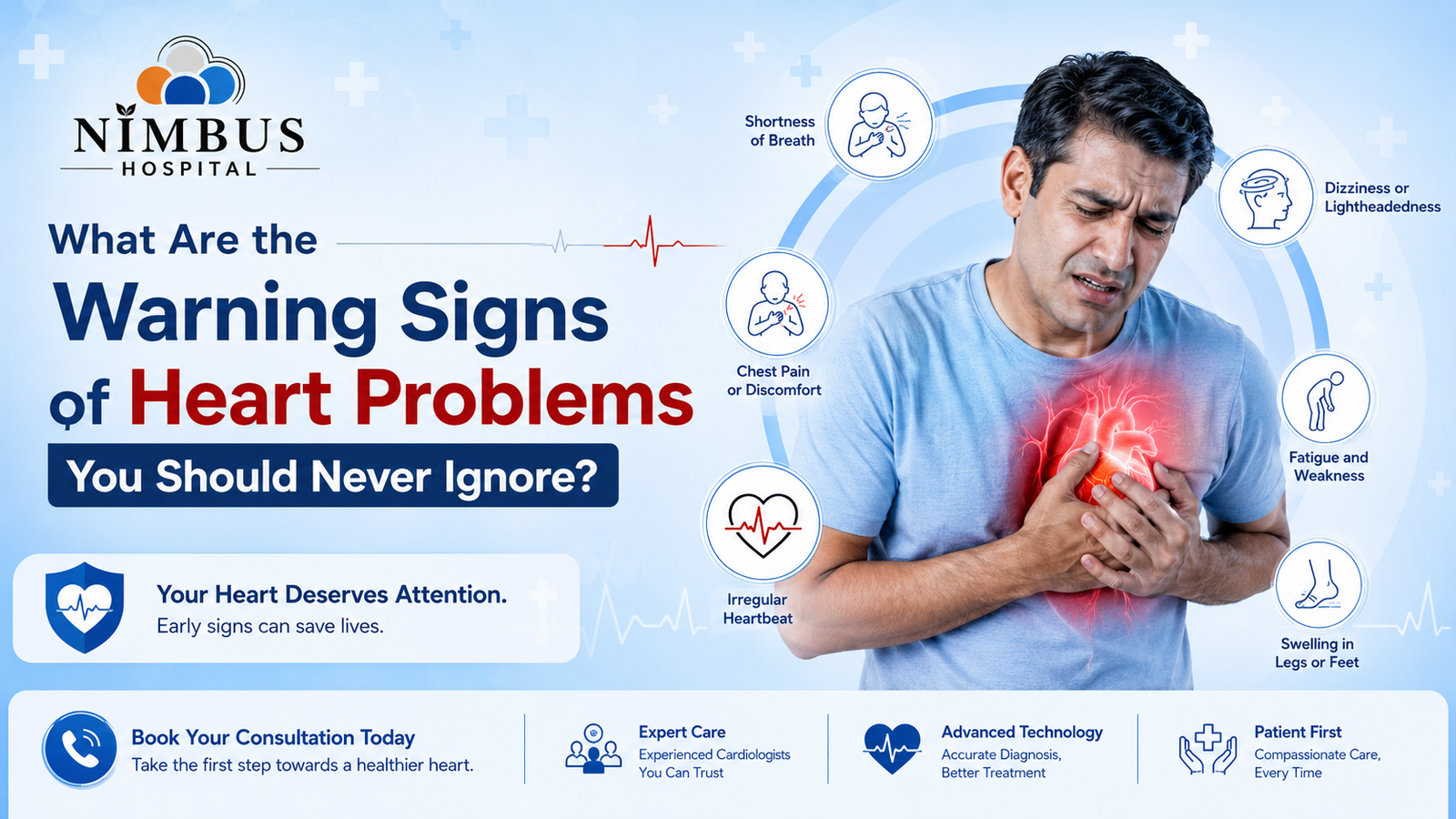
Heart problems do not always begin with severe chest pain. Sometimes the first signs can be breathlessness while walking, unusual tiredness, palpitations, dizziness, swelling in the feet or a feeling of heaviness in the chest. Recognising these symptoms early can help you seek medical attention before the condition becomes more serious. If you are searching for the Best Heart Problems Hospital in Solan, Nimbus Hospital provides heart and cardiac evaluation through its cardiac and respiratory physician services, supported by ECG, Echo, blood tests and 24×7 emergency care.

Why Should You Never Ignore Heart Symptoms?

The heart supplies blood and oxygen to every part of the body, so problems affecting its function can produce symptoms in different ways. A person may notice chest discomfort, breathing difficulty, an irregular heartbeat or unexplained weakness.

Not every chest pain or palpitation means a heart problem. Acidity, anxiety, muscle pain and other conditions can cause similar symptoms. However, it is important not to assume the cause yourself, particularly when symptoms are new, severe, recurrent or getting worse.

Nimbus Hospital focuses on early evaluation and appropriate diagnosis. Its cardiac care services include assessment of chest symptoms, palpitations, blood-pressure-related concerns and heart-risk factors such as diabetes and high cholesterol.

1. Chest Pain, Pressure or Heaviness

Chest discomfort is one of the most important symptoms to take seriously.

It may feel like pressure, heaviness, tightness, burning or pain in the chest. In some cases, discomfort may spread towards the arm, jaw, back or shoulder.

Chest pain can have several causes, including acidity and muscle-related problems. However, prolonged or severe chest pressure, particularly when accompanied by sweating, nausea, weakness or breathlessness, requires urgent medical evaluation.

Nimbus Hospital specifically identifies chest pain or pressure lasting around 10–15 minutes, particularly with other warning symptoms, as a reason for immediate help.

2. Unusual Shortness of Breath

Getting breathless after strenuous exercise can be normal. But breathlessness during routine activities or while resting should not be ignored.

Heart and lung conditions can both cause breathing difficulties. Nimbus Hospital’s Cardiac & Respiratory Physician service evaluates shortness of breath, chest discomfort and other heart-lung symptoms and can recommend investigations such as ECG, Echo, PFT or imaging when required.

Severe breathlessness, particularly when it appears suddenly or is associated with chest pain, bluish lips or collapse, should be treated as an emergency.

3. Fast or Irregular Heartbeat

A racing, pounding or irregular heartbeat is commonly described as palpitations.

Palpitations can sometimes occur because of stress, caffeine, lack of sleep or other non-cardiac causes. However, repeated palpitations should be assessed, especially when they occur with dizziness, fainting, chest discomfort or breathlessness.

Nimbus Hospital lists ECG and, when required, Holter monitoring among the investigations that may be used for heart-related evaluation.

4. Dizziness or Fainting

Occasional dizziness may have many causes, including dehydration or low blood pressure. But unexplained dizziness or fainting can sometimes be associated with heart rhythm or circulation problems.

A fainting episode should not simply be dismissed, particularly if it happens during physical activity or occurs with chest pain, palpitations or breathing difficulty.

If someone becomes unconscious or collapses, immediate emergency medical care is required.

5. Unusual Tiredness or Weakness

Persistent fatigue can be easy to overlook because it may be blamed on work, stress or poor sleep.

However, unusual tiredness that continues despite adequate rest may deserve medical evaluation, particularly when accompanied by breathlessness, chest discomfort, dizziness or reduced ability to perform normal activities.

Nimbus Hospital’s internal medicine services include evaluation of general weakness and fatigue as well as heart-risk screening and chest discomfort assessment.

6. Swelling in the Feet or Legs

Swelling around the ankles, feet or legs can have several causes. In some situations, it can be associated with problems affecting fluid balance or heart function.

If swelling is persistent, worsening or accompanied by breathlessness or unusual fatigue, consult a healthcare professional instead of relying only on home remedies.

Nimbus Hospital includes leg swelling among the symptoms evaluated by its Cardiac & Respiratory Physician service.

7. Cold Sweating, Nausea or Extreme Weakness

Cold sweating, nausea and sudden extreme weakness can occur alongside serious heart-related symptoms.

These signs become particularly concerning when they appear with chest pressure, breathlessness or pain that spreads to the arm, jaw or back.

Do not wait for the symptoms to become unbearable before seeking help.

8. Sudden Weakness or Speech Problems

Heart health and stroke risk are closely connected. Sudden weakness or numbness of the face, arm or leg, slurred speech, confusion or a sudden severe headache can be warning signs of a stroke.

These symptoms require immediate emergency assessment.

Nimbus Hospital’s 24×7 emergency service specifically lists sudden facial weakness, arm weakness, slurred speech, confusion and sudden severe headache among emergency warning signs.

Who Is More at Risk of Heart Problems?

Heart risk is not limited to older adults. Several factors can increase the likelihood of cardiovascular problems, including:

  • High blood pressure
  • Diabetes
  • High cholesterol
  • Smoking
  • Excessive alcohol use
  • Physical inactivity
  • Excess weight
  • Family history of heart disease
  • Long-term stress

Nimbus Hospital’s heart-care information specifically highlights high BP, diabetes, high cholesterol, smoking, alcohol, stress and family history as important risk factors.

This is why regular monitoring of blood pressure, blood sugar and cholesterol can be useful, especially for people with known risk factors.

How Are Heart Problems Evaluated?

A doctor generally begins with your symptoms, medical history, medications, lifestyle and vital signs. Based on the initial assessment, specific tests may be recommended.

At Nimbus Hospital, heart-related evaluation may include:

ECG: Helps assess heart rhythm and identify certain signs associated with cardiac problems.

2D Echo: Helps evaluate heart function and valves.

Blood Tests: Sugar, lipid profile and cardiac markers may be advised depending on the situation.

TMT/Stress Test: May be recommended when clinically appropriate.

BP Monitoring or Holter: May be used when blood-pressure or rhythm monitoring is needed.

The purpose of testing is not simply to order every possible investigation. The appropriate tests depend on the patient’s symptoms, risk factors and clinical assessment.

Heart Care at Nimbus Hospital

Nimbus Hospital provides cardiac and respiratory physician support for patients experiencing chest discomfort, palpitations, breathlessness and heart-related risk factors. Its approach combines consultation with diagnostic support and personalised treatment planning.

The hospital’s MD Medicine department also provides heart-risk screening, hypertension management and chest discomfort evaluation as part of internal medicine care.

This allows the patient’s symptoms to be considered in the context of their overall health rather than treating one symptom in isolation.

Why Choose Nimbus Hospital for Heart Care?

Heart and Respiratory Physician Support

Nimbus Hospital provides specialist evaluation for heart and lung symptoms, including chest discomfort, palpitations, breathlessness and high-BP-related concerns.

Diagnostic Support

The hospital provides ECG, Echo, blood tests and other investigations when recommended by the doctor. Its broader diagnostic setup also includes a computerized pathology laboratory and X-ray services.

Personalised Treatment

Treatment depends on the actual diagnosis. Nimbus Hospital’s heart-care approach includes lifestyle and risk-factor control, medicines when required and follow-up monitoring.

24×7 Emergency Care

For serious symptoms, Nimbus Hospital has 24×7 emergency support with rapid triage, stabilisation, ECG and other diagnostic support, along with ICU/HDU backup when required.

Patient-First Approach

Nimbus Hospital describes its care model around clear diagnosis, personalised treatment, supportive follow-up and patient-focused healthcare.

When Should You Go to the Emergency Department?

Do not delay emergency care if you experience:

  • Severe or persistent chest pain
  • Chest pressure with sweating or nausea
  • Severe breathlessness
  • Fainting or collapse
  • Bluish lips or signs of very low oxygen
  • Sudden weakness or facial drooping
  • Slurred speech or confusion

Nimbus Hospital’s emergency department operates 24×7 and specifically identifies chest pain, severe breathlessness, unconsciousness and stroke symptoms as situations requiring urgent care.

If symptoms are severe, use an ambulance or appropriate medical transport where available rather than driving yourself.

Final Thoughts

Heart problems can sometimes give warning signs before becoming a major emergency. Chest pressure, breathlessness, palpitations, dizziness, unusual fatigue, swelling and sudden weakness should not be routinely ignored.

At the same time, symptoms alone cannot confirm a heart condition. A proper medical assessment is needed to determine whether the cause is cardiac, respiratory, digestive, muscular or related to another health problem.

For people searching for the Best Heart Problems Hospital in Solan, Nimbus Hospital offers cardiac and respiratory physician consultation, heart-risk evaluation, ECG and Echo support, diagnostic facilities, personalised treatment and 24×7 emergency care.

FAQ’S

1. What is a serious heart warning sign?

Severe chest pain, breathlessness, sweating or fainting needs urgent attention.

2. Can acidity feel like heart pain?

Yes, but severe or new chest pain should be medically evaluated.

3. Are palpitations always dangerous?

No, but repeated palpitations with dizziness need evaluation.

4. When is breathlessness an emergency?

Sudden or severe breathlessness, especially with chest pain, needs urgent care.

5. Can diabetes increase heart risk?

Yes, diabetes is an important cardiovascular risk factor.

What Are the Early Symptoms of Diabetes You Should Not Ignore?

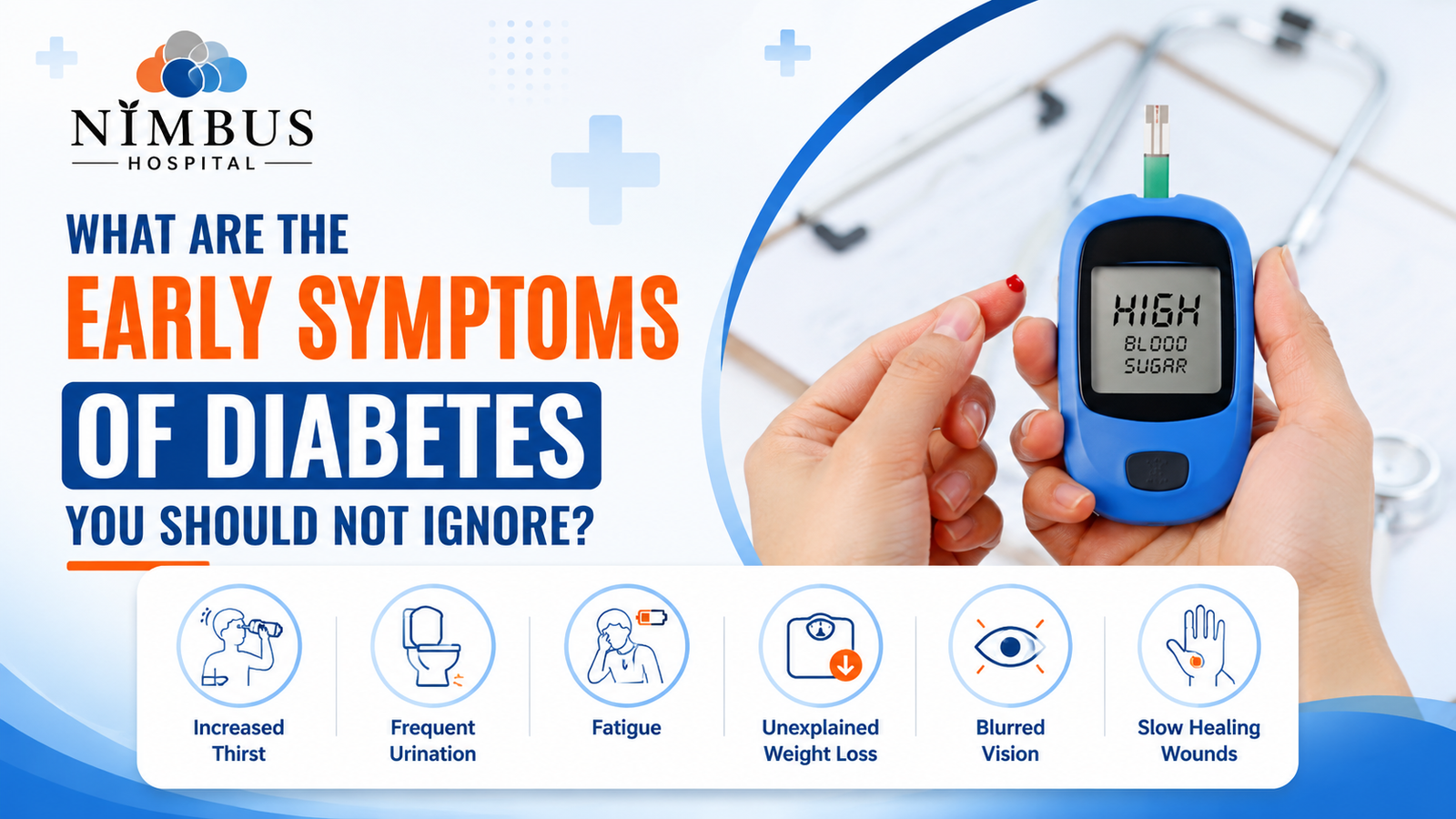
Diabetes can sometimes develop quietly, with symptoms that may look like normal tiredness, dehydration or changes in routine. Frequent urination, excessive thirst, unexplained weight loss, constant fatigue and blurred vision are some signs that should not be ignored. If these symptoms continue or occur together, getting your blood sugar checked is a sensible first step. At Nimbus Hospital, patients looking for Best Diabetes Treatment in Solan can access diabetes care through the MD Medicine department, along with diagnostic facilities and personalised treatment planning.

What Is Diabetes?

Diabetes is a condition in which blood glucose levels remain higher than normal because the body does not produce enough insulin, does not use insulin effectively, or both. Over time, uncontrolled blood sugar can affect different parts of the body.

The important thing is that diabetes is not diagnosed only from symptoms. A doctor may consider your symptoms, medical history, risk factors and appropriate blood tests before confirming a diagnosis.

Nimbus Hospital’s MD Medicine department specifically lists diabetes among the lifestyle and metabolic conditions it manages. Its approach includes clinical evaluation, targeted investigations, personalised treatment, diet and lifestyle guidance, and follow-up monitoring.

Early Symptoms of Diabetes You Should Watch For

1. Frequent Urination

Needing to urinate more often than usual can be an early warning sign of high blood sugar. Some people may also notice that they are waking up several times at night to use the bathroom.

If frequent urination continues without an obvious reason, especially when combined with increased thirst, fatigue or weight changes, it is worth discussing with a doctor.

2. Excessive Thirst

Persistent thirst is another symptom that deserves attention. You may feel the need to drink water repeatedly even when you have not been exercising or spending time in excessive heat.

Frequent urination and excessive thirst can occur together because elevated blood glucose can cause the body to lose more fluid through urine.

However, thirst can have many causes. A medical evaluation is needed to determine whether diabetes or another condition is responsible.

3. Unexplained Weight Loss

Losing weight without intentionally changing your diet or physical activity should not be ignored.

When glucose cannot be used properly for energy, the body may start using stored fat and muscle instead. This can contribute to unexpected weight loss.

If weight loss occurs along with excessive thirst, frequent urination or unusual tiredness, consider getting a medical evaluation rather than assuming it is simply due to stress or a busy lifestyle.

4. Persistent Tiredness

Everyone feels tired sometimes. But persistent fatigue that does not improve with proper sleep and rest can be a reason to investigate your health.

When blood glucose is not being used effectively, some people may experience weakness, low energy or difficulty concentrating.

Nimbus Hospital’s MD Medicine service evaluates general weakness and fatigue along with chronic conditions such as diabetes, thyroid disorders and other metabolic problems.

5. Blurred Vision

Changes in blood sugar can affect vision and may result in temporary blurred vision.

Do not automatically blame repeated vision changes on mobile phones, computers or lack of sleep. If blurred vision keeps returning, especially alongside other possible diabetes symptoms, speak with a healthcare professional.

Sudden or severe vision changes require prompt medical attention.

6. Increased Hunger

Some people may experience increased hunger even after eating.

This can happen when glucose is not being effectively utilised by the body’s cells. Increased hunger alone does not mean that you have diabetes, but it can be more significant when it occurs with thirst, frequent urination, fatigue or unexplained weight loss.

7. Slow-Healing Wounds

Cuts and minor wounds that take unusually long to heal can sometimes be associated with prolonged high blood sugar.

If you repeatedly notice slow healing, recurring infections or other unusual skin problems, do not rely only on home remedies. A doctor can assess whether blood sugar or another underlying issue may be contributing.

8. Tingling or Numbness

Tingling, burning or numbness in the hands and feet can have several possible causes.

Diabetes can affect nerves when blood sugar remains poorly controlled over time. If these sensations are persistent or recurring, medical evaluation can help identify the actual cause.

Why Early Diabetes Detection Matters

Ignoring diabetes symptoms does not make them disappear. If blood sugar remains high for a long period, it can increase the risk of complications affecting the heart, kidneys, eyes, nerves and other organs.

Early evaluation allows a doctor to understand your current health status and decide whether lifestyle changes, medicines, monitoring or further investigations are appropriate.

Nimbus Hospital follows a structured care journey through consultation and history, investigations when required, diagnosis and treatment planning, followed by monitoring and follow-up. This approach is particularly useful for chronic conditions such as diabetes, where ongoing management can be more important than a one-time consultation.

How Is Diabetes Diagnosed?

Symptoms alone cannot confirm diabetes. Blood sugar testing and other investigations may be recommended based on your symptoms and medical history.

Nimbus Hospital has a computerized pathology laboratory and provides blood tests, including sugar profiles. The hospital also offers home sample collection, which can make routine investigations more convenient for patients.

Depending on the patient’s condition, doctors may recommend other investigations as well. The purpose is to understand the patient’s health rather than simply treating one symptom in isolation.

Diabetes Treatment at Nimbus Hospital

Diabetes management is different for every patient. Your treatment can depend on factors such as blood sugar levels, age, lifestyle, existing medical conditions, medicines and overall health.

At Nimbus Hospital, diabetes is managed through its MD Medicine department. The hospital describes its approach as personalised treatment based on clinical evaluation and targeted investigations. Treatment may include medication, lifestyle planning, diet guidance and regular monitoring, depending on the patient’s needs.

This patient-specific approach is important because diabetes management should not be based on a one-size-fits-all plan.

Why Choose Nimbus Hospital for Diabetes Care?

Experienced Medical Care

Nimbus Hospital’s MD Medicine department provides adult and elderly healthcare and specifically manages diabetes, thyroid disorders, obesity and metabolic syndrome.

Diagnosis and Treatment Under One Roof

The hospital combines consultation with diagnostic support, including pathology services, sugar profiles, ECG, X-ray and other investigations as recommended.

Personalised Treatment Plans

Nimbus Hospital states that treatment plans are tailored according to the patient’s condition, medical history, lifestyle and health requirements. Its MD Medicine service includes medication, lifestyle planning, diet guidance and follow-up monitoring.

Follow-Up and Long-Term Monitoring

Diabetes requires ongoing attention. Nimbus Hospital’s care journey includes monitoring and follow-up, allowing treatment and lifestyle guidance to be reviewed according to the patient’s response.

Patient-First Approach

The hospital highlights clear diagnosis, honest guidance and supportive follow-up as part of its patient-first approach. It also provides home sample collection and an in-house pharmacy for added convenience.

24×7 Emergency Support

Nimbus Hospital provides 24×7 emergency services with rapid triage, stabilisation, diagnostic support and ICU/HDU backup when required. For serious symptoms such as unconsciousness, severe breathlessness, chest pain or other emergencies, immediate medical care is important.

When Should You See a Doctor?

Do not wait for symptoms to become severe before seeking medical advice. Consider consulting a doctor if you have persistent excessive thirst, frequent urination, unexplained weight loss, unusual fatigue, repeated blurred vision or other symptoms that concern you.

People with risk factors or a family history of diabetes may also benefit from discussing appropriate screening with a healthcare professional.

Most importantly, avoid starting or stopping diabetes medicines on your own. Your treatment should be based on proper medical assessment and monitoring.

Final Thoughts

Early diabetes symptoms can be easy to overlook, particularly when they develop gradually. Frequent urination, excessive thirst, unexplained weight loss, fatigue, blurred vision, increased hunger, slow-healing wounds and tingling sensations can all be reasons to seek medical advice.

The presence of one symptom does not necessarily mean you have diabetes. But when symptoms persist or several appear together, timely evaluation can help identify the underlying cause.

For people seeking Best Diabetes Treatment in Solan, Nimbus Hospital offers MD Medicine consultation, diabetes management, diagnostic support, personalised treatment and ongoing follow-up. Its patient-first approach combines clinical evaluation, appropriate investigations and long-term care under one roof.

FAQ’s

1. What are the early signs of diabetes?

Frequent urination, thirst, fatigue and unexplained weight loss are common signs.

2. Can diabetes have no symptoms?

Yes, some people may have diabetes without noticeable symptoms.

3. When should I check my blood sugar?

Check it if symptoms persist or you have diabetes risk factors.

4. Can diabetes cause blurred vision?

Yes, changes in blood sugar can affect vision.

5. Can diabetes be treated permanently?

Diabetes can often be effectively managed with proper medical care and monitoring.

Understanding Adult Acne: Causes and Treatment Options

Acne is often considered a teenage skin concern, but many adults continue to experience breakouts well into their twenties, thirties and even later. Adult acne can be frustrating because it often appears unexpectedly, lasts longer and may leave behind marks that affect confidence. While occasional pimples are common, persistent acne may indicate underlying factors that require proper evaluation and treatment.

Many adults try multiple skincare products without understanding the actual cause of their condition. The truth is that acne is influenced by several internal and external factors and effective treatment begins with identifying the root cause. Seeking timely care can help prevent long term skin damage and improve overall skin health.

What Is Adult Acne?

Adult acne refers to acne that occurs after the age of 25. It may continue from adolescence or develop for the first time during adulthood. The condition commonly appears on the face, jawline, chin, neck, chest and back.

Adult acne can range from mild blackheads and whiteheads to painful inflamed pimples and cystic lesions. In some cases, untreated acne may result in scarring or persistent skin discoloration.

Individuals struggling with recurring breakouts may benefit from professional guidance and personalized acne treatment in solan to address the underlying causes and reduce future flare ups.

Common Causes of Adult Acne

Adult acne rarely develops due to a single reason. Instead, several factors often work together to trigger breakouts.

Hormonal Changes

Hormonal fluctuations are among the most common causes of adult acne. Changes in hormone levels can increase oil production, leading to clogged pores and inflammation.

Hormonal changes may occur due to:

  • Menstrual cycles
  • Pregnancy
  • Polycystic Ovary Syndrome (PCOS)
  • Menopause
  • Certain medications

Hormonal acne often appears around the jawline and lower face.

Excess Oil Production

The skin naturally produces oil to stay hydrated. However, excessive oil production can mix with dead skin cells and block pores, creating an environment where acne develops.

People with oily skin may be more prone to recurring breakouts if proper skincare practices are not followed.

Stress and Lifestyle Factors

Stress can influence hormone levels and increase inflammation within the body. During stressful periods, many individuals notice a sudden increase in acne flare ups.

Poor sleep habits, irregular routines and inadequate self care may also contribute to skin problems.

Cosmetic and Skincare Products

Using products that clog pores can worsen acne. Heavy makeup, oily moisturizers and unsuitable skincare products may trigger breakouts, particularly in individuals with sensitive skin.

Choosing non comedogenic products can help reduce the risk of blocked pores.

Dietary Influences

Although diet is not the sole cause of acne, certain foods may contribute to flare ups in some individuals. Highly processed foods, excessive sugar intake and unhealthy eating habits can affect skin health over time.

Maintaining a balanced diet supports overall wellness and may help improve the skin’s appearance.

Symptoms of Adult Acne

Adult acne can present in several ways, including:

  • Whiteheads
  • Blackheads
  • Red inflamed bumps
  • Pus filled pimples
  • Painful cysts
  • Skin tenderness
  • Acne marks and discoloration

The severity of symptoms varies from person to person. Some individuals experience occasional breakouts, while others deal with persistent skin concerns that require medical treatment.

Why Adult Acne Should Not Be Ignored

Many people assume acne is only a cosmetic issue. However, persistent acne can affect emotional well being and self confidence. In severe cases, it may also leave permanent scars that become difficult to treat later.

Early intervention helps:

  • Reduce active breakouts
  • Prevent scarring
  • Improve skin texture
  • Minimize pigmentation
  • Boost confidence

Seeking appropriate medical care can significantly improve long term outcomes.

Treatment Options for Adult Acne

Modern dermatology offers several effective approaches for managing adult acne. Treatment depends on the severity of the condition, skin type and underlying causes.

Medical Treatments

Doctors may recommend medications that help reduce inflammation, control oil production and prevent bacterial growth.

Treatment plans are customized according to the patient’s needs and may include topical or oral medications.

Professional Skin Evaluation

A detailed skin assessment helps identify triggers and determine the most suitable treatment strategy. Understanding the underlying cause often leads to more effective results.

Lifestyle Improvements

Certain lifestyle modifications can support healthier skin:

  • Following a consistent skincare routine
  • Removing makeup before sleeping
  • Managing stress levels
  • Staying hydrated
  • Getting adequate sleep
  • Eating a balanced diet

These habits can complement medical treatment and improve overall skin health.

Managing Acne Marks

Some individuals continue to experience dark marks even after active acne improves. Early treatment helps reduce the likelihood of long lasting marks and uneven skin tone.

Patients looking for effective pimple treatment in solan should seek professional evaluation rather than relying solely on over the counter products.

Tips to Prevent Future Breakouts

Although acne cannot always be completely prevented, certain habits can reduce the frequency of breakouts.

Helpful preventive measures include:

  • Washing the face gently twice daily
  • Avoiding excessive scrubbing
  • Keeping hair clean and away from the face
  • Using skin friendly cosmetic products
  • Avoiding touching pimples unnecessarily
  • Maintaining a healthy lifestyle

Consistency is often the key to achieving long term improvements.

When Should You See a Skin Specialist?

While mild acne may improve with basic skincare, medical attention is recommended if:

  • Acne persists despite home remedies
  • Painful cysts develop
  • Scarring begins to appear
  • Breakouts affect self confidence
  • Skin becomes increasingly inflamed

Early diagnosis allows doctors to create a personalized treatment plan and prevent complications.

Why Choose Nimbus Hospital Solan?

Skin conditions require proper evaluation and evidence based treatment. Nimbus Hospital Solan offers comprehensive dermatological care for individuals experiencing various skin concerns.

Patients benefit from:

  • Experienced skin specialists
  • Modern diagnostic facilities
  • Personalized treatment plans
  • Advanced acne management approaches
  • Long term skin health guidance

Individuals searching for reliable skin care support can receive expert consultation and treatment tailored to their specific needs.

Conclusion

Adult acne is a common condition that can affect both appearance and confidence. Hormonal changes, stress, lifestyle habits and skincare choices often contribute to recurring breakouts. Understanding these causes is the first step toward effective management.

With timely diagnosis, appropriate treatment and healthy lifestyle practices, most individuals can successfully control acne and maintain healthier skin. Seeking professional care early can help prevent scarring and improve long term results.

https://nimbushospital.in/skin-conditions/

FAQs

1. What causes adult acne to develop suddenly?

Adult acne can develop due to hormonal changes, stress, certain medications, skincare products or lifestyle factors.

2. Is adult acne different from teenage acne?

Yes. Adult acne often appears on the jawline, chin and lower face and may be linked more closely to hormonal fluctuations.

3. When should I seek acne treatment in solan?

You should seek professional care if acne is persistent, painful, causing scars or affecting your confidence.

4. Can diet affect acne?

While diet is not the sole cause, certain foods may contribute to breakouts in some individuals.

5. Where can I get professional pimple treatment in solan?

Patients experiencing recurring acne can consult skin specialists at Nimbus Hospital Solan for evaluation and personalized treatment.