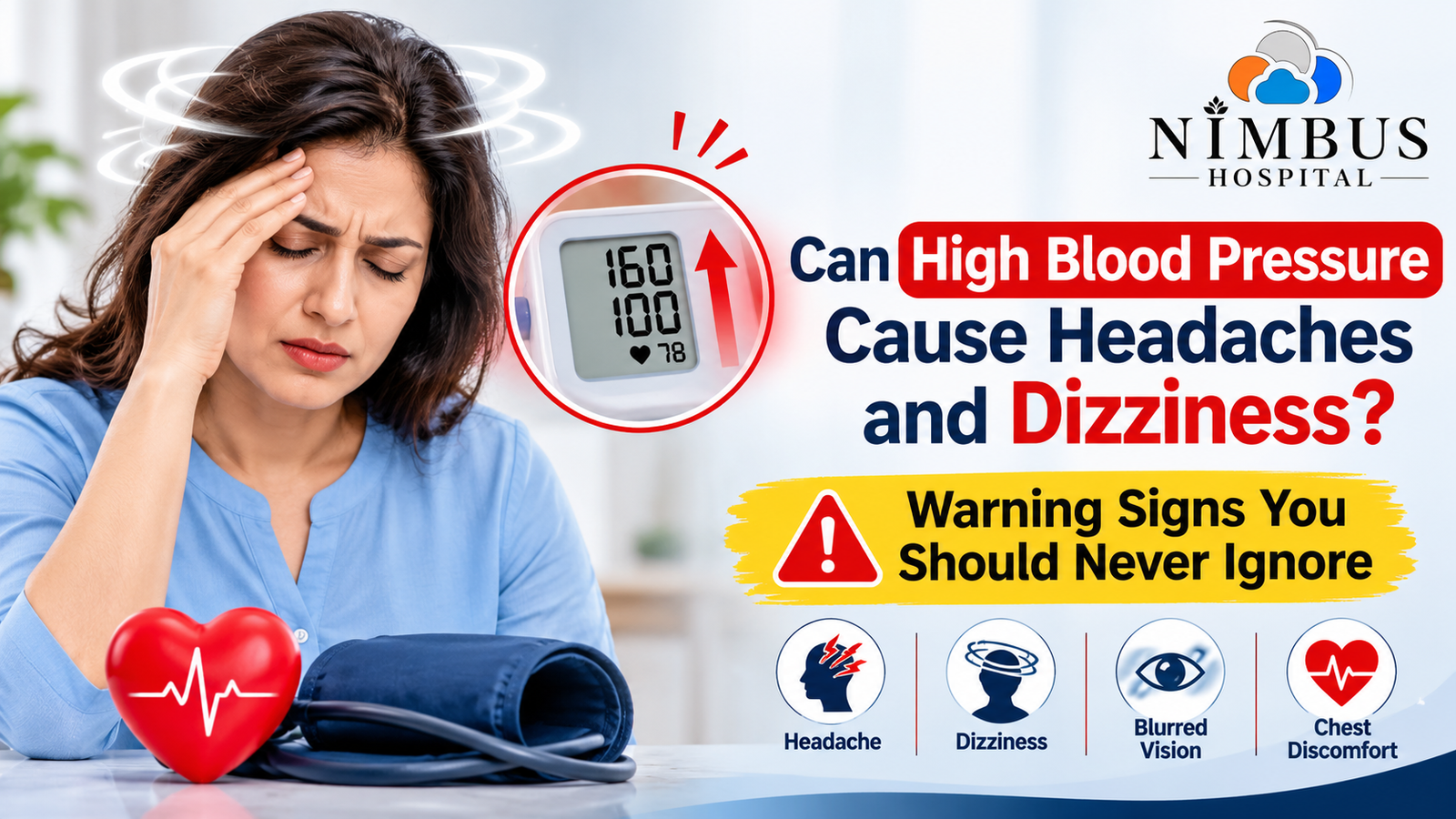
Have you ever experienced a headache, dizziness or a feeling of heaviness in your head and wondered whether your blood pressure could be the reason? These symptoms can sometimes be associated with high blood pressure, especially when readings become extremely high. However, many people with hypertension do not experience any noticeable symptoms.
High blood pressure, also known as hypertension, is a common health condition that can gradually affect the heart, brain, kidneys and blood vessels. The biggest concern is that it can remain unnoticed for years without regular monitoring.
So, can high blood pressure really cause headaches and dizziness? Blood Pressure Treatment in Solan What symptoms should you watch for, and when should you consult a doctor? Understanding these questions can help you recognise potential warning signs and take the right steps towards better health.
1. Can High Blood Pressure Cause Headaches?
Yes, extremely high blood pressure can sometimes be associated with headaches. However, an ordinary headache does not necessarily mean that your blood pressure is high.
Most people with hypertension do not experience headaches regularly. When blood pressure rises to dangerously high levels, it may affect the blood vessels and the functioning of the brain, potentially causing a severe or unusual headache.
You should pay attention if you experience:
- Frequent or persistent headaches without an obvious reason.
- A sudden and unusually severe headache.
- Headaches accompanied by blurred vision.
- Headaches with nausea, vomiting or confusion.
- A severe headache along with a very high BP reading.
If you experience a sudden, extremely severe headache, particularly with weakness, confusion or vision changes, seek emergency medical attention rather than waiting for the symptoms to disappear.
2. Can High Blood Pressure Make You Feel Dizzy?
Dizziness is another symptom that people sometimes associate with high blood pressure. Some individuals may experience light-headedness or an unsteady feeling when their blood pressure is extremely high.
However, dizziness is not a reliable sign of hypertension. It can also occur because of dehydration, low blood pressure, low blood sugar, inner ear problems, anaemia or certain medications.
If you frequently feel dizzy, consider getting your blood pressure checked and discussing your symptoms with a doctor.
Pay attention to the following situations:
- You suddenly feel light-headed while walking or standing.
- You experience repeated episodes of dizziness.
- You feel dizzy along with headaches or blurred vision.
- You experience dizziness with chest discomfort or breathlessness.
- You feel faint or lose your balance unexpectedly.
Do not assume that dizziness is always caused by high BP. A proper medical examination can help identify the underlying reason.
3. What Are the Other Warning Signs of High Blood Pressure?
High blood pressure is often called a silent condition because many people have no noticeable symptoms until complications develop.
When symptoms do occur, particularly during a severe rise in blood pressure, they may include:
1. Blurred Vision: Changes in blood pressure can affect the blood vessels supplying the eyes. Persistent or sudden vision problems need medical attention.
2. Chest Discomfort: Chest pain, pressure or tightness should never be ignored because it may indicate a serious heart-related problem.
3. Shortness of Breath: Difficulty breathing, particularly at rest, may indicate a serious cardiovascular complication.
4. Unusual Fatigue: Persistent tiredness can have several causes. It should be evaluated if it occurs alongside other concerning symptoms.
5. Palpitations: Some people experience a racing or irregular heartbeat. This symptom may have several possible causes and should be assessed when persistent.
Remember, symptoms alone cannot confirm high blood pressure. Measuring your BP is the most reliable way to know your blood pressure level.
4. Why Does Blood Pressure Become High?
Hypertension usually develops due to a combination of lifestyle, genetic and medical factors. Sometimes, an underlying health condition can also contribute to increased blood pressure.
Some common risk factors include:
- Excessive Salt Consumption: Eating too much salt can contribute to increased blood pressure.
- Lack of Physical Activity: A sedentary lifestyle can increase the risk of hypertension.
- Excess Body Weight: Being overweight can put additional pressure on the cardiovascular system.
- Family History: Having close family members with hypertension can increase your risk.
- Long-Term Stress: Ongoing stress can affect lifestyle habits and blood pressure.
- Smoking and Alcohol: Both can negatively affect cardiovascular health.
- Diabetes and Kidney Problems: These conditions can increase the risk of developing hypertension.
Understanding your risk factors is important because early monitoring and healthy lifestyle changes can help prevent long-term complications.
5. When Should You Check Your Blood Pressure?
You should not wait for headaches or dizziness before checking your blood pressure. Regular monitoring is important, particularly if you have diabetes, excess weight, a family history of hypertension or other cardiovascular risk factors.
A normal adult blood pressure reading is generally below 120/80 mmHg. Repeated readings above the recommended range may indicate hypertension, but the diagnosis should be confirmed by a healthcare professional.
If you are checking your BP at home, follow these simple steps:
- Sit comfortably and rest for at least five minutes.
- Keep your back supported and feet flat on the floor.
- Place your arm at heart level.
- Use a properly fitted BP cuff.
- Avoid smoking, caffeine and exercise for 30 minutes before measuring.
- Record your readings and share them with your doctor.
A single unusual reading does not always confirm hypertension. Doctors may recommend repeated measurements or home BP monitoring to understand your condition accurately.
6. When Is High Blood Pressure Dangerous?
High blood pressure becomes particularly concerning when readings reach extremely high levels or when symptoms suggest that important organs may be affected.
If your blood pressure reading is around 180/120 mmHg or higher, wait at least one minute and measure it again.
If it remains this high, contact a healthcare professional immediately. If you also experience any of the following symptoms, seek emergency medical care:
- Sudden and severe headache.
- Chest pain or tightness.
- Difficulty breathing.
- Weakness or numbness in the face, arm or leg.
- Sudden changes in vision.
- Confusion or difficulty speaking.
- Fainting or loss of consciousness.
These symptoms may indicate a medical emergency, including a stroke or heart-related complication. Do not wait for the symptoms to improve on their own.
7. How Can You Control High Blood Pressure Naturally?
Healthy daily habits play an important role in managing hypertension. Depending on your BP readings and overall health, your doctor may also recommend medication.
Here are some practical steps that can support better blood pressure control:
Reduce Salt Intake: Limit salty snacks, packaged foods, pickles and excessive table salt.
Eat a Balanced Diet: Include fresh fruits, vegetables, whole grains and other nutritious foods in your daily meals.
Stay Physically Active: Regular walking and suitable physical activities can support heart health.
Maintain a Healthy Weight: Managing body weight can help reduce the risk of hypertension.
Manage Stress: Try relaxation techniques, breathing exercises and activities that help you maintain a healthy routine.
Get Enough Sleep: Maintain a consistent sleeping schedule and address ongoing sleep problems.
Avoid Smoking: Quitting tobacco can improve your overall cardiovascular health.
Most importantly, never stop or change prescribed BP medicines without consulting your doctor. Natural lifestyle changes are helpful, but they are not a replacement for necessary medical treatment.
8. Where Can You Get Blood Pressure Treatment in Solan?
If you experience frequent headaches, dizziness or consistently high BP readings, getting a proper medical evaluation is important.
At Nimbus Hospital, Solan, patients can access medical evaluation and hypertension management through the MD Medicine department. The approach focuses on understanding blood pressure readings, identifying possible risk factors and developing an appropriate treatment plan.
The hospital’s hypertension care may include:
- Blood pressure assessment and regular monitoring.
- Medical evaluation and risk assessment.
- Lifestyle and dietary guidance.
- Doctor-prescribed medication when required.
- Follow-up consultations and BP monitoring.
- Additional investigations depending on the patient’s condition.
Patients may also require tests such as ECG, blood sugar testing, lipid profile, kidney function tests or other investigations based on their symptoms and medical history.
For individuals looking for Blood Pressure Treatment in Solan, consulting a qualified medical professional can help with early identification, appropriate treatment and long-term blood pressure management.
Why Choose Nimbus Hospital for Blood Pressure Care?
Choosing the right hospital is important when managing a long-term condition like hypertension. Nimbus Hospital focuses on patient-centred medical care, proper evaluation and ongoing health management.
Here are some reasons patients can consider Nimbus Hospital:
1. MD Medicine Department: Medical consultation and evaluation for hypertension and other general medical conditions.
2. Diagnostic Facilities: Access to a fully computerised laboratory, ECG, X-ray and other diagnostic services.
3. Personalised Treatment: Treatment recommendations based on individual BP readings, medical history and health requirements.
4. Experienced Medical Team: Medical professionals and supportive staff focused on patient care.
5. 24/7 Emergency Support: Round-the-clock emergency services for patients requiring urgent medical attention.
6. Convenient Healthcare Services: OPD services, an in-house pharmacy and home sample collection facilities.
Final Thoughts
Can high blood pressure cause headaches and dizziness? Yes, these symptoms can sometimes occur when blood pressure becomes extremely high. However, they are not reliable indicators of hypertension because several other health conditions can cause similar problems.
The best way to identify high blood pressure is through regular BP monitoring and proper medical evaluation. Do not ignore frequent headaches, repeated dizziness, blurred vision or other unusual symptoms.
With timely diagnosis, healthy lifestyle habits, appropriate medication and regular follow-ups, hypertension can often be managed effectively.
If you are experiencing repeated symptoms or have consistently high BP readings, consult a medical professional. Early attention can help protect your heart, brain and overall health.
FAQ’S
1. Can high blood pressure cause daily headaches?
Extremely high blood pressure can sometimes cause headaches, but daily headaches have several possible causes.
2. Does dizziness mean my blood pressure is high?
No. Dizziness can result from high BP, low BP, dehydration or other medical conditions.
3. What is a dangerous blood pressure reading?
A reading around 180/120 mmHg or higher requires immediate medical attention.
4. Can high blood pressure cause blurred vision?
Yes, severe hypertension can affect vision and may require urgent medical evaluation.
5. Which doctor should I consult for high blood pressure?
An MD Medicine specialist or physician can evaluate and manage high blood pressure.