
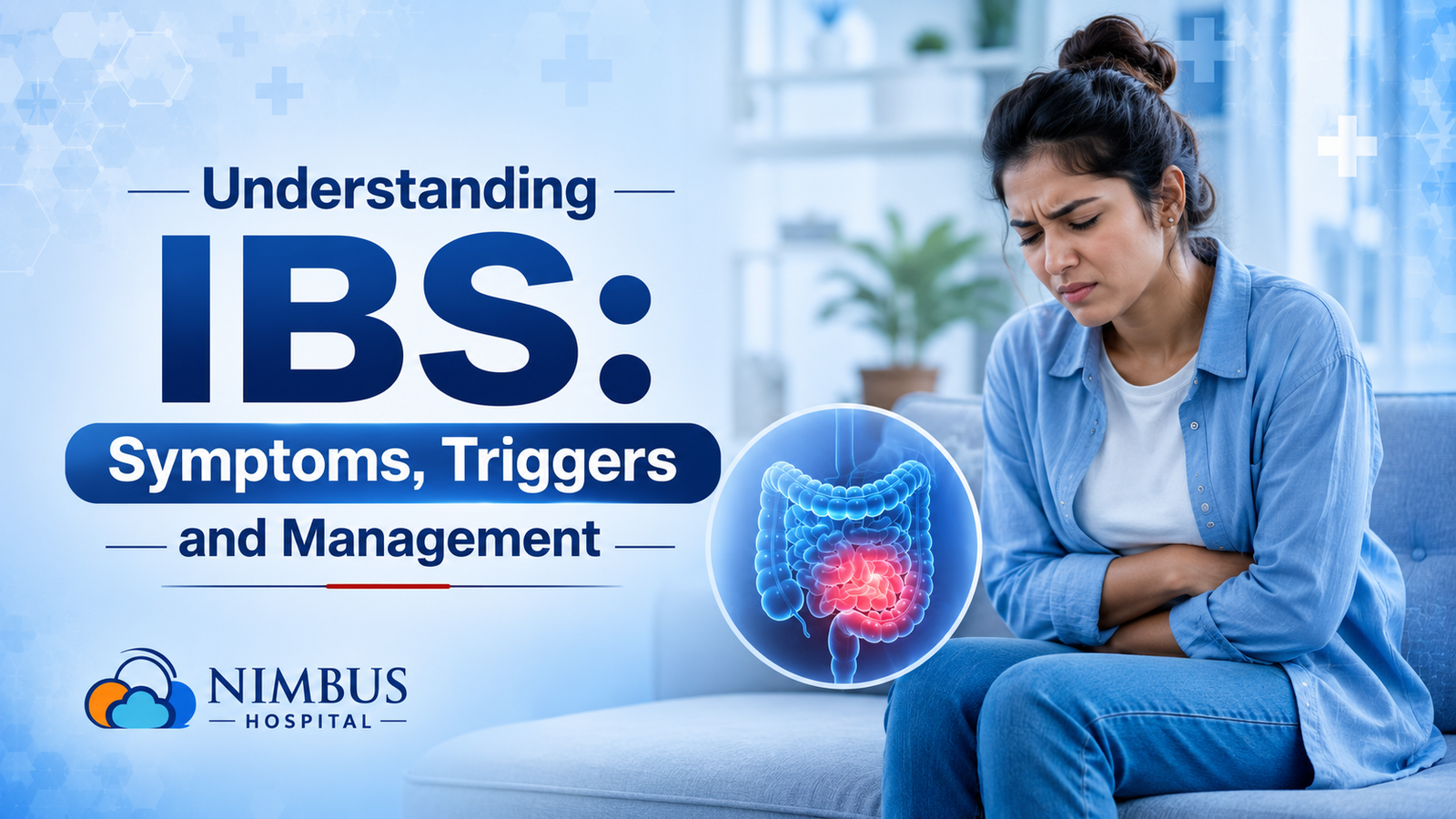
Understanding IBS: Symptoms, Triggers and Management

Digestive health has a significant impact on overall well being. When the digestive system is functioning properly, the body can efficiently absorb nutrients and eliminate waste. However, certain conditions can disrupt this process and lead to ongoing discomfort. One such condition is Irritable Bowel Syndrome (IBS), a common digestive disorder that affects millions of people worldwide.

Although IBS is not considered life-threatening, it can greatly affect a person’s daily routine, eating habits, work productivity and quality of life. Understanding its symptoms, identifying triggers and following the right management approach can help individuals live more comfortably and reduce flare ups.

What Is IBS?

Irritable Bowel Syndrome (IBS) is a functional digestive disorder that affects the large intestine. Unlike some digestive conditions, IBS does not cause visible damage to the digestive tract. However, it can cause recurring digestive symptoms that often come and go over time.

The severity of IBS varies from person to person. Some individuals experience mild symptoms occasionally, while others deal with frequent digestive discomfort that affects everyday activities.

IBS is one of the most commonly diagnosed forms of gastrointestinal disease, making awareness and early management extremely important.

Common Symptoms of IBS

Symptoms can differ among individuals, but some of the most frequently reported signs include:

  • Abdominal pain or cramping
  • Bloating after meals
  • Excessive gas
  • Constipation
  • Diarrhea
  • Alternating constipation and diarrhea
  • Feeling of incomplete bowel emptying

Symptoms often worsen during periods of stress or after consuming certain foods.

Because many digestive conditions share similar symptoms, proper medical evaluation is important to confirm the diagnosis.

What Triggers IBS?

The exact cause of IBS remains unclear, but several factors are known to trigger or worsen symptoms.

Certain foods may contribute to digestive discomfort in individuals with IBS.

Common dietary triggers include:

  • Spicy foods
  • Fried or fatty meals
  • Carbonated beverages
  • Excess caffeine
  • Processed foods
  • Artificial sweeteners

Trigger foods vary from person to person, which is why identifying personal food sensitivities is often part of treatment.

Stress and Emotional Factors

The digestive system and brain are closely connected. Emotional stress, anxiety, and lack of sleep can influence bowel function and increase symptom frequency.

Many patients notice worsening symptoms during stressful periods, making stress management an important part of long term care.

Changes in Gut Function

Some individuals may develop IBS after a severe stomach infection or digestive illness. Changes in gut bacteria and intestinal sensitivity may also contribute to symptoms.

Types of IBS

Doctors often classify IBS based on bowel movement patterns.

IBS with Constipation (IBS-C)

This type mainly causes:

  • Hard stools
  • Infrequent bowel movements
  • Abdominal discomfort

IBS with Diarrhea (IBS-D)

Individuals commonly experience:

  • Frequent loose stools
  • Urgency to use the restroom
  • Digestive discomfort after meals

Mixed IBS (IBS-M)

This form involves alternating episodes of constipation and diarrhea.

Understanding the specific type helps doctors develop an appropriate treatment strategy.

How Is IBS Diagnosed?

There is no single test that confirms IBS. Diagnosis usually involves a detailed review of symptoms and medical history.

Depending on individual symptoms, doctors may recommend:

  • Blood tests
  • Stool examination
  • Ultrasound abdomen
  • Colonoscopy when required
  • Additional investigations to rule out other digestive conditions

Accurate diagnosis helps distinguish IBS from more serious digestive disorders.

Managing IBS Effectively

Although IBS cannot always be completely cured, symptoms can often be managed successfully through lifestyle modifications and medical guidance.

Dietary Changes

Many patients benefit from improving their eating habits.

Helpful dietary practices include:

  • Eating meals at regular times
  • Avoiding overeating
  • Increasing water intake
  • Limiting trigger foods
  • Maintaining a balanced diet rich in nutrients

Small dietary adjustments often lead to noticeable symptom improvement.

Stress Management

Since emotional stress can influence digestive function, relaxation techniques may help reduce symptom frequency.

Common approaches include:

  • Meditation
  • Deep breathing exercises
  • Yoga
  • Regular physical activity

Managing stress can support better digestive health and improve overall well being.

Physical Activity

Regular exercise helps stimulate healthy digestion and supports bowel function. Even simple activities such as walking can contribute to symptom management.

Medical Treatment

In some cases, medications may be recommended to help manage symptoms such as abdominal pain, diarrhea or constipation.

Patients seeking Gastrointestinal treatment in Solan should consult a specialist for an individualized treatment plan rather than relying solely on self medication.

When Should You See a Specialist?

Occasional digestive discomfort is common, but certain symptoms require professional evaluation.

You should consult a doctor if you experience:

  • Persistent abdominal pain
  • Unexplained weight loss
  • Blood in stool
  • Symptoms that interfere with daily activities
  • Frequent digestive disturbances
  • Ongoing bowel habit changes

Early medical attention helps rule out serious conditions and ensures appropriate management.

Why Choose Nimbus Hospital Solan?

Digestive disorders often require expert assessment and personalized care. Nimbus Hospital Solan offers comprehensive diagnostic and treatment services for patients experiencing a wide range of digestive concerns.

Patients benefit from:

  • Experienced digestive health specialists
  • Advanced diagnostic facilities
  • Personalized treatment plans
  • Patient focused care
  • Comprehensive digestive health management

Individuals looking for the best Gastrointestinal in Solan can access specialized care designed to improve digestive health and quality of life.

Conclusion

IBS is a common digestive condition that can affect daily life through symptoms such as abdominal pain, bloating, constipation and diarrhea. While the condition can be frustrating, proper diagnosis, lifestyle adjustments, and medical guidance can help individuals manage symptoms effectively.

Understanding triggers and seeking timely medical care are important steps toward maintaining long-term digestive health. If digestive symptoms continue to interfere with your daily routine, consulting a top gastrologist in Solan can help you receive the right diagnosis and treatment.

https://nimbushospital.in/gastrointestinal-issues/

FAQs

1. What are the most common symptoms of IBS?

Common symptoms include abdominal pain, bloating, constipation, diarrhea and changes in bowel habits.

2. Is IBS considered a gastrointestinal disease?

Yes, IBS is a common functional gastrointestinal disease that affects the large intestine and causes recurring digestive symptoms.

3. Can stress make IBS worse?

Yes, stress and anxiety can trigger or worsen IBS symptoms in many individuals.

4. What foods should people with IBS avoid?

Trigger foods vary, but spicy foods, fatty meals, caffeine and carbonated drinks often worsen symptoms.

5. Where can I get expert care for IBS in Solan?

Patients experiencing IBS symptoms can seek evaluation and treatment at Nimbus Hospital Solan for comprehensive digestive care.
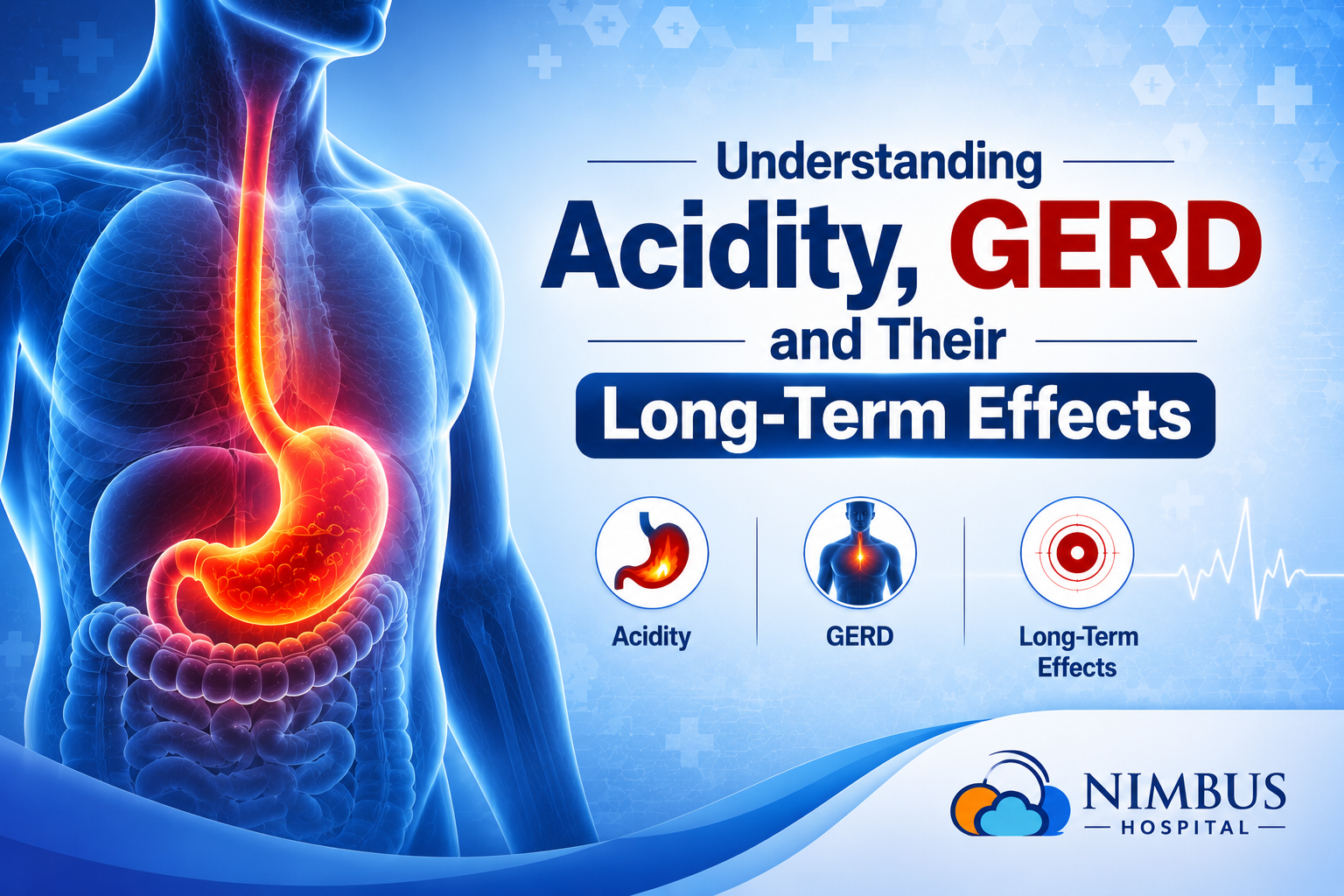
Understanding Acidity, GERD and Their Long-Term Effects

Digestive discomfort is something most people experience at some point in life. A heavy meal, irregular eating habits or certain foods can sometimes lead to a burning sensation in the chest or an unpleasant sour taste in the mouth. While occasional acidity may not be a cause for concern, frequent symptoms can indicate a more serious digestive condition that requires medical attention.

Many individuals ignore recurring acidity and continue relying on temporary remedies. However, persistent symptoms can affect daily life and may eventually lead to complications if left untreated. Understanding the difference between simple acidity and Gastroesophageal Reflux Disease (GERD) is essential for maintaining long term digestive health.

What Is Acidity?

Acidity occurs when excess stomach acid moves upward into the food pipe (esophagus). This often causes a burning sensation in the chest, commonly known as heartburn.

Common triggers include:

  • Eating spicy or oily foods
  • Consuming large meals
  • Lying down immediately after eating
  • Excessive caffeine intake
  • Smoking and alcohol consumption
  • Irregular meal timings

Occasional acidity is common, but symptoms that occur repeatedly may indicate an underlying digestive disorder.

Understanding GERD

GERD or Gastroesophageal Reflux Disease, is a chronic condition in which stomach acid frequently flows back into the esophagus. Unlike occasional acidity, GERD occurs regularly and can gradually damage the lining of the food pipe.

People with GERD often experience symptoms several times a week, which can interfere with sleep, eating habits and overall quality of life.

Common Symptoms of GERD

Recognizing symptoms early can help prevent complications. Common signs include:

  • Frequent heartburn
  • Sour or bitter taste in the mouth
  • Difficulty swallowing
  • Persistent cough
  • Hoarseness of voice
  • Chest discomfort after meals
  • Feeling of food coming back into the throat

If these symptoms continue for several weeks, medical evaluation is recommended.

Why Do Acidity and GERD Occur?

Several factors can increase the likelihood of acid reflux and GERD.

Unhealthy Eating Habits

Frequent consumption of fried foods, processed meals and excessive caffeine can increase acid production and trigger reflux symptoms.

Excess Body Weight

Being overweight places additional pressure on the stomach, making acid reflux more likely.

Stress and Poor Sleep

Stress can affect digestive function and worsen reflux symptoms. Poor sleep habits may also contribute to recurring digestive discomfort.

Smoking and Alcohol

Both smoking and alcohol can weaken the valve between the stomach and esophagus, allowing acid to move upward more easily.

Long Term Effects of Untreated GERD

Many people assume that acidity is only a minor inconvenience. However, untreated GERD can lead to significant health problems over time.

Esophageal Inflammation

Repeated exposure to stomach acid can irritate and inflame the lining of the esophagus, causing pain and discomfort.

Difficulty Swallowing

Long term irritation may lead to narrowing of the esophagus, making swallowing increasingly difficult.

Chronic Cough and Throat Problems

Acid reflux can affect the throat and voice box, leading to persistent coughing, throat irritation, and hoarseness.

Sleep Disturbances

Nighttime reflux often disrupts sleep, causing fatigue and reduced productivity during the day.

Increased Risk of Serious Complications

In some cases, long standing acid reflux may increase the risk of more severe digestive conditions, making timely treatment important.

When Should You See a Specialist?

Many individuals manage occasional acidity with lifestyle changes. However, professional evaluation is important when:

  • Symptoms occur multiple times each week
  • Heartburn becomes severe
  • Difficulty swallowing develops
  • Symptoms disturb sleep regularly
  • Over the counter medicines provide only temporary relief
  • Unexplained weight loss occurs

Seeking timely care can help identify the root cause and prevent long term complications.

Diagnosis of GERD and Digestive Disorders

To determine the cause of symptoms, doctors may recommend:

  • Detailed medical history review
  • Physical examination
  • Blood investigations
  • Upper GI endoscopy
  • Imaging studies when required

Accurate diagnosis allows doctors to create an effective treatment plan tailored to the patient’s condition.

Treatment Options

Treatment depends on the severity of symptoms and underlying causes.

Lifestyle Modifications

Simple lifestyle changes can significantly improve symptoms:

  • Eating smaller meals
  • Avoiding late night eating
  • Maintaining a healthy weight
  • Reducing caffeine intake
  • Avoiding smoking and alcohol

Dietary Adjustments

Patients are often advised to identify and avoid foods that trigger reflux symptoms.

Medical Management

Doctors may prescribe medications to reduce acid production, protect the digestive tract and promote healing.

For patients seeking Gastrointestinal treatment in Solan, early diagnosis and proper management can help prevent complications and improve quality of life.

Why Choose Nimbus Hospital Solan?

Digestive disorders require proper evaluation and personalized care. Nimbus Hospital Solan provides comprehensive diagnostic and treatment services for a wide range of digestive conditions.

Patients benefit from:

  • Experienced digestive health specialists
  • Advanced diagnostic facilities
  • Personalized treatment plans
  • Modern treatment approaches
  • Continuous patient support and follow up

Individuals looking for the best Gastrointestinal in Solan can receive expert care focused on both symptom relief and long term digestive wellness.

Conclusion

Acidity and GERD are common digestive conditions, but they should never be ignored when symptoms become frequent or severe. Early diagnosis, lifestyle improvements and appropriate treatment can help prevent long term complications and improve overall quality of life.

If recurring acidity, heartburn, or reflux symptoms are affecting your daily routine, consulting a top gastrologist in Solan can help you find the right treatment and protect your digestive health.

https://nimbushospital.in/gastrointestinal-issues/

FAQs

1. What is the difference between acidity and GERD?

Acidity is usually occasional, while GERD is a chronic condition involving frequent acid reflux that may require medical treatment.

2. Can GERD go away on its own?

Mild cases may improve with lifestyle changes, but persistent GERD often requires professional evaluation and treatment.

3. What foods commonly trigger acid reflux?

Spicy foods, fried foods, caffeine, carbonated beverages and large meals are common triggers.

4. When should I consult a doctor for acidity?

You should seek medical advice if symptoms occur frequently, disturb sleep or do not improve with basic lifestyle modifications.

5. Where can I get expert digestive care in Solan?

Patients experiencing persistent digestive symptoms can consult specialists at Nimbus Hospital Solan for comprehensive evaluation and treatment.

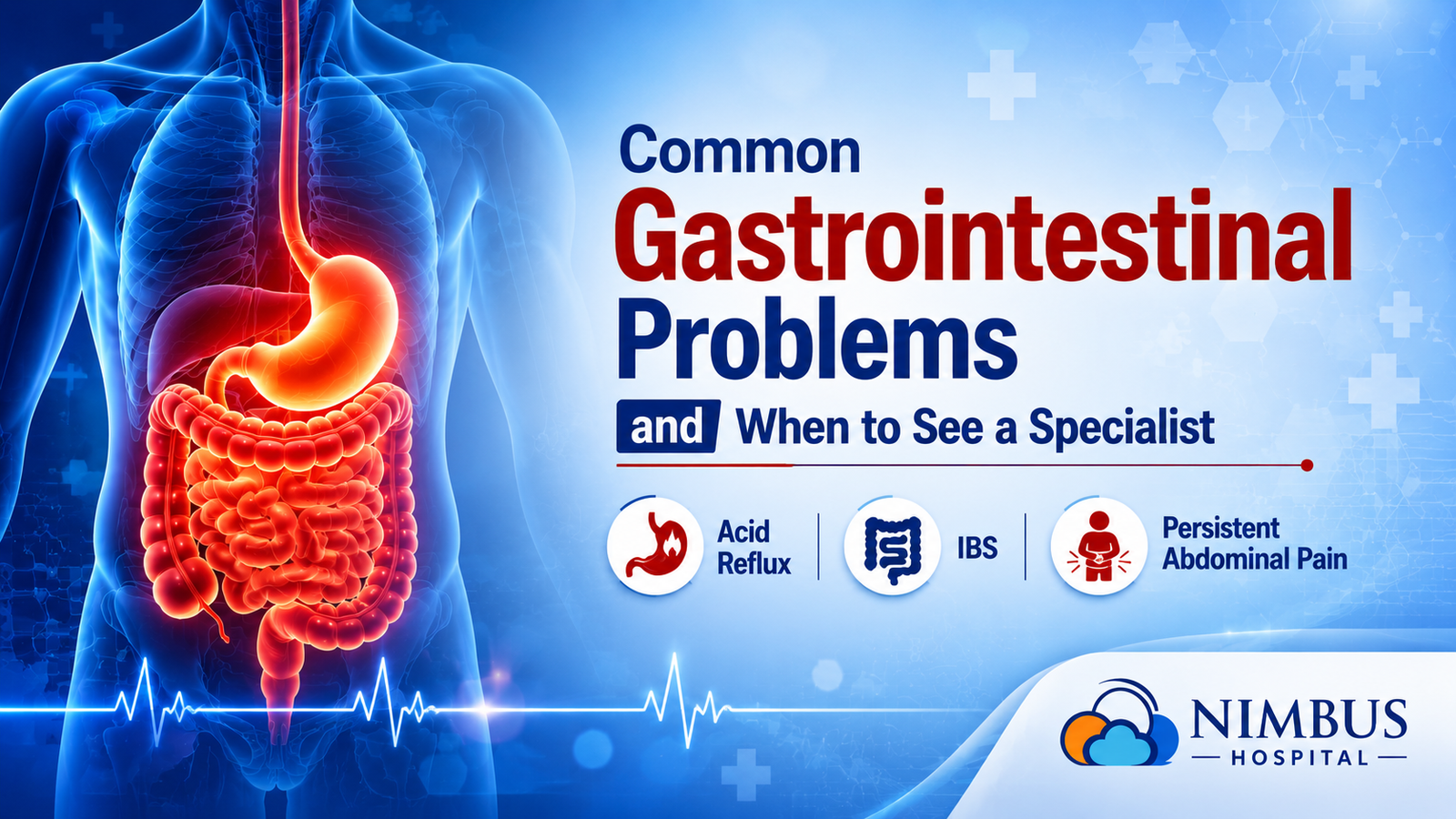
Common Gastrointestinal Problems and When to See a Specialist

Digestive health plays a vital role in overall well being. The gastrointestinal system is responsible for breaking down food, absorbing nutrients and eliminating waste from the body. When this system does not function properly, it can lead to discomfort, nutritional deficiencies, and various health complications. While occasional digestive issues are common, persistent symptoms may indicate an underlying gastrointestinal disease that requires medical attention.

Many people ignore digestive symptoms, assuming they will resolve on their own. However, recognizing early warning signs and seeking timely care can help prevent complications and improve long term health outcomes. At Nimbus Hospital Solan, patients receive comprehensive evaluation and personalized care for a wide range of digestive disorders.

What Are Gastrointestinal Problems?

Gastrointestinal problems refer to conditions that affect the digestive tract, including the stomach, intestines, esophagus, liver, pancreas, and gallbladder. These conditions can range from mild digestive discomfort to chronic illnesses that require ongoing treatment.

Some digestive issues develop temporarily due to dietary habits or infections, while others may be linked to long term gastrointestinal disease that requires specialist care.

Common Gastrointestinal Problems

1. Acidity and GERD

Acidity is one of the most common digestive complaints. It occurs when stomach acid flows back into the esophagus, causing a burning sensation in the chest. Frequent acid reflux may develop into Gastroesophageal Reflux Disease (GERD).

Common symptoms include:

  • Heartburn after meals
  • Sour taste in the mouth
  • Difficulty swallowing
  • Frequent burping

Ignoring persistent acidity can lead to complications, making early diagnosis important.

2. Gas and Bloating

Occasional bloating is normal, but frequent bloating may indicate digestive imbalance, food intolerance or other gastrointestinal conditions.

Common causes include:

  • Overeating
  • Poor digestion
  • Irritable Bowel Syndrome (IBS)
  • Food sensitivities

Persistent bloating should not be ignored, especially when accompanied by abdominal discomfort.

3. Constipation

Constipation occurs when bowel movements become infrequent or difficult to pass. It can significantly affect quality of life and may be caused by:

  • Low fiber intake
  • Inadequate hydration
  • Lack of physical activity
  • Certain medications

Chronic constipation may require evaluation by a digestive specialist.

4. Diarrhea

Diarrhea is often caused by infections, food poisoning or digestive disorders. While short term episodes usually improve on their own, prolonged diarrhea can result in dehydration and nutritional deficiencies.

Medical attention is recommended if symptoms persist or are accompanied by fever or blood in the stool.

5. Irritable Bowel Syndrome (IBS)

IBS is a common condition affecting the large intestine. Symptoms often include:

  • Abdominal pain
  • Bloating
  • Constipation
  • Diarrhea

Although IBS is not life threatening, it can significantly impact daily life and often requires long term management.

6. Peptic Ulcers

Peptic ulcers are sores that develop in the lining of the stomach or small intestine. They may occur due to bacterial infections, long term use of painkillers, or excessive acid production.

Symptoms may include:

  • Burning stomach pain
  • Nausea
  • Indigestion
  • Loss of appetite

Timely diagnosis can help prevent serious complications.

Warning Signs You Should Not Ignore

While many digestive symptoms are mild, some signs require immediate medical evaluation. Consult a specialist if you experience:

  • Persistent abdominal pain
  • Frequent heartburn or acid reflux
  • Unexplained weight loss
  • Blood in stool or vomiting blood
  • Chronic constipation or diarrhea
  • Difficulty swallowing
  • Persistent nausea or vomiting
  • Yellowing of the skin or eyes (jaundice)

These symptoms may indicate a more serious gastrointestinal disease that requires expert assessment.

When Should You See a Specialist?

Many digestive issues improve with dietary changes and lifestyle modifications. However, if symptoms continue for several weeks or repeatedly return, professional evaluation is recommended.

You should consider consulting a top gastrologist in Solan if:

  • Symptoms interfere with daily activities
  • Over the counter medicines provide only temporary relief
  • Digestive problems occur frequently
  • You have a family history of digestive disorders
  • You experience unexplained weight loss or bleeding symptoms

Early diagnosis often leads to more effective treatment and better outcomes.

Diagnosis of Gastrointestinal Conditions

Accurate diagnosis is essential for effective treatment. Depending on symptoms, doctors may recommend:

  • Blood tests
  • Stool examination
  • Ultrasound of the abdomen
  • Endoscopy
  • Colonoscopy
  • H. pylori testing

These investigations help identify the root cause of digestive symptoms and guide appropriate treatment.

Treatment Options for Gastrointestinal Problems

Treatment depends on the underlying cause and severity of symptoms. A personalized care plan may include:

Lifestyle and Dietary Changes

  • Eating balanced meals
  • Avoiding trigger foods
  • Maintaining hydration
  • Improving meal timing
  • Managing stress levels

Medications

Doctors may prescribe medications to manage:

  • Acidity and GERD
  • Infections
  • IBS symptoms
  • Ulcers
  • Constipation or diarrhea

Advanced Care

Certain conditions may require specialized procedures such as endoscopy or long term management plans.

Patients seeking Gastrointestinal treatment in Solan can benefit from individualized care designed to address both symptoms and underlying causes.

Why Choose Nimbus Hospital Solan?

Nimbus Hospital Solan offers comprehensive digestive care for patients experiencing a variety of gastrointestinal conditions. The hospital focuses on accurate diagnosis, effective treatment, and long term digestive wellness.

Patients choose the hospital because of:

  • Experienced digestive health specialists
  • Advanced diagnostic facilities
  • Personalized treatment plans
  • Patient centered approach
  • Comprehensive digestive care services

For individuals looking for the best Gastrointestinal in Solan, timely consultation can help prevent complications and improve quality of life.

Conclusion

Digestive problems are common, but persistent symptoms should never be ignored. Conditions such as acidity, GERD, constipation, diarrhea, IBS and ulcers can significantly affect daily life if left untreated. Understanding the warning signs and seeking timely medical care can help prevent complications and support long term digestive health.

If you are experiencing ongoing digestive discomfort, consulting a specialist can provide clarity, relief and effective treatment.

Visit:https://nimbushospital.in/gastrointestinal-issues/

FAQs

1. What are the most common gastrointestinal problems?
Common gastrointestinal problems include acidity, GERD, constipation, diarrhea, IBS, bloating and peptic ulcers.

2. When should I consult a top gastrologist in Solan?
You should seek medical advice if digestive symptoms persist, worsen or interfere with your daily activities.

3. What causes gastrointestinal disease?
A gastrointestinal disease can develop due to infections, poor dietary habits, stress, genetic factors or chronic inflammation.

4. What treatments are available for digestive disorders?
Treatment may include dietary changes, medications, lifestyle modifications and specialized procedures depending on the condition.

5. Where can I get Gastrointestinal treatment in Solan?
Patients can consult specialists at Nimbus Hospital Solan for comprehensive diagnosis and treatment of digestive disorders.

How Lifestyle Changes Can Reduce the Risk of Heart Disease

The condition of our heart is closely connected to the way we live every day. What we eat, how active we are, and how we deal with stress all influence heart health. When unhealthy habits continue for years, they may gradually increase the risk of heart disease and other conditions related to cardiovascular disease.

The good news is that small but consistent lifestyle changes can make a big difference. By improving daily habits, many people can lower their chances of developing serious heart problems and support better long term health.

Understanding Heart Disease

The heart works constantly to circulate blood throughout the body. If blood vessels become narrow or damaged, the heart has to work harder to maintain proper blood flow. Over time, this extra strain may lead to different forms of heart disease.

In many cases, early heart disease symptoms are mild and may not seem serious. People may notice fatigue, slight breathlessness, or discomfort in the chest during physical activity. Paying attention to these signs and improving lifestyle habits early can help protect heart health.

How Diet Influences Heart Health

Food choices play a major role in maintaining a healthy heart. Eating balanced meals helps control cholesterol levels and supports healthy blood pressure.

Some healthy dietary habits include:

  • Eating more fresh fruits and vegetables
  • Choosing whole grains instead of refined foods
  • Including lean proteins such as fish, beans, or legumes
  • Reducing foods high in salt, sugar and unhealthy fats

Following these habits regularly may help lower the risk of developing conditions linked to cardiovascular disease.

Importance of Regular Physical Activity

Physical activity helps keep the heart strong and improves blood circulation. Exercise also supports healthy weight management and reduces stress levels.

Simple activities such as walking, cycling or light workouts can benefit heart health when practiced consistently. Staying active is one of the most effective ways to reduce the risk of future heart issues.

Managing Stress and Emotional Health

Stress is another factor that can affect the heart. When stress continues for a long time, it may contribute to higher blood pressure and place additional strain on the cardiovascular system.

Practices such as meditation, breathing exercises, and spending time relaxing can help reduce stress levels and support overall well being.

Avoiding Harmful Habits

Certain habits significantly increase the chances of developing heart problems. Smoking, for example, damages blood vessels and affects blood circulation.

Avoiding tobacco and limiting alcohol consumption can help protect the heart and reduce the likelihood of long-term heart disease.

Importance of Regular Health Checkups

Routine medical checkups play an important role in preventing serious heart conditions. Doctors can monitor blood pressure, cholesterol levels and other factors that influence heart health.

Early identification of possible heart disease symptoms allows individuals to take preventive steps and receive proper medical advice before complications develop.

Conclusion

Lifestyle habits have a powerful influence on heart health. Small changes such as eating balanced meals, staying physically active, managing stress and avoiding harmful habits can help reduce the risk of heart disease.

By adopting healthier routines and paying attention to early warning signs, individuals can protect themselves from serious complications related to cardiovascular disease and maintain better overall well-being.

🌐 For consultations and appointments, visit:
https://nimbushospital.in/