
Asthma in Children vs Adults: Key Differences You Should Know

Asthma is a chronic respiratory condition that affects millions of people worldwide, including both children and adults. While the condition may appear similar, asthma in children and asthma in adults differ significantly in terms of causes, symptoms, triggers and long term management. Understanding these differences is essential for early diagnosis, effective asthma care and better quality of life.

At Nimbus Hospital Solan patients receive comprehensive care for asthma under the guidance of an experienced asthma specialist doctor, ensuring personalized and preventive treatment for every age group.

What Is Asthma?

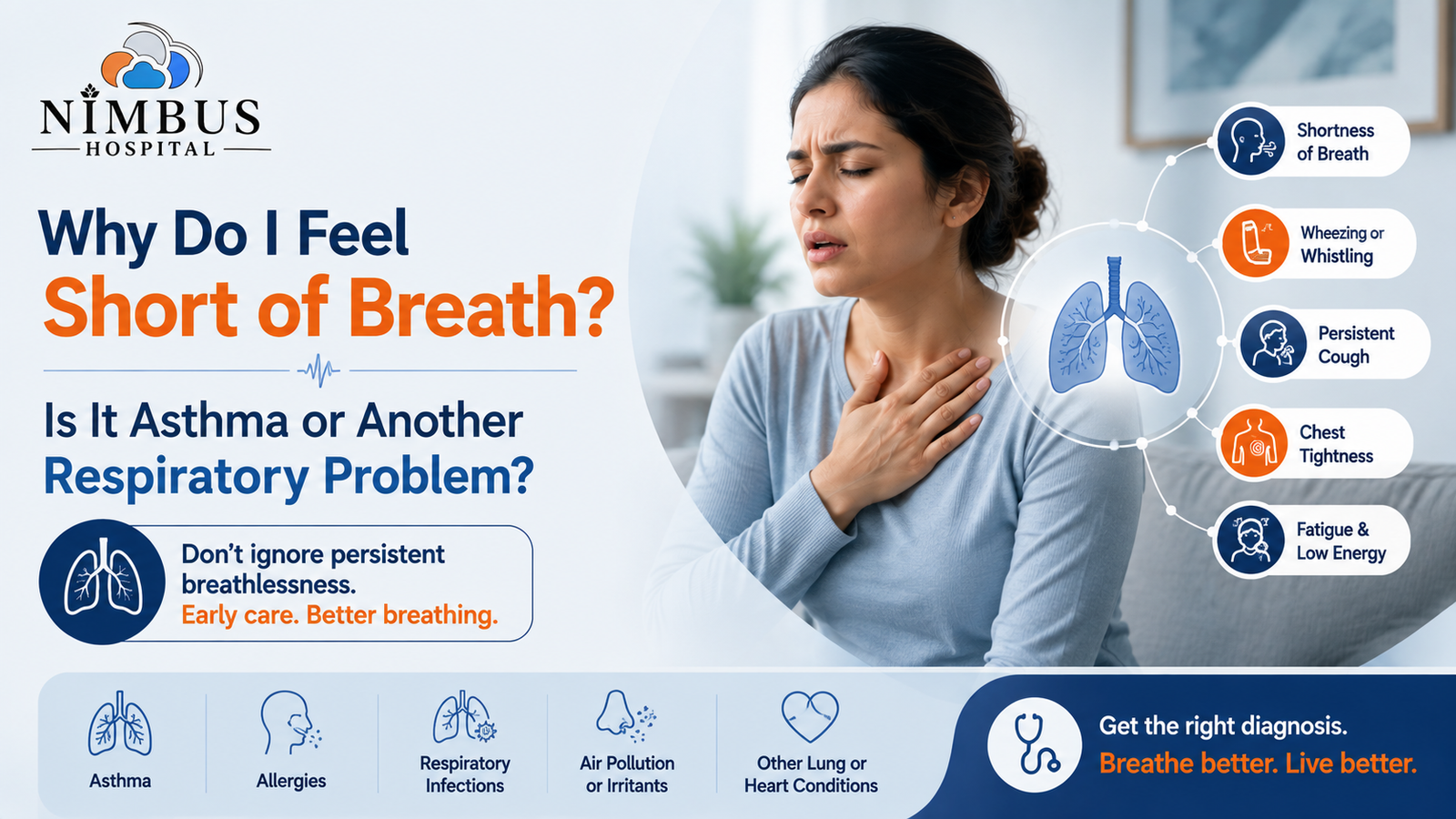
Asthma is a long term condition in which the airways become inflamed and narrowed, making breathing difficult. This inflammation leads to symptoms such as wheezing, coughing, shortness of breath and chest tightness.

Although asthma cannot be permanently cured, proper medical management and preventive care for asthma can help control symptoms and reduce flare ups. Early diagnosis and regular follow ups with an asthma specialist are key to maintaining long term respiratory health.

Asthma in Children

Asthma is one of the most common chronic illnesses seen in children. In many cases, symptoms begin in early childhood and may continue into adulthood if not managed properly.

Common Causes of Asthma in Children

  • Family history of asthma or allergies
  • Exposure to dust, pollen, or pet dander
  • Frequent respiratory infections
  • Passive exposure to smoke or polluted air

Children are more sensitive to environmental allergens, making early asthma care extremely important.

Symptoms of Asthma in Children

Asthma symptoms in children may be mild or easily confused with common infections. These include:

  • Frequent coughing, especially at night
  • Wheezing sounds while breathing
  • Shortness of breath during physical activity
  • Chest tightness
  • Fatigue due to disturbed sleep

Timely consultation with an asthma specialist doctor helps prevent complications and supports healthy lung development.

Asthma in Adults

Asthma in adults often develops later in life and is commonly referred to as adult onset asthma. Unlike childhood asthma, it is usually persistent and requires long-term medical management.

Causes of Asthma in Adults

The causes of asthma in adults are often linked to lifestyle and environmental factors, including:

  • Long term exposure to air pollution
  • Smoking or passive smoking
  • Workplace exposure to chemicals or fumes
  • Hormonal changes
  • Recurrent respiratory infections

These factors make structured care for asthma essential in adults.

Signs and Symptoms of Asthma in Adults

The signs of asthma in adults are usually more noticeable and may include:

  • Persistent shortness of breath
  • Wheezing
  • Chest tightness or discomfort
  • Chronic cough, especially at night or early morning
  • Reduced exercise tolerance

Because symptoms tend to be more severe, adults benefit greatly from regular monitoring by an experienced asthma specialist.

Key Differences Between Asthma in Children and Adults

1. Age of Onset

  • Children: Symptoms often appear before the age of 5
  • Adults: Can develop at any age, even after 40

2. Triggers

  • Children: Allergies, viral infections
  • Adults: Pollution, smoking, occupational exposure, stress

3. Diagnosis

  • Children: Diagnosis may be challenging due to difficulty performing lung tests
  • Adults: Diagnosis is usually confirmed through spirometry and pulmonary function tests

4. Severity

  • Children: Symptoms may improve with age
  • Adults: Often persistent and progressive

5. Treatment Approach

Treatment varies based on age, severity, and triggers, which is why personalized asthma care is essential.

At Nimbus Hospital Solan, doctors carefully consider these differences while planning individualized treatment plans.

Diagnosis of Asthma at Nimbus Hospital Solan

Accurate diagnosis is the foundation of effective asthma management. Under expert supervision of an asthma specialist doctor, Nimbus Hospital offers:

  • Detailed medical history evaluation
  • Physical examination
  • Pulmonary Function Tests (PFT)
  • Spirometry
  • Allergy testing when required

These tests help determine disease severity and guide appropriate preventive care for asthma.

Asthma Treatment and Care at Nimbus Hospital Solan

Asthma management focuses on long term control rather than temporary relief. Treatment plans are customized to ensure effective and safe asthma care.

Treatment Options for Children

  • Low dose inhaler therapy
  • Nebulization during acute episodes
  • Allergy management
  • Parent education and asthma action plans

Treatment Options for Adults

  • Inhaler based controller therapy
  • Long term medications
  • Nebulization for severe symptoms
  • Lifestyle modification and trigger avoidance

Under the guidance of an experienced asthma specialist, patients receive structured and evidence based care.

Lifestyle and Preventive Care for Asthma

Lifestyle management plays a vital role in reducing asthma attacks in both children and adults:

  • Avoid exposure to dust, smoke and pollution
  • Maintain clean indoor air
  • Follow prescribed medications consistently
  • Encourage physical activity under medical guidance
  • Attend regular follow up visits

Preventive strategies combined with medical treatment form the backbone of effective care for asthma.

Why Choose Nimbus Hospital for Asthma Care in Solan?

Nimbus Hospital is recognized for comprehensive respiratory care and patient focused treatment. Patients trust Nimbus Hospital because of:

  • Experienced asthma specialist doctors
  • Child friendly and patient centric environment
  • Advanced diagnostic facilities
  • Evidence based treatment protocols
  • Continuous monitoring and follow up care

The hospital focuses on long term respiratory wellness through personalized asthma care.

Conclusion

Asthma in children and adults differs significantly in causes, symptoms, and treatment needs. Early diagnosis, age appropriate treatment, and expert supervision are essential for long term control. With structured preventive care for asthma and expert guidance from an experienced asthma specialist doctor, patients can lead healthier, more active lives.

If you or your child is experiencing asthma symptoms, timely consultation can prevent complications and improve long term lung health.

Visit our website for more details or to book an appointment:

Asthma: Causes, Symptoms, and Modern Treatment Options

Asthma is a long term respiratory condition that affects people of all ages from children to adults. It causes the airways in the lungs to become inflamed and narrow, making breathing tough at times. With increasing air pollution, increasing allergies, and changes in regular lifestyles, asthma has become a common health problem in India.

The exciting news is that with early diagnosis, right treatments, and constant follow up, asthma can be successfully controlled. At Nimbus Hospital Solan, we focus on accurate diagnosis, modern medical care and individualize treatment plans to help patients breathe easier and live more active, comfortable life.

What Is Asthma?

Asthma is a incurable lung condition in which the airways become sensitive and swollen when exposed to certain triggers such as dirt, smoke, cold air or illnesses. This can lead to repeated episodes of shortness of breath, wheezing, and coughing commonly known as asthma attacks.
Although it is not possible to completely cure asthma, it can be well managed with the right medical treatments.

Common Causes of Asthma

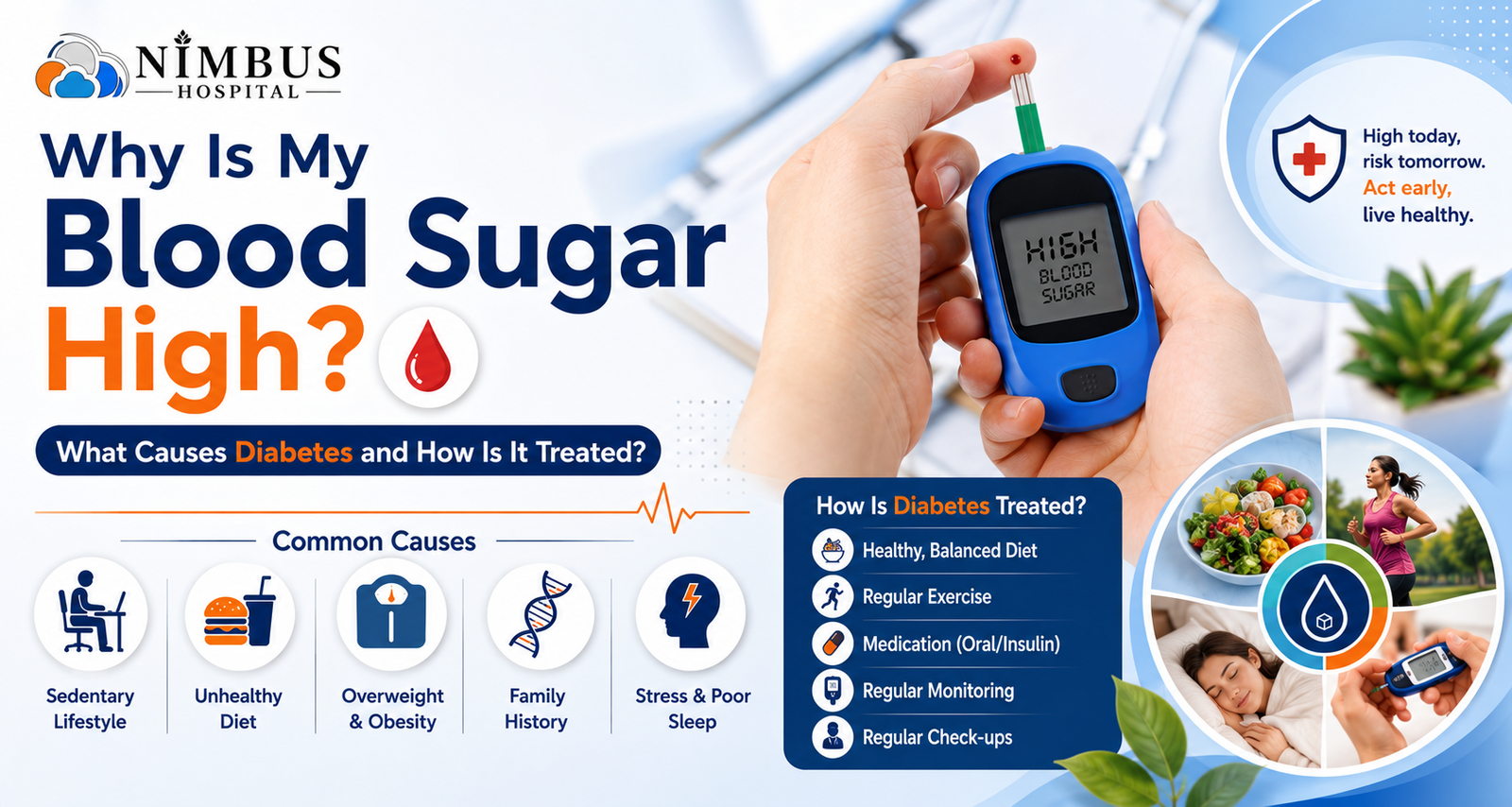
  1. Anyone in the family with asthma or allergies
  2. Exposure to dust, microspores or pet dander
  3. Air pollution and cigarette smoke
  4. Repeated respiratory infections
  5. Workplace exposure to dust or chemical

Symptoms of Asthma

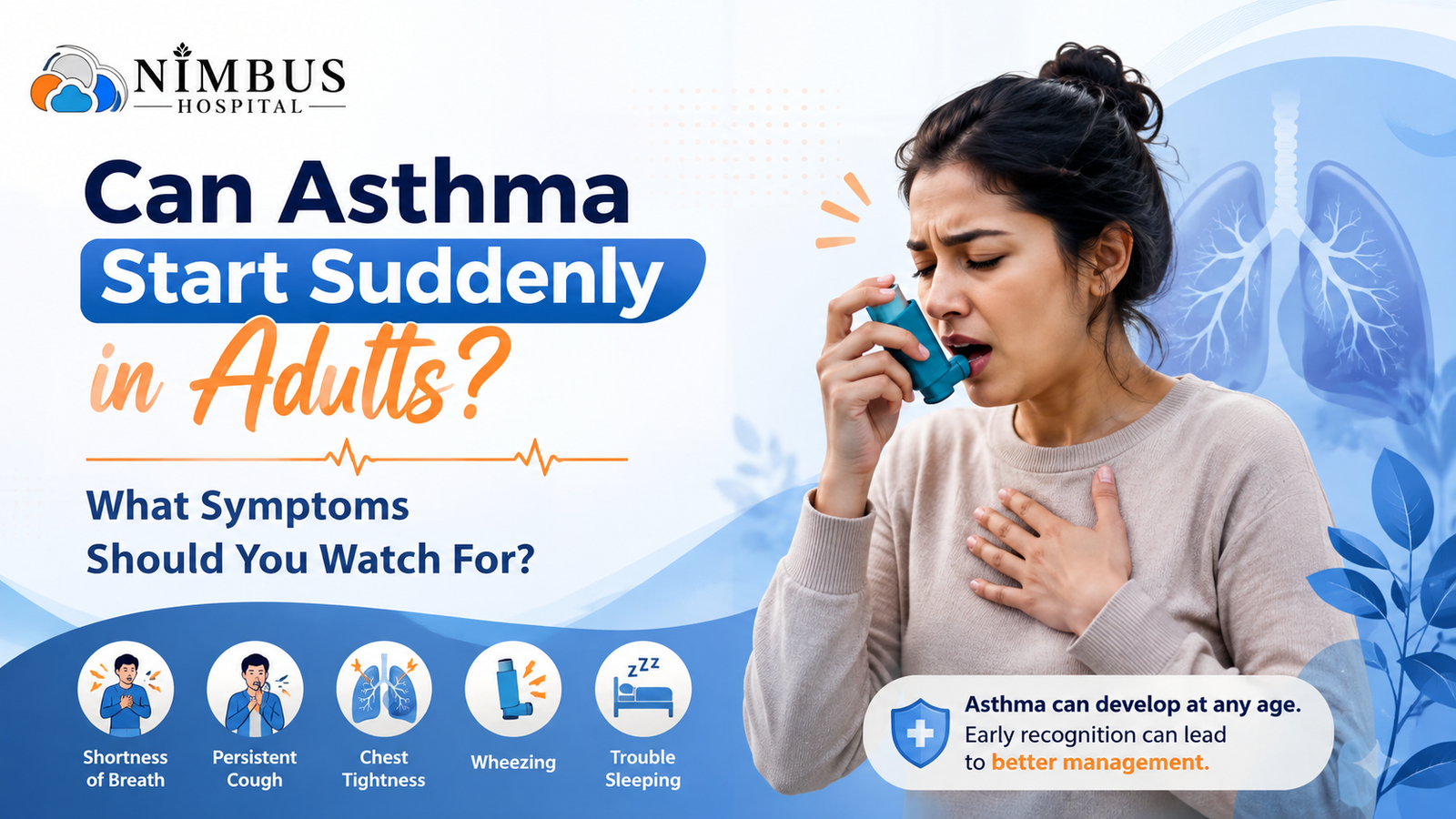
  1. Problem in breathing
  2. Whistling Sound or Wheezing while breathing
  3. Chest tightness
  4. Continuous coughing especially at night
  5. Difficulty during workout or any physical activity

Diagnosis and Treatment

Diagnosis includes medical history, lung function tests and allergy testing when required.
Treatment options include inhaler therapy, nebulization, persistent controller medications, and customized asthma action plans.

Lifestyle Tips

  1. Avoid smoking
  2. Maintain clean indoor air
  3. Use masks in outdoor areas
  4. Regular medications

Conclusion

Asthma can be managed effectively with early diagnosis and proper care. Nimbus Hospital provides best complete asthma care to help patients Pursue a healthy, energetic lifestyle.

Visit our website for more details or to book an appointment:

Diabetes and Blood Sugar Control: Tips for a Healthier Life

Diabetes is a chronic condition that affects how the body processes glucose. When the body cannot properly regulate glucose, it leads to high blood sugar levels, which can cause various health complications if left uncontrolled. Maintaining balanced blood sugar is essential for people living with diabetes to stay healthy and prevent long-term problems.

By adopting healthy habits, following a proper diabetes diet and regularly monitoring glucose using a blood sugar monitor, individuals can manage their condition effectively. With the right lifestyle choices and medical guidance from experts at Nimbus Hospital Solan, patients can maintain better health and improve their quality of life.

Understanding Diabetes and Blood Sugar Levels

Blood sugar, also known as blood glucose, is the primary source of energy for the body’s cells. Insulin, a hormone produced by the pancreas, helps move glucose from the bloodstream into the cells. In people with diabetes, the body either does not produce enough insulin or cannot use it effectively.

As a result, glucose accumulates in the blood, leading to high blood sugar levels. If not controlled properly, this condition can affect the heart, kidneys, eyes and nerves over time.

Maintaining normal blood glucose levels is therefore an essential part of diabetes management.

Importance of Monitoring Blood Sugar

Regular monitoring is one of the most important steps in controlling diabetes. Using a blood sugar monitor allows individuals to track their glucose levels and understand how their diet, exercise and medications affect their health.

Benefits of regular monitoring include:

  • Identifying abnormal blood sugar levels early
  • Adjusting food intake and physical activity
  • Preventing sudden spikes or drops in glucose levels
  • Improving overall diabetes management

Consistent monitoring helps maintain normal blood glucose levels and reduces the risk of complications.

Healthy Diet for Blood Sugar Control

A balanced diabetes diet plays a major role in maintaining stable glucose levels. The right food choices can prevent sudden increases in blood sugar and support long term health.

Key dietary recommendations include:

  • Consuming whole grains, vegetables and fiber rich foods
  • Including lean proteins such as fish, chicken and legumes
  • Limiting sugary beverages and processed foods
  • Eating smaller, balanced meals throughout the day

Following a structured diabetic diet plan helps regulate glucose levels and provides the nutrients needed for overall health. Nutrition specialists often design personalized diet for diabetic patients to support effective blood sugar control.

Role of Exercise in Managing Diabetes

Physical activity is another important factor in diabetes management. Exercise helps the body use insulin more effectively and improves overall metabolism.

Some beneficial forms of exercise include:

  • Walking or jogging
  • Swimming or cycling
  • Strength training exercises
  • Yoga and stretching

Regular exercise helps reduce blood sugar levels, supports weight management and improves heart health.

Lifestyle Habits for Better Diabetes Control

In addition to diet and exercise, other lifestyle habits also influence diabetes management.

Important tips include:

  • Maintaining a healthy body weight
  • Managing stress through relaxation techniques
  • Getting 7–8 hours of quality sleep
  • Staying hydrated throughout the day
  • Avoiding smoking and limiting alcohol consumption

These healthy habits help maintain normal blood glucose levels and improve overall well being.

Medical Care for Diabetes Management

While lifestyle changes are essential, medical care is also necessary for effective diabetes control. Doctors may recommend medications, insulin therapy or regular health checkups depending on the patient’s condition.

At Nimbus Hospital Solan, patients receive comprehensive diabetes care that includes advanced diagnosis, treatment, lifestyle counseling, and continuous monitoring. The hospital’s specialists focus on personalized treatment plans that combine medical care with practical lifestyle guidance.

Preventing Diabetes Complications

Uncontrolled diabetes can lead to serious health complications such as heart disease, kidney damage, nerve disorders and vision problems. However, these risks can be reduced with proper blood sugar control.

Steps that help prevent complications include:

  • Following a balanced diabetes diet
  • Monitoring glucose using a blood sugar monitor
  • Staying physically active
  • Attending regular medical checkups
  • Managing stress and maintaining healthy sleep habits

These preventive measures support long term health and improve quality of life.

Why Choose Nimbus Hospital Solan?

Nimbus Hospital Solan is known for providing advanced and patient-centered diabetes care. The hospital offers:

  • Experienced diabetes specialists
  • Advanced diagnostic and monitoring facilities
  • Personalized diabetic diet plan guidance
  • Lifestyle counseling for better blood sugar control
  • Continuous follow up care for long term management

This integrated approach helps patients effectively manage diabetes and maintain stable blood sugar levels.

Conclusion

Managing diabetes requires consistent effort and healthy lifestyle choices. Maintaining balanced blood sugar levels through proper diet, regular exercise and consistent monitoring with a blood sugar monitor can significantly improve overall health.

With expert medical guidance and personalized care from Nimbus Hospital Solan, individuals living with diabetes can successfully control their condition and lead healthier, more active lives.

🌐 For consultations and appointments, visit:
https://nimbushospital.in/

How Lifestyle Changes Help in Managing Diabetes Effectively

Diabetes is a long term health condition that affects how the body regulates glucose in the bloodstream. Managing diabetes effectively requires more than just medications. Lifestyle changes such as a balanced diet, regular physical activity, stress management and proper sleep play a crucial role in maintaining healthy blood sugar levels.

When individuals adopt healthy habits and regularly monitor their glucose using a blood sugar monitor, they can significantly improve their diabetes management and reduce the risk of complications. With the right medical support and guidance, patients can lead active and healthy lives despite having diabetes. For specialized care and comprehensive diabetes treatment, Nimbus Hospital Solan provides advanced medical services and personalized management plans.

Understanding the Importance of Lifestyle in Diabetes

Lifestyle habits directly influence how the body processes glucose and responds to insulin. Poor lifestyle choices such as unhealthy eating, lack of exercise, and chronic stress can worsen diabetes and lead to unstable blood sugar levels.

On the other hand, positive lifestyle modifications help improve insulin sensitivity and support better metabolic health. These changes are particularly important for individuals with type 2 diabetes but are also beneficial for those with type 1 diabetes alongside medical treatment.

Healthy Diet for Diabetes Management

A well-balanced diabetes diet is one of the most important aspects of managing diabetes effectively. The right food choices help control glucose levels and prevent sudden spikes.

Some important dietary habits include:

  • Eating whole grains, vegetables, fruits, and other high fiber foods
  • Choosing lean proteins such as fish, chicken and legumes
  • Limiting sugary drinks, processed foods and refined carbohydrates
  • Maintaining proper portion sizes during meals

Following a structured diabetic diet plan helps maintain stable blood sugar levels and supports long term diabetes management. Nutrition experts often recommend personalized meal plans based on a patient’s health condition and lifestyle.

Role of Physical Activity

Regular exercise is another essential lifestyle factor that helps control diabetes. Physical activity improves insulin sensitivity and allows the body to use glucose more efficiently.

Recommended forms of exercise include:

  • Walking or jogging
  • Cycling or swimming
  • Strength training exercises
  • Yoga and stretching

Even moderate daily activity can help regulate blood sugar levels and support overall health. Healthcare professionals often suggest exercise routines tailored to an individual’s fitness level and medical condition.

Importance of Regular Blood Sugar Monitoring

Monitoring glucose levels is essential for effective diabetes management. Using a blood sugar monitor allows individuals to track how their diet, physical activity and medications affect their glucose levels.

Regular monitoring helps patients:

  • Detect abnormal blood sugar levels early
  • Adjust diet and exercise routines accordingly
  • Prevent complications related to uncontrolled diabetes

Maintaining normal blood glucose levels through consistent monitoring and medical guidance can significantly improve long term health outcomes.

Managing Stress and Sleep

Stress and poor sleep habits can negatively impact diabetes control. Stress hormones can cause fluctuations in blood sugar levels, making it more difficult to manage the condition.

Adopting stress management techniques such as meditation, deep breathing exercises and mindfulness can help stabilize glucose levels. Additionally, getting 7–8 hours of quality sleep each night supports hormonal balance and improves overall metabolic health.

Medical Support for Diabetes Care

While lifestyle changes are important, medical care remains an essential component of diabetes management. Doctors may recommend medications, insulin therapy or routine health evaluations depending on the patient’s condition.

At Nimbus Hospital Solan, experienced doctors provide comprehensive diabetes care that includes diagnosis, treatment, lifestyle counseling, and continuous monitoring. The hospital focuses on personalized care plans that combine medical treatment with practical lifestyle guidance.

Preventing Diabetes Complications

Uncontrolled diabetes can lead to serious health problems such as heart disease, kidney damage, nerve disorders and vision issues. However, these complications can often be prevented with proper lifestyle management.

Simple steps that support diabetes control include:

  • Following a balanced diet for diabetic patients
  • Exercising regularly
  • Monitoring glucose with a blood sugar monitor
  • Attending routine medical checkups
  • Maintaining healthy sleep and stress levels

These healthy habits help maintain normal blood glucose levels and improve overall quality of life.

Why Choose Nimbus Hospital Solan?

Nimbus Hospital Solan offers advanced diabetes care with a patient-focused approach. The hospital provides:

  • Experienced diabetes specialists
  • Advanced diagnostic facilities for glucose monitoring
  • Personalized diabetic diet plan guidance
  • Comprehensive lifestyle counseling
  • Continuous follow up for long term diabetes management

This holistic approach ensures effective treatment and sustainable control of diabetes.

Conclusion

Lifestyle changes play a crucial role in managing diabetes effectively. A healthy diabetes diet, regular exercise, proper stress management and consistent monitoring of blood sugar levels help maintain overall health and prevent complications.

With expert medical care and personalized guidance from Nimbus Hospital Solan, individuals living with diabetes can successfully manage their condition and lead healthier, more active lives.

🌐 For consultations and appointments, visit:
https://nimbushospital.in/

Early Signs of Diabetes You Should Never Ignore

Diabetes is a growing health concern worldwide and often develops gradually. Many people ignore the early warning signs, assuming they are minor health issues. However, recognizing the early signs of diabetes is crucial for timely diagnosis and treatment. When detected early, diabetes can be effectively managed, helping individuals maintain healthy blood sugar levels and prevent serious complications.

Regular health checkups and monitoring with a blood sugar monitor can help detect abnormal glucose levels before the condition becomes severe. For individuals seeking specialized care, Nimbus Hospital Solan provides comprehensive diabetes diagnosis, treatmen, and long term management.

What is Diabetes?

Diabetes is a chronic condition that affects how the body processes glucose, which is the main source of energy for cells. Normally, the hormone insulin helps move glucose from the bloodstream into the cells. In diabetes, either the body does not produce enough insulin or cannot use it effectively.

As a result, glucose builds up in the blood, leading to high blood sugar levels. Over time, uncontrolled diabetes can affect various organs including the heart, kidneys, nerves and eyes.

Common Early Signs of Diabetes

Many early symptoms of diabetes are mild but should never be ignored. Identifying these warning signs early can help prevent complications.

Frequent Urination

One of the earliest signs of diabetes is frequent urination. High glucose levels cause the kidneys to work harder to remove excess sugar from the body, leading to increased urination.

Increased Thirst

Frequent urination can lead to dehydration, causing persistent thirst. Even after drinking water, people may still feel thirsty.

Unusual Fatigue

When the body cannot properly use glucose for energy, it can lead to constant tiredness and weakness.

Blurred Vision

High blood sugar levels can affect the fluid balance in the eyes, leading to temporary blurred vision.

Slow Healing of Wounds

Cuts, bruises and infections may take longer to heal because diabetes affects blood circulation and immune function.

Unexplained Weight Loss

Sudden weight loss without changes in diet or physical activity may also indicate diabetes, especially in some cases of type 1 diabetes.

Monitoring glucose levels regularly with a blood sugar monitor helps identify these warning signs before they progress.

Risk Factors for Diabetes

Several lifestyle and genetic factors increase the risk of developing diabetes.

Family History

Individuals with a family history of diabetes are more likely to develop the condition.

Unhealthy Diet

Frequent consumption of sugary foods, processed meals, and high calorie diets can increase the risk of type 2 diabetes.

Lack of Physical Activity

Sedentary lifestyles reduce insulin sensitivity and contribute to higher blood sugar levels.

Excess Body Weight

Obesity is one of the major risk factors for developing type 2 diabetes.

Adopting a healthy diabetes diet and maintaining an active lifestyle can significantly reduce these risks.

Importance of Early Diagnosis

Early detection of diabetes plays a vital role in preventing long term complications. Regular screening tests and monitoring help maintain normal blood glucose levels and reduce health risks.

Doctors recommend routine testing for individuals who experience symptoms or have risk factors for diabetes. Early medical intervention allows better control through medication, lifestyle changes and a proper diabetic diet plan.

Managing Diabetes Effectively

Although diabetes cannot always be cured, it can be effectively controlled with proper care and lifestyle adjustments.

Healthy Diet

A balanced diet for diabetic patients includes high fiber foods, lean proteins and healthy fats while limiting refined sugar and processed foods.

Regular Exercise

Physical activity improves insulin sensitivity and helps regulate blood sugar levels.

Blood Sugar Monitoring

Regular monitoring using a blood sugar monitor allows patients to track their glucose levels and adjust their lifestyle or medications accordingly.

Medical Treatment

Doctors may recommend medications or insulin therapy depending on the type and severity of diabetes.

At Nimbus Hospital Solan, patients receive personalized treatment plans that combine medical care, nutritional guidance and continuous monitoring.

Why Choose Nimbus Hospital Solan?

Nimbus Hospital Solan is known for providing comprehensive care for diabetes patients. The hospital offers:

  • Experienced diabetes specialists
  • Advanced diagnostic and blood sugar monitoring facilities
  • Personalized diabetic diet plan guidance
  • Regular health checkups and follow up care
  • Patient education for long term diabetes management

This integrated approach helps patients maintain stable blood sugar levels and improve their overall quality of life.

Conclusion

Ignoring the early signs of diabetes can lead to serious health complications over time. Symptoms such as frequent urination, excessive thirst, fatigue and blurred vision should never be overlooked. Early detection and proper management are essential for maintaining normal blood glucose levels and preventing long-term health risks.

With the right combination of a healthy diabetes diet, regular monitoring using a blood sugar monitor, and expert medical care, individuals can effectively manage diabetes and live healthy lives.

For professional diabetes care and consultation, visit Nimbus Hospital Solan.

🌐 https://nimbushospital.in/

Understanding Diabetes: Symptoms, Causes, and Treatment Options

Diabetes is one of the most common chronic health conditions affecting millions of people worldwide. It occurs when the body is unable to properly regulate blood sugar levels, leading to long term health complications if not managed correctly. Early awareness of diabetes symptoms, causes, and treatment options can help individuals take timely action and maintain better health.

With proper lifestyle choices, regular monitoring using a blood sugar monitor, and expert medical care, people living with diabetes can effectively control the condition and lead active lives.

For individuals seeking specialized diabetes care, Nimbus Hospital Solan provides advanced diagnosis, treatment, and personalized guidance for long term diabetes management.

What is Diabetes?

Diabetes is a metabolic condition in which the body either does not produce enough insulin or cannot use insulin effectively. Insulin is a hormone that helps glucose enter the body’s cells to produce energy. When this process does not work properly, glucose accumulates in the bloodstream, resulting in high blood sugar levels.

If left unmanaged, diabetes can lead to serious health issues affecting the heart, kidneys, eyes, and nerves.

Common Symptoms of Diabetes

Recognizing the early signs of diabetes is essential for timely diagnosis and treatment. Some common symptoms include:

  • Frequent urination
  • Increased thirst and hunger
  • Unexplained weight loss
  • Constant fatigue
  • Blurred vision
  • Slow healing of wounds
  • Frequent infections

These symptoms occur because the body cannot properly use glucose for energy. Monitoring blood sugar levels regularly with a reliable blood sugar monitor helps detect abnormal glucose patterns early.

Causes and Risk Factors of Diabetes

Several factors contribute to the development of diabetes. Understanding these causes helps individuals take preventive steps.

1. Genetic Factors

Family history plays a significant role in increasing the risk of diabetes.

2. Unhealthy Lifestyle

Poor eating habits, lack of physical activity, and excessive consumption of sugary foods can contribute to the development of type 2 diabetes.

3. Obesity

Excess body weight affects insulin sensitivity, making it harder for the body to regulate glucose.

4. Age and Hormonal Changes

The risk of diabetes increases with age and certain hormonal conditions.

Adopting a balanced diabetes diet and maintaining a healthy weight can significantly reduce the risk of developing diabetes.

Importance of Diet in Diabetes Management

A proper diabetic diet plan is one of the most effective ways to manage diabetes. The right food choices help maintain stable glucose levels and prevent sudden spikes.

Important dietary recommendations include:

  • Eating high fiber foods such as whole grains, vegetables and legumes
  • Choosing lean proteins like fish, chicken, and plant based proteins
  • Limiting sugary beverages and processed foods
  • Maintaining portion control during meals

A personalized diet for diabetic patients, designed by healthcare professionals, helps improve overall metabolic health and maintain normal blood glucose levels.

Treatment Options for Diabetes

Although diabetes is a lifelong condition, it can be effectively managed with the right combination of medical care and lifestyle changes.

Medication and Insulin Therapy

Doctors may prescribe oral medications or insulin therapy depending on the type and severity of diabetes.

Blood Sugar Monitoring

Regular monitoring using a blood sugar monitor allows patients to track their glucose levels and make necessary lifestyle adjustments.

Lifestyle Modifications

Exercise, stress management, and proper sleep play a vital role in improving insulin sensitivity and maintaining stable blood sugar levels.

Regular Medical Checkups

Routine health evaluations help detect potential complications early and ensure effective treatment.

At Nimbus Hospital Solan, experienced doctors provide comprehensive diabetes management that includes diagnosis, medication, lifestyle counseling, and long term monitoring.

Preventing Diabetes Complications

Proper diabetes management is essential to prevent serious health problems such as heart disease, kidney damage, nerve disorders, and vision problems.

Simple preventive steps include:

  • Following a balanced diabetes diet
  • Exercising regularly
  • Monitoring blood sugar levels consistently
  • Attending regular medical checkups
  • Managing stress and maintaining healthy sleep patterns

These habits help maintain normal blood glucose levels and improve overall quality of life.

Why Choose Nimbus Hospital Solan for Diabetes Care?

Nimbus Hospital Solan is recognized for providing comprehensive diabetes care with a patient focused approach. The hospital offers:

  • Experienced diabetes specialists
  • Advanced facilities for blood sugar monitoring
  • Personalized treatment plans
  • Nutritional counseling and diabetic diet plan guidance
  • Continuous follow up for long-term disease management

This integrated approach ensures that patients receive both medical treatment and practical lifestyle guidance for effective diabetes control.

Conclusion

Understanding diabetes, its symptoms, causes and treatment options is essential for maintaining long term health. With the right combination of a healthy diabetes diet, regular monitoring using a blood sugar monitor, and expert medical care, individuals can successfully manage the condition.

For those seeking reliable and comprehensive diabetes treatment, Nimbus Hospital Solan provides expert support, modern medical facilities and personalized care to help patients live healthier and more active lives.

🌐 For consultations and appointments, visit:
https://nimbushospital.in/

Diabetes and Lifestyle: Diet, Exercise and Medical Care

Managing diabetes effectively requires more than just medications. A balanced lifestyle that includes a healthy diabetes diet, regular exercise and consistent medical care plays a vital role in maintaining stable blood sugar levels and preventing long term complications. Understanding how lifestyle choices influence diabetes helps patients take proactive steps toward better health.

For residents seeking expert care, Nimbus Hospital Solan offers comprehensive diabetes management services that combine medical treatment with personalized lifestyle guidance.

How Lifestyle Impacts Diabetes

Lifestyle habits directly affect insulin sensitivity, metabolic health, and overall diabetes control. Poor dietary habits, lack of physical activity, and unmanaged stress can disturb blood sugar levels, while positive lifestyle changes support better outcomes.

Lifestyle management is especially important for type 2 diabetes and also supports individuals with type 1 diabetes alongside medical treatment.

Diet for Diabetes

A well structured diabetic diet plan is essential for effective diabetes management. Key nutritional strategies include:

  • High fiber foods: Whole grains, fruits, vegetables, and legumes help regulate sugar absorption and support normal blood glucose levels
  • Lean proteins: Fish, chicken, tofu, and legumes help maintain muscle strength and energy balance
  • Healthy fats: Nuts, seeds, and olive oil consumed in moderation support heart health
  • Portion control: Smaller, frequent meals prevent sudden spikes in blood sugar
  • Limit refined sugar: Avoid sugary drinks, sweets, and heavily processed foods

A personalized diet for diabetic patients, guided by specialists at Nimbus Hospital Solan, helps ensure stable blood sugar control and long term diabetes care.

Exercise and Physical Activity

Regular physical activity improves insulin response and helps maintain a healthy body weight. Recommended activities include:

  • Cardio exercises: Walking, jogging, swimming, or cycling improve heart health and sugar control
  • Strength training: Resistance exercises increase muscle mass, which supports glucose regulation
  • Flexibility and relaxation: Yoga and stretching help manage stress and enhance overall wellbeing

Doctors at Nimbus Hospital Solan design exercise plans tailored to each patient’s health condition and fitness level.

Medical Care for Diabetes

Along with lifestyle modifications, medical care remains a core part of diabetes management. Key components include:

  • Medication therapy: Oral medicines or insulin as prescribed by diabetes specialists
  • Regular monitoring: Blood sugar testing, HbA1c evaluation and routine health assessments
  • Complication prevention: Monitoring eye, kidney, nerve, and heart health
  • Patient education: Guidance on medication adherence and daily diabetes management

Combining medical treatment with a structured diabetes diet and regular exercise helps maintain normal blood glucose levels and reduces complications.

Lifestyle Tips for Long Term Diabetes Control

In addition to diet and exercise, the following habits support long term diabetes control:

  • Quit smoking to reduce complication risk
  • Limit alcohol intake to avoid blood sugar fluctuations
  • Manage stress through meditation and relaxation techniques
  • Maintain regular sleep patterns of 7–8 hours
  • Stay hydrated to support metabolism and overall health

These lifestyle adjustments work alongside medical care to improve outcomes for people living with diabetes.

Why Choose Nimbus Hospital Solan?

Patients trust Nimbus Hospital Solan for diabetes care because of:

  • Experienced diabetes specialists and endocrinologists
  • Advanced facilities for monitoring blood sugar levels
  • Personalized care plans combining medical treatment and lifestyle management
  • Expert nutritional counseling and diabetic diet plan support
  • Continuous follow up for long term diabetes control

The hospital follows a holistic approach to help patients achieve sustainable and effective diabetes management.

Conclusion

Managing diabetes requires a comprehensive approach that combines a healthy lifestyle with proper medical care. A balanced diabetes diet, regular physical activity and ongoing treatment work together to maintain stable blood sugar levels, prevent complications, and improve quality of life.

For residents of Solan, Nimbus Hospital Solan provides expert guidance, advanced treatment options, and personalized support to help patients manage diabetes effectively and lead healthier lives.
🌐 For expert consultation and appointments, visit:
https://nimbushospital.in/

How to Control Diabetes Naturally Along with Medical Treatment

Diabetes is a chronic condition that requires consistent care to maintain healthy blood sugar levels and reduce the risk of long term complications. While medical treatment is essential, natural methods and lifestyle changes play a supportive role in overall diabetes control. When modern medical care is combined with natural approaches, it helps patients achieve better stability and improved quality of life.

At Nimbus Hospital Solan, patients receive expert guidance that integrates medical treatment with lifestyle based strategies for effective diabetes management.

Understanding Diabetes

Diabetes develops when the body is unable to regulate blood sugar levels properly due to insufficient insulin production or reduced insulin effectiveness. Over time, uncontrolled diabetes may lead to complications such as heart disease, kidney damage, vision problems and nerve disorders.

Effective diabetes care focuses on a balanced combination of:

  • Medical treatment
  • Healthy nutrition
  • Regular physical activity
  • Lifestyle adjustments
  • Continuous monitoring using a blood sugar monitor

Natural Ways to Support Diabetes Control

Along with prescribed medicines, natural approaches can help stabilize blood sugar levels and improve overall health.

1. Balanced Diet

A nutrient rich diet forms the foundation of diabetes management. Important dietary practices include:

  • Consuming high fiber foods such as vegetables, whole grains, and legumes
  • Choosing lean protein sources like fish, poultry, and plant based foods
  • Avoiding refined sugar and processed foods
  • Maintaining portion control and regular meal timings

Healthy eating habits support medical treatment and help maintain normal blood glucose levels.

2. Regular Physical Activity

Physical activity improves insulin sensitivity and supports weight control. Suitable activities include:

  • Walking or light jogging
  • Yoga and flexibility exercises
  • Swimming or cycling
  • Strength training under guidance

Consistent exercise is a natural way to support diabetes control alongside medical care.

3. Weight Management

Maintaining a healthy body weight reduces insulin resistance and supports stable blood sugar levels. A combination of diet, exercise and medical supervision ensures safe and effective weight management.

4. Stress Management

Chronic stress can affect hormone balance and raise blood sugar. Techniques such as meditation, deep breathing, and relaxation exercises help reduce stress and support overall diabetes control.

5. Adequate Sleep

Poor sleep can interfere with insulin function and increase blood sugar fluctuations. Getting 7 to 8 hours of quality sleep daily supports better metabolic health and diabetes management.

Monitoring Blood Sugar

Regular monitoring is essential to understand how lifestyle changes and treatment are affecting diabetes. Recommended practices include:

  • Checking blood sugar levels at home using a blood sugar monitor
  • Tracking daily readings to identify patterns
  • Periodic HbA1c testing for long-term control
  • Consulting doctors for timely treatment adjustments

Using a blood sugar monitor helps ensure that natural methods and medical treatment work effectively together.

Integrating Medical Treatment

While natural approaches are helpful, medical care remains a core part of diabetes management. At Nimbus Hospital Solan, patients receive:

  • Prescription medicines for diabetes control
  • Insulin therapy when required
  • Regular medical check ups to prevent complications
  • Personalized care plans combining treatment and lifestyle guidance

This integrated approach supports better control of normal blood glucose levels and long term health.

Preventing Diabetes Complications

Proper diabetes management helps reduce the risk of:

  • Heart disease and stroke
  • Kidney damage
  • Eye complications and vision loss
  • Nerve damage
  • Slow wound healing and infections

Maintaining stable blood sugar levels with the help of a blood sugar monitor plays a key role in preventing complications.

Why Choose Nimbus Hospital Solan?

Patients trust Nimbus Hospital Solan for diabetes care because of:

  • Experienced diabetes specialists
  • Advanced diagnostic facilities
  • Personalized treatment and lifestyle plans
  • Nutritional counseling and exercise guidance
  • Continuous monitoring and follow up support

This comprehensive care model helps patients manage diabetes effectively and safely.

Conclusion

Managing diabetes naturally along with medical treatment provides the best long term results. A balanced diet, regular exercise, stress control, proper sleep, and regular monitoring using a blood sugar monitor, together support stable blood sugar levels and overall wellbeing.

For residents of Solan, Nimbus Hospital Solan offers expert care, modern treatment options, and personalized support to help patients manage diabetes, recognize diabetes symptoms, and maintain normal blood glucose levels for a healthier future.

🌐 For more information or to book an appointment, visit:
https://nimbushospital.in/

Diabetes: Types, Symptoms, and Effective Management Strategies

Diabetes is a chronic condition that affects millions of people worldwide and impacts how the body maintains healthy blood sugar levels. When diabetes is not managed properly, it can lead to serious complications such as heart disease, kidney damage, nerve problems, and vision loss. Understanding diabetes, identifying diabetes symptoms, and following effective management strategies are essential for long term health and wellbeing.

At Nimbus Hospital Solan patients receive comprehensive care supported by advanced diagnostics and personalized treatment plans to manage diabetes effectively and safely.

Types of Diabetes

Diabetes is mainly classified into three types, each with different causes and treatment needs.

Type 1 Diabetes

Type 1 diabetes is an autoimmune condition in which the body attacks insulin producing cells in the pancreas.
It usually develops during childhood or adolescence and requires lifelong insulin therapy along with regular monitoring of blood sugar levels.

Type 2 Diabetes

Type 2 diabetes is the most common form and is often linked to lifestyle factors and genetics.
In this condition, the body either does not produce enough insulin or does not use insulin effectively.
With timely care, type 2 diabetes can often be controlled through lifestyle changes, medications, and in some cases, insulin therapy.

Gestational Diabetes

Gestational diabetes develops during pregnancy due to hormonal changes.
Careful monitoring is necessary to protect both the mother and baby.
Although it usually resolves after delivery, it increases the risk of developing type 2 diabetes later in life.

Understanding the type of diabetes helps doctors plan appropriate treatment and long term care.

Common Symptoms of Diabetes

Early recognition of diabetes symptoms allows timely medical intervention. Common warning signs include:

  • Frequent urination
  • Excessive thirst and dry mouth
  • Unexplained weight changes
  • Fatigue and low energy
  • Blurred vision
  • Slow healing of wounds
  • Recurrent infections

If these symptoms appear, medical evaluation is important to avoid long term complications.

Causes and Risk Factors

Diabetes develops due to a combination of genetic and lifestyle factors, including:

  • Family history of diabetes
  • Overweight or obesity
  • Sedentary lifestyle
  • Unhealthy diet high in sugar and refined carbohydrates
  • High blood pressure or abnormal cholesterol
  • Increasing age, especially after 40

Early lifestyle modification and routine health check ups can help control blood sugar levels and reduce disease progression.

Effective Diabetes Management Strategies

Managing diabetes requires a balanced approach that includes medical care, lifestyle changes, and regular monitoring. At Nimbus Hospital Solan, diabetes management focuses on long term stability and overall health.

Medical Care

Treatment may include oral medications or insulin therapy, depending on the type and severity of diabetes.
Regular testing helps maintain normal blood glucose levels and track long term control.

Diet and Nutrition

A structured diet plan plays a major role in diabetes management.
Balanced meals, controlled carbohydrate intake, high fiber foods, and portion control help stabilize blood sugar.

Physical Activity

Regular exercise improves insulin sensitivity and supports healthy weight management.
Activities such as walking, yoga, swimming, or light jogging are commonly recommended.

Lifestyle Changes

Avoiding smoking, limiting alcohol intake, managing stress, and maintaining a healthy routine contribute to better diabetes control.

Monitoring and Follow up

Ongoing follow up helps prevent complications affecting the eyes, kidneys, nerves, and heart.
Personalized care plans support long term diabetes management and quality of life.

Complications of Untreated Diabetes

Poorly controlled diabetes can lead to:

  • Heart disease and stroke
  • Kidney damage
  • Nerve damage
  • Vision problems
  • Delayed wound healing and infections

Maintaining normal blood glucose levels significantly reduces these risks.

Why Choose Nimbus Hospital Solan?

Patients trust Nimbus Hospital Solan for diabetes care because of:

  • Experienced specialists
  • Advanced diagnostic facilities
  • Individualized treatment plans
  • Dietary and lifestyle guidance
  • Continuous monitoring and follow up care

All services are provided under one roof for effective and coordinated care.

Conclusion

Diabetes is a manageable condition when detected early and treated properly. Understanding its types, recognizing diabetes symptoms and maintaining healthy blood sugar levels are key to preventing complications.

With expert care and personalized treatment, Nimbus Hospital Solan supports patients in achieving better diabetes control and long term health.

🌐 For expert consultation and appointments, visit:
https://nimbushospital.in/

Breathing Problems Explained: Understanding Respiratory Obstruction

Breathing problems are a common health concern that can affect people of all age groups. From occasional breathlessness to chronic conditions involving airway blockage, these issues can significantly impact daily activities and overall well being. Understanding respiratory obstruction, its causes, symptoms, and treatment options is essential for early diagnosis and long term lung health.

This article explains breathing problems and treatment in a clear and practical way, helping individuals recognize warning signs and seek timely medical care.

What Is Respiratory Obstruction?

Respiratory obstruction refers to a condition in which airflow through the respiratory tract becomes partially or completely blocked. This blockage may occur in the upper or lower airways and can be temporary or long term, depending on the underlying cause.

Common conditions associated with respiratory obstruction include chronic lung diseases, allergic reactions, infections, and structural airway narrowing. If left untreated, respiratory blockage can lead to reduced oxygen supply, increased strain on the heart, and progressive lung damage.

Early identification of airway related issues plays a crucial role in preventing complications.

Common Causes of Breathing Problems

Understanding the underlying causes is the first step toward effective management. The most frequent causes of breathing problems include:

1. Smoking

Long term smoking damages lung tissue and narrows airways, leading to chronic airway obstruction. The harmful chemicals in tobacco smoke weaken the lungs natural defense system, making breathing increasingly difficult over time.

2. Allergies

Exposure to allergens such as dust, pollen, mold, or pet dander can cause airway swelling and mucus production, resulting in breathing discomfort and respiratory blockage.

3. Respiratory Infections

Infections like pneumonia or bronchitis can inflame the airways and temporarily restrict airflow. In some cases, repeated infections may cause lasting respiratory obstruction.

4. Chronic Lung Conditions

Long standing lung diseases are a major cause of obstructed airflow. These conditions often require long term monitoring and medical care.

5. Environmental and Occupational Exposure

Air pollution, chemical fumes, and dust exposure in certain work environments can irritate the airways and contribute to chronic breathing problems.

Identifying these triggers allows individuals to take preventive steps and reduce long term risks.

Obstructed Airway Symptoms to Watch For

Recognizing early warning signs is essential for timely treatment. Common obstructed airway symptoms include:

  • Shortness of breath, especially during physical activity
  • Wheezing or noisy breathing
  • Persistent cough, with or without mucus
  • Chest tightness or discomfort
  • Fatigue caused by reduced oxygen intake
  • Recurrent respiratory infections

If these symptoms persist or worsen, medical evaluation is strongly recommended.

Diagnosis of Breathing Problems

Accurate diagnosis is the foundation of effective care. Doctors use several methods to identify respiratory obstruction and determine its severity:

  • Medical history and physical examination, including lifestyle factors
  • Pulmonary Function Tests (PFTs) to measure lung capacity
  • Spirometry to assess airflow limitation
  • Chest imaging such as X-rays or CT scans
  • Allergy testing when allergic triggers are suspected

A thorough diagnostic approach helps in designing a targeted treatment plan based on individual needs.

Treatment Options for Respiratory Obstruction

Treatment depends on the cause and severity of the condition. Common approaches include:

1. Medications

  • Bronchodilators to relax airway muscles
  • Inhaled medicines to reduce inflammation
  • Appropriate medications for infections when required

2. Pulmonary Rehabilitation

A structured program that includes breathing techniques, guided physical activity, and education to improve lung efficiency and daily functioning.

3. Oxygen Support

In cases of severe respiratory blockage, oxygen therapy may be required to maintain adequate oxygen levels in the body.

4. Lifestyle Modifications

  • Avoid smoking and second-hand smoke
  • Reduce exposure to dust, pollution, and irritants
  • Maintain a balanced diet and regular physical activity
  • Follow prescribed treatment plans consistently

5. Advanced Medical Interventions

For severe cases, specialized procedures or advanced therapies may be advised by respiratory specialists.

Preventive Measures for Better Lung Health

Prevention plays a vital role in reducing breathing problems and long term airway damage. Key preventive steps include:

  • Avoiding smoking and environmental pollutants
  • Regular lung health check ups for early detection
  • Staying updated with recommended vaccinations
  • Maintaining clean indoor air quality
  • Prompt treatment of respiratory infections

Awareness of breathing problems and treatment helps individuals take control of their respiratory health.

Why Seek Medical Care at Nimbus Hospital in Solan?

Seeking expert medical care ensures accurate diagnosis and effective management of respiratory conditions. At Nimbus Hospital in Solan, patients receive comprehensive evaluation and treatment for conditions related to respiratory blockage and airway disorders.

Specialist led care focuses on long term management, symptom control, and prevention of complications, helping patients maintain better lung function and quality of life.

Conclusion

Breathing problems should never be ignored, especially when they persist or worsen over time. Understanding respiratory obstruction, recognizing early symptoms, and seeking timely medical attention are essential for preventing long term complications.

By addressing breathing problems causes and treatment early, individuals can manage airway obstruction effectively and protect their lung health.
🌐 For expert consultation and advanced respiratory care, visit:
https://nimbushospital.in/