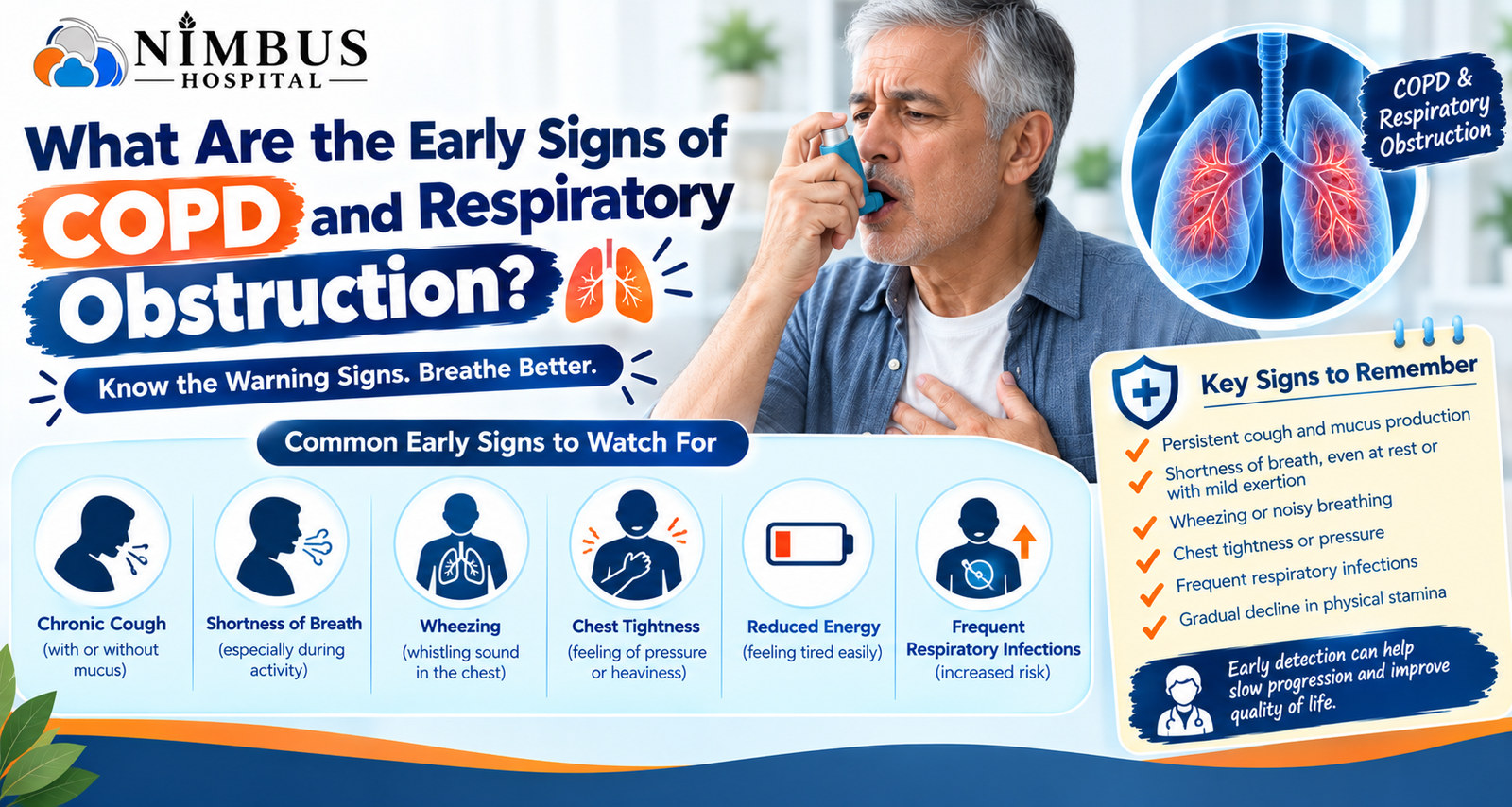
What Are the Early Signs of COPD and Respiratory Obstruction?

Breathing problems are easy to ignore when they develop slowly. A person may think that a persistent cough, mild breathlessness, or reduced stamina is simply due to age, pollution, smoking, or a lack of exercise. However, these can sometimes be early signs of COPD (Chronic Obstructive Pulmonary Disease) or another form of respiratory obstruction.

COPD is a long-term condition in which airflow through the lungs becomes restricted, making breathing more difficult. Early diagnosis and proper management can help control symptoms, reduce flare-ups, and support a better quality of life. If you regularly experience breathing difficulties, seeking COPD Treatment in Solan can help identify the cause and guide appropriate treatment.

What Is COPD and Respiratory Obstruction?

COPD refers to a group of chronic lung conditions that cause persistent airflow limitation. Respiratory obstruction means that air cannot move freely through the airways because they have become narrowed or blocked.

COPD generally develops gradually. This is why early symptoms may seem minor at first. Over time, however, breathing difficulty can become more noticeable, particularly during physical activity.

Common risk factors include:

  • Smoking or long-term exposure to second-hand smoke
  • Air pollution and dust
  • Biomass fuel or chulha smoke
  • Workplace exposure to chemical fumes
  • Repeated respiratory or chest infections

Recognising the early symptoms can encourage timely medical evaluation.

Early Signs of COPD You Should Not Ignore

1. Persistent Cough

A cough that continues for several weeks or keeps coming back should not always be dismissed as a seasonal problem. COPD-related cough may be persistent and can sometimes produce mucus or phlegm.

If your cough is becoming more frequent, especially in the morning or after physical activity, discuss it with a doctor.

2. Shortness of Breath

One of the most common early symptoms is breathlessness. Initially, you may notice it only while climbing stairs, walking quickly, or doing physically demanding work.

As the condition progresses, breathlessness may occur with routine activities and eventually even at rest.

3. Wheezing

Wheezing is a high-pitched or whistling sound that may occur while breathing. It can happen when airflow is restricted through narrowed airways.

Repeated wheezing should be medically evaluated, particularly when it occurs together with cough or breathlessness.

4. Chest Tightness

Some people with airway obstruction experience a feeling of pressure or tightness in the chest. It may become more noticeable during exercise or when breathing becomes difficult.

Chest tightness can have several causes, so proper medical assessment is important rather than assuming it is COPD.

5. Frequent Respiratory Infections

Repeated episodes of bronchitis, chest infections, or other respiratory infections may indicate an underlying lung problem.

If infections keep returning or take longer than expected to improve, a doctor may recommend further evaluation of your lung function.

6. Reduced Stamina and Fatigue

Do you get tired after activities that were previously easy for you? Reduced stamina can occur when breathing becomes less efficient.

People may gradually reduce walking, climbing stairs, or exercising because these activities make them breathless. This can further reduce physical fitness and make everyday activities more difficult.

When Should You See a Doctor?

You should consider a medical evaluation if you have:

  • A long-lasting or recurring cough
  • Breathlessness during normal activities
  • Repeated wheezing
  • Frequent chest or respiratory infections
  • Increasing mucus or phlegm
  • Reduced ability to exercise or walk
  • A history of smoking or significant dust exposure

You do not need to wait until symptoms become severe. Early evaluation can help identify respiratory problems and determine whether treatment is required.

How Is COPD Diagnosed?

Symptoms alone cannot confirm COPD. A doctor may first ask about your symptoms, smoking history, environmental exposure, previous infections, and medical history.

Depending on your symptoms, lung-function testing such as spirometry may be recommended. This test helps assess how much air you can breathe in and out and how effectively you can move air through your lungs.

Other investigations may be considered when clinically appropriate, such as chest imaging, oxygen assessment, or other diagnostic tests.

At Nimbus Hospital, the COPD care process includes clinical assessment, evaluation of risk factors, confirmation of diagnosis through spirometry or lung-function testing when required, and development of an individualised treatment plan.

How Is COPD Treated?

COPD cannot usually be completely cured, but appropriate treatment can help control symptoms and reduce exacerbations.

Treatment may include:

Inhalers and Bronchodilators

Inhaled medicines can help open the airways and make breathing easier. Depending on the condition, a doctor may recommend maintenance inhalers, reliever medicines, or both.

Correct inhaler technique is also important because improper use can reduce the amount of medicine reaching the lungs.

Nebulization and Oxygen Support

During certain acute exacerbations, nebulization may be used under medical supervision. Oxygen therapy may also be considered when oxygen levels are low and supplementation is medically required.

Pulmonary Rehabilitation

Pulmonary rehabilitation may include breathing exercises, physical activity, and physiotherapy guidance to improve stamina and support better breathing.

Lifestyle Changes

Stopping smoking is one of the most important steps for people with COPD. It is also helpful to reduce exposure to smoke, dust, pollution, and strong chemical fumes.

Regular physical activity, breathing exercises, appropriate vaccinations, and following prescribed treatment can also support long-term management.

What Happens During a COPD Flare-Up?

COPD symptoms can suddenly become worse, which is known as an exacerbation or flare-up.

Warning signs may include:

  • Increased coughing
  • More mucus than usual
  • Worsening breathlessness
  • Fever or symptoms of infection

Severe breathlessness at rest, inability to speak properly because of breathing difficulty, bluish lips, confusion, or unusual drowsiness require urgent medical attention.

Why Early Treatment Matters

COPD is a progressive condition, but early recognition and appropriate management can make a meaningful difference. Ignoring symptoms may allow breathing problems to interfere increasingly with work, exercise, sleep, and everyday activities.

If you have persistent cough, breathlessness, wheezing, or reduced stamina, talk to a qualified doctor rather than relying on self-medication.

COPD Care at Nimbus Hospital

Nimbus Hospital provides multi-specialty healthcare with personalised treatment and advanced diagnostic support. Its COPD and respiratory-obstruction care approach includes clinical assessment, spirometry or lung-function testing when required, inhaler-based treatment, nebulization or oxygen support during acute episodes, pulmonary rehabilitation, and long-term follow-up.

The hospital also has a Cardiac & Respiratory Physician department, supporting evaluation of breathing difficulties and related heart-lung concerns.

For people looking for COPD Treatment in Solan, timely consultation can help determine whether symptoms are related to COPD, asthma, infection, or another respiratory condition.

Final Thoughts

Early COPD symptoms can be subtle, but persistent cough, breathlessness, wheezing, chest tightness, frequent respiratory infections, and reduced stamina should not be ignored. Proper evaluation can identify airflow obstruction and help determine the right treatment approach.

If breathing problems are becoming more frequent or affecting your daily activities, consult a doctor for an appropriate assessment instead of waiting for symptoms to become severe.

FAQs

1. What is the first sign of COPD?
Persistent cough, phlegm, or breathlessness during activity can be early signs.

2. Can COPD cause wheezing?
Yes, narrowed airways can cause wheezing or a whistling sound while breathing.

3. Is COPD completely curable?
COPD cannot usually be cured, but treatment can control symptoms and reduce flare-ups.

4. Can smoking increase COPD risk?
Yes. Smoking is a major risk factor for developing COPD.

5. Which test can diagnose COPD?
Spirometry is commonly used to assess airflow and help diagnose COPD.
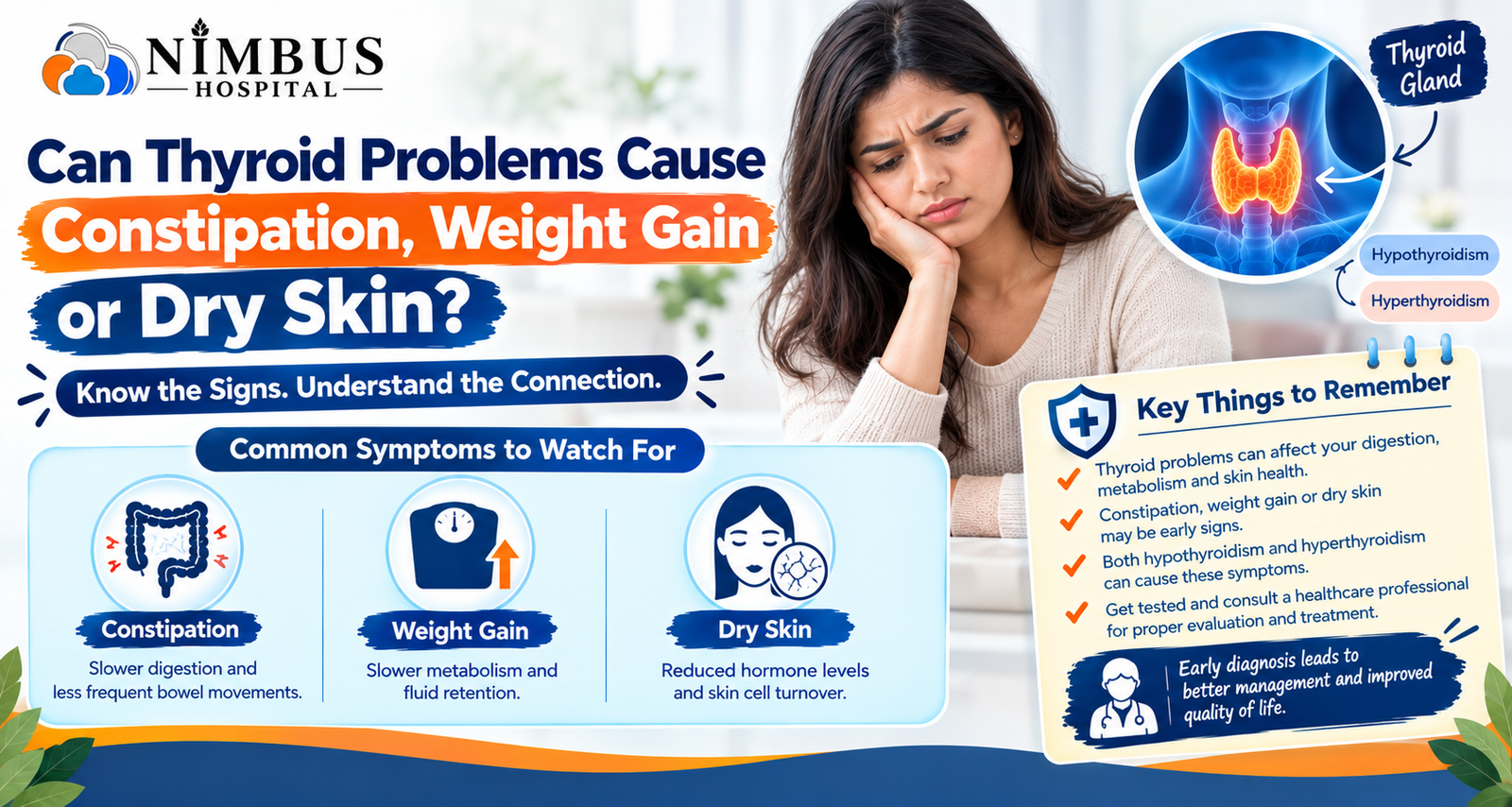
Can Thyroid Problems Cause Constipation, Weight Gain or Dry Skin?

Constipation, unexplained weight gain and dry skin can sometimes be more than everyday problems. These symptoms are commonly associated with hypothyroidism, a condition in which the thyroid gland does not produce enough thyroid hormones. Since thyroid hormones influence metabolism, digestion, body temperature and several other functions, low thyroid hormone levels can affect how the body works. However, these symptoms can also have many other causes, so they should not be used to diagnose a thyroid disorder on their own. If you are experiencing several of these symptoms together, proper medical evaluation and Thyroid Treatment in Solan can help identify the underlying cause.

How Does Hypothyroidism Cause Constipation?

Thyroid hormones help regulate the body’s metabolism, including the movement of food through the digestive system.

When thyroid hormone levels are low, digestion and bowel movement can become slower. This may result in constipation, fewer bowel movements or difficulty passing stools.

If constipation continues despite adequate water, fibre and physical activity, it is worth discussing with a doctor—particularly if you also have tiredness, weight gain, dry skin or increased sensitivity to cold.

Why Can Thyroid Problems Cause Weight Gain?

An underactive thyroid can slow down metabolism. This means the body may use energy more slowly than it normally would.

Some people with hypothyroidism experience weight gain or find it difficult to lose weight despite making changes to their diet and activity levels. However, thyroid problems are not the only possible reason for weight gain.

Diet, physical activity, sleep, medications, hormonal changes and other health conditions can also influence body weight.

This is why thyroid testing should be based on symptoms and medical assessment rather than assuming that every unexplained weight change is caused by the thyroid.

Can Hypothyroidism Cause Dry Skin?

Yes. Dry or rough skin can occur with an underactive thyroid.

Reduced thyroid hormone activity can affect normal skin function and may contribute to dryness. Some people may also notice dry, coarse skin along with other symptoms such as tiredness, constipation, feeling unusually cold or changes in hair.

Persistent skin dryness, however, can also result from weather, dehydration, skincare products and several skin conditions.

What Other Symptoms Can Thyroid Problems Cause?

Hypothyroidism can produce a range of symptoms, and they may develop gradually. Common symptoms can include:

  • Persistent tiredness
  • Weight gain
  • Constipation
  • Dry or rough skin
  • Feeling unusually cold
  • Hair thinning or hair changes
  • Muscle weakness or aches
  • Difficulty concentrating
  • Low mood
  • Changes in menstrual periods

Not everyone experiences all of these symptoms. Some people may have only a few noticeable changes.

How Are Thyroid Problems Diagnosed?

Symptoms alone cannot confirm hypothyroidism. Blood tests are generally needed to assess thyroid function.

A doctor may recommend tests such as TSH and free T4, depending on the patient’s symptoms and medical history.

If your symptoms suggest a thyroid disorder, your doctor may also review your weight, blood pressure, medications, medical history and other relevant health factors.

Getting the correct diagnosis is important because constipation, fatigue and weight changes can occur in many different conditions.

How Is Hypothyroidism Treated?

Treatment depends on the underlying thyroid condition.

For hypothyroidism, doctors commonly use thyroid hormone replacement medicine to restore hormone levels. The appropriate dose varies from person to person and may need adjustment based on follow-up blood tests and clinical response.

Patients should take thyroid medicine according to their doctor’s instructions and should not change the dose or stop treatment without medical advice.

Regular follow-up helps ensure that thyroid hormone levels remain within the desired range.

Can Lifestyle Changes Help?

Healthy lifestyle habits can support overall wellbeing while thyroid problems are being managed.

A balanced diet, regular physical activity, adequate sleep and appropriate hydration can help support digestion, energy and healthy weight management.

However, lifestyle changes cannot replace prescribed thyroid treatment when hormone replacement is medically necessary.

It is also better to avoid taking thyroid supplements or herbal products without discussing them with a qualified healthcare professional.

Why Choose Nimbus Hospital for Thyroid Care?

Nimbus Hospital provides medical consultation and diagnostic support for thyroid and other endocrine-related conditions. Its MD Medicine services include the management of thyroid disorders, diabetes, hypertension and obesity, allowing patients to receive evaluation for conditions that may occur together.

The hospital also provides diagnostic facilities, including a computerized laboratory, which can support blood tests recommended by the treating doctor.

Its approach focuses on understanding the patient’s symptoms, conducting appropriate investigations, creating a personalised treatment plan and providing follow-up care.

For patients looking for Thyroid Treatment in Solan, proper evaluation is particularly important because symptoms such as weight gain, constipation and tiredness can have several possible causes.

When Should You See a Doctor?

Consider consulting a doctor if constipation, weight gain or dry skin persists without an obvious explanation, especially when several symptoms occur together.

Medical evaluation is particularly useful if you also experience persistent fatigue, cold intolerance, hair changes or difficulty managing your weight.

Early diagnosis can help identify whether thyroid dysfunction is responsible and whether treatment is required.

Final Thoughts

An underactive thyroid can affect several parts of the body and may contribute to symptoms such as constipation, weight gain and dry skin. Because these symptoms are also common in many other conditions, testing is important before starting treatment.

If you have noticed several unexplained changes in your health, speak with a qualified doctor and consider appropriate thyroid testing. With the right diagnosis, prescribed treatment and regular monitoring, thyroid disorders can generally be managed effectively.

FAQs

1. Can hypothyroidism cause constipation?
Yes, low thyroid hormone levels can slow digestion and contribute to constipation.

2. Can thyroid problems cause weight gain?
Yes, hypothyroidism can contribute to weight gain and difficulty losing weight.

3. Does hypothyroidism cause dry skin?
Yes, dry or rough skin is a common symptom of an underactive thyroid.

4. Which test checks thyroid function?
TSH and free T4 blood tests are commonly used to assess thyroid function.

5. Can thyroid problems be treated?
Yes, appropriate treatment can help manage thyroid hormone levels and symptoms.

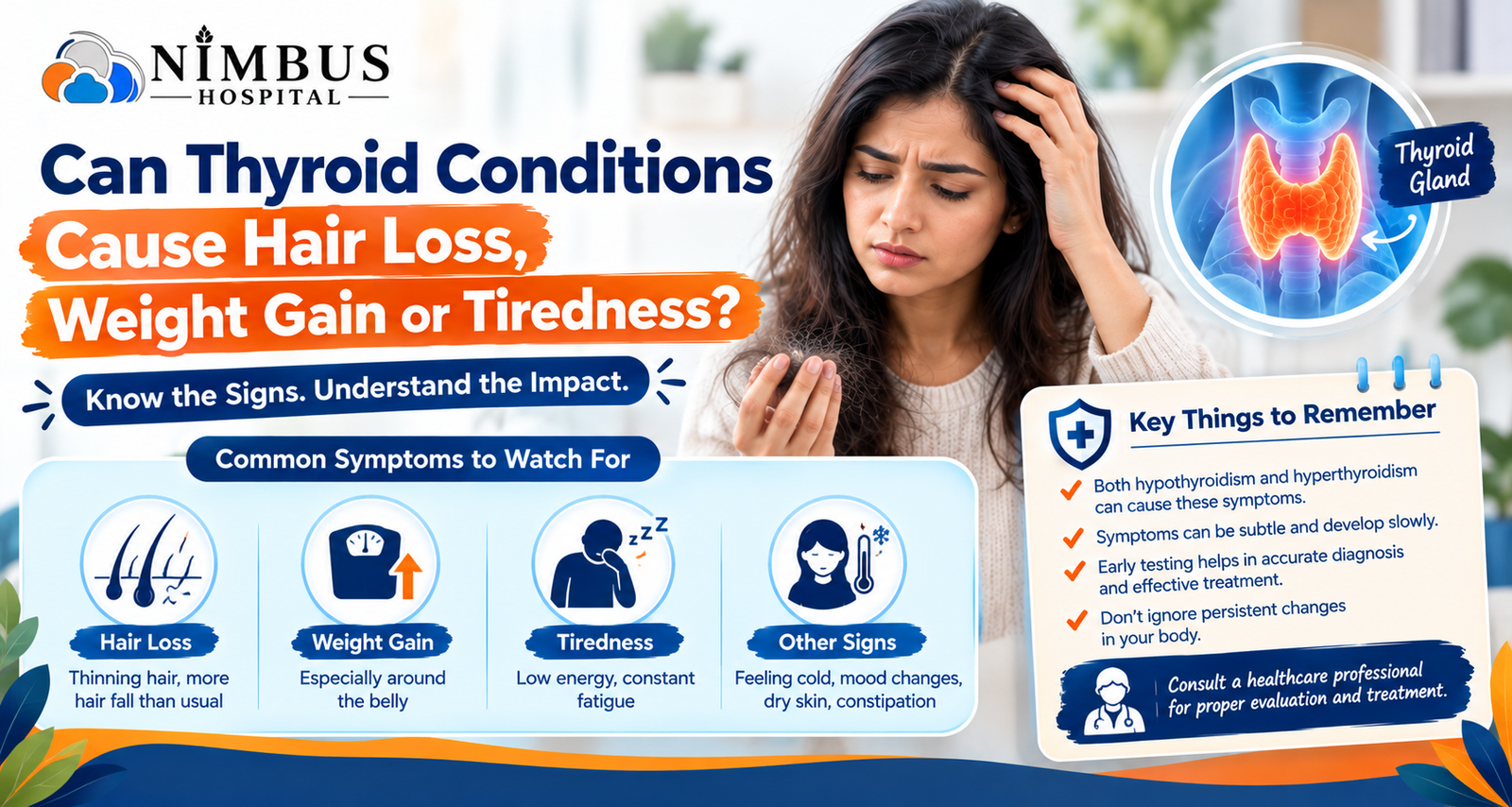
Can Thyroid Conditions Cause Hair Loss, Weight Gain or Tiredness?

Hair loss, unexplained weight changes and constant tiredness are common concerns, but sometimes these symptoms can be linked to an underlying thyroid problem. The thyroid gland produces hormones that influence metabolism, energy levels, body temperature and several other functions. When thyroid hormone levels become too low or too high, the body can respond in noticeable ways. At Nimbus Hospital, people looking for Thyroid Treatment in Solan can receive clinical evaluation, thyroid testing and personalised treatment based on their symptoms and medical history.

How Can Thyroid Problems Affect the Body?

The thyroid is a small gland in the neck, but its hormones influence many important body functions. When thyroid hormone production is too low, a condition known as hypothyroidism may develop. When the thyroid produces too much hormone, it can lead to hyperthyroidism.

Both conditions can cause symptoms, although they may differ from person to person.

Common thyroid-related symptoms can include:

  • Unexplained weight gain or weight loss
  • Persistent tiredness or low energy
  • Hair thinning or increased hair fall
  • Feeling unusually cold or hot
  • Changes in heart rate
  • Sleep problems
  • Changes in mood
  • Constipation or frequent bowel movements
  • Dry skin
  • Difficulty concentrating

These symptoms can also occur because of many other health conditions, so having one or more of them does not automatically mean you have a thyroid disorder.

Can Thyroid Problems Cause Hair Loss?

Yes, thyroid disorders can sometimes contribute to hair thinning or increased hair shedding.

Changes in thyroid hormone levels can affect the normal hair-growth cycle. Some people may notice overall thinning rather than hair loss in one specific area. Hair may also become dry or brittle.

However, hair loss has many possible causes, including nutritional deficiencies, stress, hormonal changes, certain medications and scalp conditions. If hair fall continues, it is better to identify the underlying cause instead of assuming that the thyroid is responsible.

Can an Underactive Thyroid Cause Weight Gain?

An underactive thyroid can contribute to weight gain because reduced thyroid hormone levels can slow the body’s metabolism. Some people may also experience tiredness, reduced physical activity, constipation or fluid retention.

However, thyroid problems are not the only reason for weight gain. Diet, physical activity, sleep, medications, hormonal conditions and metabolic health can also play a role.

This is why proper assessment is important before starting any thyroid medication or restrictive diet.

Why Does Thyroid Disease Make You Feel Tired?

Persistent tiredness is one of the symptoms that may occur with an underactive thyroid. When thyroid hormone levels are low, some body processes slow down, which can contribute to low energy and reduced stamina.

But fatigue is a very general symptom. Anaemia, diabetes, sleep problems, infections, nutritional deficiencies, stress and several other conditions can also cause tiredness.

Nimbus Hospital’s MD Medicine department evaluates thyroid disorders as well as general weakness and fatigue, helping doctors consider the wider clinical picture rather than focusing on a single symptom.

What Are Other Signs of an Underactive Thyroid?

Hypothyroidism may develop gradually, so some people may not immediately recognise the symptoms.

Possible symptoms include:

  • Weight gain
  • Tiredness and low energy
  • Hair thinning
  • Dry skin
  • Feeling cold more often
  • Constipation
  • Slow heart rate
  • Difficulty concentrating
  • Mood changes
  • Muscle weakness or aches

The severity and combination of symptoms can vary. Some people have only mild symptoms, while others experience several changes at the same time.

What Are the Signs of an Overactive Thyroid?

An overactive thyroid can produce a different pattern of symptoms because the body’s metabolism may become faster.

Possible symptoms include:

  • Unexplained weight loss
  • Increased sweating
  • Feeling unusually hot
  • Fast or irregular heartbeat
  • Anxiety or restlessness
  • Difficulty sleeping
  • Increased bowel movements
  • Muscle weakness
  • Increased appetite

If these symptoms occur repeatedly, medical evaluation can help determine whether thyroid dysfunction or another condition is responsible.

How Are Thyroid Problems Diagnosed?

Symptoms alone cannot confirm a thyroid disorder. A doctor may first review your symptoms, medical history, medications, lifestyle and family history.

Blood testing can then help assess thyroid function. Depending on the situation, doctors may recommend thyroid-related blood tests such as TSH and thyroid hormone testing.

Nimbus Hospital’s MD Medicine department provides thyroid testing through its pathology laboratory and follows a structured process of consultation, targeted investigations, diagnosis, treatment and follow-up.

This approach helps avoid unnecessary testing while ensuring that important symptoms are properly investigated.

How Are Thyroid Conditions Treated?

Treatment depends on whether the thyroid is underactive, overactive or affected by another thyroid condition.

For an underactive thyroid, doctors may prescribe thyroid hormone replacement and monitor blood levels regularly. The dose may need adjustment over time.

Treatment for an overactive thyroid depends on its cause and severity and may involve medication or referral for additional specialist care when appropriate.

Along with medication, regular monitoring is important because thyroid hormone requirements can change over time.

Do not start, stop or change thyroid medication without medical advice.

Why Choose Nimbus Hospital for Thyroid Care?

Thyroid problems can affect several areas of health, so a complete medical assessment is useful when symptoms such as weight changes, fatigue and hair loss occur together.

Nimbus Hospital’s MD Medicine department manages thyroid disorders as part of its adult and chronic disease care. The hospital focuses on clinical evaluation, targeted investigations, personalised treatment, diet and lifestyle guidance, and regular follow-up.

Nimbus Hospital also provides:

  • Thyroid blood testing
  • Computerised pathology laboratory
  • MD Medicine specialist consultation
  • Personalised treatment planning
  • Lifestyle and diet guidance
  • Regular follow-up and monitoring
  • Multispecialty support when required
  • 24×7 emergency support and ICU/HDU backup

The hospital describes its overall care approach as patient-first, with advanced diagnostics and personalised treatment under one roof.

When Should You Get Your Thyroid Checked?

Consider speaking with a doctor if you have persistent or unexplained:

  • Weight gain or weight loss
  • Hair loss or significant hair thinning
  • Tiredness despite adequate rest
  • Changes in heart rate
  • Heat or cold intolerance
  • Constipation or frequent bowel movements
  • Sleep or mood changes

A doctor can determine whether thyroid testing is appropriate or whether another health issue may better explain the symptoms.

Can Thyroid Problems Be Managed Long Term?

Yes. Many thyroid conditions can be effectively managed with appropriate treatment and regular monitoring.

The important part is consistency. If medication is prescribed, take it according to medical advice and attend recommended follow-up appointments. Blood tests may be repeated to determine whether hormone levels are within the desired range.

Lifestyle habits such as balanced nutrition, regular physical activity, adequate sleep and stress management can also support overall health, although they should not replace prescribed thyroid treatment.

When Should You Seek Urgent Medical Care?

Most thyroid symptoms do not require emergency treatment. However, severe symptoms such as significant breathing difficulty, chest pain, fainting, severe confusion or a very rapid or irregular heartbeat should receive urgent medical attention.

Nimbus Hospital provides 24×7 emergency services with rapid assessment, stabilisation, diagnostic support and ICU/HDU backup when required.

Final Thoughts

Hair loss, weight gain and tiredness can sometimes be related to thyroid problems, particularly when several symptoms occur together. However, these symptoms are not specific to thyroid disease and can have many other causes.

The best approach is to avoid self-diagnosis and get the appropriate clinical evaluation and thyroid testing when recommended. With timely diagnosis, proper treatment and regular monitoring, thyroid conditions can often be managed effectively.

For people searching for Thyroid Treatment in Solan, Nimbus Hospital provides thyroid evaluation, diagnostic testing, personalised treatment and long-term follow-up through its MD Medicine services.

FAQ’s

1. Can thyroid problems cause hair loss?

Yes. Thyroid disorders can affect the hair-growth cycle and may cause increased hair shedding.

2. Can hypothyroidism cause weight gain?

Yes. An underactive thyroid can contribute to weight gain and reduced metabolism.

3. Why am I tired all the time?

Thyroid problems can cause fatigue, but anaemia, diabetes, poor sleep and other conditions can also cause tiredness.

4. Which test checks thyroid function?

Blood tests such as TSH and thyroid hormone tests are commonly used to assess thyroid function.

5. Can thyroid problems be treated?

Yes. Most thyroid conditions can be managed with appropriate treatment and regular medical monitoring.

How Can You Tell If Your Breathing Problem Is Asthma or COPD?

Breathing difficulty can be worrying, especially when it keeps coming back or becomes worse during physical activity. Asthma and COPD (chronic obstructive pulmonary disease) are two common conditions that can cause breathlessness, coughing and wheezing, but they are not the same. Their causes, symptom patterns and treatment approaches can differ. Understanding the differences can help you know when to seek medical advice. If you are experiencing repeated breathing problems, getting evaluated by a qualified doctor is important for the right diagnosis and appropriate Asthma Treatment in Solan.

What Is Asthma?

Asthma is a condition in which the airways become sensitive and can become inflamed or narrowed. This may make it harder for air to move in and out of the lungs.

Asthma symptoms can appear occasionally or frequently and may be triggered by factors such as:

  • Dust and pollution
  • Smoke
  • Pollen
  • Pet allergens
  • Cold air
  • Weather changes
  • Respiratory infections
  • Exercise

Common asthma symptoms include wheezing, chest tightness, coughing and shortness of breath. Symptoms may become worse at night or early in the morning in some people.

What Is COPD?

COPD is a long-term lung condition that causes persistent airflow limitation. It commonly includes conditions such as chronic bronchitis and emphysema.

Smoking is an important risk factor for COPD, although long-term exposure to air pollution, workplace dust and certain other irritants can also contribute.

People with COPD may experience:

  • Persistent cough
  • Regular mucus production
  • Breathlessness
  • Wheezing
  • Reduced exercise tolerance
  • Increasing tiredness

Unlike asthma, COPD symptoms tend to be more persistent and may gradually worsen over time.

Asthma vs COPD: What Is the Difference?

Although both conditions can cause similar symptoms, there are some useful differences.

Asthma: Symptoms may come and go and can often be triggered by allergens, exercise, cold air or infections. Airflow obstruction can often improve significantly with appropriate treatment.

COPD: Symptoms are usually more persistent and may progressively affect breathing and exercise capacity. A history of smoking or long-term exposure to lung irritants is common.

However, symptoms alone cannot always distinguish asthma from COPD. Some people can also have features of both conditions.

Why Is Proper Diagnosis Important?

Treating every breathing problem as asthma can delay the diagnosis of another respiratory condition. Similarly, assuming that long-term breathlessness is simply due to ageing or smoking can prevent timely treatment.

A doctor may ask about:

  • When your symptoms started
  • How often they occur
  • Whether symptoms vary throughout the day
  • Smoking or tobacco exposure
  • Workplace exposure to dust or chemicals
  • Allergy history
  • Previous respiratory infections
  • Family and medical history

The doctor may then recommend appropriate tests based on your symptoms.

Can a PFT Help Diagnose Asthma or COPD?

Yes. Pulmonary function testing (PFT) can provide useful information about how well your lungs are working.

PFT can help doctors assess airflow and identify patterns that may support a diagnosis of asthma or COPD. Depending on the clinical situation, additional testing may also be required.

Nimbus Hospital provides PFT services as part of its respiratory care and diagnostic facilities. Its Cardiac & Respiratory Physician service evaluates conditions including asthma, COPD, chronic cough and breathlessness.

How Is Asthma Treated?

Asthma treatment depends on the severity and frequency of symptoms and the patient’s individual triggers.

Treatment may include prescribed inhalers to control airway inflammation and relieve symptoms. Some patients may also require nebulization during significant breathing difficulty under medical supervision.

Long-term asthma management also involves identifying triggers, using inhalers correctly, following an asthma action plan and attending regular follow-ups.

The aim is to control symptoms, reduce attacks and help patients maintain normal daily activities.

How Is COPD Treated?

COPD cannot usually be reversed, but appropriate treatment can help control symptoms and improve quality of life.

Treatment may include prescribed inhalers, pulmonary rehabilitation, lifestyle changes, smoking cessation and other medical measures depending on disease severity.

Stopping smoking is particularly important for people with COPD who smoke, as continued exposure can contribute to further lung damage.

Why Choose Nimbus Hospital for Respiratory Care?

Nimbus Hospital provides medical consultation, respiratory evaluation and diagnostic support under one healthcare setting. Its Cardiac & Respiratory Physician service covers respiratory conditions such as asthma, COPD, chronic cough and breathing difficulties.

The hospital also provides PFT, ECG, X-ray and computerized laboratory services, allowing doctors to recommend relevant investigations according to the patient’s condition.

Nimbus Hospital’s approach focuses on clinical assessment, appropriate testing, personalised treatment and follow-up rather than treating every breathing complaint in the same way.

For patients looking for Asthma Treatment in Solan, proper diagnosis is an important first step because asthma, COPD and other respiratory conditions can have overlapping symptoms.

When Should You See a Doctor?

Do not ignore breathing problems that are persistent or becoming more frequent.

You should consider medical evaluation if you:

  • Frequently feel short of breath
  • Have repeated wheezing
  • Experience a persistent cough
  • Produce mucus regularly
  • Get breathless during normal activities
  • Wake up because of coughing or breathing difficulty
  • Need a reliever inhaler frequently
  • Have a history of smoking or significant dust exposure

Severe breathlessness, difficulty speaking, bluish lips, confusion or rapidly worsening breathing requires urgent medical attention.

Final Thoughts

Asthma and COPD can both cause coughing, wheezing and breathlessness, but they have different characteristics and treatment approaches. Asthma often has variable symptoms and identifiable triggers, while COPD commonly causes more persistent breathing problems and is frequently associated with long-term exposure to tobacco smoke or other lung irritants.

Because symptoms can overlap, self-diagnosis is not reliable. A medical evaluation and, when appropriate, lung-function testing can help determine what is actually causing your breathing problem.

If you are experiencing recurring breathing difficulties, consult a qualified respiratory physician for proper diagnosis and personalised Asthma Treatment in Solan.

FAQs

1. Can asthma and COPD have similar symptoms?
Yes, both can cause coughing, wheezing and shortness of breath.

2. Is COPD the same as asthma?
No. They are different chronic respiratory conditions with different causes and treatment approaches.

3. Can PFT help diagnose asthma?
Yes, pulmonary function testing can help assess lung function and airflow.

4. Is smoking linked to COPD?
Yes, long-term smoking is a major risk factor for COPD.

5. When should breathing problems be checked?
Persistent, worsening or unexplained breathing problems should be medically evaluated.

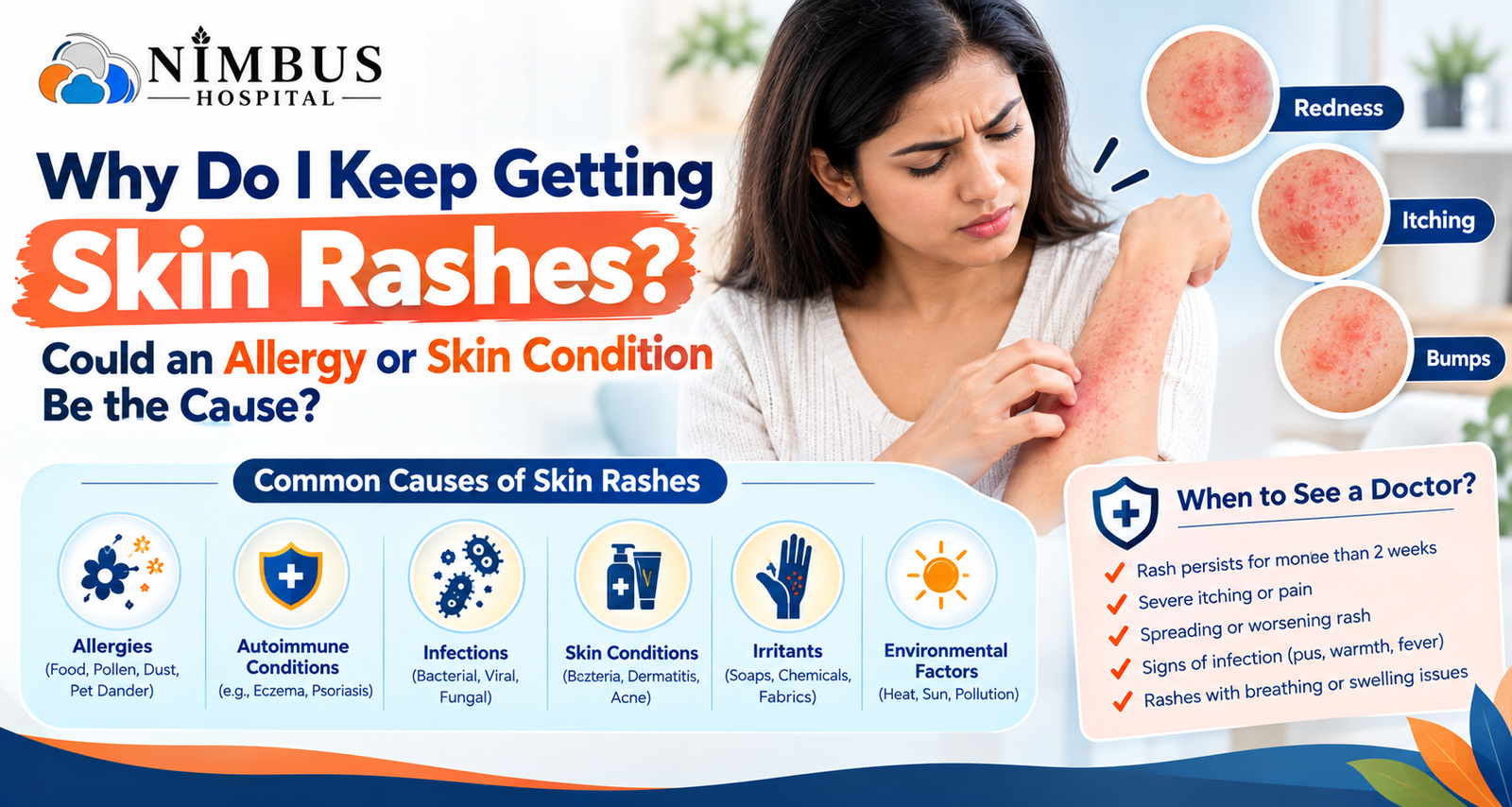
Why Do I Keep Getting Skin Rashes? Could an Allergy or Skin Condition Be the Cause?

Recurring skin rashes can be frustrating, especially when they disappear and return without an obvious reason. Sometimes the cause is an allergy, while other cases may be linked to eczema, fungal infection, dryness, irritation, or another skin condition. Identifying the actual trigger is important for long-term relief. At Nimbus Hospital, patients looking for Allergy Treatment in Solan can receive evaluation to identify possible triggers and develop a personalised treatment plan.

What Causes Recurring Skin Rashes?

A rash is not a disease by itself. It is a skin symptom that can have several different causes. Common reasons include:

1. Skin Allergy

Allergic reactions may cause itching, redness, bumps or hives. Some people develop symptoms after exposure to particular foods, medicines, cosmetics, dust, pollen or other allergens.

2. Contact Dermatitis

Repeated contact with soaps, detergents, perfumes, cosmetics or hair products can irritate the skin and cause redness, itching or burning.

3. Eczema

Eczema can cause dry, itchy and irritated skin. Symptoms may come and go and can become worse with dryness, irritants or other triggers.

4. Fungal Infections

Fungal infections can cause itching, redness, scaling or ring-shaped patches. Sweat, humidity, tight clothing and incomplete treatment can increase the risk of recurrence.

5. Hives or Urticaria

Hives are raised, itchy skin patches that can appear suddenly and may disappear within hours. Allergies, infections, medicines and other triggers can sometimes contribute to them.

Nimbus Hospital’s skin-care information includes itchy rashes and hives, eczema, fungal infections and other common skin concerns among conditions requiring proper evaluation.

How Can You Tell If a Rash Is Due to an Allergy?

It can be difficult to identify an allergy based only on how the rash looks. However, certain patterns may provide useful clues.

An allergy may be more likely when:

  • The rash appears after exposure to a particular product or substance.
  • Itching is a major symptom.
  • Hives appear suddenly.
  • Symptoms improve after avoiding a suspected trigger.
  • The rash occurs along with swelling or other allergy symptoms.
  • Similar reactions happen repeatedly.

Keeping a record of when the rash appears, what you ate, which products you used and where you were can help the doctor identify possible triggers.

What Symptoms Should You Pay Attention To?

Recurring rashes can appear in different forms depending on their cause.

Common symptoms include:

  • Itching
  • Redness
  • Burning or irritation
  • Dry or flaky skin
  • Raised bumps
  • Hives
  • Scaling
  • Cracks in the skin
  • Oozing or signs of infection

Nimbus Hospital recommends clinical examination to assess the pattern of the rash and look for signs suggesting allergy or infection before deciding on treatment.

Can Dust, Pollen or Other Allergens Cause Skin Problems?

Yes. Some people can develop allergic symptoms after exposure to environmental allergens such as dust or pollen. Other substances, including soaps, detergents, perfumes and cosmetics, can directly irritate sensitive skin.

Nimbus Hospital also provides specialised allergy evaluation and immunotherapy through its ENT department, including allergy profiling and management for conditions associated with dust, pollen and food allergies.

The important step is to identify the suspected trigger instead of repeatedly treating the rash without understanding why it keeps returning.

How Is the Cause of a Rash Diagnosed?

Diagnosis usually starts with a detailed clinical examination. The doctor may ask:

  • When did the rash first appear?
  • How often does it return?
  • Is it itchy, painful or burning?
  • Did you recently change soap, detergent or cosmetics?
  • Did you eat anything unusual?
  • Have you taken any new medicines?
  • Does sweating or heat make it worse?
  • Has anyone else at home developed similar symptoms?

Depending on the symptoms, additional testing may be recommended. Nimbus Hospital’s skin-care approach includes clinical examination, evaluation for allergy or infection clues and basic tests when infection is severe or systemic symptoms are present.

For suspected allergies, the hospital’s ENT department lists allergy profiling, skin-prick testing and specific IgE testing among available diagnostic options.

How Are Recurring Skin Rashes Treated?

Treatment depends on the underlying cause. A rash caused by allergy may require a different approach from eczema or fungal infection.

Depending on the diagnosis, treatment may include:

Trigger Avoidance

Identifying and avoiding the substance responsible for the reaction can help reduce repeated flare-ups.

Medicines

Doctors may recommend appropriate medicines for itching, allergy, infection or inflammation depending on the condition.

Topical Treatment

Creams or lotions may be prescribed according to the type and severity of the skin problem.

Skin-Care Routine

Using gentle cleansers, moisturising regularly and avoiding harsh products can support healthier skin, particularly when dryness or irritation is contributing to symptoms.

Allergy Management

When a specific allergy is identified, long-term management may include trigger control and, in selected cases, allergy immunotherapy under specialist guidance.

Why Choose Nimbus Hospital for Allergy and Skin Care?

Recurring rashes require more than simply applying a cream whenever symptoms appear. The first priority is understanding whether the problem is caused by allergy, infection, eczema, irritation or another condition.

Nimbus Hospital follows a patient-focused approach that includes clinical evaluation, appropriate diagnostic support, personalised treatment and follow-up. Its services include both allergy care and dermatology support for rashes, itching, eczema and infections.

Patients can benefit from:

  • Allergy evaluation and trigger identification
  • Skin-condition assessment
  • Allergy testing when required
  • Personalised treatment plans
  • Topical and medication-based treatment when appropriate
  • Preventive skincare guidance
  • Follow-up for recurring problems
  • Emergency support for severe allergic reactions

When Is a Skin Rash an Emergency?

Most rashes are not emergencies, but some allergic or infectious reactions can become serious.

Seek immediate medical attention if a rash occurs with:

  • Sudden swelling of the face or lips
  • Difficulty breathing
  • Widespread hives with other severe symptoms
  • Rapidly spreading redness
  • High fever
  • Severe pain
  • Pus or significant oozing
  • Spreading blisters
  • Severe swelling

Nimbus Hospital specifically identifies facial or lip swelling, breathing difficulty and sudden widespread hives as warning signs of a severe allergic reaction.

Its 24×7 emergency service also provides urgent assessment and stabilisation for allergic reactions involving swelling or other serious symptoms.

What Can You Do to Prevent Repeated Rashes?

A few simple habits may help reduce flare-ups:

  • Use gentle soaps and cleansers.
  • Avoid products that repeatedly trigger irritation.
  • Keep the skin moisturised if it is dry.
  • Avoid scratching the affected area.
  • Keep sweaty areas clean and dry.
  • Do not share towels, combs or personal skin-care items.
  • Complete prescribed treatment rather than stopping as soon as symptoms improve.
  • Keep a record of suspected allergy triggers.

If the rash keeps returning despite these measures, professional evaluation is recommended.

When Should You See a Doctor?

You should consider medical evaluation when the rash is recurring, spreading, very itchy, painful, or not improving with basic care. You should also seek advice if you cannot identify what is triggering the reaction.

For people searching for Allergy Treatment in Solan, Nimbus Hospital offers allergy evaluation, skin-condition assessment, diagnostic support and personalised management based on the suspected cause.

Final Thoughts

Recurring skin rashes can be caused by allergies, eczema, fungal infections, irritation, hives or other skin conditions. Because these problems can look similar, treating the rash without identifying its cause may provide only temporary relief.

A proper clinical assessment can help determine whether an allergy, infection or another skin condition is responsible. Identifying triggers and following an appropriate treatment and prevention plan can also help reduce repeated flare-ups.

FAQ’s

1. Why do my skin rashes keep coming back?
Allergies, eczema, fungal infections, irritants and recurring exposure to triggers can cause repeated rashes.

2. Can food allergies cause skin rashes?
Yes. Food allergies can cause hives or other allergic skin reactions in some people.

3. Can dust cause skin allergies?
Dust can trigger allergic symptoms in sensitive individuals, although the exact cause varies.

4. Should I use a cream for every rash?
No. Different rashes need different treatments, so diagnosis is important before using medication.

5. When is a rash an emergency?
Rash with breathing difficulty, facial swelling or widespread hives requires immediate medical attention.

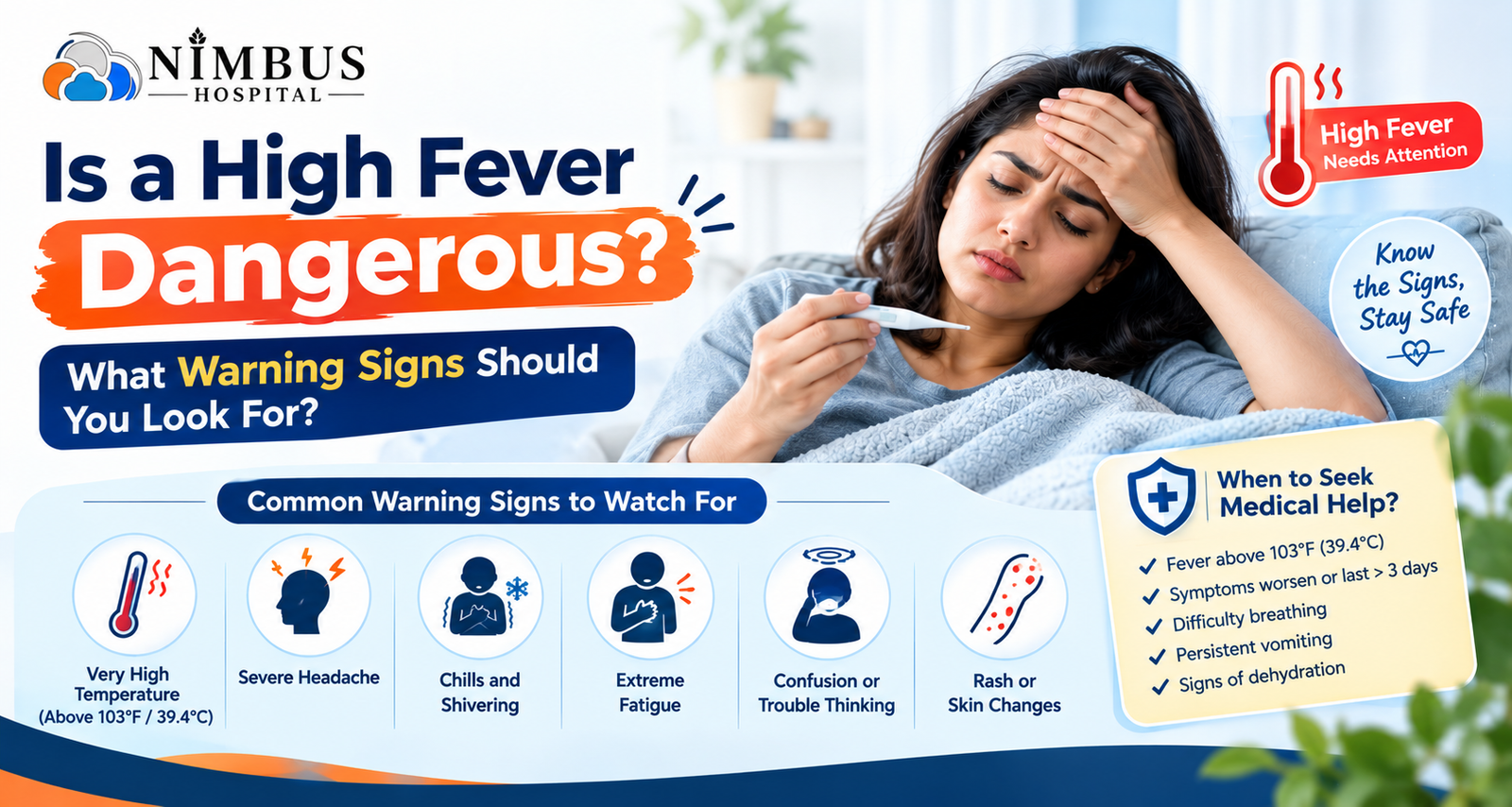
Is a High Fever Dangerous? What Warning Signs Should You Look For?

Fever is one of the body’s common responses to infection, but a very high fever or fever that keeps getting worse should not always be treated as a minor illness. Viral infections, throat or chest infections, urinary infections, stomach infections, and illnesses such as dengue, typhoid or malaria can cause fever. At Nimbus Hospital, patients looking for Best Fever Treatment in Solan can receive medical evaluation, appropriate diagnostic tests and a treatment plan based on the suspected cause.

What Is Considered a High Fever?

A fever means that the body’s temperature is higher than normal. The seriousness of a fever depends not only on the temperature but also on the person’s age, overall health, duration of fever and other symptoms.

A high or persistent fever may be more concerning when it is accompanied by:

  • Severe weakness
  • Persistent vomiting
  • Dehydration
  • Breathing difficulty
  • Confusion or unusual drowsiness
  • Severe headache
  • Skin rash or bleeding
  • Severe abdominal pain
  • Chest pain

Nimbus Hospital advises medical evaluation when fever is very high, lasts more than three days, or symptoms are getting worse.

What Can Cause a High Fever?

Fever is a symptom rather than a disease itself. Finding the underlying cause is important before deciding on treatment.

1. Viral Infections

Common viral illnesses such as flu and other seasonal infections can cause fever, chills, body aches, headache, tiredness, cough or sore throat.

2. Bacterial Infections

Some bacterial infections can cause persistent or high fever. Depending on symptoms, doctors may investigate conditions such as urinary tract infections, throat infections or bacterial chest infections.

3. Dengue, Typhoid or Malaria

In areas or seasons where these infections are suspected, appropriate testing may be recommended. Symptoms and medical history help the doctor decide which tests are appropriate.

4. Gastrointestinal Infections

Food- or water-borne infections can cause fever along with loose motions, vomiting, stomach pain or weakness.

Nimbus Hospital’s fever and infection service covers viral fever, throat/chest infections, UTI, gastrointestinal infections and suspected dengue, typhoid or malaria.

Warning Signs of Fever You Should Never Ignore

A fever needs urgent medical attention when it is accompanied by symptoms suggesting dehydration, breathing problems, neurological changes or serious infection.

Severe Breathing Difficulty

If fever is accompanied by severe breathlessness, breathing distress or bluish lips, seek urgent medical care.

Confusion or Fainting

Confusion, fainting or unusual changes in alertness can be serious warning signs and should not be ignored.

Persistent Vomiting or Dehydration

Repeated vomiting, very low urine output, extreme weakness or difficulty maintaining fluids may indicate significant dehydration.

Bleeding or Worsening Rash

Bleeding from the nose or gums, red spots on the skin or a rapidly worsening rash with fever requires prompt medical evaluation.

Severe Abdominal Pain

Severe abdominal pain along with fever may require urgent assessment, particularly when the pain is worsening or associated with vomiting.

Nimbus Hospital specifically lists severe breathlessness, chest pain with fever, confusion, fainting, severe dehydration, persistent vomiting, bleeding signs and severe abdominal pain among warning signs requiring urgent evaluation.

How Do Doctors Find the Cause of Fever?

The right treatment depends on identifying the likely source of infection. During consultation, the doctor may ask about the duration of fever, associated symptoms, recent travel, food or water exposure, medications and previous health conditions.

Depending on the symptoms, investigations may include:

  • CBC and platelet count
  • CRP or ESR
  • Urine testing
  • Dengue testing
  • Malaria testing
  • Typhoid testing
  • Chest X-ray when required
  • Culture tests when indicated

Nimbus Hospital recommends tests according to the patient’s symptoms and duration rather than using the same investigations for every fever case.

The hospital also has a computerized pathology laboratory, X-ray, ECG and other diagnostic facilities, supporting evaluation and treatment under one roof.

How Is Fever Treated?

There is no single treatment for every type of fever. Treatment depends on the underlying cause.

Fever Control and Symptom Relief

Doctors may recommend appropriate fever-control medication and supportive care based on the patient’s condition.

Hydration and Rest

Drinking adequate fluids, taking rest and maintaining nutrition can support recovery. ORS, water or other suitable fluids may be recommended depending on the symptoms.

Antibiotics Only When Appropriate

Antibiotics are not required for every fever. They should be used when a bacterial infection is suspected or confirmed and prescribed by a doctor.

Treatment of the Underlying Infection

If testing suggests a particular infection, treatment can be adjusted accordingly. For example, suspected dengue, typhoid or another infection may require specific medical management and monitoring.

Why Choose Nimbus Hospital for Fever Treatment?

Fever can have many causes, so simply reducing the temperature may not be enough. Nimbus Hospital follows a structured medical approach that includes clinical evaluation, targeted investigations when required, diagnosis, treatment and follow-up.

Patients can access:

  • MD Medicine specialist consultation
  • Fever and infection management
  • Blood and urine testing
  • Infection-related diagnostic support
  • Personalised treatment plans
  • Hydration guidance
  • Monitoring when required
  • 24×7 emergency support
  • ICU/HDU backup for critical cases

The hospital’s MD Medicine department also manages viral fever, infections and seasonal illnesses as part of adult medical care.

What Can You Do at Home During Fever?

For mild fever without warning signs, supportive care may help while monitoring symptoms.

  • Drink adequate fluids
  • Take sufficient rest
  • Keep track of your temperature
  • Eat light, easily tolerated food
  • Follow prescribed medicines
  • Monitor for new or worsening symptoms

Avoid starting antibiotics on your own or taking multiple fever medicines randomly. Nimbus Hospital specifically advises against self-starting antibiotics and recommends consultation if fever lasts more than three days or is worsening.

When Should You Visit an Emergency Department?

Do not wait for a routine appointment if fever is accompanied by severe symptoms such as:

  • Severe breathing difficulty
  • Chest pain
  • Bluish lips or low-oxygen signs
  • Confusion or fainting
  • Persistent vomiting
  • Severe dehydration
  • Heavy bleeding
  • Seizures
  • Severe abdominal pain

Nimbus Hospital provides 24×7 emergency services with rapid triage, stabilisation, diagnostic support and ICU/HDU backup when required.

Final Thoughts

A high fever does not always mean a dangerous illness, but the accompanying symptoms and duration matter. Viral infections may settle with supportive care, while bacterial or other infections may require specific treatment. Persistent or worsening fever should be evaluated rather than repeatedly managed with self-medication.

If you need Best Fever Treatment in Solan, Nimbus Hospital provides medical evaluation, diagnostic support, evidence-based treatment and follow-up care. Early assessment can help iddentify the cause of fever and ensure that warning signs are not overlooked.

FAQ’s

1. Is a high fever always dangerous?

No. Its seriousness depends on the cause, duration, temperature and accompanying symptoms.

2. When should I see a doctor for fever?

Consult a doctor if fever lasts more than three days or keeps getting worse.

3. Can dengue cause high fever?

Yes. Dengue can cause high fever and requires medical assessment when suspected.

4. Can fever cause dehydration?

Yes. Fever, vomiting or diarrhea can increase the risk of dehydration.

5. When is fever an emergency?

Fever with breathing difficulty, confusion, severe dehydration, bleeding or persistent vomiting needs urgent evaluation.