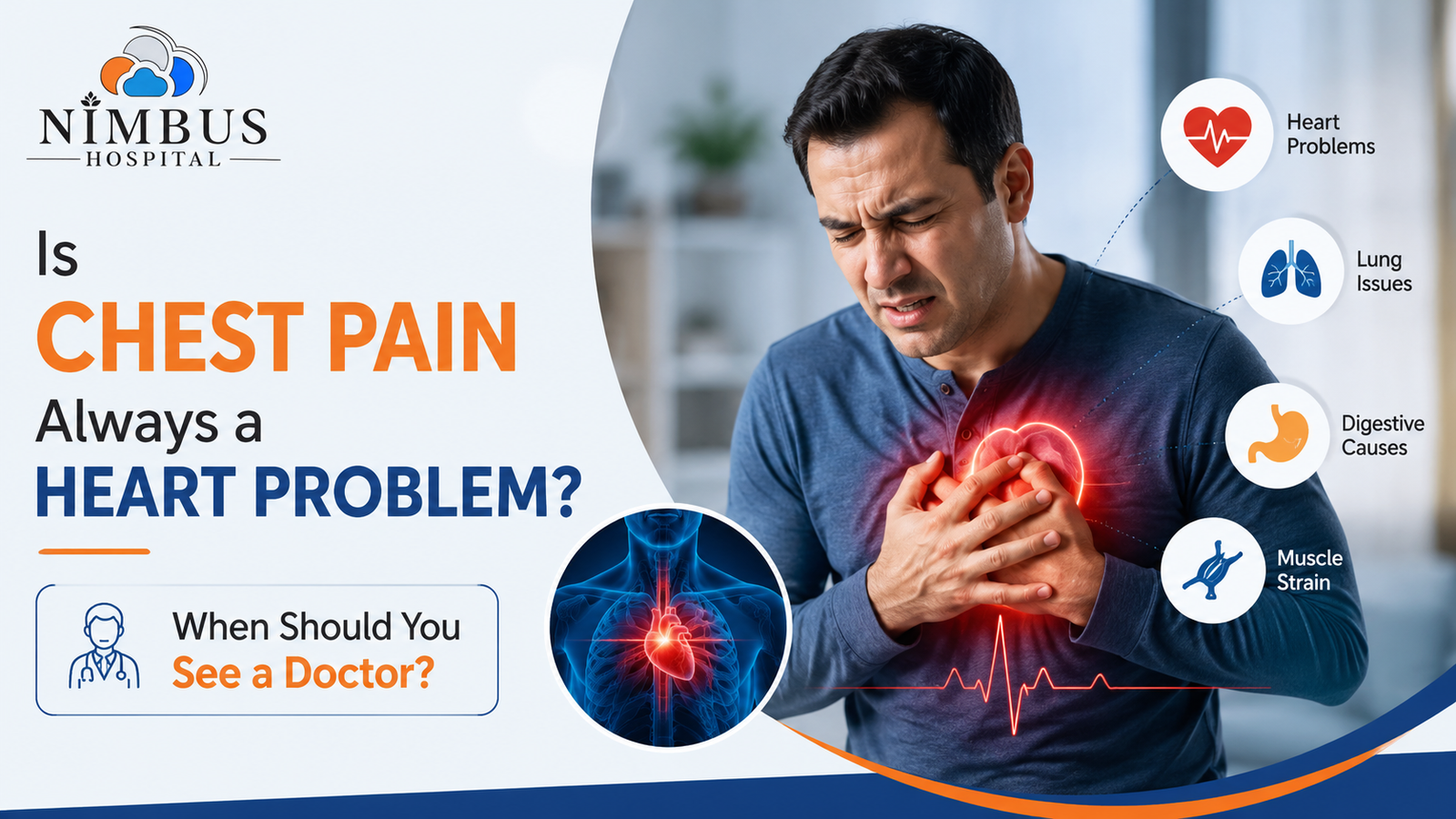
Is Chest Pain Always a Heart Problem? When Should You See a Doctor?

Chest pain can be frightening, but it does not always mean that you have a heart problem. Acidity, muscle strain, anxiety and respiratory conditions can also cause chest discomfort. However, new, severe, recurring or pressure-like chest pain should never be ignored because it can sometimes indicate a serious cardiac condition. If you are looking for a Heart Problems Hospital in Solan, Nimbus Hospital provides evaluation for chest discomfort, palpitations, breathlessness and heart-related risk factors, with ECG, Echo and other diagnostic support available when required.

What Can Cause Chest Pain?

Chest pain can originate from different parts of the body, not just the heart. The digestive system, muscles, lungs and even stress or anxiety can produce symptoms that feel similar to heart-related discomfort.

Common causes can include:

  • Acidity or acid reflux
  • Muscle strain
  • Anxiety or panic
  • Respiratory problems
  • Heart-related conditions

Because these symptoms can overlap, it is not always possible to identify the cause based on how the pain feels alone. A medical assessment is especially important when the pain is new or accompanied by other warning signs.

Heart-related chest discomfort may feel like pressure, heaviness, tightness or squeezing rather than a sharp pain. Some people may also experience discomfort that spreads towards the arm, jaw, shoulder or back.

Nimbus Hospital’s heart-care information identifies chest pressure or pain lasting more than 10–15 minutes, particularly when accompanied by other symptoms, as a warning sign requiring urgent evaluation.

You should be particularly cautious if chest discomfort occurs together with:

  • Sweating
  • Nausea
  • Extreme weakness
  • Breathlessness
  • Dizziness
  • Fainting
  • Pain spreading to the arm or jaw

These symptoms can require urgent medical attention.

Acidity and heart-related chest pain can sometimes feel similar, which is why self-diagnosis can be risky.

Acidity may cause burning behind the breastbone, particularly after eating or when lying down. Heart-related discomfort may feel like pressure, heaviness or tightness and can occur with physical activity or other symptoms.

However, there is no reliable rule that can safely distinguish the two at home. If the pain is severe, persistent, unusual for you or associated with breathlessness, sweating or fainting, medical evaluation should not be delayed.

What Other Symptoms Should You Watch For?

Chest pain is not the only warning sign of a possible heart problem.

Breathlessness

Unusual shortness of breath while walking, performing routine activities or even while resting should be assessed, particularly when it occurs with chest discomfort.

Nimbus Hospital’s Cardiac & Respiratory Physician service evaluates breathlessness, chest discomfort and heart-lung risk factors.

Palpitations

A racing, pounding or irregular heartbeat can sometimes occur because of stress or caffeine, but repeated palpitations deserve medical attention.

If palpitations occur with dizziness, fainting, chest discomfort or breathlessness, an ECG or further assessment may be recommended.

Dizziness or Fainting

Unexplained dizziness or fainting can have several causes, including blood-pressure or heart-rhythm problems. Repeated episodes should be evaluated instead of being ignored.

Unusual Fatigue

Persistent tiredness or weakness can have many causes. But when it occurs with breathlessness, chest discomfort or reduced exercise tolerance, a medical evaluation can help identify the underlying problem.

Swelling in the Feet

Persistent swelling in the feet or legs, particularly when accompanied by breathlessness or fatigue, should also be discussed with a doctor. Nimbus Hospital lists leg swelling among the symptoms evaluated through its cardiac and respiratory care service.

Who Should Be More Careful About Chest Pain?

Some people have a higher risk of cardiovascular problems. Important risk factors include:

  • High blood pressure
  • Diabetes
  • High cholesterol
  • Smoking
  • Excessive alcohol use
  • Obesity
  • Physical inactivity
  • Family history of heart disease
  • Long-term stress

Nimbus Hospital’s heart-care information specifically highlights hypertension, diabetes, high cholesterol, smoking, alcohol, stress and family history as cardiovascular risk factors.

If you have one or more of these risk factors and develop new chest discomfort, it is better to seek medical advice rather than assuming it is acidity or muscle pain.

How Is Chest Pain Evaluated at Nimbus Hospital?

The first step is understanding the patient’s symptoms, medical history and risk factors. The doctor may then recommend appropriate investigations based on the clinical assessment.

Nimbus Hospital provides diagnostic support that can include:

ECG: Helps assess heart rhythm and identify certain cardiac changes.

2D Echo: Provides information about heart function and valves.

Blood Tests: Tests such as sugar, lipid profile and cardiac markers may be advised when clinically appropriate.

TMT/Stress Test: May be recommended in selected cases.

BP Monitoring or Holter: May be considered when blood pressure or heart-rhythm monitoring is needed.

The important point is that not every patient needs every test. The appropriate investigation depends on symptoms, examination findings and individual risk factors.

Heart Care at Nimbus Hospital

Nimbus Hospital provides cardiac and respiratory physician care for symptoms such as chest discomfort, heaviness, palpitations, breathlessness and high blood-pressure-related concerns. Its care process includes consultation, vital assessment, targeted tests when required, treatment planning and follow-up monitoring.

The hospital also provides broader internal medicine care. Its MD Medicine department includes chest discomfort evaluation, hypertension management and heart-risk screening, allowing cardiac symptoms to be assessed alongside other health conditions such as diabetes and metabolic disorders.

This is particularly useful because heart symptoms can sometimes occur alongside other conditions or risk factors.

Why Choose Nimbus Hospital for Chest Pain Evaluation?

1. Cardiac & Respiratory Physician Care

Nimbus Hospital provides dedicated evaluation for heart and lung symptoms, including chest discomfort, palpitations and breathlessness.

2. Diagnostic Facilities

The hospital provides ECG, Echo and other diagnostic investigations as recommended. Its facility also includes a computerized laboratory, X-ray and ECG services.

3. Risk-Factor Evaluation

Blood pressure, diabetes, cholesterol and other cardiovascular risk factors can be assessed as part of the overall evaluation.

4. Personalised Treatment

Treatment depends on the underlying diagnosis. Nimbus Hospital describes a care process involving medicines where required, lifestyle guidance, risk-factor control and follow-up.

5. 24×7 Emergency Support

Nimbus Hospital’s emergency department operates 24×7 and provides rapid triage, stabilisation, ECG and emergency diagnostic support, with ICU/HDU backup when required.

When Should You Go to Emergency?

Do not wait for a routine appointment if you experience:

  • Severe or persistent chest pain or pressure
  • Severe breathlessness
  • Chest discomfort with cold sweating or nausea
  • Fainting or collapse
  • Bluish lips or signs of low oxygen
  • Sudden facial or arm weakness
  • Slurred speech or confusion

Nimbus Hospital specifically lists chest pain, severe breathing difficulty, unconsciousness and stroke symptoms among situations requiring urgent emergency care.

If symptoms are severe, seek emergency medical help immediately rather than waiting to see whether they disappear.

Final Thoughts

So, is chest pain always a heart problem? No. Chest pain can have several causes, including acidity, muscle problems, anxiety and respiratory conditions. But because some serious heart conditions can initially present with chest discomfort, it is safer to have unexplained or concerning pain evaluated by a medical professional.

For people searching for a Heart Problems Hospital in Solan, Nimbus Hospital offers cardiac and respiratory physician consultation, heart-risk assessment, ECG and Echo support, diagnostic services, personalised treatment and 24×7 emergency care.

The most important rule is simple: if chest pain is severe, persistent, pressure-like or accompanied by breathlessness, sweating, fainting or weakness, do not delay emergency medical attention.

FAQ’S

1. Is every chest pain a heart problem?

No. Acidity, muscles, lungs and anxiety can also cause chest pain.

2. When is chest pain an emergency?

Severe or persistent chest pain with other warning signs needs urgent care.

3. Can acidity cause chest pain?

Yes, acidity can cause burning or discomfort in the chest.

4. Which test checks the heart?

ECG and Echo are commonly used heart investigations.

5. Does Nimbus Hospital provide emergency care?

Yes, Nimbus Hospital provides 24×7 emergency support.
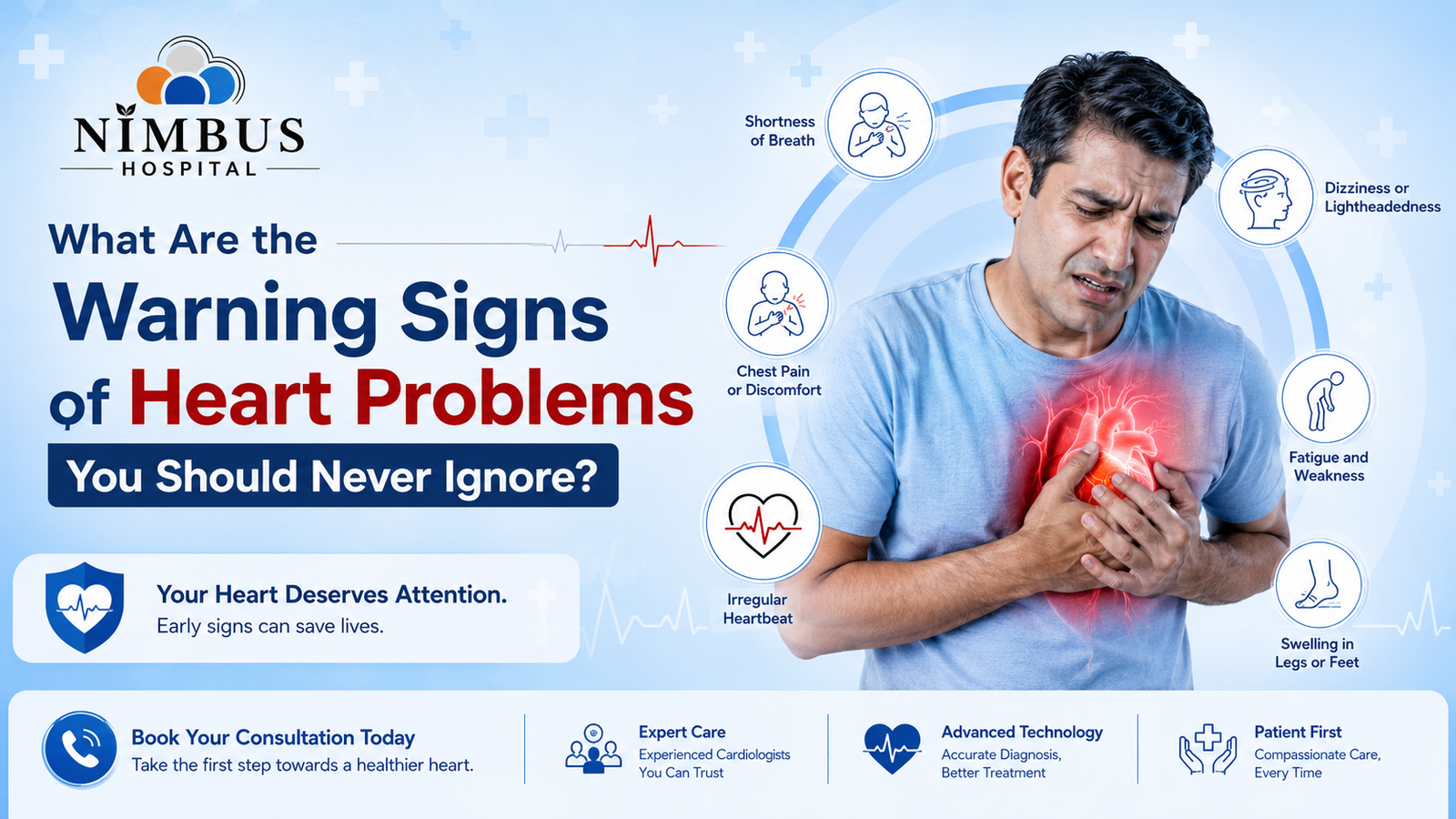
What Are the Warning Signs of Heart Problems You Should Never Ignore?

Heart problems do not always begin with severe chest pain. Sometimes the first signs can be breathlessness while walking, unusual tiredness, palpitations, dizziness, swelling in the feet or a feeling of heaviness in the chest. Recognising these symptoms early can help you seek medical attention before the condition becomes more serious. If you are searching for the Best Heart Problems Hospital in Solan, Nimbus Hospital provides heart and cardiac evaluation through its cardiac and respiratory physician services, supported by ECG, Echo, blood tests and 24×7 emergency care.

Why Should You Never Ignore Heart Symptoms?

The heart supplies blood and oxygen to every part of the body, so problems affecting its function can produce symptoms in different ways. A person may notice chest discomfort, breathing difficulty, an irregular heartbeat or unexplained weakness.

Not every chest pain or palpitation means a heart problem. Acidity, anxiety, muscle pain and other conditions can cause similar symptoms. However, it is important not to assume the cause yourself, particularly when symptoms are new, severe, recurrent or getting worse.

Nimbus Hospital focuses on early evaluation and appropriate diagnosis. Its cardiac care services include assessment of chest symptoms, palpitations, blood-pressure-related concerns and heart-risk factors such as diabetes and high cholesterol.

1. Chest Pain, Pressure or Heaviness

Chest discomfort is one of the most important symptoms to take seriously.

It may feel like pressure, heaviness, tightness, burning or pain in the chest. In some cases, discomfort may spread towards the arm, jaw, back or shoulder.

Chest pain can have several causes, including acidity and muscle-related problems. However, prolonged or severe chest pressure, particularly when accompanied by sweating, nausea, weakness or breathlessness, requires urgent medical evaluation.

Nimbus Hospital specifically identifies chest pain or pressure lasting around 10–15 minutes, particularly with other warning symptoms, as a reason for immediate help.

2. Unusual Shortness of Breath

Getting breathless after strenuous exercise can be normal. But breathlessness during routine activities or while resting should not be ignored.

Heart and lung conditions can both cause breathing difficulties. Nimbus Hospital’s Cardiac & Respiratory Physician service evaluates shortness of breath, chest discomfort and other heart-lung symptoms and can recommend investigations such as ECG, Echo, PFT or imaging when required.

Severe breathlessness, particularly when it appears suddenly or is associated with chest pain, bluish lips or collapse, should be treated as an emergency.

3. Fast or Irregular Heartbeat

A racing, pounding or irregular heartbeat is commonly described as palpitations.

Palpitations can sometimes occur because of stress, caffeine, lack of sleep or other non-cardiac causes. However, repeated palpitations should be assessed, especially when they occur with dizziness, fainting, chest discomfort or breathlessness.

Nimbus Hospital lists ECG and, when required, Holter monitoring among the investigations that may be used for heart-related evaluation.

4. Dizziness or Fainting

Occasional dizziness may have many causes, including dehydration or low blood pressure. But unexplained dizziness or fainting can sometimes be associated with heart rhythm or circulation problems.

A fainting episode should not simply be dismissed, particularly if it happens during physical activity or occurs with chest pain, palpitations or breathing difficulty.

If someone becomes unconscious or collapses, immediate emergency medical care is required.

5. Unusual Tiredness or Weakness

Persistent fatigue can be easy to overlook because it may be blamed on work, stress or poor sleep.

However, unusual tiredness that continues despite adequate rest may deserve medical evaluation, particularly when accompanied by breathlessness, chest discomfort, dizziness or reduced ability to perform normal activities.

Nimbus Hospital’s internal medicine services include evaluation of general weakness and fatigue as well as heart-risk screening and chest discomfort assessment.

6. Swelling in the Feet or Legs

Swelling around the ankles, feet or legs can have several causes. In some situations, it can be associated with problems affecting fluid balance or heart function.

If swelling is persistent, worsening or accompanied by breathlessness or unusual fatigue, consult a healthcare professional instead of relying only on home remedies.

Nimbus Hospital includes leg swelling among the symptoms evaluated by its Cardiac & Respiratory Physician service.

7. Cold Sweating, Nausea or Extreme Weakness

Cold sweating, nausea and sudden extreme weakness can occur alongside serious heart-related symptoms.

These signs become particularly concerning when they appear with chest pressure, breathlessness or pain that spreads to the arm, jaw or back.

Do not wait for the symptoms to become unbearable before seeking help.

8. Sudden Weakness or Speech Problems

Heart health and stroke risk are closely connected. Sudden weakness or numbness of the face, arm or leg, slurred speech, confusion or a sudden severe headache can be warning signs of a stroke.

These symptoms require immediate emergency assessment.

Nimbus Hospital’s 24×7 emergency service specifically lists sudden facial weakness, arm weakness, slurred speech, confusion and sudden severe headache among emergency warning signs.

Who Is More at Risk of Heart Problems?

Heart risk is not limited to older adults. Several factors can increase the likelihood of cardiovascular problems, including:

  • High blood pressure
  • Diabetes
  • High cholesterol
  • Smoking
  • Excessive alcohol use
  • Physical inactivity
  • Excess weight
  • Family history of heart disease
  • Long-term stress

Nimbus Hospital’s heart-care information specifically highlights high BP, diabetes, high cholesterol, smoking, alcohol, stress and family history as important risk factors.

This is why regular monitoring of blood pressure, blood sugar and cholesterol can be useful, especially for people with known risk factors.

How Are Heart Problems Evaluated?

A doctor generally begins with your symptoms, medical history, medications, lifestyle and vital signs. Based on the initial assessment, specific tests may be recommended.

At Nimbus Hospital, heart-related evaluation may include:

ECG: Helps assess heart rhythm and identify certain signs associated with cardiac problems.

2D Echo: Helps evaluate heart function and valves.

Blood Tests: Sugar, lipid profile and cardiac markers may be advised depending on the situation.

TMT/Stress Test: May be recommended when clinically appropriate.

BP Monitoring or Holter: May be used when blood-pressure or rhythm monitoring is needed.

The purpose of testing is not simply to order every possible investigation. The appropriate tests depend on the patient’s symptoms, risk factors and clinical assessment.

Heart Care at Nimbus Hospital

Nimbus Hospital provides cardiac and respiratory physician support for patients experiencing chest discomfort, palpitations, breathlessness and heart-related risk factors. Its approach combines consultation with diagnostic support and personalised treatment planning.

The hospital’s MD Medicine department also provides heart-risk screening, hypertension management and chest discomfort evaluation as part of internal medicine care.

This allows the patient’s symptoms to be considered in the context of their overall health rather than treating one symptom in isolation.

Why Choose Nimbus Hospital for Heart Care?

Heart and Respiratory Physician Support

Nimbus Hospital provides specialist evaluation for heart and lung symptoms, including chest discomfort, palpitations, breathlessness and high-BP-related concerns.

Diagnostic Support

The hospital provides ECG, Echo, blood tests and other investigations when recommended by the doctor. Its broader diagnostic setup also includes a computerized pathology laboratory and X-ray services.

Personalised Treatment

Treatment depends on the actual diagnosis. Nimbus Hospital’s heart-care approach includes lifestyle and risk-factor control, medicines when required and follow-up monitoring.

24×7 Emergency Care

For serious symptoms, Nimbus Hospital has 24×7 emergency support with rapid triage, stabilisation, ECG and other diagnostic support, along with ICU/HDU backup when required.

Patient-First Approach

Nimbus Hospital describes its care model around clear diagnosis, personalised treatment, supportive follow-up and patient-focused healthcare.

When Should You Go to the Emergency Department?

Do not delay emergency care if you experience:

  • Severe or persistent chest pain
  • Chest pressure with sweating or nausea
  • Severe breathlessness
  • Fainting or collapse
  • Bluish lips or signs of very low oxygen
  • Sudden weakness or facial drooping
  • Slurred speech or confusion

Nimbus Hospital’s emergency department operates 24×7 and specifically identifies chest pain, severe breathlessness, unconsciousness and stroke symptoms as situations requiring urgent care.

If symptoms are severe, use an ambulance or appropriate medical transport where available rather than driving yourself.

Final Thoughts

Heart problems can sometimes give warning signs before becoming a major emergency. Chest pressure, breathlessness, palpitations, dizziness, unusual fatigue, swelling and sudden weakness should not be routinely ignored.

At the same time, symptoms alone cannot confirm a heart condition. A proper medical assessment is needed to determine whether the cause is cardiac, respiratory, digestive, muscular or related to another health problem.

For people searching for the Best Heart Problems Hospital in Solan, Nimbus Hospital offers cardiac and respiratory physician consultation, heart-risk evaluation, ECG and Echo support, diagnostic facilities, personalised treatment and 24×7 emergency care.

FAQ’S

1. What is a serious heart warning sign?

Severe chest pain, breathlessness, sweating or fainting needs urgent attention.

2. Can acidity feel like heart pain?

Yes, but severe or new chest pain should be medically evaluated.

3. Are palpitations always dangerous?

No, but repeated palpitations with dizziness need evaluation.

4. When is breathlessness an emergency?

Sudden or severe breathlessness, especially with chest pain, needs urgent care.

5. Can diabetes increase heart risk?

Yes, diabetes is an important cardiovascular risk factor.

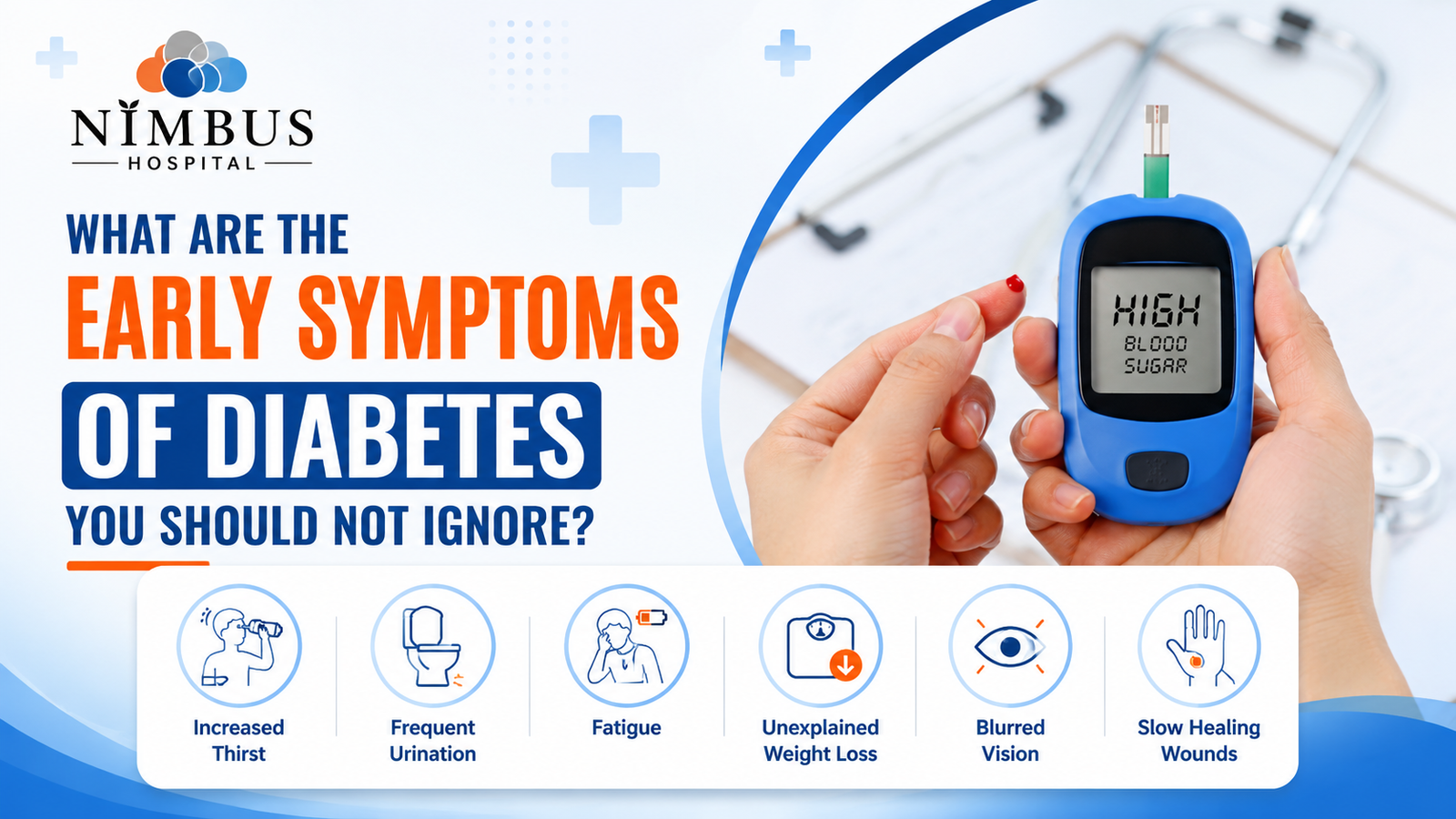
What Are the Early Symptoms of Diabetes You Should Not Ignore?

Diabetes can sometimes develop quietly, with symptoms that may look like normal tiredness, dehydration or changes in routine. Frequent urination, excessive thirst, unexplained weight loss, constant fatigue and blurred vision are some signs that should not be ignored. If these symptoms continue or occur together, getting your blood sugar checked is a sensible first step. At Nimbus Hospital, patients looking for Best Diabetes Treatment in Solan can access diabetes care through the MD Medicine department, along with diagnostic facilities and personalised treatment planning.

What Is Diabetes?

Diabetes is a condition in which blood glucose levels remain higher than normal because the body does not produce enough insulin, does not use insulin effectively, or both. Over time, uncontrolled blood sugar can affect different parts of the body.

The important thing is that diabetes is not diagnosed only from symptoms. A doctor may consider your symptoms, medical history, risk factors and appropriate blood tests before confirming a diagnosis.

Nimbus Hospital’s MD Medicine department specifically lists diabetes among the lifestyle and metabolic conditions it manages. Its approach includes clinical evaluation, targeted investigations, personalised treatment, diet and lifestyle guidance, and follow-up monitoring.

Early Symptoms of Diabetes You Should Watch For

1. Frequent Urination

Needing to urinate more often than usual can be an early warning sign of high blood sugar. Some people may also notice that they are waking up several times at night to use the bathroom.

If frequent urination continues without an obvious reason, especially when combined with increased thirst, fatigue or weight changes, it is worth discussing with a doctor.

2. Excessive Thirst

Persistent thirst is another symptom that deserves attention. You may feel the need to drink water repeatedly even when you have not been exercising or spending time in excessive heat.

Frequent urination and excessive thirst can occur together because elevated blood glucose can cause the body to lose more fluid through urine.

However, thirst can have many causes. A medical evaluation is needed to determine whether diabetes or another condition is responsible.

3. Unexplained Weight Loss

Losing weight without intentionally changing your diet or physical activity should not be ignored.

When glucose cannot be used properly for energy, the body may start using stored fat and muscle instead. This can contribute to unexpected weight loss.

If weight loss occurs along with excessive thirst, frequent urination or unusual tiredness, consider getting a medical evaluation rather than assuming it is simply due to stress or a busy lifestyle.

4. Persistent Tiredness

Everyone feels tired sometimes. But persistent fatigue that does not improve with proper sleep and rest can be a reason to investigate your health.

When blood glucose is not being used effectively, some people may experience weakness, low energy or difficulty concentrating.

Nimbus Hospital’s MD Medicine service evaluates general weakness and fatigue along with chronic conditions such as diabetes, thyroid disorders and other metabolic problems.

5. Blurred Vision

Changes in blood sugar can affect vision and may result in temporary blurred vision.

Do not automatically blame repeated vision changes on mobile phones, computers or lack of sleep. If blurred vision keeps returning, especially alongside other possible diabetes symptoms, speak with a healthcare professional.

Sudden or severe vision changes require prompt medical attention.

6. Increased Hunger

Some people may experience increased hunger even after eating.

This can happen when glucose is not being effectively utilised by the body’s cells. Increased hunger alone does not mean that you have diabetes, but it can be more significant when it occurs with thirst, frequent urination, fatigue or unexplained weight loss.

7. Slow-Healing Wounds

Cuts and minor wounds that take unusually long to heal can sometimes be associated with prolonged high blood sugar.

If you repeatedly notice slow healing, recurring infections or other unusual skin problems, do not rely only on home remedies. A doctor can assess whether blood sugar or another underlying issue may be contributing.

8. Tingling or Numbness

Tingling, burning or numbness in the hands and feet can have several possible causes.

Diabetes can affect nerves when blood sugar remains poorly controlled over time. If these sensations are persistent or recurring, medical evaluation can help identify the actual cause.

Why Early Diabetes Detection Matters

Ignoring diabetes symptoms does not make them disappear. If blood sugar remains high for a long period, it can increase the risk of complications affecting the heart, kidneys, eyes, nerves and other organs.

Early evaluation allows a doctor to understand your current health status and decide whether lifestyle changes, medicines, monitoring or further investigations are appropriate.

Nimbus Hospital follows a structured care journey through consultation and history, investigations when required, diagnosis and treatment planning, followed by monitoring and follow-up. This approach is particularly useful for chronic conditions such as diabetes, where ongoing management can be more important than a one-time consultation.

How Is Diabetes Diagnosed?

Symptoms alone cannot confirm diabetes. Blood sugar testing and other investigations may be recommended based on your symptoms and medical history.

Nimbus Hospital has a computerized pathology laboratory and provides blood tests, including sugar profiles. The hospital also offers home sample collection, which can make routine investigations more convenient for patients.

Depending on the patient’s condition, doctors may recommend other investigations as well. The purpose is to understand the patient’s health rather than simply treating one symptom in isolation.

Diabetes Treatment at Nimbus Hospital

Diabetes management is different for every patient. Your treatment can depend on factors such as blood sugar levels, age, lifestyle, existing medical conditions, medicines and overall health.

At Nimbus Hospital, diabetes is managed through its MD Medicine department. The hospital describes its approach as personalised treatment based on clinical evaluation and targeted investigations. Treatment may include medication, lifestyle planning, diet guidance and regular monitoring, depending on the patient’s needs.

This patient-specific approach is important because diabetes management should not be based on a one-size-fits-all plan.

Why Choose Nimbus Hospital for Diabetes Care?

Experienced Medical Care

Nimbus Hospital’s MD Medicine department provides adult and elderly healthcare and specifically manages diabetes, thyroid disorders, obesity and metabolic syndrome.

Diagnosis and Treatment Under One Roof

The hospital combines consultation with diagnostic support, including pathology services, sugar profiles, ECG, X-ray and other investigations as recommended.

Personalised Treatment Plans

Nimbus Hospital states that treatment plans are tailored according to the patient’s condition, medical history, lifestyle and health requirements. Its MD Medicine service includes medication, lifestyle planning, diet guidance and follow-up monitoring.

Follow-Up and Long-Term Monitoring

Diabetes requires ongoing attention. Nimbus Hospital’s care journey includes monitoring and follow-up, allowing treatment and lifestyle guidance to be reviewed according to the patient’s response.

Patient-First Approach

The hospital highlights clear diagnosis, honest guidance and supportive follow-up as part of its patient-first approach. It also provides home sample collection and an in-house pharmacy for added convenience.

24×7 Emergency Support

Nimbus Hospital provides 24×7 emergency services with rapid triage, stabilisation, diagnostic support and ICU/HDU backup when required. For serious symptoms such as unconsciousness, severe breathlessness, chest pain or other emergencies, immediate medical care is important.

When Should You See a Doctor?

Do not wait for symptoms to become severe before seeking medical advice. Consider consulting a doctor if you have persistent excessive thirst, frequent urination, unexplained weight loss, unusual fatigue, repeated blurred vision or other symptoms that concern you.

People with risk factors or a family history of diabetes may also benefit from discussing appropriate screening with a healthcare professional.

Most importantly, avoid starting or stopping diabetes medicines on your own. Your treatment should be based on proper medical assessment and monitoring.

Final Thoughts

Early diabetes symptoms can be easy to overlook, particularly when they develop gradually. Frequent urination, excessive thirst, unexplained weight loss, fatigue, blurred vision, increased hunger, slow-healing wounds and tingling sensations can all be reasons to seek medical advice.

The presence of one symptom does not necessarily mean you have diabetes. But when symptoms persist or several appear together, timely evaluation can help identify the underlying cause.

For people seeking Best Diabetes Treatment in Solan, Nimbus Hospital offers MD Medicine consultation, diabetes management, diagnostic support, personalised treatment and ongoing follow-up. Its patient-first approach combines clinical evaluation, appropriate investigations and long-term care under one roof.

FAQ’s

1. What are the early signs of diabetes?

Frequent urination, thirst, fatigue and unexplained weight loss are common signs.

2. Can diabetes have no symptoms?

Yes, some people may have diabetes without noticeable symptoms.

3. When should I check my blood sugar?

Check it if symptoms persist or you have diabetes risk factors.

4. Can diabetes cause blurred vision?

Yes, changes in blood sugar can affect vision.

5. Can diabetes be treated permanently?

Diabetes can often be effectively managed with proper medical care and monitoring.

Understanding Adult Acne: Causes and Treatment Options

Acne is often considered a teenage skin concern, but many adults continue to experience breakouts well into their twenties, thirties and even later. Adult acne can be frustrating because it often appears unexpectedly, lasts longer and may leave behind marks that affect confidence. While occasional pimples are common, persistent acne may indicate underlying factors that require proper evaluation and treatment.

Many adults try multiple skincare products without understanding the actual cause of their condition. The truth is that acne is influenced by several internal and external factors and effective treatment begins with identifying the root cause. Seeking timely care can help prevent long term skin damage and improve overall skin health.

What Is Adult Acne?

Adult acne refers to acne that occurs after the age of 25. It may continue from adolescence or develop for the first time during adulthood. The condition commonly appears on the face, jawline, chin, neck, chest and back.

Adult acne can range from mild blackheads and whiteheads to painful inflamed pimples and cystic lesions. In some cases, untreated acne may result in scarring or persistent skin discoloration.

Individuals struggling with recurring breakouts may benefit from professional guidance and personalized acne treatment in solan to address the underlying causes and reduce future flare ups.

Common Causes of Adult Acne

Adult acne rarely develops due to a single reason. Instead, several factors often work together to trigger breakouts.

Hormonal Changes

Hormonal fluctuations are among the most common causes of adult acne. Changes in hormone levels can increase oil production, leading to clogged pores and inflammation.

Hormonal changes may occur due to:

  • Menstrual cycles
  • Pregnancy
  • Polycystic Ovary Syndrome (PCOS)
  • Menopause
  • Certain medications

Hormonal acne often appears around the jawline and lower face.

Excess Oil Production

The skin naturally produces oil to stay hydrated. However, excessive oil production can mix with dead skin cells and block pores, creating an environment where acne develops.

People with oily skin may be more prone to recurring breakouts if proper skincare practices are not followed.

Stress and Lifestyle Factors

Stress can influence hormone levels and increase inflammation within the body. During stressful periods, many individuals notice a sudden increase in acne flare ups.

Poor sleep habits, irregular routines and inadequate self care may also contribute to skin problems.

Cosmetic and Skincare Products

Using products that clog pores can worsen acne. Heavy makeup, oily moisturizers and unsuitable skincare products may trigger breakouts, particularly in individuals with sensitive skin.

Choosing non comedogenic products can help reduce the risk of blocked pores.

Dietary Influences

Although diet is not the sole cause of acne, certain foods may contribute to flare ups in some individuals. Highly processed foods, excessive sugar intake and unhealthy eating habits can affect skin health over time.

Maintaining a balanced diet supports overall wellness and may help improve the skin’s appearance.

Symptoms of Adult Acne

Adult acne can present in several ways, including:

  • Whiteheads
  • Blackheads
  • Red inflamed bumps
  • Pus filled pimples
  • Painful cysts
  • Skin tenderness
  • Acne marks and discoloration

The severity of symptoms varies from person to person. Some individuals experience occasional breakouts, while others deal with persistent skin concerns that require medical treatment.

Why Adult Acne Should Not Be Ignored

Many people assume acne is only a cosmetic issue. However, persistent acne can affect emotional well being and self confidence. In severe cases, it may also leave permanent scars that become difficult to treat later.

Early intervention helps:

  • Reduce active breakouts
  • Prevent scarring
  • Improve skin texture
  • Minimize pigmentation
  • Boost confidence

Seeking appropriate medical care can significantly improve long term outcomes.

Treatment Options for Adult Acne

Modern dermatology offers several effective approaches for managing adult acne. Treatment depends on the severity of the condition, skin type and underlying causes.

Medical Treatments

Doctors may recommend medications that help reduce inflammation, control oil production and prevent bacterial growth.

Treatment plans are customized according to the patient’s needs and may include topical or oral medications.

Professional Skin Evaluation

A detailed skin assessment helps identify triggers and determine the most suitable treatment strategy. Understanding the underlying cause often leads to more effective results.

Lifestyle Improvements

Certain lifestyle modifications can support healthier skin:

  • Following a consistent skincare routine
  • Removing makeup before sleeping
  • Managing stress levels
  • Staying hydrated
  • Getting adequate sleep
  • Eating a balanced diet

These habits can complement medical treatment and improve overall skin health.

Managing Acne Marks

Some individuals continue to experience dark marks even after active acne improves. Early treatment helps reduce the likelihood of long lasting marks and uneven skin tone.

Patients looking for effective pimple treatment in solan should seek professional evaluation rather than relying solely on over the counter products.

Tips to Prevent Future Breakouts

Although acne cannot always be completely prevented, certain habits can reduce the frequency of breakouts.

Helpful preventive measures include:

  • Washing the face gently twice daily
  • Avoiding excessive scrubbing
  • Keeping hair clean and away from the face
  • Using skin friendly cosmetic products
  • Avoiding touching pimples unnecessarily
  • Maintaining a healthy lifestyle

Consistency is often the key to achieving long term improvements.

When Should You See a Skin Specialist?

While mild acne may improve with basic skincare, medical attention is recommended if:

  • Acne persists despite home remedies
  • Painful cysts develop
  • Scarring begins to appear
  • Breakouts affect self confidence
  • Skin becomes increasingly inflamed

Early diagnosis allows doctors to create a personalized treatment plan and prevent complications.

Why Choose Nimbus Hospital Solan?

Skin conditions require proper evaluation and evidence based treatment. Nimbus Hospital Solan offers comprehensive dermatological care for individuals experiencing various skin concerns.

Patients benefit from:

  • Experienced skin specialists
  • Modern diagnostic facilities
  • Personalized treatment plans
  • Advanced acne management approaches
  • Long term skin health guidance

Individuals searching for reliable skin care support can receive expert consultation and treatment tailored to their specific needs.

Conclusion

Adult acne is a common condition that can affect both appearance and confidence. Hormonal changes, stress, lifestyle habits and skincare choices often contribute to recurring breakouts. Understanding these causes is the first step toward effective management.

With timely diagnosis, appropriate treatment and healthy lifestyle practices, most individuals can successfully control acne and maintain healthier skin. Seeking professional care early can help prevent scarring and improve long term results.

https://nimbushospital.in/skin-conditions/

FAQs

1. What causes adult acne to develop suddenly?

Adult acne can develop due to hormonal changes, stress, certain medications, skincare products or lifestyle factors.

2. Is adult acne different from teenage acne?

Yes. Adult acne often appears on the jawline, chin and lower face and may be linked more closely to hormonal fluctuations.

3. When should I seek acne treatment in solan?

You should seek professional care if acne is persistent, painful, causing scars or affecting your confidence.

4. Can diet affect acne?

While diet is not the sole cause, certain foods may contribute to breakouts in some individuals.

5. Where can I get professional pimple treatment in solan?

Patients experiencing recurring acne can consult skin specialists at Nimbus Hospital Solan for evaluation and personalized treatment.

Understanding IBS: Symptoms, Triggers and Management

Digestive health has a significant impact on overall well being. When the digestive system is functioning properly, the body can efficiently absorb nutrients and eliminate waste. However, certain conditions can disrupt this process and lead to ongoing discomfort. One such condition is Irritable Bowel Syndrome (IBS), a common digestive disorder that affects millions of people worldwide.

Although IBS is not considered life-threatening, it can greatly affect a person’s daily routine, eating habits, work productivity and quality of life. Understanding its symptoms, identifying triggers and following the right management approach can help individuals live more comfortably and reduce flare ups.

What Is IBS?

Irritable Bowel Syndrome (IBS) is a functional digestive disorder that affects the large intestine. Unlike some digestive conditions, IBS does not cause visible damage to the digestive tract. However, it can cause recurring digestive symptoms that often come and go over time.

The severity of IBS varies from person to person. Some individuals experience mild symptoms occasionally, while others deal with frequent digestive discomfort that affects everyday activities.

IBS is one of the most commonly diagnosed forms of gastrointestinal disease, making awareness and early management extremely important.

Common Symptoms of IBS

Symptoms can differ among individuals, but some of the most frequently reported signs include:

  • Abdominal pain or cramping
  • Bloating after meals
  • Excessive gas
  • Constipation
  • Diarrhea
  • Alternating constipation and diarrhea
  • Feeling of incomplete bowel emptying

Symptoms often worsen during periods of stress or after consuming certain foods.

Because many digestive conditions share similar symptoms, proper medical evaluation is important to confirm the diagnosis.

What Triggers IBS?

The exact cause of IBS remains unclear, but several factors are known to trigger or worsen symptoms.

Certain foods may contribute to digestive discomfort in individuals with IBS.

Common dietary triggers include:

  • Spicy foods
  • Fried or fatty meals
  • Carbonated beverages
  • Excess caffeine
  • Processed foods
  • Artificial sweeteners

Trigger foods vary from person to person, which is why identifying personal food sensitivities is often part of treatment.

Stress and Emotional Factors

The digestive system and brain are closely connected. Emotional stress, anxiety, and lack of sleep can influence bowel function and increase symptom frequency.

Many patients notice worsening symptoms during stressful periods, making stress management an important part of long term care.

Changes in Gut Function

Some individuals may develop IBS after a severe stomach infection or digestive illness. Changes in gut bacteria and intestinal sensitivity may also contribute to symptoms.

Types of IBS

Doctors often classify IBS based on bowel movement patterns.

IBS with Constipation (IBS-C)

This type mainly causes:

  • Hard stools
  • Infrequent bowel movements
  • Abdominal discomfort

IBS with Diarrhea (IBS-D)

Individuals commonly experience:

  • Frequent loose stools
  • Urgency to use the restroom
  • Digestive discomfort after meals

Mixed IBS (IBS-M)

This form involves alternating episodes of constipation and diarrhea.

Understanding the specific type helps doctors develop an appropriate treatment strategy.

How Is IBS Diagnosed?

There is no single test that confirms IBS. Diagnosis usually involves a detailed review of symptoms and medical history.

Depending on individual symptoms, doctors may recommend:

  • Blood tests
  • Stool examination
  • Ultrasound abdomen
  • Colonoscopy when required
  • Additional investigations to rule out other digestive conditions

Accurate diagnosis helps distinguish IBS from more serious digestive disorders.

Managing IBS Effectively

Although IBS cannot always be completely cured, symptoms can often be managed successfully through lifestyle modifications and medical guidance.

Dietary Changes

Many patients benefit from improving their eating habits.

Helpful dietary practices include:

  • Eating meals at regular times
  • Avoiding overeating
  • Increasing water intake
  • Limiting trigger foods
  • Maintaining a balanced diet rich in nutrients

Small dietary adjustments often lead to noticeable symptom improvement.

Stress Management

Since emotional stress can influence digestive function, relaxation techniques may help reduce symptom frequency.

Common approaches include:

  • Meditation
  • Deep breathing exercises
  • Yoga
  • Regular physical activity

Managing stress can support better digestive health and improve overall well being.

Physical Activity

Regular exercise helps stimulate healthy digestion and supports bowel function. Even simple activities such as walking can contribute to symptom management.

Medical Treatment

In some cases, medications may be recommended to help manage symptoms such as abdominal pain, diarrhea or constipation.

Patients seeking Gastrointestinal treatment in Solan should consult a specialist for an individualized treatment plan rather than relying solely on self medication.

When Should You See a Specialist?

Occasional digestive discomfort is common, but certain symptoms require professional evaluation.

You should consult a doctor if you experience:

  • Persistent abdominal pain
  • Unexplained weight loss
  • Blood in stool
  • Symptoms that interfere with daily activities
  • Frequent digestive disturbances
  • Ongoing bowel habit changes

Early medical attention helps rule out serious conditions and ensures appropriate management.

Why Choose Nimbus Hospital Solan?

Digestive disorders often require expert assessment and personalized care. Nimbus Hospital Solan offers comprehensive diagnostic and treatment services for patients experiencing a wide range of digestive concerns.

Patients benefit from:

  • Experienced digestive health specialists
  • Advanced diagnostic facilities
  • Personalized treatment plans
  • Patient focused care
  • Comprehensive digestive health management

Individuals looking for the best Gastrointestinal in Solan can access specialized care designed to improve digestive health and quality of life.

Conclusion

IBS is a common digestive condition that can affect daily life through symptoms such as abdominal pain, bloating, constipation and diarrhea. While the condition can be frustrating, proper diagnosis, lifestyle adjustments, and medical guidance can help individuals manage symptoms effectively.

Understanding triggers and seeking timely medical care are important steps toward maintaining long-term digestive health. If digestive symptoms continue to interfere with your daily routine, consulting a top gastrologist in Solan can help you receive the right diagnosis and treatment.

https://nimbushospital.in/gastrointestinal-issues/

FAQs

1. What are the most common symptoms of IBS?

Common symptoms include abdominal pain, bloating, constipation, diarrhea and changes in bowel habits.

2. Is IBS considered a gastrointestinal disease?

Yes, IBS is a common functional gastrointestinal disease that affects the large intestine and causes recurring digestive symptoms.

3. Can stress make IBS worse?

Yes, stress and anxiety can trigger or worsen IBS symptoms in many individuals.

4. What foods should people with IBS avoid?

Trigger foods vary, but spicy foods, fatty meals, caffeine and carbonated drinks often worsen symptoms.

5. Where can I get expert care for IBS in Solan?

Patients experiencing IBS symptoms can seek evaluation and treatment at Nimbus Hospital Solan for comprehensive digestive care.

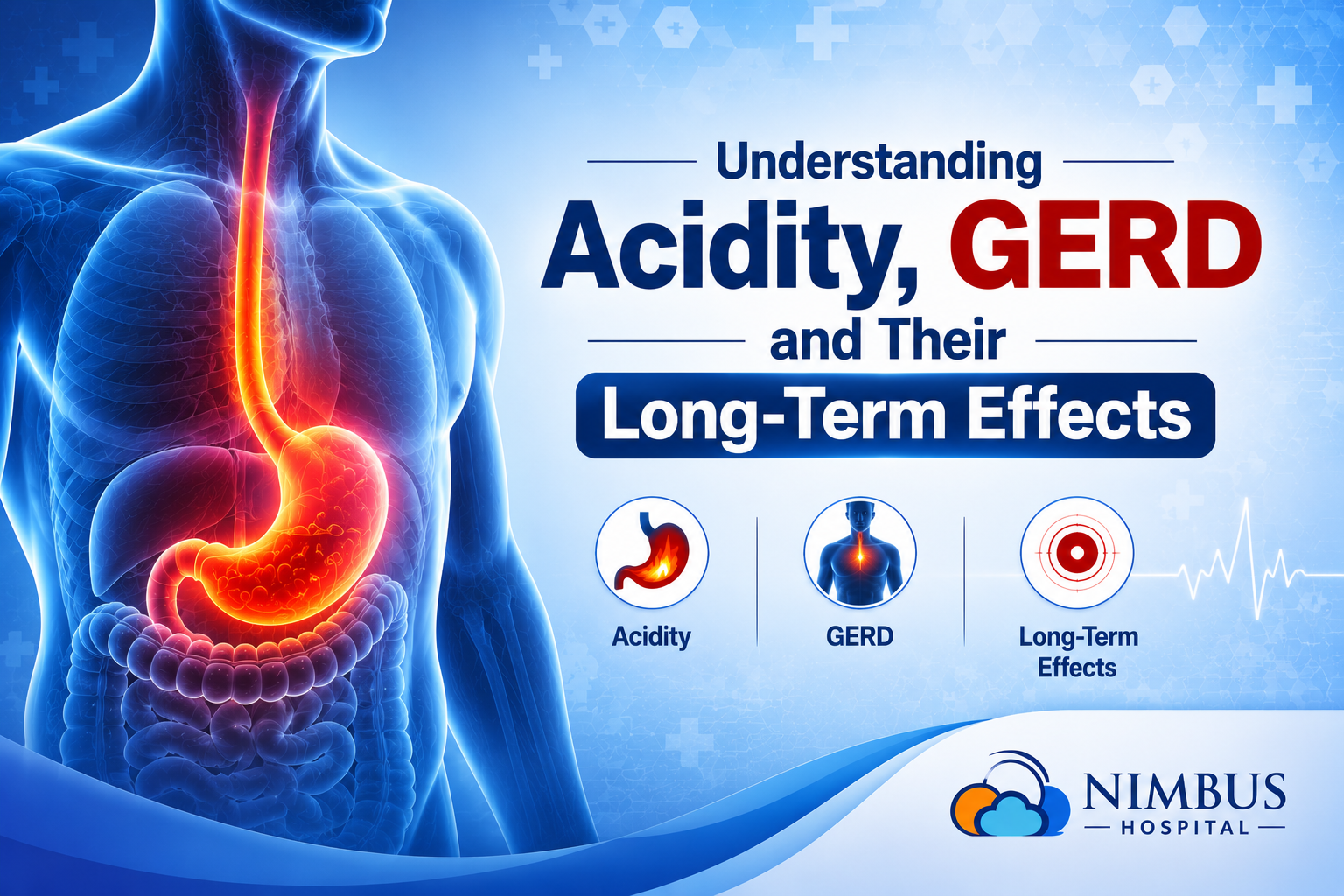
Understanding Acidity, GERD and Their Long-Term Effects

Digestive discomfort is something most people experience at some point in life. A heavy meal, irregular eating habits or certain foods can sometimes lead to a burning sensation in the chest or an unpleasant sour taste in the mouth. While occasional acidity may not be a cause for concern, frequent symptoms can indicate a more serious digestive condition that requires medical attention.

Many individuals ignore recurring acidity and continue relying on temporary remedies. However, persistent symptoms can affect daily life and may eventually lead to complications if left untreated. Understanding the difference between simple acidity and Gastroesophageal Reflux Disease (GERD) is essential for maintaining long term digestive health.

What Is Acidity?

Acidity occurs when excess stomach acid moves upward into the food pipe (esophagus). This often causes a burning sensation in the chest, commonly known as heartburn.

Common triggers include:

  • Eating spicy or oily foods
  • Consuming large meals
  • Lying down immediately after eating
  • Excessive caffeine intake
  • Smoking and alcohol consumption
  • Irregular meal timings

Occasional acidity is common, but symptoms that occur repeatedly may indicate an underlying digestive disorder.

Understanding GERD

GERD or Gastroesophageal Reflux Disease, is a chronic condition in which stomach acid frequently flows back into the esophagus. Unlike occasional acidity, GERD occurs regularly and can gradually damage the lining of the food pipe.

People with GERD often experience symptoms several times a week, which can interfere with sleep, eating habits and overall quality of life.

Common Symptoms of GERD

Recognizing symptoms early can help prevent complications. Common signs include:

  • Frequent heartburn
  • Sour or bitter taste in the mouth
  • Difficulty swallowing
  • Persistent cough
  • Hoarseness of voice
  • Chest discomfort after meals
  • Feeling of food coming back into the throat

If these symptoms continue for several weeks, medical evaluation is recommended.

Why Do Acidity and GERD Occur?

Several factors can increase the likelihood of acid reflux and GERD.

Unhealthy Eating Habits

Frequent consumption of fried foods, processed meals and excessive caffeine can increase acid production and trigger reflux symptoms.

Excess Body Weight

Being overweight places additional pressure on the stomach, making acid reflux more likely.

Stress and Poor Sleep

Stress can affect digestive function and worsen reflux symptoms. Poor sleep habits may also contribute to recurring digestive discomfort.

Smoking and Alcohol

Both smoking and alcohol can weaken the valve between the stomach and esophagus, allowing acid to move upward more easily.

Long Term Effects of Untreated GERD

Many people assume that acidity is only a minor inconvenience. However, untreated GERD can lead to significant health problems over time.

Esophageal Inflammation

Repeated exposure to stomach acid can irritate and inflame the lining of the esophagus, causing pain and discomfort.

Difficulty Swallowing

Long term irritation may lead to narrowing of the esophagus, making swallowing increasingly difficult.

Chronic Cough and Throat Problems

Acid reflux can affect the throat and voice box, leading to persistent coughing, throat irritation, and hoarseness.

Sleep Disturbances

Nighttime reflux often disrupts sleep, causing fatigue and reduced productivity during the day.

Increased Risk of Serious Complications

In some cases, long standing acid reflux may increase the risk of more severe digestive conditions, making timely treatment important.

When Should You See a Specialist?

Many individuals manage occasional acidity with lifestyle changes. However, professional evaluation is important when:

  • Symptoms occur multiple times each week
  • Heartburn becomes severe
  • Difficulty swallowing develops
  • Symptoms disturb sleep regularly
  • Over the counter medicines provide only temporary relief
  • Unexplained weight loss occurs

Seeking timely care can help identify the root cause and prevent long term complications.

Diagnosis of GERD and Digestive Disorders

To determine the cause of symptoms, doctors may recommend:

  • Detailed medical history review
  • Physical examination
  • Blood investigations
  • Upper GI endoscopy
  • Imaging studies when required

Accurate diagnosis allows doctors to create an effective treatment plan tailored to the patient’s condition.

Treatment Options

Treatment depends on the severity of symptoms and underlying causes.

Lifestyle Modifications

Simple lifestyle changes can significantly improve symptoms:

  • Eating smaller meals
  • Avoiding late night eating
  • Maintaining a healthy weight
  • Reducing caffeine intake
  • Avoiding smoking and alcohol

Dietary Adjustments

Patients are often advised to identify and avoid foods that trigger reflux symptoms.

Medical Management

Doctors may prescribe medications to reduce acid production, protect the digestive tract and promote healing.

For patients seeking Gastrointestinal treatment in Solan, early diagnosis and proper management can help prevent complications and improve quality of life.

Why Choose Nimbus Hospital Solan?

Digestive disorders require proper evaluation and personalized care. Nimbus Hospital Solan provides comprehensive diagnostic and treatment services for a wide range of digestive conditions.

Patients benefit from:

  • Experienced digestive health specialists
  • Advanced diagnostic facilities
  • Personalized treatment plans
  • Modern treatment approaches
  • Continuous patient support and follow up

Individuals looking for the best Gastrointestinal in Solan can receive expert care focused on both symptom relief and long term digestive wellness.

Conclusion

Acidity and GERD are common digestive conditions, but they should never be ignored when symptoms become frequent or severe. Early diagnosis, lifestyle improvements and appropriate treatment can help prevent long term complications and improve overall quality of life.

If recurring acidity, heartburn, or reflux symptoms are affecting your daily routine, consulting a top gastrologist in Solan can help you find the right treatment and protect your digestive health.

https://nimbushospital.in/gastrointestinal-issues/

FAQs

1. What is the difference between acidity and GERD?

Acidity is usually occasional, while GERD is a chronic condition involving frequent acid reflux that may require medical treatment.

2. Can GERD go away on its own?

Mild cases may improve with lifestyle changes, but persistent GERD often requires professional evaluation and treatment.

3. What foods commonly trigger acid reflux?

Spicy foods, fried foods, caffeine, carbonated beverages and large meals are common triggers.

4. When should I consult a doctor for acidity?

You should seek medical advice if symptoms occur frequently, disturb sleep or do not improve with basic lifestyle modifications.

5. Where can I get expert digestive care in Solan?

Patients experiencing persistent digestive symptoms can consult specialists at Nimbus Hospital Solan for comprehensive evaluation and treatment.

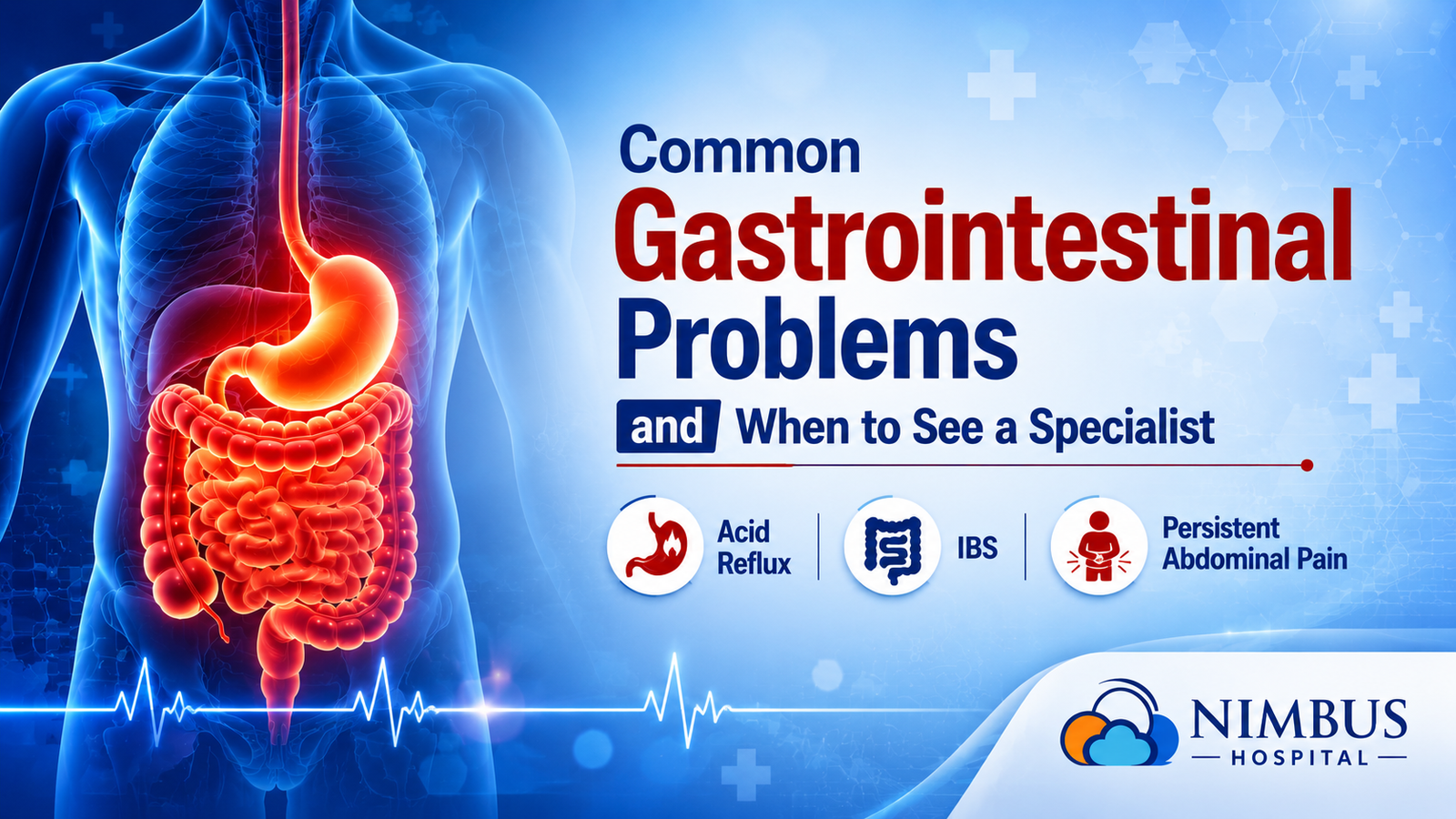
Common Gastrointestinal Problems and When to See a Specialist

Digestive health plays a vital role in overall well being. The gastrointestinal system is responsible for breaking down food, absorbing nutrients and eliminating waste from the body. When this system does not function properly, it can lead to discomfort, nutritional deficiencies, and various health complications. While occasional digestive issues are common, persistent symptoms may indicate an underlying gastrointestinal disease that requires medical attention.

Many people ignore digestive symptoms, assuming they will resolve on their own. However, recognizing early warning signs and seeking timely care can help prevent complications and improve long term health outcomes. At Nimbus Hospital Solan, patients receive comprehensive evaluation and personalized care for a wide range of digestive disorders.

What Are Gastrointestinal Problems?

Gastrointestinal problems refer to conditions that affect the digestive tract, including the stomach, intestines, esophagus, liver, pancreas, and gallbladder. These conditions can range from mild digestive discomfort to chronic illnesses that require ongoing treatment.

Some digestive issues develop temporarily due to dietary habits or infections, while others may be linked to long term gastrointestinal disease that requires specialist care.

Common Gastrointestinal Problems

1. Acidity and GERD

Acidity is one of the most common digestive complaints. It occurs when stomach acid flows back into the esophagus, causing a burning sensation in the chest. Frequent acid reflux may develop into Gastroesophageal Reflux Disease (GERD).

Common symptoms include:

  • Heartburn after meals
  • Sour taste in the mouth
  • Difficulty swallowing
  • Frequent burping

Ignoring persistent acidity can lead to complications, making early diagnosis important.

2. Gas and Bloating

Occasional bloating is normal, but frequent bloating may indicate digestive imbalance, food intolerance or other gastrointestinal conditions.

Common causes include:

  • Overeating
  • Poor digestion
  • Irritable Bowel Syndrome (IBS)
  • Food sensitivities

Persistent bloating should not be ignored, especially when accompanied by abdominal discomfort.

3. Constipation

Constipation occurs when bowel movements become infrequent or difficult to pass. It can significantly affect quality of life and may be caused by:

  • Low fiber intake
  • Inadequate hydration
  • Lack of physical activity
  • Certain medications

Chronic constipation may require evaluation by a digestive specialist.

4. Diarrhea

Diarrhea is often caused by infections, food poisoning or digestive disorders. While short term episodes usually improve on their own, prolonged diarrhea can result in dehydration and nutritional deficiencies.

Medical attention is recommended if symptoms persist or are accompanied by fever or blood in the stool.

5. Irritable Bowel Syndrome (IBS)

IBS is a common condition affecting the large intestine. Symptoms often include:

  • Abdominal pain
  • Bloating
  • Constipation
  • Diarrhea

Although IBS is not life threatening, it can significantly impact daily life and often requires long term management.

6. Peptic Ulcers

Peptic ulcers are sores that develop in the lining of the stomach or small intestine. They may occur due to bacterial infections, long term use of painkillers, or excessive acid production.

Symptoms may include:

  • Burning stomach pain
  • Nausea
  • Indigestion
  • Loss of appetite

Timely diagnosis can help prevent serious complications.

Warning Signs You Should Not Ignore

While many digestive symptoms are mild, some signs require immediate medical evaluation. Consult a specialist if you experience:

  • Persistent abdominal pain
  • Frequent heartburn or acid reflux
  • Unexplained weight loss
  • Blood in stool or vomiting blood
  • Chronic constipation or diarrhea
  • Difficulty swallowing
  • Persistent nausea or vomiting
  • Yellowing of the skin or eyes (jaundice)

These symptoms may indicate a more serious gastrointestinal disease that requires expert assessment.

When Should You See a Specialist?

Many digestive issues improve with dietary changes and lifestyle modifications. However, if symptoms continue for several weeks or repeatedly return, professional evaluation is recommended.

You should consider consulting a top gastrologist in Solan if:

  • Symptoms interfere with daily activities
  • Over the counter medicines provide only temporary relief
  • Digestive problems occur frequently
  • You have a family history of digestive disorders
  • You experience unexplained weight loss or bleeding symptoms

Early diagnosis often leads to more effective treatment and better outcomes.

Diagnosis of Gastrointestinal Conditions

Accurate diagnosis is essential for effective treatment. Depending on symptoms, doctors may recommend:

  • Blood tests
  • Stool examination
  • Ultrasound of the abdomen
  • Endoscopy
  • Colonoscopy
  • H. pylori testing

These investigations help identify the root cause of digestive symptoms and guide appropriate treatment.

Treatment Options for Gastrointestinal Problems

Treatment depends on the underlying cause and severity of symptoms. A personalized care plan may include:

Lifestyle and Dietary Changes

  • Eating balanced meals
  • Avoiding trigger foods
  • Maintaining hydration
  • Improving meal timing
  • Managing stress levels

Medications

Doctors may prescribe medications to manage:

  • Acidity and GERD
  • Infections
  • IBS symptoms
  • Ulcers
  • Constipation or diarrhea

Advanced Care

Certain conditions may require specialized procedures such as endoscopy or long term management plans.

Patients seeking Gastrointestinal treatment in Solan can benefit from individualized care designed to address both symptoms and underlying causes.

Why Choose Nimbus Hospital Solan?

Nimbus Hospital Solan offers comprehensive digestive care for patients experiencing a variety of gastrointestinal conditions. The hospital focuses on accurate diagnosis, effective treatment, and long term digestive wellness.

Patients choose the hospital because of:

  • Experienced digestive health specialists
  • Advanced diagnostic facilities
  • Personalized treatment plans
  • Patient centered approach
  • Comprehensive digestive care services

For individuals looking for the best Gastrointestinal in Solan, timely consultation can help prevent complications and improve quality of life.

Conclusion

Digestive problems are common, but persistent symptoms should never be ignored. Conditions such as acidity, GERD, constipation, diarrhea, IBS and ulcers can significantly affect daily life if left untreated. Understanding the warning signs and seeking timely medical care can help prevent complications and support long term digestive health.

If you are experiencing ongoing digestive discomfort, consulting a specialist can provide clarity, relief and effective treatment.

Visit:https://nimbushospital.in/gastrointestinal-issues/

FAQs

1. What are the most common gastrointestinal problems?
Common gastrointestinal problems include acidity, GERD, constipation, diarrhea, IBS, bloating and peptic ulcers.

2. When should I consult a top gastrologist in Solan?
You should seek medical advice if digestive symptoms persist, worsen or interfere with your daily activities.

3. What causes gastrointestinal disease?
A gastrointestinal disease can develop due to infections, poor dietary habits, stress, genetic factors or chronic inflammation.

4. What treatments are available for digestive disorders?
Treatment may include dietary changes, medications, lifestyle modifications and specialized procedures depending on the condition.

5. Where can I get Gastrointestinal treatment in Solan?
Patients can consult specialists at Nimbus Hospital Solan for comprehensive diagnosis and treatment of digestive disorders.

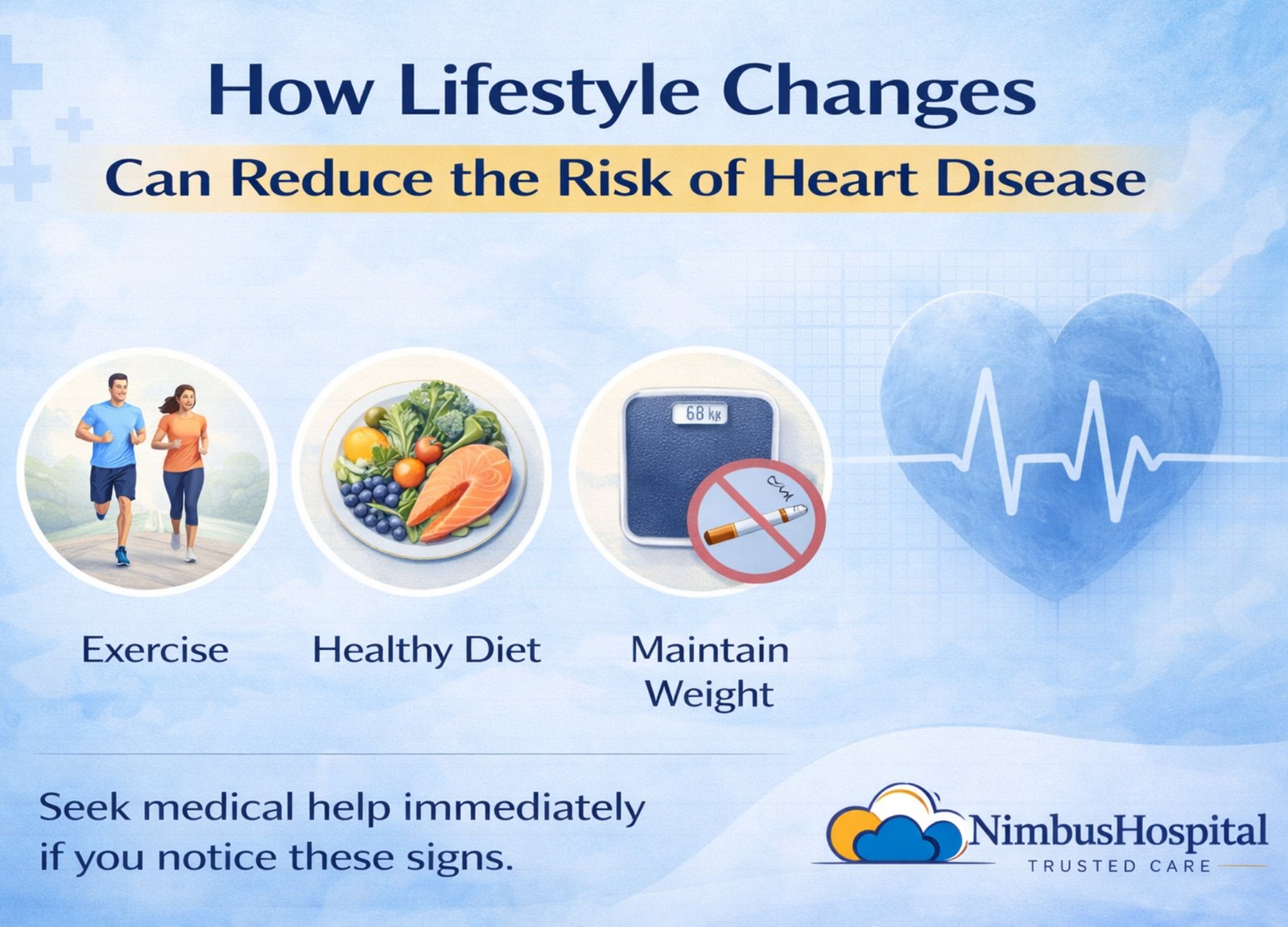
How Lifestyle Changes Can Reduce the Risk of Heart Disease

The condition of our heart is closely connected to the way we live every day. What we eat, how active we are, and how we deal with stress all influence heart health. When unhealthy habits continue for years, they may gradually increase the risk of heart disease and other conditions related to cardiovascular disease.

The good news is that small but consistent lifestyle changes can make a big difference. By improving daily habits, many people can lower their chances of developing serious heart problems and support better long term health.

Understanding Heart Disease

The heart works constantly to circulate blood throughout the body. If blood vessels become narrow or damaged, the heart has to work harder to maintain proper blood flow. Over time, this extra strain may lead to different forms of heart disease.

In many cases, early heart disease symptoms are mild and may not seem serious. People may notice fatigue, slight breathlessness, or discomfort in the chest during physical activity. Paying attention to these signs and improving lifestyle habits early can help protect heart health.

How Diet Influences Heart Health

Food choices play a major role in maintaining a healthy heart. Eating balanced meals helps control cholesterol levels and supports healthy blood pressure.

Some healthy dietary habits include:

  • Eating more fresh fruits and vegetables
  • Choosing whole grains instead of refined foods
  • Including lean proteins such as fish, beans, or legumes
  • Reducing foods high in salt, sugar and unhealthy fats

Following these habits regularly may help lower the risk of developing conditions linked to cardiovascular disease.

Importance of Regular Physical Activity

Physical activity helps keep the heart strong and improves blood circulation. Exercise also supports healthy weight management and reduces stress levels.

Simple activities such as walking, cycling or light workouts can benefit heart health when practiced consistently. Staying active is one of the most effective ways to reduce the risk of future heart issues.

Managing Stress and Emotional Health

Stress is another factor that can affect the heart. When stress continues for a long time, it may contribute to higher blood pressure and place additional strain on the cardiovascular system.

Practices such as meditation, breathing exercises, and spending time relaxing can help reduce stress levels and support overall well being.

Avoiding Harmful Habits

Certain habits significantly increase the chances of developing heart problems. Smoking, for example, damages blood vessels and affects blood circulation.

Avoiding tobacco and limiting alcohol consumption can help protect the heart and reduce the likelihood of long-term heart disease.

Importance of Regular Health Checkups

Routine medical checkups play an important role in preventing serious heart conditions. Doctors can monitor blood pressure, cholesterol levels and other factors that influence heart health.

Early identification of possible heart disease symptoms allows individuals to take preventive steps and receive proper medical advice before complications develop.

Conclusion

Lifestyle habits have a powerful influence on heart health. Small changes such as eating balanced meals, staying physically active, managing stress and avoiding harmful habits can help reduce the risk of heart disease.

By adopting healthier routines and paying attention to early warning signs, individuals can protect themselves from serious complications related to cardiovascular disease and maintain better overall well-being.

🌐 For consultations and appointments, visit:
https://nimbushospital.in/

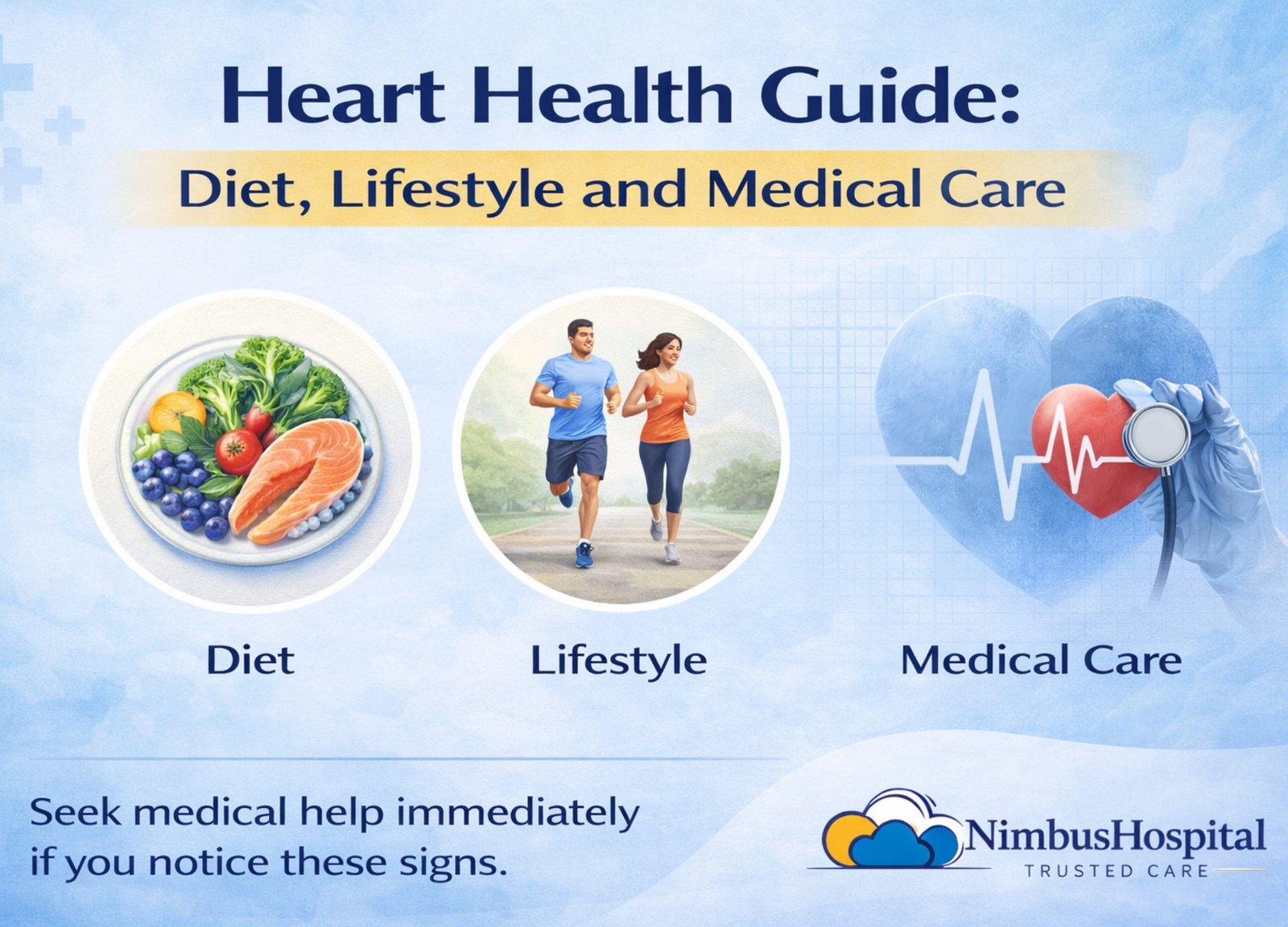
Heart Health Guide: Diet, Lifestyle and Medical Care

Maintaining good heart health is essential for living a long and active life. The heart works continuously to pump blood throughout the body, delivering oxygen and nutrients to vital organs. However, unhealthy eating habits, lack of physical activity, stress, and other lifestyle factors can increase the risk of developing heart problems.

Taking care of the heart involves a combination of healthy diet choices an active lifestyle and regular medical checkups. By understanding the factors that affect heart health, individuals can reduce the chances of developing serious conditions related to cardiovascular disease.

Understanding Heart Health

Heart health refers to how efficiently the heart and blood vessels function to maintain proper blood circulation. When the heart is healthy, it can pump blood effectively, ensuring that the body receives the oxygen and nutrients it needs.

However, poor lifestyle habits may gradually lead to conditions such as heart disease, which can affect the heart’s ability to function properly. Recognizing early heart disease symptoms and making healthy lifestyle choices are important steps in protecting overall health.

Importance of a Heart Healthy Diet

Diet plays a major role in maintaining a healthy heart. Eating nutritious foods helps control cholesterol levels, maintain healthy blood pressure, and reduce the risk of developing serious heart conditions.

A heart-friendly diet may include:

  • Fresh fruits and vegetables
  • Whole grains
  • Lean proteins such as fish and legumes
  • Healthy fats from nuts and seeds
  • Low sodium and low-sugar foods

Limiting processed foods, excessive salt and unhealthy fats can help support better heart function and reduce the chances of developing long-term heart issues.

Lifestyle Habits That Support Heart Health

In addition to a balanced diet, lifestyle habits have a strong impact on heart health. Simple daily practices can help improve heart function and overall well being.

Regular Physical Activity

Exercise strengthens the heart and improves blood circulation. Activities such as walking, cycling, or swimming can help maintain a healthy weight and lower the risk of cardiovascular disease.

Managing Stress

Long-term stress can negatively affect heart health. Practicing relaxation techniques such as meditation, yoga or deep breathing can help reduce stress levels and support overall heart wellness.

Avoiding Smoking

Smoking damages blood vessels and increases the risk of many serious health conditions. Avoiding tobacco products is an important step toward protecting heart health.

Maintaining a Healthy Weight

Excess body weight can place extra strain on the heart. Maintaining a healthy weight through proper diet and physical activity helps reduce the risk of developing heart problems.

Role of Medical Care in Heart Health

Regular medical checkups play an important role in preventing serious heart conditions. Doctors can monitor blood pressure, cholesterol levels, and other important indicators of heart health.

If early heart disease symptoms appear, timely medical evaluation allows doctors to recommend appropriate heart disease treatment and prevent complications. Early diagnosis and proper medical guidance help individuals manage their heart health more effectively.

When to Seek Medical Advice

While many heart conditions develop gradually, certain symptoms should not be ignored. Individuals should seek medical advice if they experience:

  • Chest discomfort
  • Shortness of breath
  • Persistent fatigue
  • Irregular heartbeat
  • Dizziness or lightheadedness

Early medical attention can help identify potential heart conditions before they become severe.

Conclusion

Taking care of heart health requires a balanced approach that includes healthy eating habits, regular physical activity, and proper medical care. By making positive lifestyle changes and staying aware of possible heart disease symptoms, individuals can reduce the risk of developing serious heart conditions.

A proactive approach to heart health can help prevent heart problems, improve overall well being and support a healthier future.

🌐 For consultations and appointments, visit:
https://nimbushospital.in/

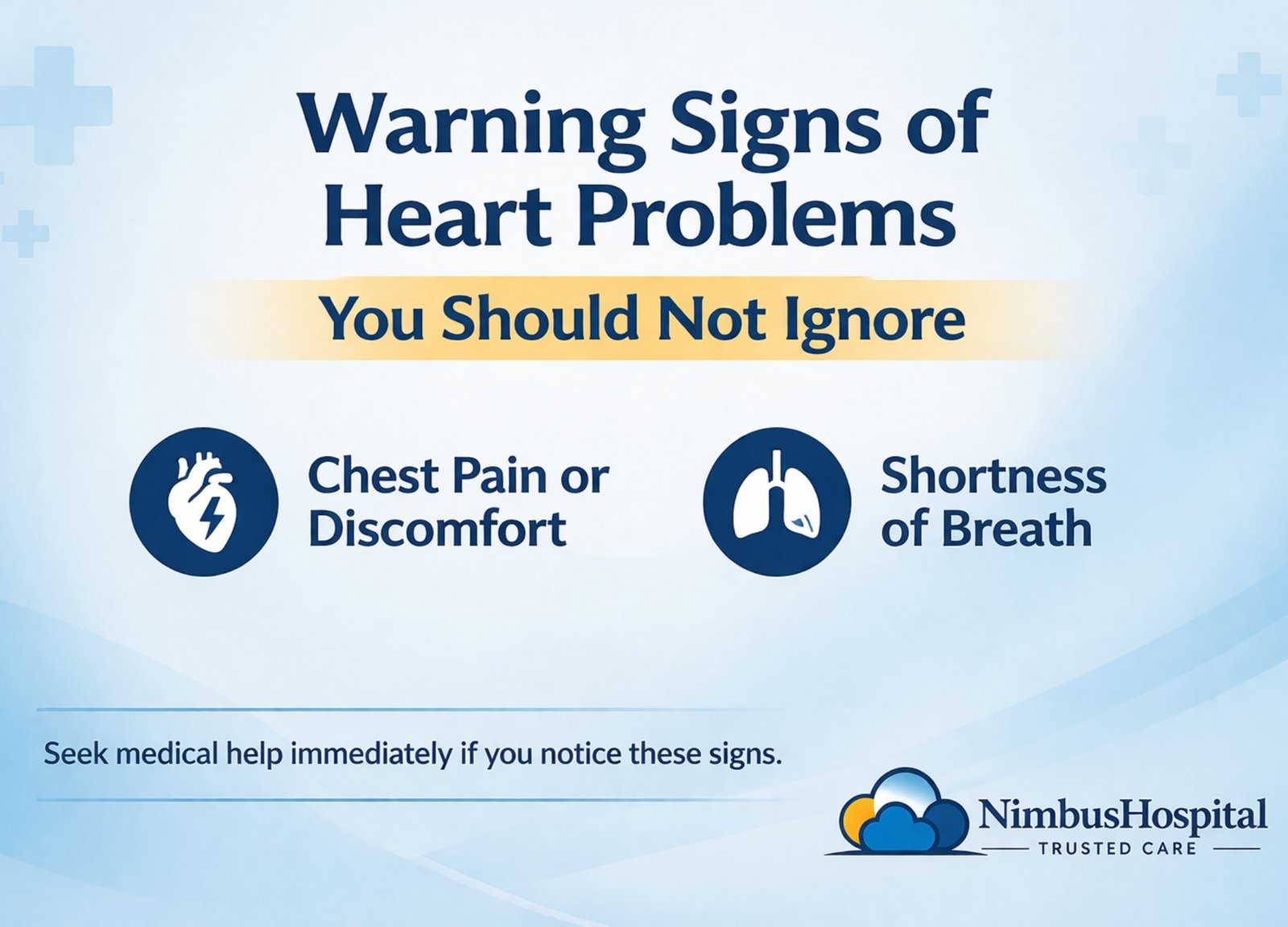
Warning Signs of Heart Problems You Should Not Ignore

Heart health plays a vital role in maintaining overall well being. The heart continuously pumps blood throughout the body, ensuring that organs receive oxygen and essential nutrients. However, unhealthy habits such as poor diet, lack of exercise, smoking, and chronic stress can increase the risk of developing heart problems and other conditions related to cardiovascular disease.

Many heart conditions develop slowly and may not show severe symptoms in the beginning. Because of this, people often ignore the early warning signs. Recognizing the early heart disease symptoms and seeking medical care at the right time can help prevent serious complications.

Understanding Heart Problems

Heart problems refer to a range of conditions that affect the structure or function of the heart. These conditions may involve blocked arteries, irregular heart rhythms or weakened heart muscles.

One of the most common causes of heart disease is reduced blood flow to the heart due to narrowed or blocked arteries. Over time, this can lead to serious complications if the condition is not diagnosed and treated early.

Understanding these conditions and paying attention to warning signs can help individuals take steps to protect their heart health.

Early Warning Signs of Heart Problems

The body often provides signals when something is not functioning properly. Recognizing early heart disease symptoms can help people seek timely medical attention.

Some warning signs that should not be ignored include:

  • Chest discomfort or pressure
  • Shortness of breath during normal activities
  • Unusual fatigue or weakness
  • Irregular heartbeat or palpitations
  • Dizziness or lightheadedness

These symptoms may appear mild at first but could indicate underlying heart issues that require medical evaluation.

Signs of Minor Heart Blockage

In the early stages of heart disease, arteries may begin to narrow due to plaque buildup. Identifying the signs of minor heart blockage can help prevent serious complications later.

Common signs may include:

  • Chest tightness during physical activity
  • Pain spreading to the arm, shoulder, or jaw
  • Shortness of breath when climbing stairs
  • Fatigue during routine tasks

Although these symptoms may seem minor, they can be early indicators of developing cardiovascular disease.

Swelling in Feet and Ankles

In some cases, swelling in the lower legs or ankles may occur when the heart is unable to pump blood effectively. This condition is sometimes described as heart failure swollen feet.

Fluid buildup in the body can cause noticeable swelling, discomfort and heaviness in the legs. If this symptom appears along with breathing difficulty or fatigue, medical evaluation is recommended.

Risk Factors That Increase Heart Problems

Several lifestyle and health factors can increase the risk of developing heart disease. Being aware of these factors helps individuals make healthier choices.

Common risk factors include:

  • High blood pressure
  • High cholesterol
  • Diabetes
  • Smoking
  • Obesity
  • Physical inactivity
  • Chronic stress

Long-term high blood pressure may also contribute to conditions such as hypertensive heart disease, which affects the structure and function of the heart.

Prevention Tips for Better Heart Health

Many heart problems can be prevented by adopting healthier lifestyle habits and maintaining regular health checkups.

Important preventive steps include:

Maintain a Healthy Diet

A balanced diet that includes fruits, vegetables, whole grains and lean proteins helps support heart health.

Exercise Regularly

Regular physical activity improves blood circulation and strengthens the heart, helping reduce the risk of cardiovascular disease.

Manage Stress

Long term stress can negatively affect heart health. Practicing relaxation techniques such as meditation or yoga can help maintain emotional balance.

Avoid Smoking

Smoking damages blood vessels and significantly increases the risk of serious heart issues.

When to Seek Medical Care

If symptoms such as chest pain, breathing difficulty, persistent fatigue or dizziness occur frequently, medical attention should not be delayed. Early diagnosis allows doctors to recommend appropriate heart disease treatment and prevent complications.

Regular health screenings are also important for individuals who have risk factors such as high blood pressure, diabetes, or a family history of heart disease.

Conclusion

Recognizing the warning signs of heart problems can help prevent serious health complications. Many cases of heart disease develop gradually, but early heart disease symptoms often appear before the condition becomes severe.

By paying attention to these warning signs, maintaining a healthy lifestyle, and seeking timely medical care, individuals can significantly reduce the risk of cardiovascular disease and protect their long-term heart health.

🌐 For consultations and appointments, visit:
https://nimbushospital.in/